-
In this situation, can you turn left once you go past this sign?КомментарийIn this situation, read the meaning of the visible sign and apply it to your direction of travel. The appearance of the situation itself does not change the rules established by the road signs.In this situation, can you turn left once you go past this sign?
-
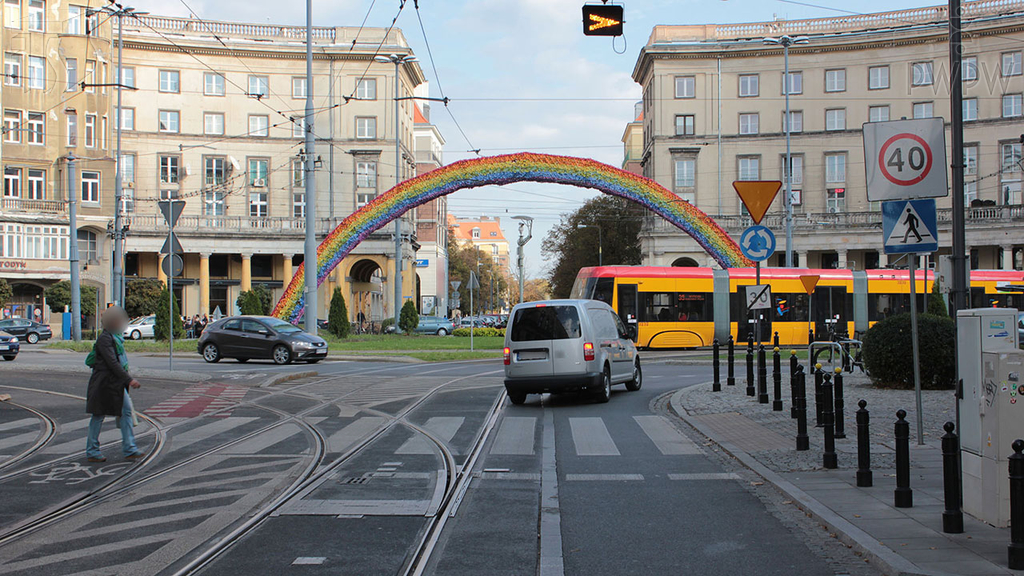 Does the speed limit you see here apply only to the nearest intersection?КомментарийIn this situation, read the meaning of the visible sign and apply it to your direction of travel. The appearance of the situation itself does not change the rules established by the road signs.Does the speed limit you see here apply only to the nearest intersection?
-
Can you make a U-turn at this intersection?КомментарийWhether the manoeuvre is permitted depends on road signs, signals, road markings and safety conditions. The manoeuvre may be performed only when all of these elements allow it.Can you make a U-turn at this intersection?
-
In this situation, can you turn right at the nearest intersection?КомментарийWhether the manoeuvre is permitted depends on road signs, signals, road markings and safety conditions. The manoeuvre may be performed only when all of these elements allow it.In this situation, can you turn right at the nearest intersection?
-
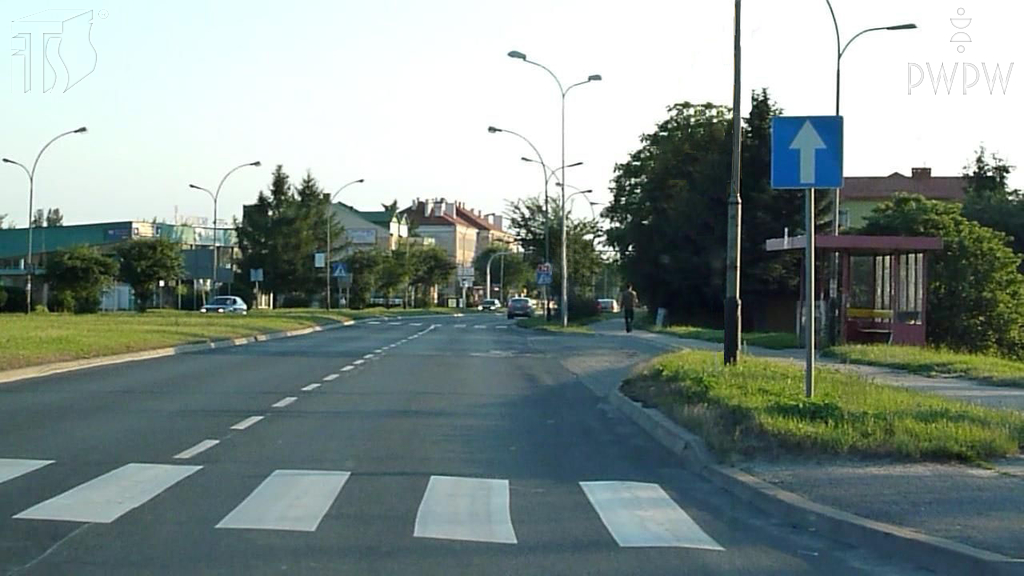 Does this sign indicate that you are obliged to drive straight ahead at the nearest intersection?КомментарийIn this situation, read the meaning of the visible sign and apply it to your direction of travel. The appearance of the situation itself does not change the rules established by the road signs.Does this sign indicate that you are obliged to drive straight ahead at the nearest intersection?
-
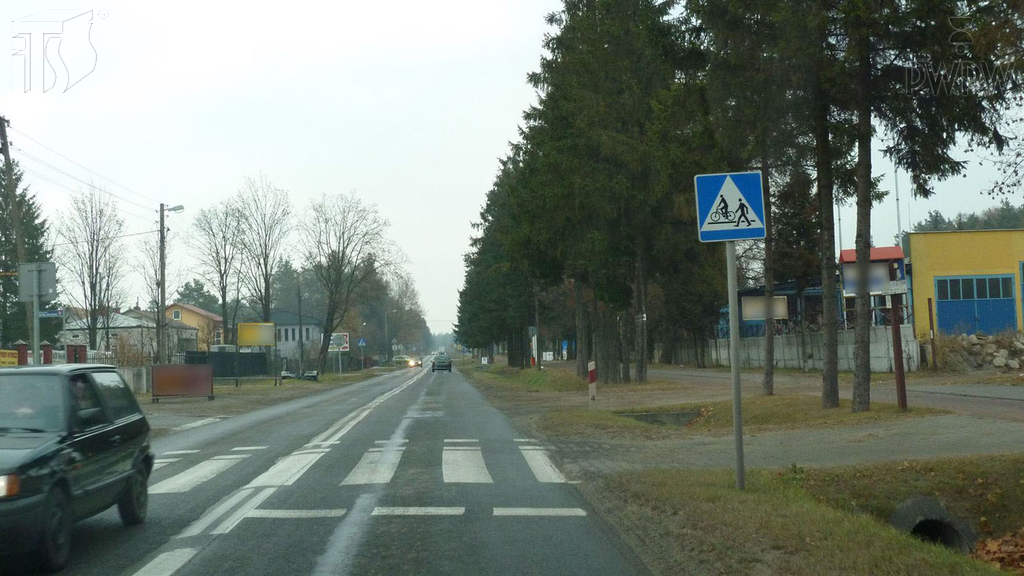 When you approach a place marked with this sign, are you obliged to exercise special caution?КомментарийParticular caution means increasing attention and adapting your behaviour to the situation so that you can react quickly to a hazard. Simply observing the road is not enough if your speed prevents a safe reaction.When you approach a place marked with this sign, are you obliged to exercise special caution?
-
On a road marked in this way, can you drive a passenger car at a speed of 100 km/h?КомментарийIn this situation, read the meaning of the visible sign and apply it to your direction of travel. The appearance of the situation itself does not change the rules established by the road signs.On a road marked in this way, can you drive a passenger car at a speed of 100 km/h?
-
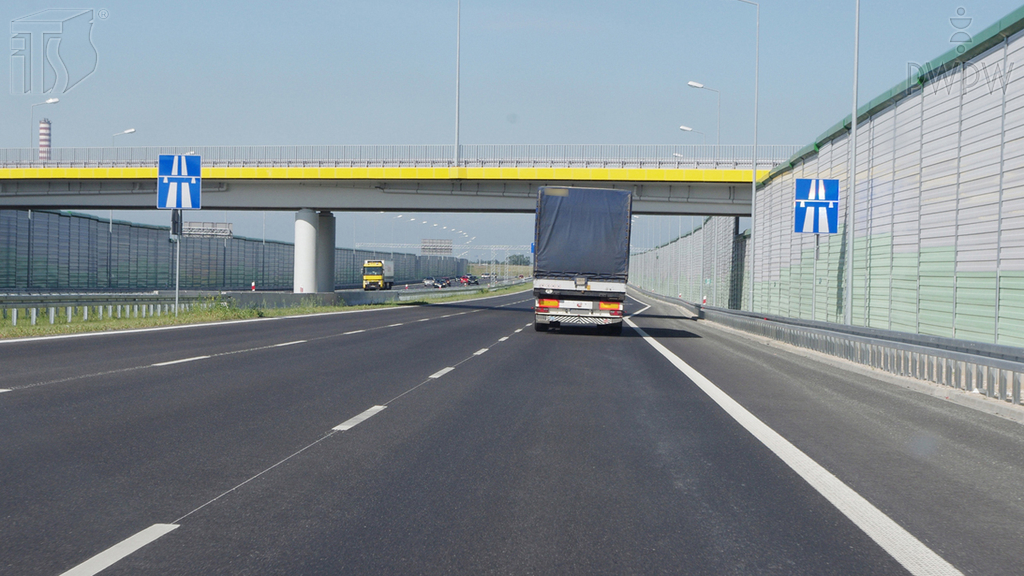 Beyond this sign, is 120 km/h the maximum speed at which you may drive a passenger car?КомментарийIn this situation, read the meaning of the visible sign and apply it to your direction of travel. The appearance of the situation itself does not change the rules established by the road signs.Beyond this sign, is 120 km/h the maximum speed at which you may drive a passenger car?
-
On a road, once you go past this sign, can you drive at a speed of 30 km/h?КомментарийIn this situation, read the meaning of the visible sign and apply it to your direction of travel. The appearance of the situation itself does not change the rules established by the road signs.On a road, once you go past this sign, can you drive at a speed of 30 km/h?
-
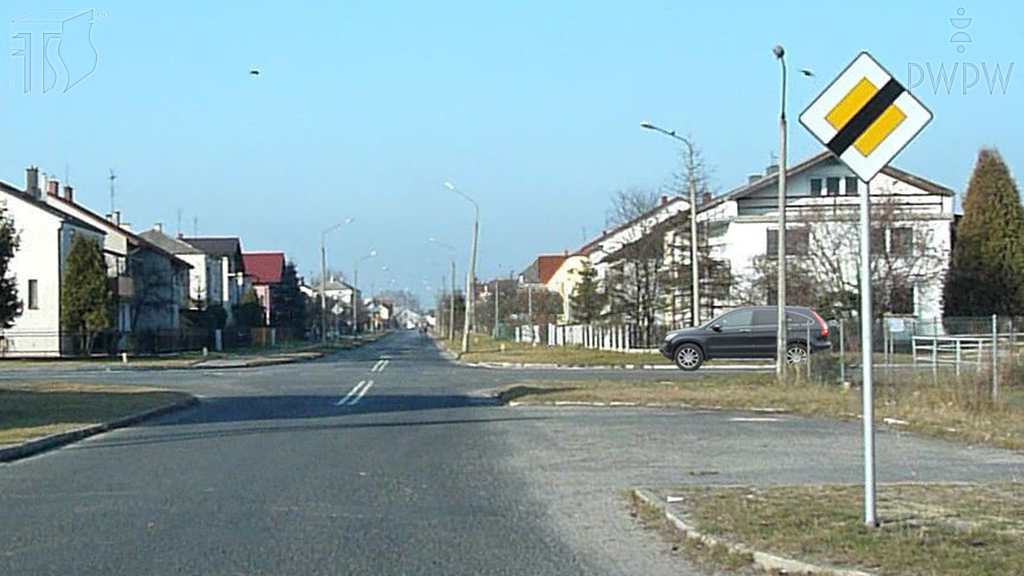 In this situation, are you obliged to give right of way to the vehicle approaching from the right side?КомментарийAt an intersection of roads with equal priority, the right-hand rule applies unless priority has been changed by signs or signals. When turning left, you must also take oncoming vehicles into account.In this situation, are you obliged to give right of way to the vehicle approaching from the right side?
-
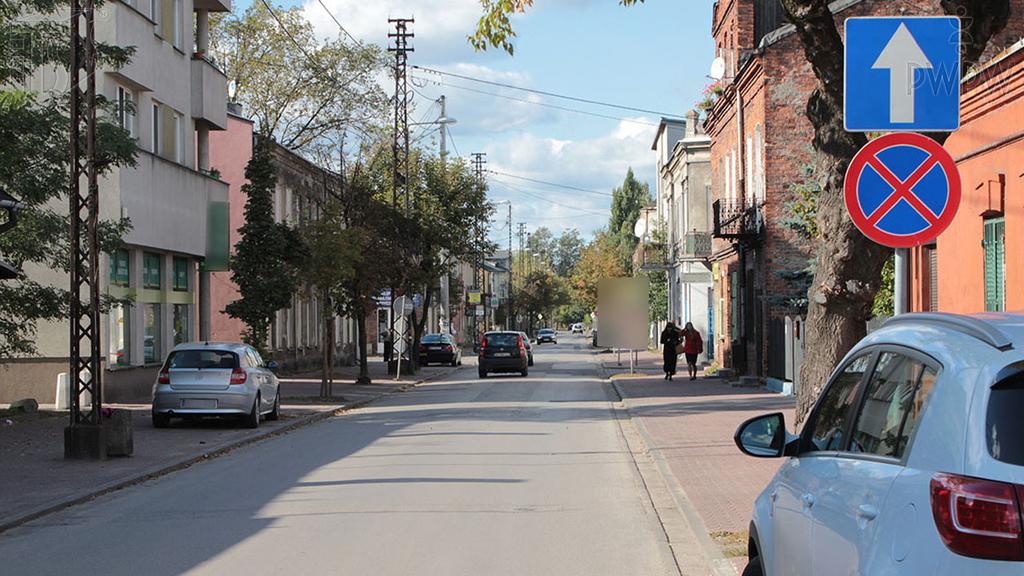 On a road, past this sign, can you make a U-turn?КомментарийIn this situation, read the meaning of the visible sign and apply it to your direction of travel. The appearance of the situation itself does not change the rules established by the road signs.On a road, past this sign, can you make a U-turn?
-
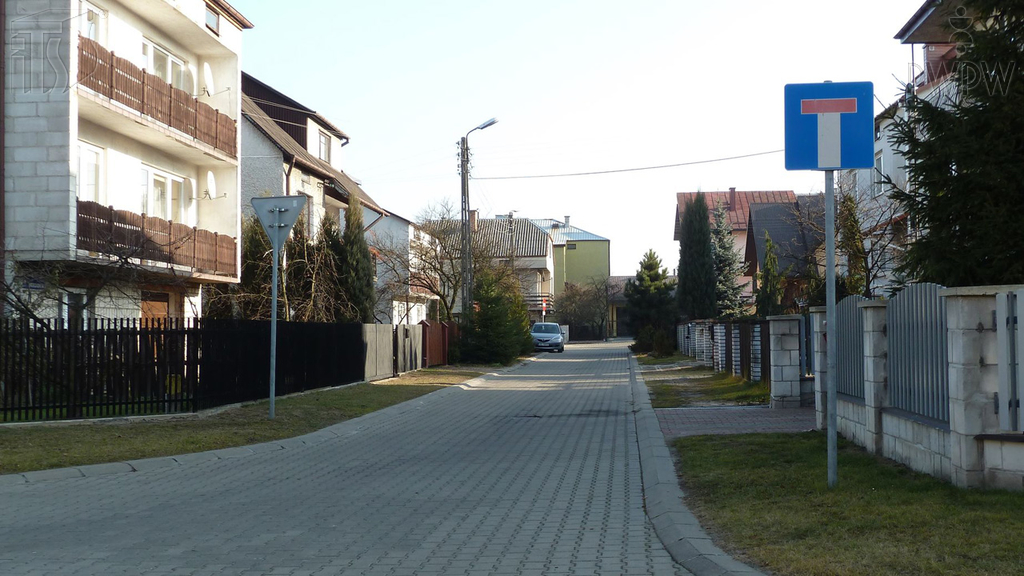 On a road, once you go past this sign, can you make a U-turn?КомментарийIn this situation, read the meaning of the visible sign and apply it to your direction of travel. The appearance of the situation itself does not change the rules established by the road signs.On a road, once you go past this sign, can you make a U-turn?
-
Does the first sign you see here tell you to drive with a speed of up to 50 km/h?КомментарийIn this situation, read the meaning of the visible sign and apply it to your direction of travel. The appearance of the situation itself does not change the rules established by the road signs.Does the first sign you see here tell you to drive with a speed of up to 50 km/h?
-
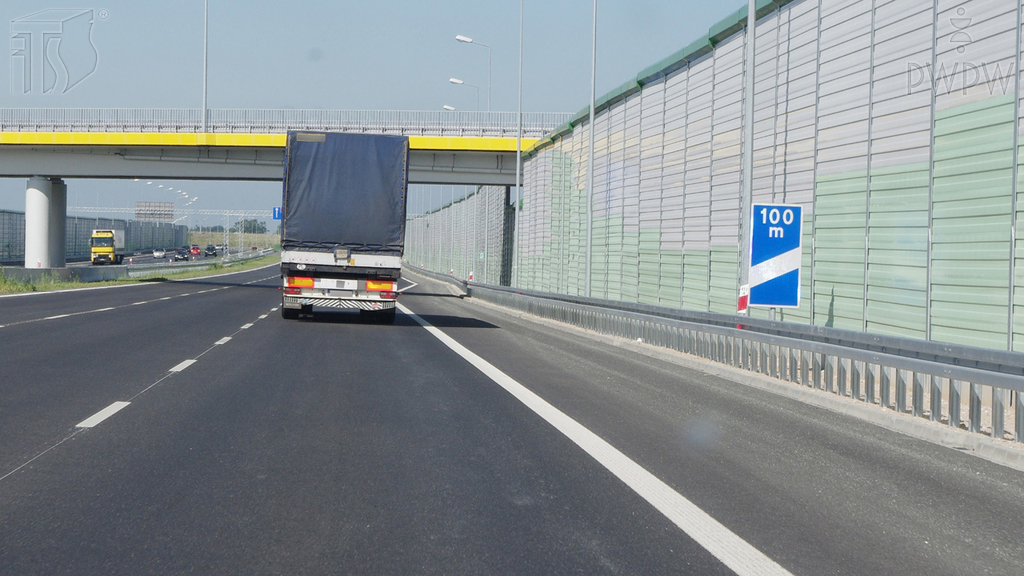 Does this sign inform you of approaching an exit from the motorway?КомментарийIn this situation, read the meaning of the visible sign and apply it to your direction of travel. The appearance of the situation itself does not change the rules established by the road signs.Does this sign inform you of approaching an exit from the motorway?
-
In this situation, when you're changing lanes, are you obliged to use your turn signal?КомментарийThe answer requires interpreting the situation shown in the material and applying the appropriate traffic rule. Pay particular attention to the road signs, vehicle positions and their possible paths of travel.In this situation, when you're changing lanes, are you obliged to use your turn signal?
-
On a road, once you go past this sign, can you drive at a speed of 20 km/h?КомментарийIn this situation, read the meaning of the visible sign and apply it to your direction of travel. The appearance of the situation itself does not change the rules established by the road signs.On a road, once you go past this sign, can you drive at a speed of 20 km/h?
-
On a road, once you go past this sign, do you have the right of way over pedestrians?КомментарийIn this situation, read the meaning of the visible sign and apply it to your direction of travel. The appearance of the situation itself does not change the rules established by the road signs.On a road, once you go past this sign, do you have the right of way over pedestrians?
-
On a road, once you go past this sign, are you obliged to give the right of way to pedestrians ?КомментарийIn this situation, read the meaning of the visible sign and apply it to your direction of travel. The appearance of the situation itself does not change the rules established by the road signs.On a road, once you go past this sign, are you obliged to give the right of way to pedestrians ?
-
Do these road markings tell you to change lanes by going to the next lane indicated by an arrow?КомментарийIn this situation, read the meaning of the visible sign and apply it to your direction of travel. The appearance of the situation itself does not change the rules established by the road signs.Do these road markings tell you to change lanes by going to the next lane indicated by an arrow?
-
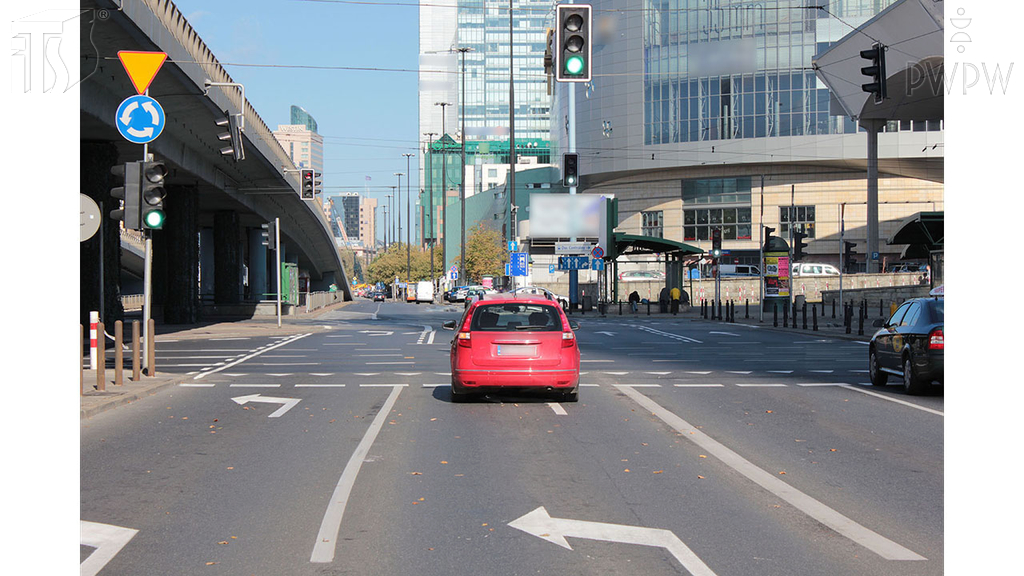 Does this road marking allow you to go straight through the intersection using this lane?КомментарийThe answer requires interpreting the situation shown in the material and applying the appropriate traffic rule. Pay particular attention to the road signs, vehicle positions and their possible paths of travel.Does this road marking allow you to go straight through the intersection using this lane?
-
Does this road marking allow you to make a U-turn?КомментарийIn this situation, read the meaning of the visible sign and apply it to your direction of travel. The appearance of the situation itself does not change the rules established by the road signs.Does this road marking allow you to make a U-turn?
-
Does this road marking allow you to go straight in this lane?КомментарийIn this situation, read the meaning of the visible sign and apply it to your direction of travel. The appearance of the situation itself does not change the rules established by the road signs.Does this road marking allow you to go straight in this lane?
-
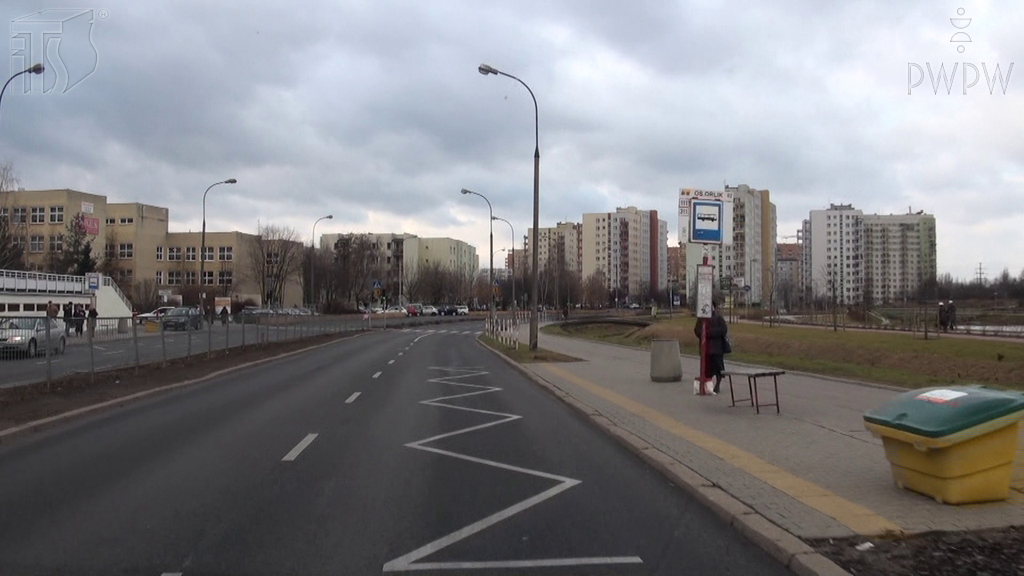 Can you stop a passenger car in a spot designated as a stop area (a zigzag line)?КомментарийThe answer requires interpreting the situation shown in the material and applying the appropriate traffic rule. Pay particular attention to the road signs, vehicle positions and their possible paths of travel.Can you stop a passenger car in a spot designated as a stop area (a zigzag line)?
-
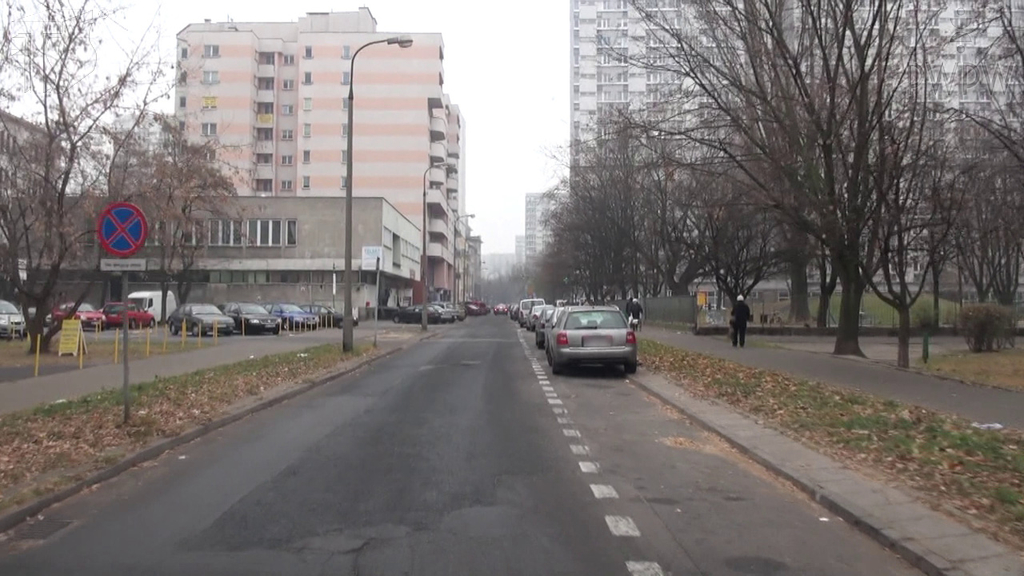 Does this road marking designate a parking lane?КомментарийIn this situation, read the meaning of the visible sign and apply it to your direction of travel. The appearance of the situation itself does not change the rules established by the road signs.Does this road marking designate a parking lane?
-
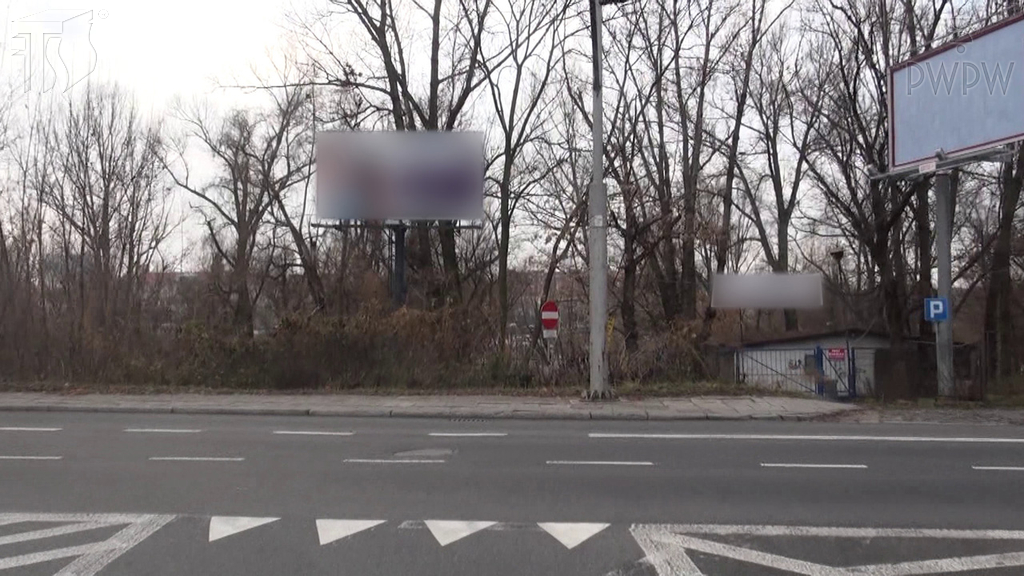 On a line marked by triangular road markings, are you unconditionally obliged to stop the vehicle?КомментарийThe answer requires interpreting the situation shown in the material and applying the appropriate traffic rule. Pay particular attention to the road signs, vehicle positions and their possible paths of travel.On a line marked by triangular road markings, are you unconditionally obliged to stop the vehicle?
-
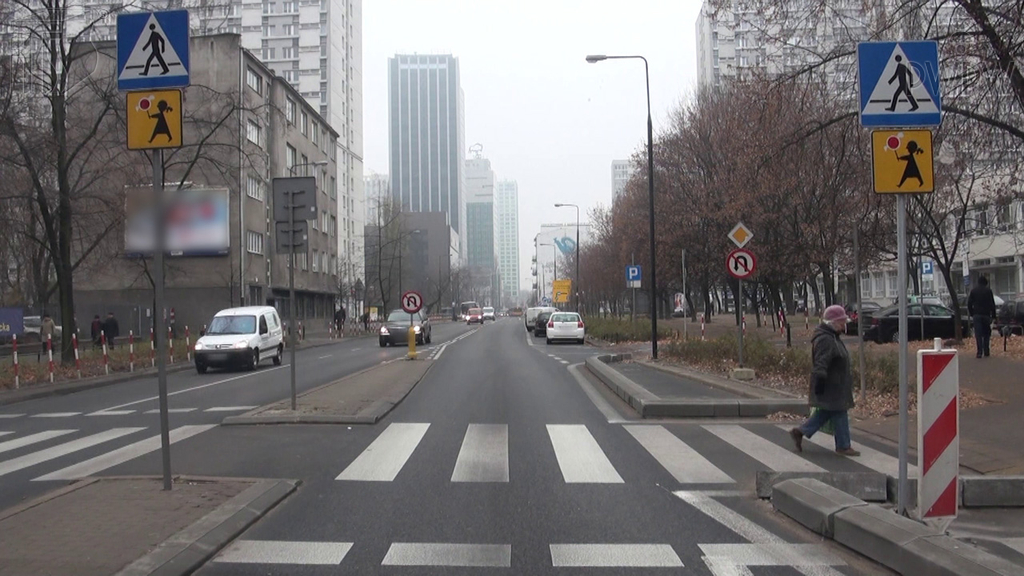 Does a broken line in front of a pedestrian crossing indicate a conditional stopping area?КомментарийThe answer requires interpreting the situation shown in the material and applying the appropriate traffic rule. Pay particular attention to the road signs, vehicle positions and their possible paths of travel.Does a broken line in front of a pedestrian crossing indicate a conditional stopping area?
-
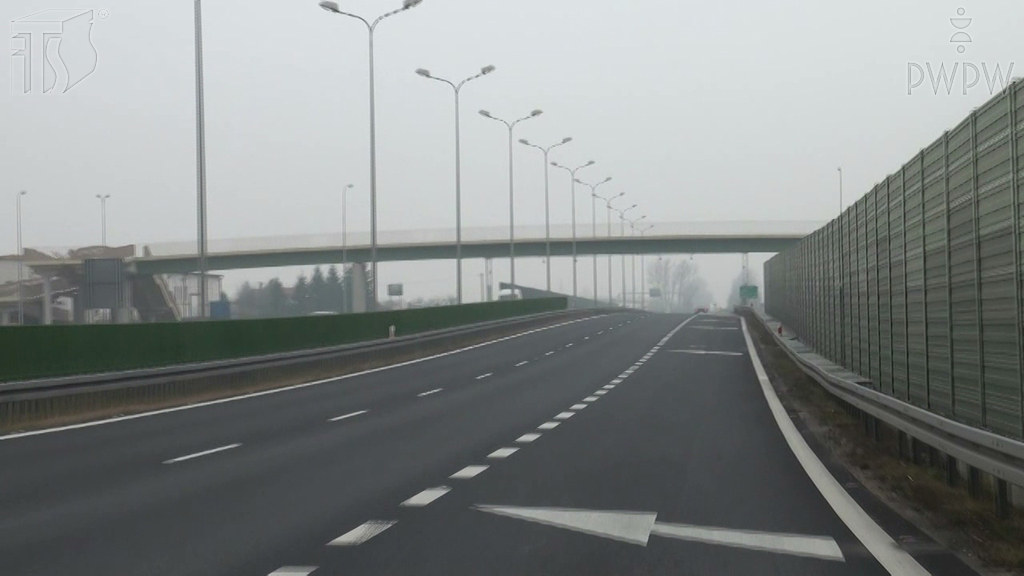 Do the visible road markings in the right lane indicate the start of an exit from the motorway?КомментарийIn this situation, read the meaning of the visible sign and apply it to your direction of travel. The appearance of the situation itself does not change the rules established by the road signs.Do the visible road markings in the right lane indicate the start of an exit from the motorway?
-
Does this signal mean a collision-free left turn?КомментарийWhat matters is the meaning of the signal for your direction of travel and the position of your vehicle relative to the traffic lights. Other road users must still be taken into account while making the manoeuvre.Does this signal mean a collision-free left turn?
-
Can you drive through the pedestrian crossing in this situation?КомментарийThe answer requires interpreting the situation shown in the material and applying the appropriate traffic rule. Pay particular attention to the road signs, vehicle positions and their possible paths of travel.Can you drive through the pedestrian crossing in this situation?
-
Does this signal mean that you can enter a pedestrian crossing and a crossing for cyclists?КомментарийWhat matters is the meaning of the signal for your direction of travel and the position of your vehicle relative to the traffic lights. Other road users must still be taken into account while making the manoeuvre.Does this signal mean that you can enter a pedestrian crossing and a crossing for cyclists?
-
In this situation, can you enter the railway crossing?КомментарийWhether the manoeuvre is permitted depends on road signs, signals, road markings and safety conditions. The manoeuvre may be performed only when all of these elements allow it.In this situation, can you enter the railway crossing?
-
In this situation, do you have the right of way over a tram?КомментарийRight of way must be determined from the road signs, signals and the paths of travel. If priority has not been established, the applicable general rules apply.In this situation, do you have the right of way over a tram?
Test №19
1 / 32 тест


