-
Do you have to be prepared to stop your vehicle when approaching the tram crossing?КомментарийThe answer requires interpreting the situation shown in the material and applying the appropriate traffic rule. Pay particular attention to the road signs, vehicle positions and their possible paths of travel.Do you have to be prepared to stop your vehicle when approaching the tram crossing?
-
Are you obliged in this situation to make sure that there is no tram approaching?КомментарийThe answer requires interpreting the situation shown in the material and applying the appropriate traffic rule. Pay particular attention to the road signs, vehicle positions and their possible paths of travel.Are you obliged in this situation to make sure that there is no tram approaching?
-
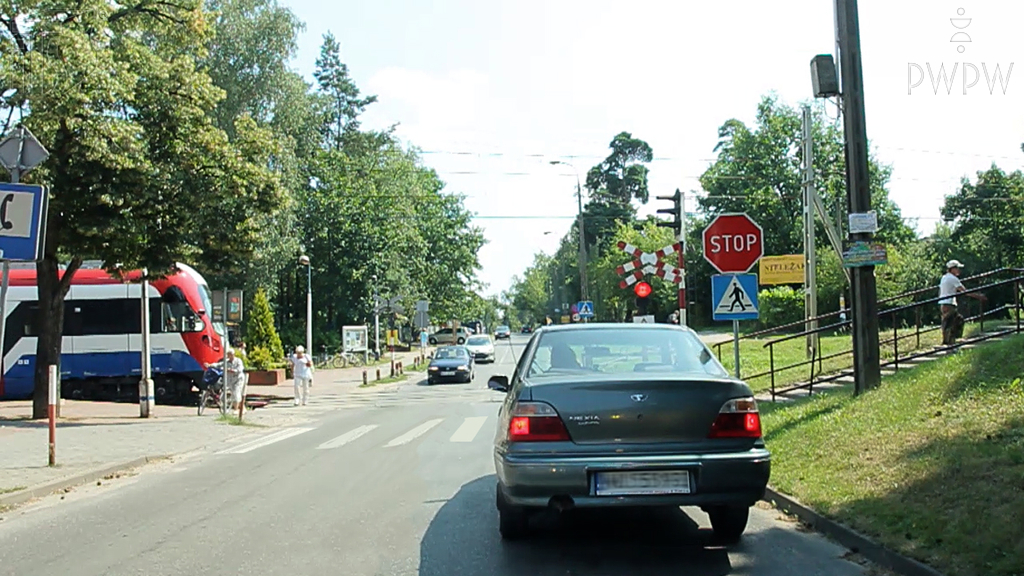 Can you pass the stationary vehicle in this situation?КомментарийThe answer requires interpreting the situation shown in the material and applying the appropriate traffic rule. Pay particular attention to the road signs, vehicle positions and their possible paths of travel.Can you pass the stationary vehicle in this situation?
-
Should you stop behind the stationary vehicle in this situation?КомментарийThe answer requires interpreting the situation shown in the material and applying the appropriate traffic rule. Pay particular attention to the road signs, vehicle positions and their possible paths of travel.Should you stop behind the stationary vehicle in this situation?
-
Are you obliged to stop the vehicle in the presented situation?КомментарийThe obligation to stop follows from the road signs or signal shown in the situation. The vehicle must be stopped at the place required by the rules so that the traffic conditions are not violated.Are you obliged to stop the vehicle in the presented situation?
-
When leaving the slow traffic lane, are you obliged to exercise particular caution?КомментарийParticular caution means increasing attention and adapting your behaviour to the situation so that you can react quickly to a hazard. Simply observing the road is not enough if your speed prevents a safe reaction.When leaving the slow traffic lane, are you obliged to exercise particular caution?
-
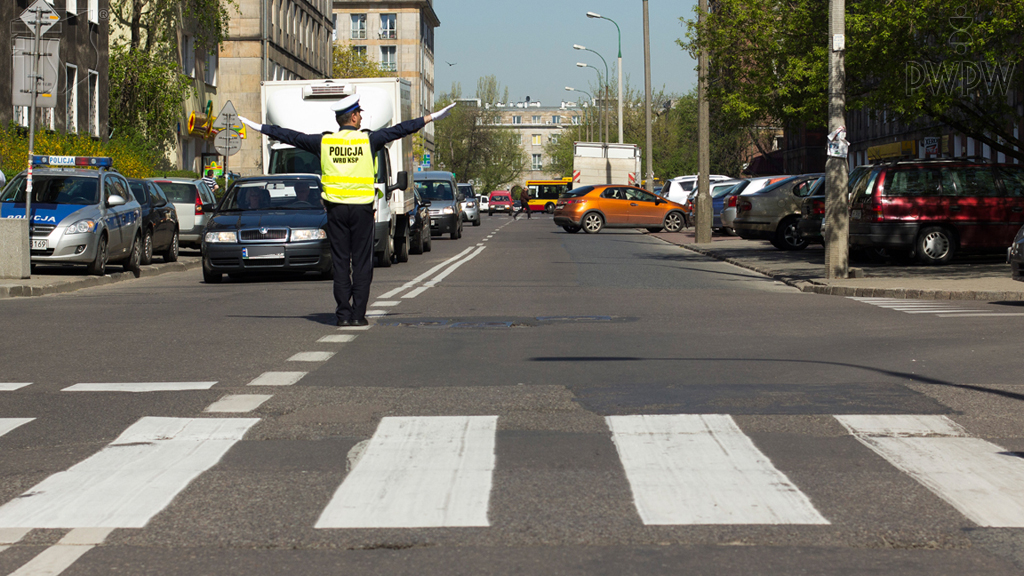 Are you allowed to enter the junction in this situation?КомментарийThe answer requires interpreting the situation shown in the material and applying the appropriate traffic rule. Pay particular attention to the road signs, vehicle positions and their possible paths of travel.Are you allowed to enter the junction in this situation?
-
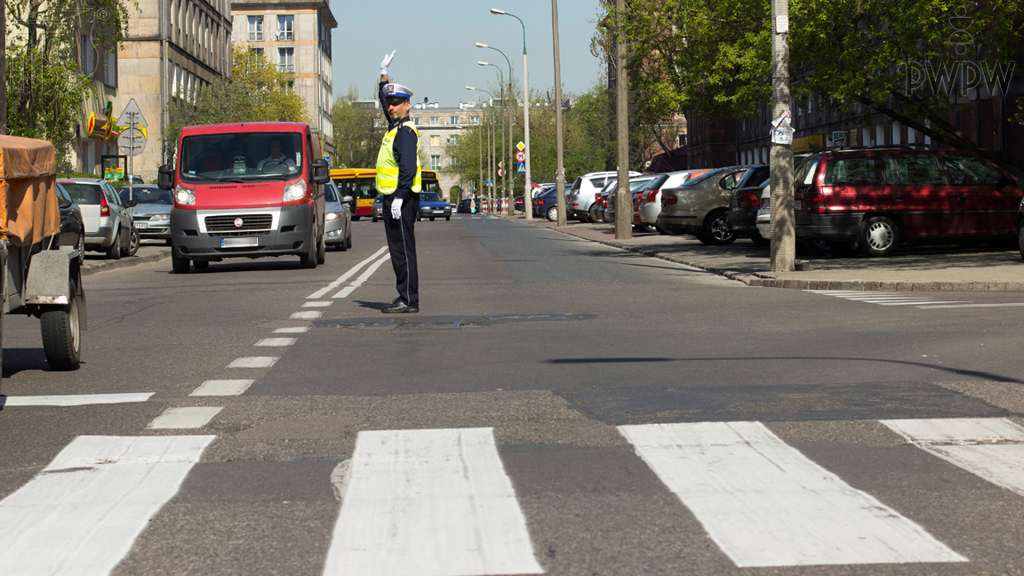 Will a signal be displayed in a moment prohibiting entry?КомментарийWhat matters is the meaning of the signal for your direction of travel and the position of your vehicle relative to the traffic lights. Other road users must still be taken into account while making the manoeuvre.Will a signal be displayed in a moment prohibiting entry?
-
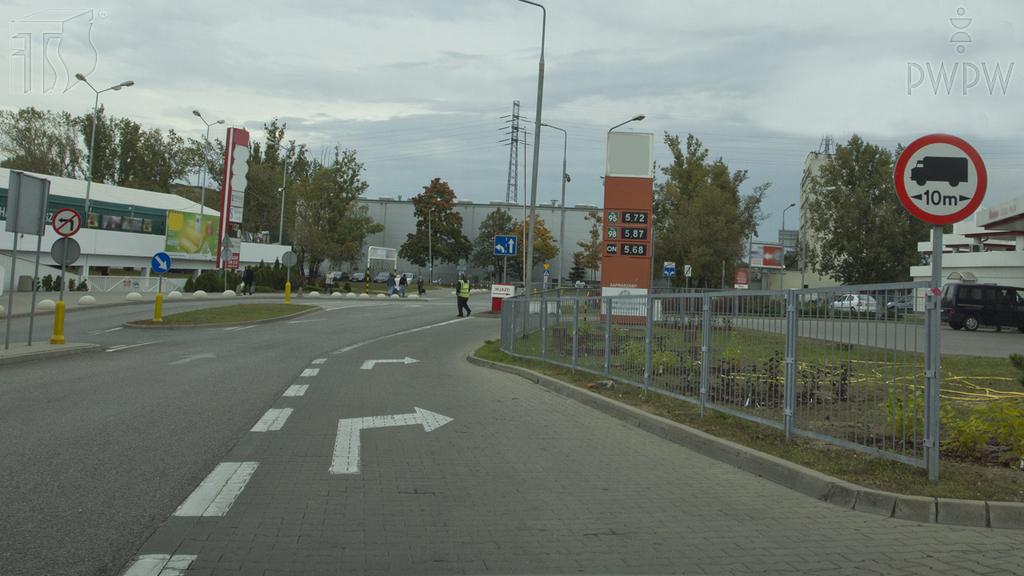 You are driving a combination of vehicles whose total length is 11 metres. Are you allowed to drive into the petrol station beyond this sign?КомментарийThe ESP system helps stabilise the vehicle's path when stability is lost. It can, among other things, brake individual wheels and reduce engine torque.You are driving a combination of vehicles whose total length is 11 metres. Are you allowed to drive into the petrol station beyond this sign?
-
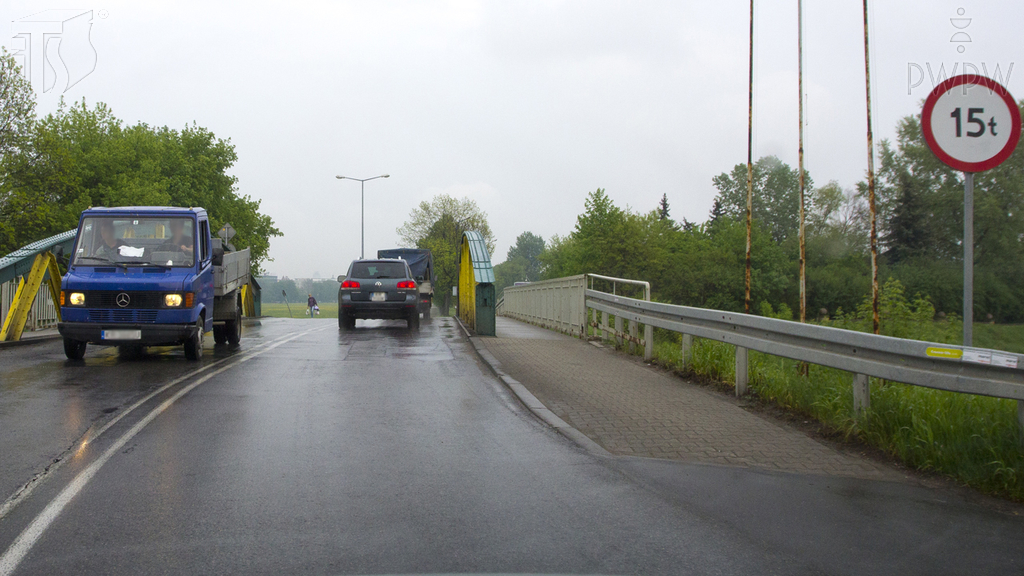 You are driving a vehicle whose gross vehicle weight rating is 16 tones, and whose gross vehicle weight is 14 tones. Are you allowed to drive onto this bridge?КомментарийFor this restriction, consider the vehicle's actual total mass. If the sign refers to actual mass, a vehicle weighing 14 tonnes complies with the restriction even if its permissible maximum mass is 16 tonnes.You are driving a vehicle whose gross vehicle weight rating is 16 tones, and whose gross vehicle weight is 14 tones. Are you allowed to drive onto this bridge?
-
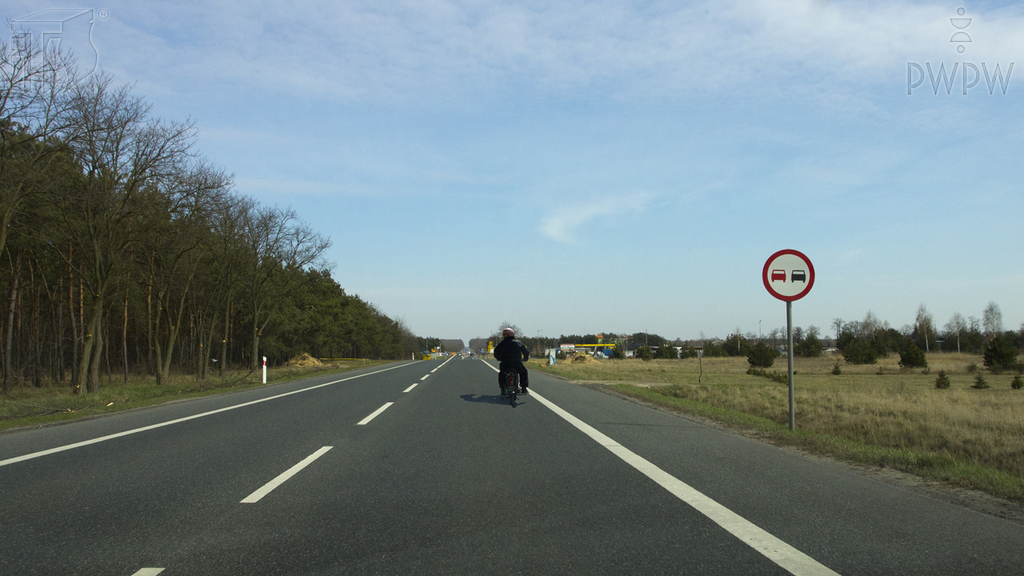 Does this sign prohibit you from overtaking single-track motorcycles?КомментарийIn this situation, read the meaning of the visible sign and apply it to your direction of travel. The appearance of the situation itself does not change the rules established by the road signs.Does this sign prohibit you from overtaking single-track motorcycles?
-
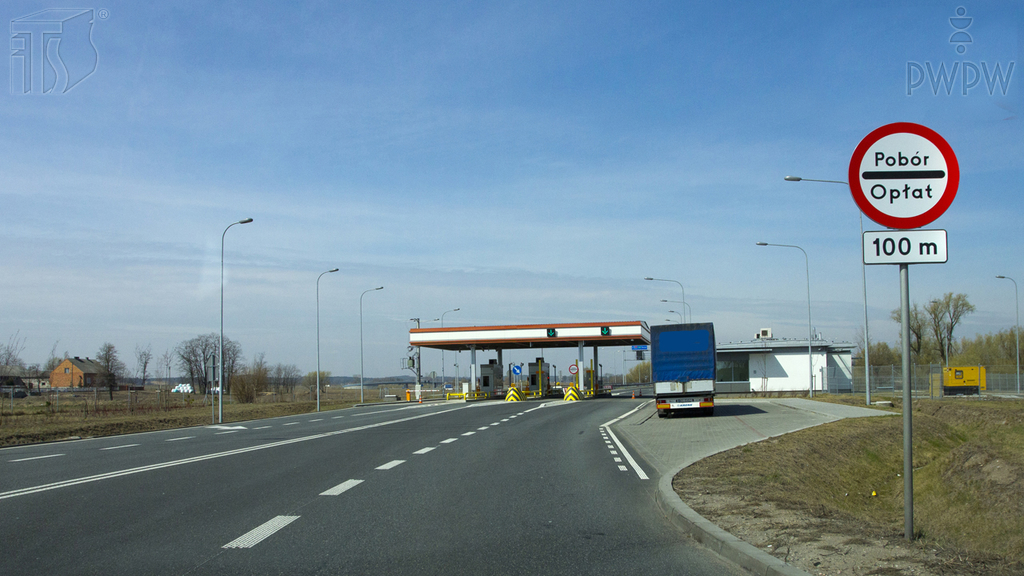 Is the prohibition expressed on this sign obligatory from the place of its mounting?КомментарийIn this situation, read the meaning of the visible sign and apply it to your direction of travel. The appearance of the situation itself does not change the rules established by the road signs.Is the prohibition expressed on this sign obligatory from the place of its mounting?
-
Does the board placed under this prohibitory sign indicate the distance from the place where this sign is obligatory?КомментарийIn this situation, read the meaning of the visible sign and apply it to your direction of travel. The appearance of the situation itself does not change the rules established by the road signs.Does the board placed under this prohibitory sign indicate the distance from the place where this sign is obligatory?
-
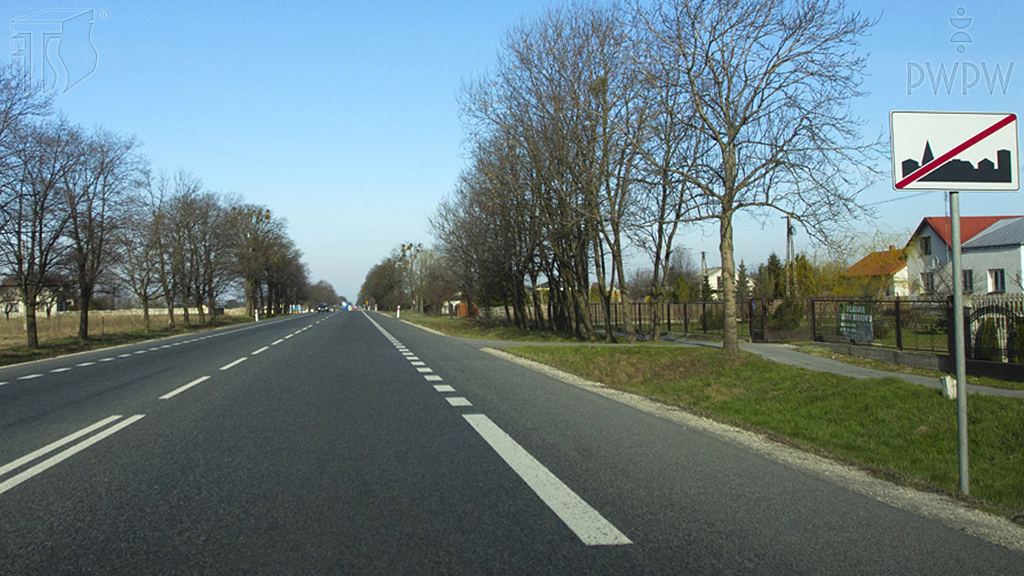 Does this sign indicate the end of the built-up area?КомментарийIn this situation, read the meaning of the visible sign and apply it to your direction of travel. The appearance of the situation itself does not change the rules established by the road signs.Does this sign indicate the end of the built-up area?
-
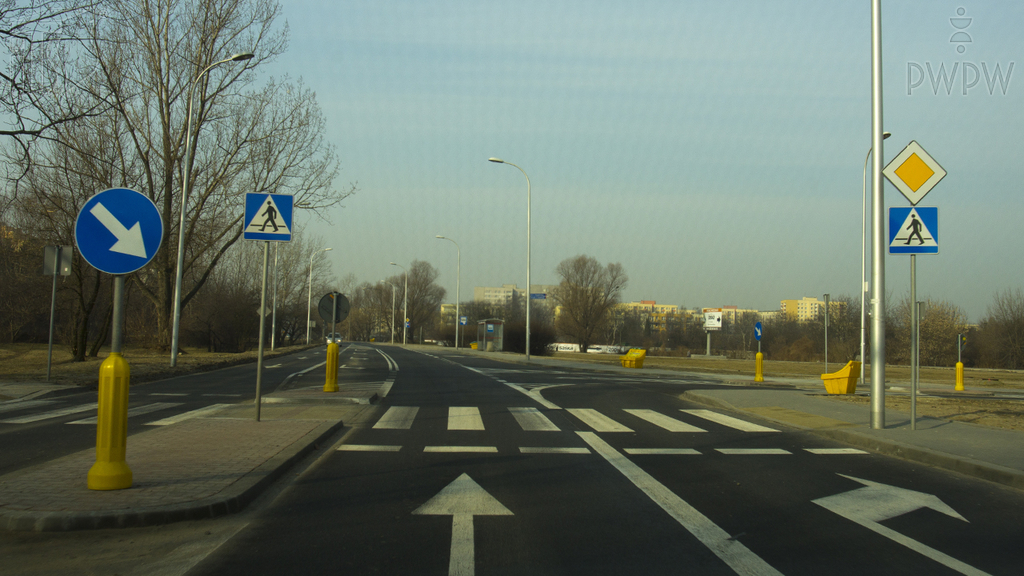 Are you obliged in this situation to slow down when there are no pedestrians on the road?КомментарийThe answer requires interpreting the situation shown in the material and applying the appropriate traffic rule. Pay particular attention to the road signs, vehicle positions and their possible paths of travel.Are you obliged in this situation to slow down when there are no pedestrians on the road?
-
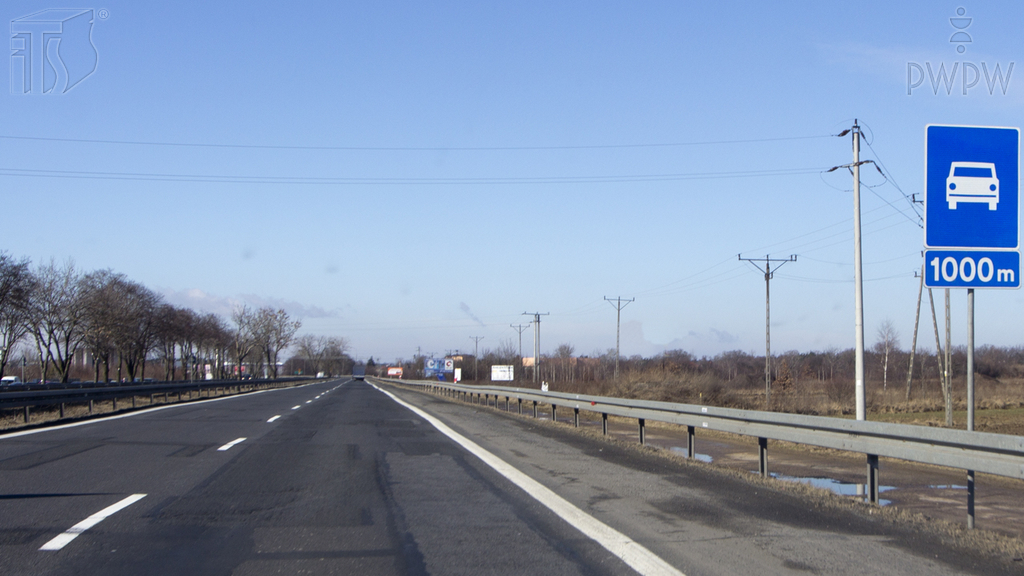 Does the express road begin in 1000 metres from this sign?КомментарийIn this situation, read the meaning of the visible sign and apply it to your direction of travel. The appearance of the situation itself does not change the rules established by the road signs.Does the express road begin in 1000 metres from this sign?
-
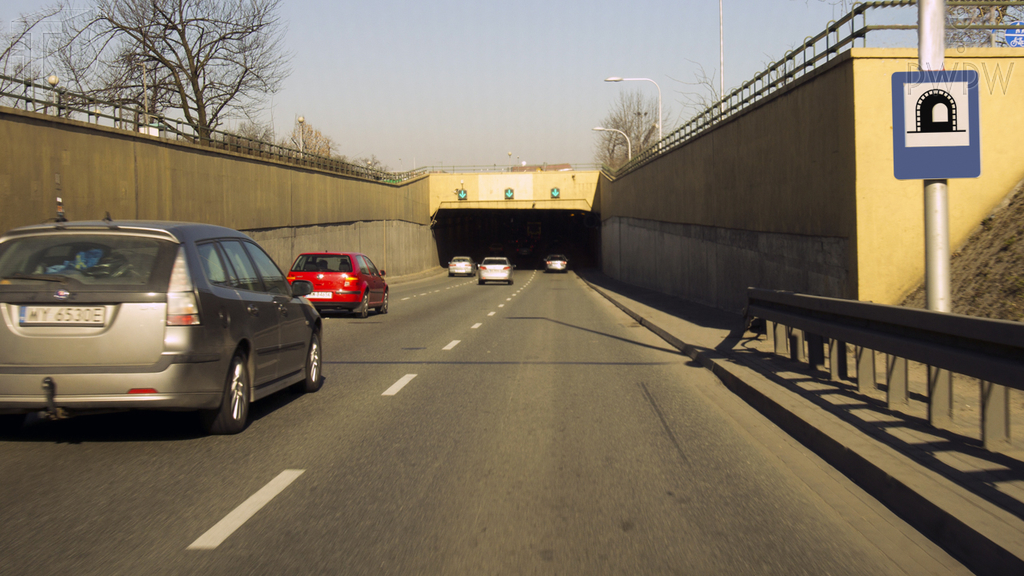 Beyond this sign, are you allowed to stop in any place by the right edge of the roadway to drop off a passenger?КомментарийIn this situation, read the meaning of the visible sign and apply it to your direction of travel. The appearance of the situation itself does not change the rules established by the road signs.Beyond this sign, are you allowed to stop in any place by the right edge of the roadway to drop off a passenger?
-
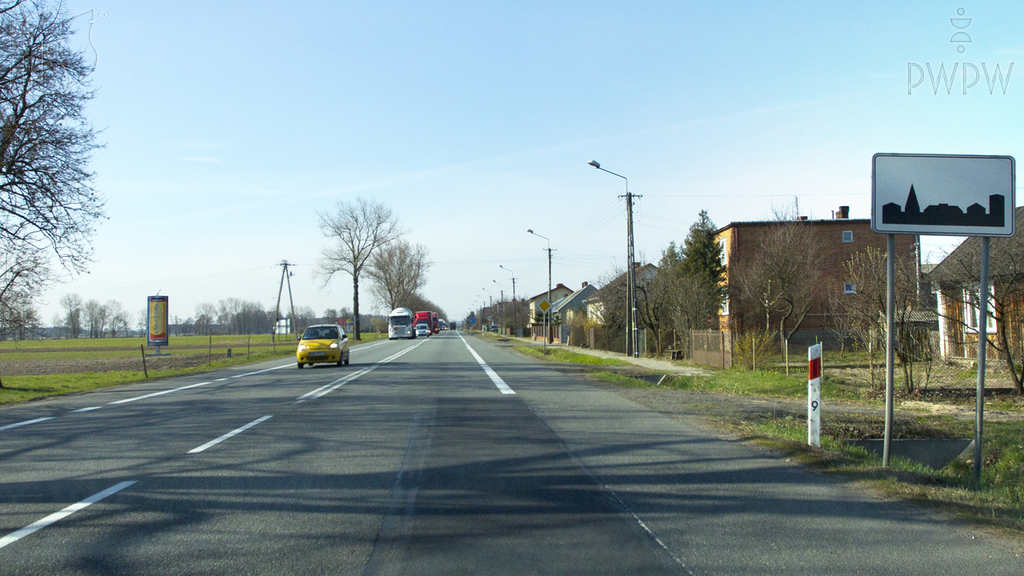 Does this sign indicate the beginning of a built-up area?КомментарийIn this situation, read the meaning of the visible sign and apply it to your direction of travel. The appearance of the situation itself does not change the rules established by the road signs.Does this sign indicate the beginning of a built-up area?
-
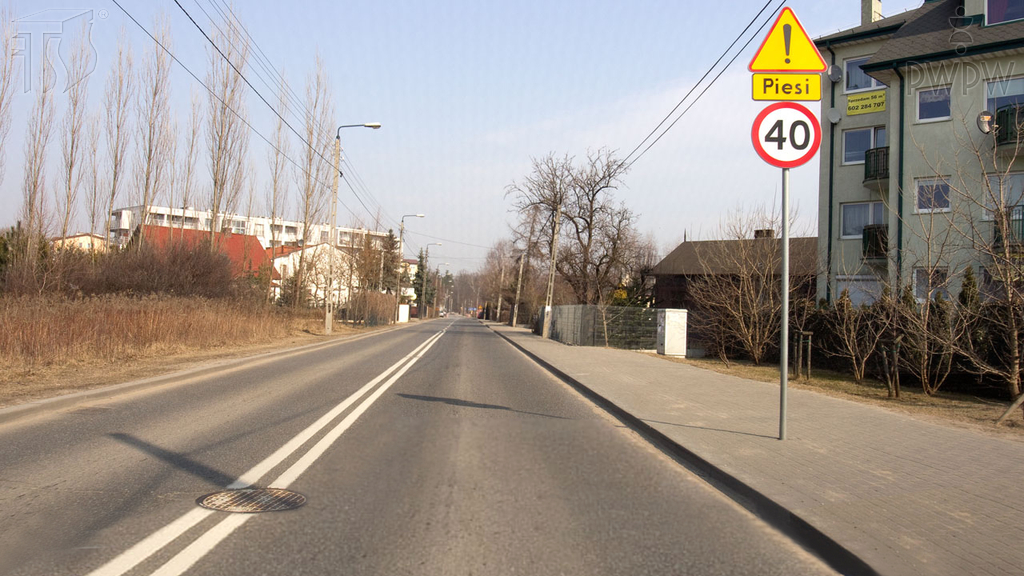 Are you on a two-way road in the presented situation?КомментарийThe answer requires interpreting the situation shown in the material and applying the appropriate traffic rule. Pay particular attention to the road signs, vehicle positions and their possible paths of travel.Are you on a two-way road in the presented situation?
-
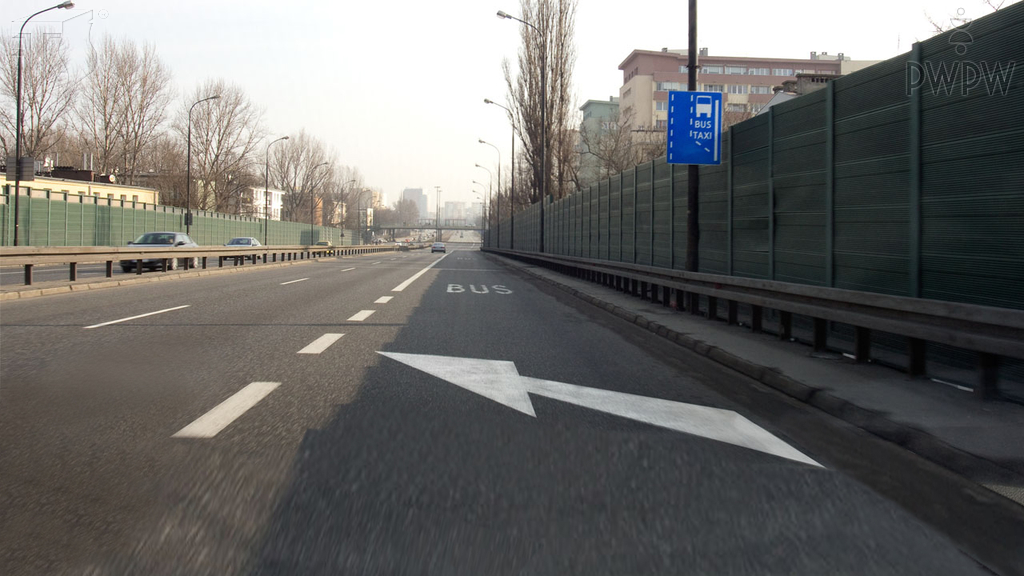 Is the right lane in this situation devoted to any vehicle?КомментарийThe answer requires interpreting the situation shown in the material and applying the appropriate traffic rule. Pay particular attention to the road signs, vehicle positions and their possible paths of travel.Is the right lane in this situation devoted to any vehicle?
-
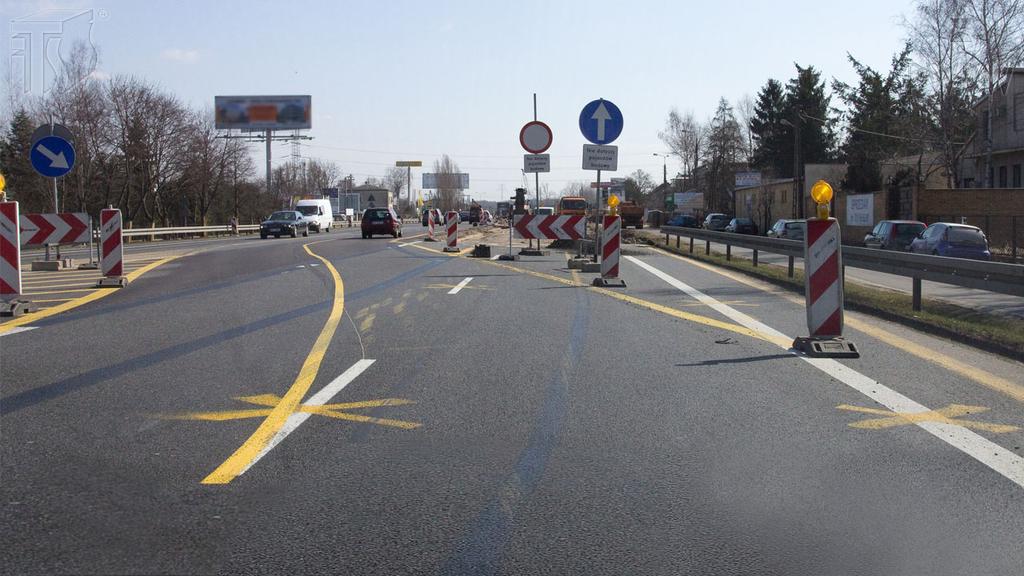 Are you changing the lane if you cross the white dashed line in this situation?КомментарийThe answer requires interpreting the situation shown in the material and applying the appropriate traffic rule. Pay particular attention to the road signs, vehicle positions and their possible paths of travel.Are you changing the lane if you cross the white dashed line in this situation?
-
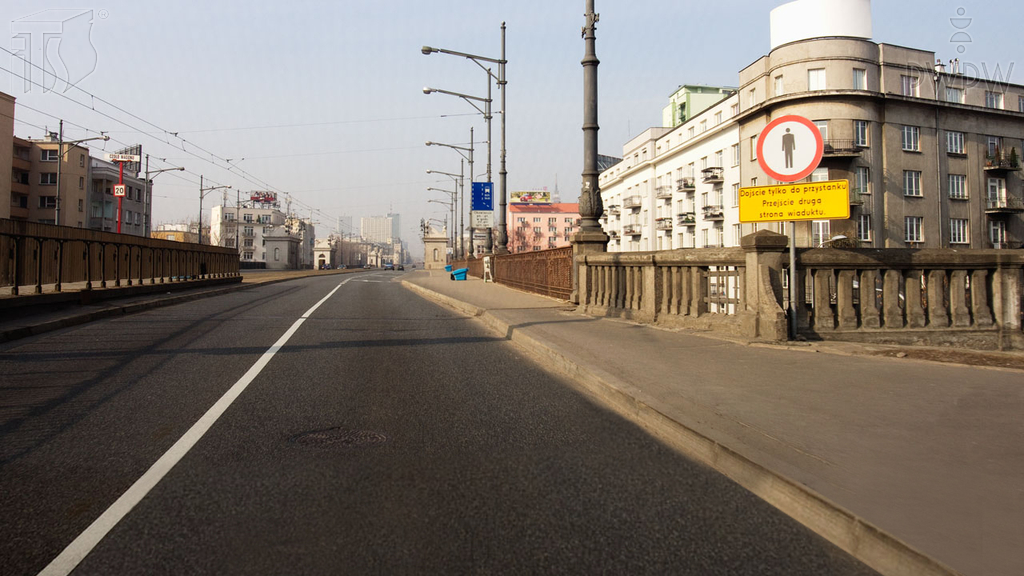 Does this horizontal sign prohibit changing lanes?КомментарийIn this situation, read the meaning of the visible sign and apply it to your direction of travel. The appearance of the situation itself does not change the rules established by the road signs.Does this horizontal sign prohibit changing lanes?
-
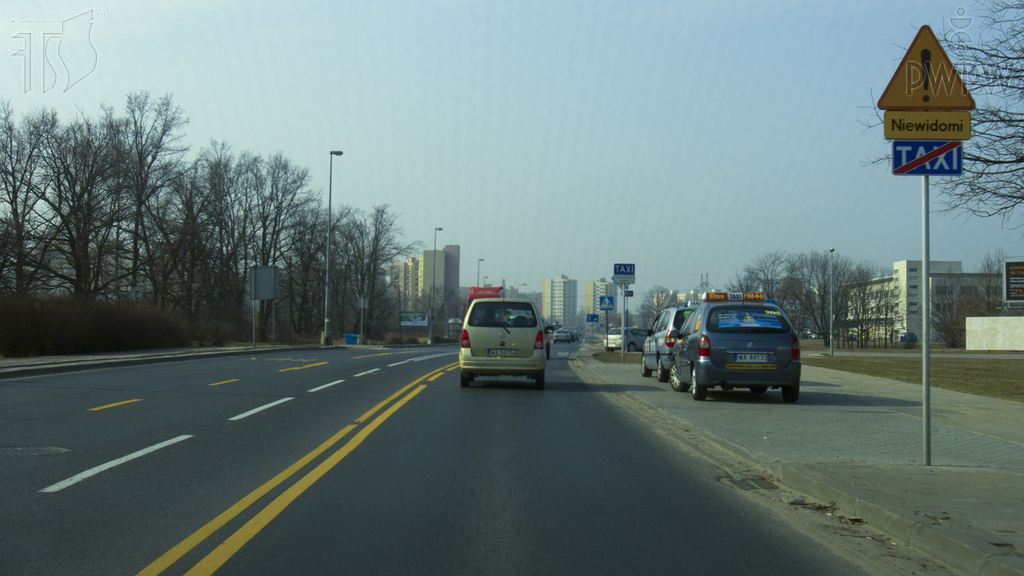 Are you allowed in this situation to use all lanes along the entire width of the roadway?КомментарийWhether the manoeuvre is permitted depends on road signs, signals, road markings and safety conditions. The manoeuvre may be performed only when all of these elements allow it.Are you allowed in this situation to use all lanes along the entire width of the roadway?
-
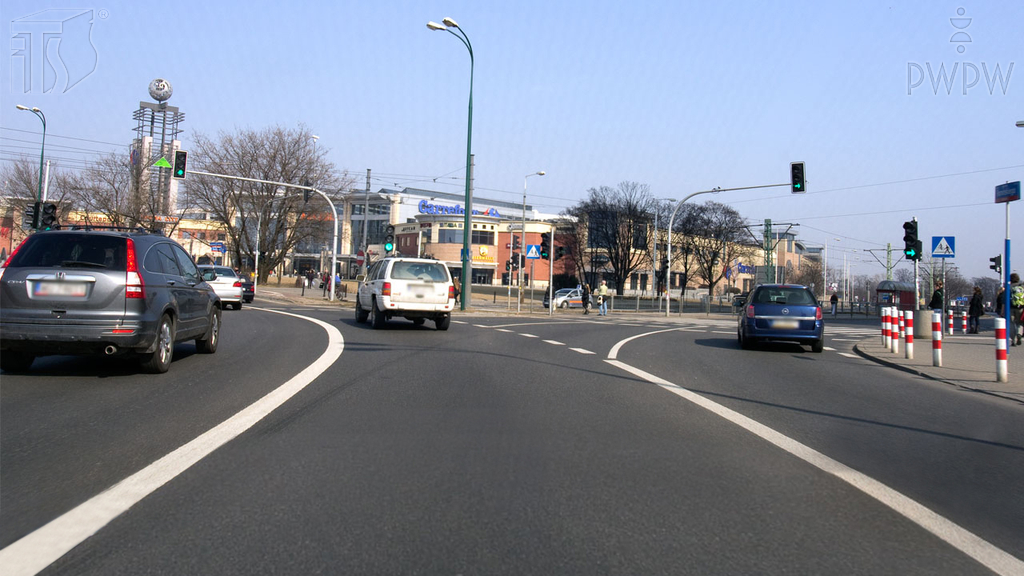 Are you allowed to turn right at this intersection from the lane you are occupying?КомментарийWhether the manoeuvre is permitted depends on road signs, signals, road markings and safety conditions. The manoeuvre may be performed only when all of these elements allow it.Are you allowed to turn right at this intersection from the lane you are occupying?
-
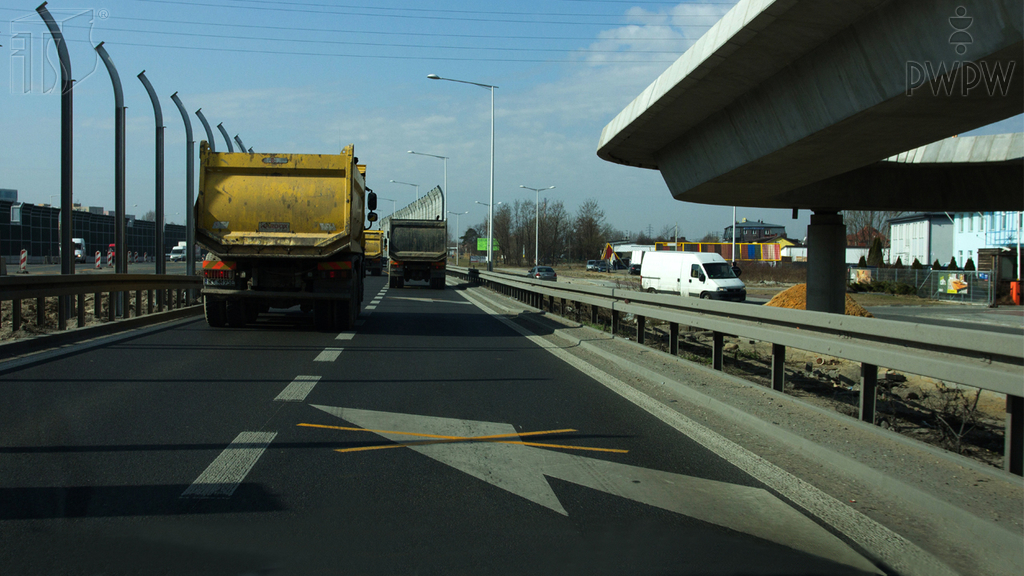 Are you allowed in this situation to change the lane you are occupying?КомментарийWhether the manoeuvre is permitted depends on road signs, signals, road markings and safety conditions. The manoeuvre may be performed only when all of these elements allow it.Are you allowed in this situation to change the lane you are occupying?
-
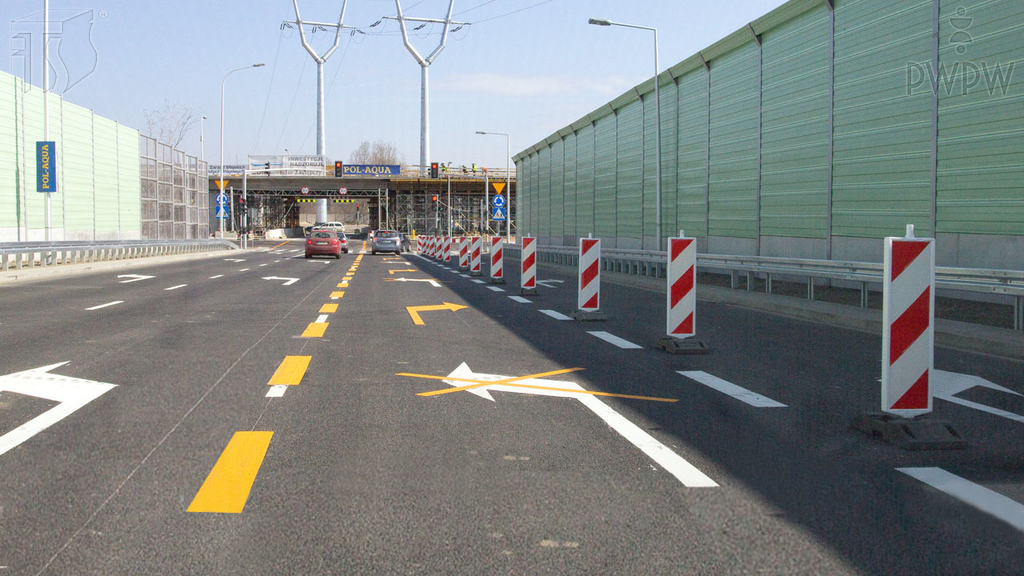 Are you allowed to turn left at the intersection from the lane you are taking?КомментарийWhether the manoeuvre is permitted depends on road signs, signals, road markings and safety conditions. The manoeuvre may be performed only when all of these elements allow it.Are you allowed to turn left at the intersection from the lane you are taking?
-
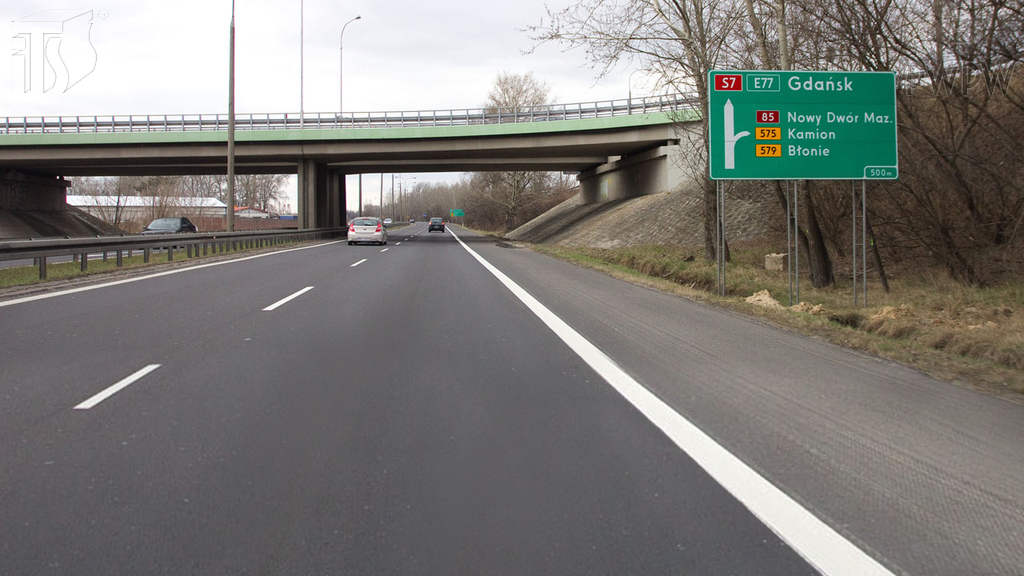 Is stopover of the vehicle allowed on this hard shoulder?КомментарийThe answer requires interpreting the situation shown in the material and applying the appropriate traffic rule. Pay particular attention to the road signs, vehicle positions and their possible paths of travel.Is stopover of the vehicle allowed on this hard shoulder?
-
Are you allowed to stop your vehicle on this hard shoulder?КомментарийThe answer requires interpreting the situation shown in the material and applying the appropriate traffic rule. Pay particular attention to the road signs, vehicle positions and their possible paths of travel.Are you allowed to stop your vehicle on this hard shoulder?
-
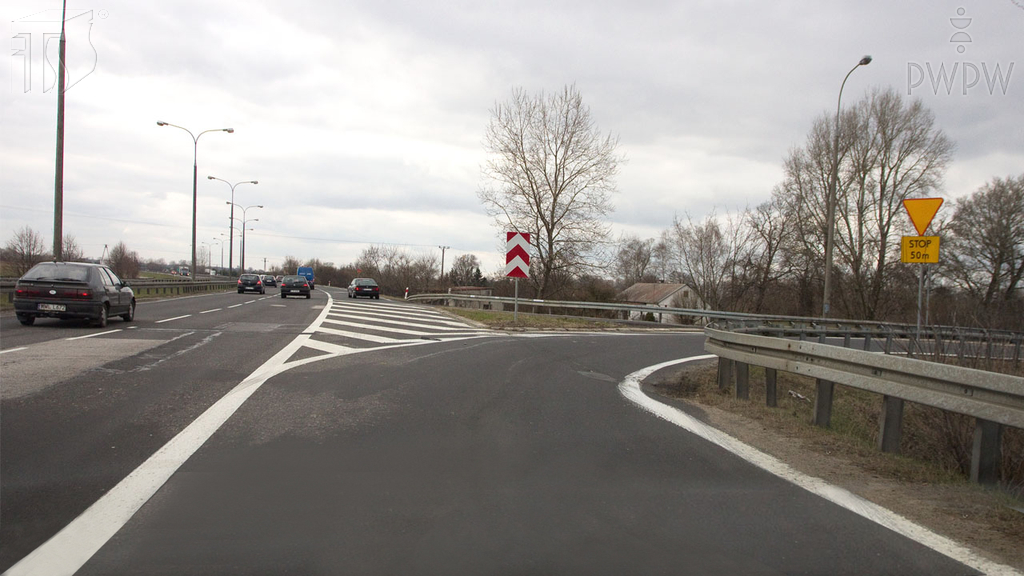 Are you allowed in this situation to change lanes in order to go straight?КомментарийWhether the manoeuvre is permitted depends on road signs, signals, road markings and safety conditions. The manoeuvre may be performed only when all of these elements allow it.Are you allowed in this situation to change lanes in order to go straight?
-
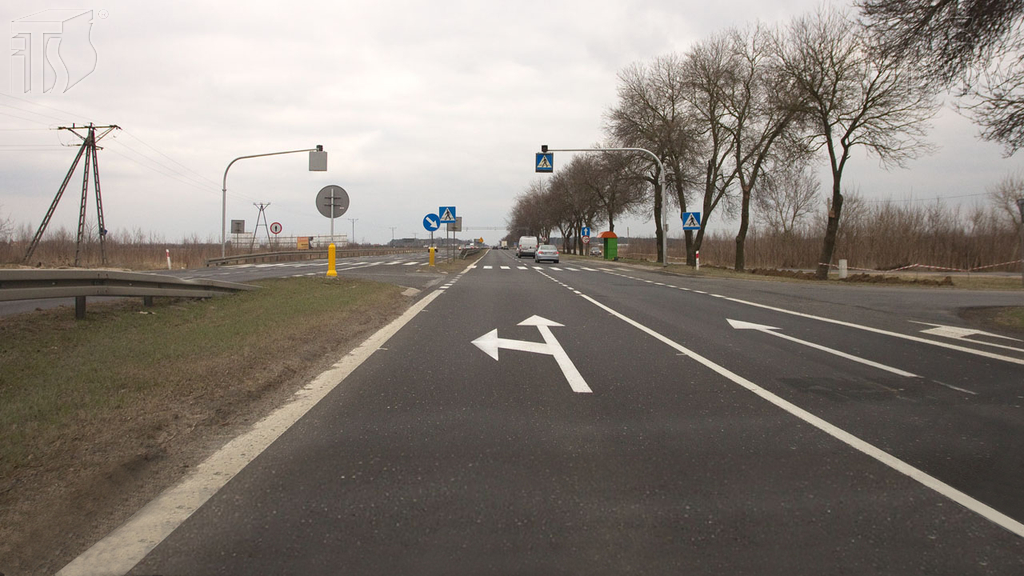 Are you allowed to make a U-turn at this junction in this situation?КомментарийWhether the manoeuvre is permitted depends on road signs, signals, road markings and safety conditions. The manoeuvre may be performed only when all of these elements allow it.Are you allowed to make a U-turn at this junction in this situation?
Test №10
1 / 32 тест


