-
You intend to turn left at the intersection. Are you obliged in this situation to give way to the oncoming vehicle going straight ahead?КомментарийRight of way must be determined from the road signs, signals and the paths of travel. If priority has not been established, the applicable general rules apply.You intend to turn left at the intersection. Are you obliged in this situation to give way to the oncoming vehicle going straight ahead?
-
You intend to turn left at the junction. Do you have to yield the right of way to the oncoming bus going straight?КомментарийRight of way must be determined from the road signs, signals and the paths of travel. If priority has not been established, the applicable general rules apply.You intend to turn left at the junction. Do you have to yield the right of way to the oncoming bus going straight?
-
Are you allowed in this situation to use a warning sound signal?КомментарийWhat matters is the meaning of the signal for your direction of travel and the position of your vehicle relative to the traffic lights. Other road users must still be taken into account while making the manoeuvre.Are you allowed in this situation to use a warning sound signal?
-
Should you begin braking in the presented situation?КомментарийThe point at which braking should begin depends on the distance to the hazard, speed and available grip. Braking must begin early enough to stop before the hazard without a sudden manoeuvre.Should you begin braking in the presented situation?
-
Are you allowed to continue driving without any reaction to the behaviour of the pedestrian?КомментарийWhether you may continue driving depends on the meaning of the sign or signal shown and the road situation. You must not continue if the road signs or signal prohibit it.Are you allowed to continue driving without any reaction to the behaviour of the pedestrian?
-
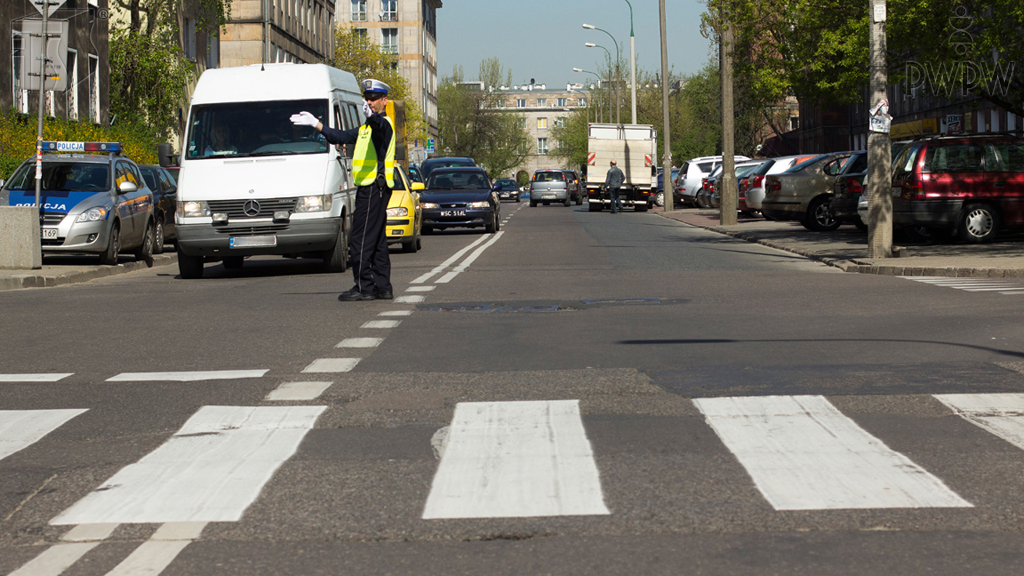 Are you allowed to turn left in this situation?КомментарийThe answer requires interpreting the situation shown in the material and applying the appropriate traffic rule. Pay particular attention to the road signs, vehicle positions and their possible paths of travel.Are you allowed to turn left in this situation?
-
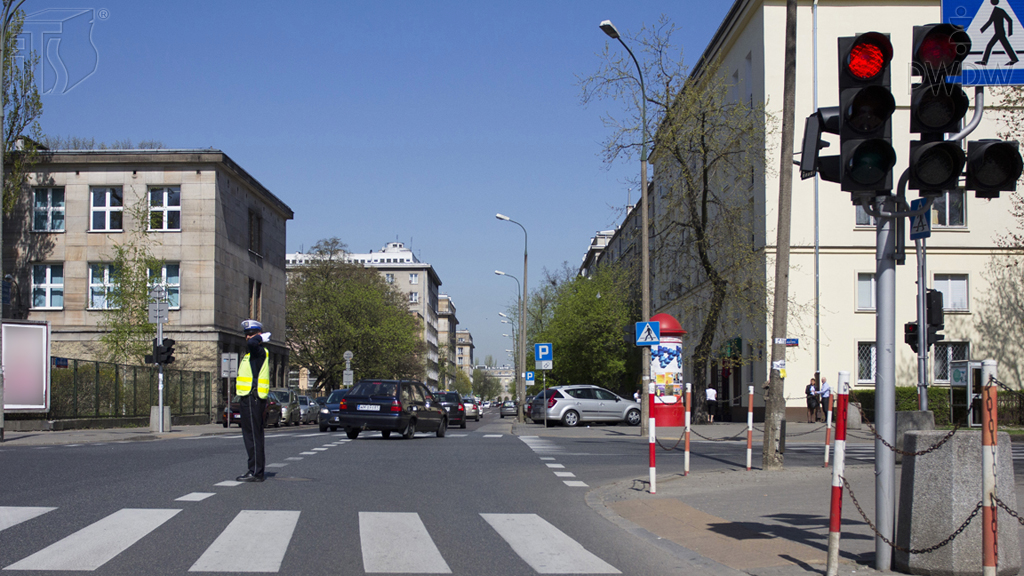 Are you allowed to turn right in this situation?КомментарийWhether the manoeuvre is permitted depends on road signs, signals, road markings and safety conditions. The manoeuvre may be performed only when all of these elements allow it.Are you allowed to turn right in this situation?
-
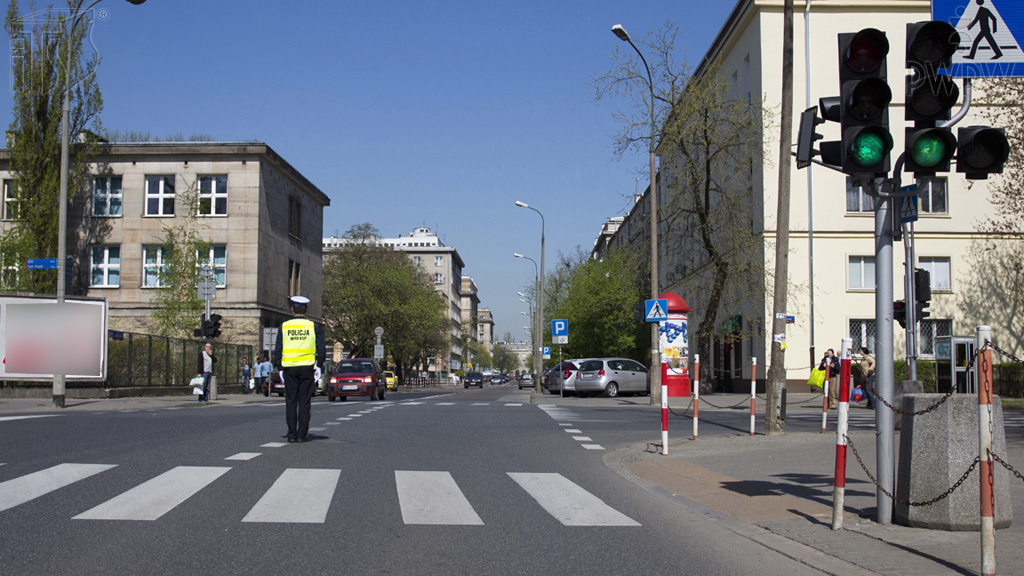 Are you allowed to turn right in this situation?КомментарийWhether the manoeuvre is permitted depends on road signs, signals, road markings and safety conditions. The manoeuvre may be performed only when all of these elements allow it.Are you allowed to turn right in this situation?
-
Can you pass the stationary obstacle by using the part of the road intended only for the oncoming vehicles?КомментарийThe answer requires interpreting the situation shown in the material and applying the appropriate traffic rule. Pay particular attention to the road signs, vehicle positions and their possible paths of travel.Can you pass the stationary obstacle by using the part of the road intended only for the oncoming vehicles?
-
Is slowing down justifiable in this this situation?КомментарийThe answer requires interpreting the situation shown in the material and applying the appropriate traffic rule. Pay particular attention to the road signs, vehicle positions and their possible paths of travel.Is slowing down justifiable in this this situation?
-
Are you properly preparing to drive past in this situation?КомментарийThe answer requires interpreting the situation shown in the material and applying the appropriate traffic rule. Pay particular attention to the road signs, vehicle positions and their possible paths of travel.Are you properly preparing to drive past in this situation?
-
Should you stop your vehicle when the oncoming vehicle is passing?КомментарийThe obligation to stop follows from the road signs or signal shown in the situation. The vehicle must be stopped at the place required by the rules so that the traffic conditions are not violated.Should you stop your vehicle when the oncoming vehicle is passing?
-
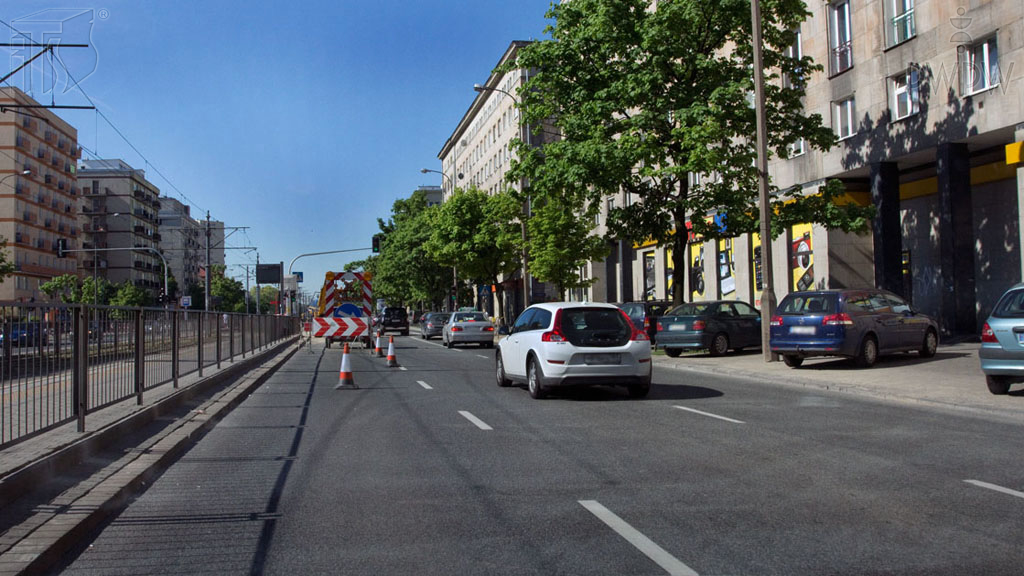 Are you obliged to assess the situation behind the vehicle on the remaining lanes before passing this stationary obstacle?КомментарийThe answer requires interpreting the situation shown in the material and applying the appropriate traffic rule. Pay particular attention to the road signs, vehicle positions and their possible paths of travel.Are you obliged to assess the situation behind the vehicle on the remaining lanes before passing this stationary obstacle?
-
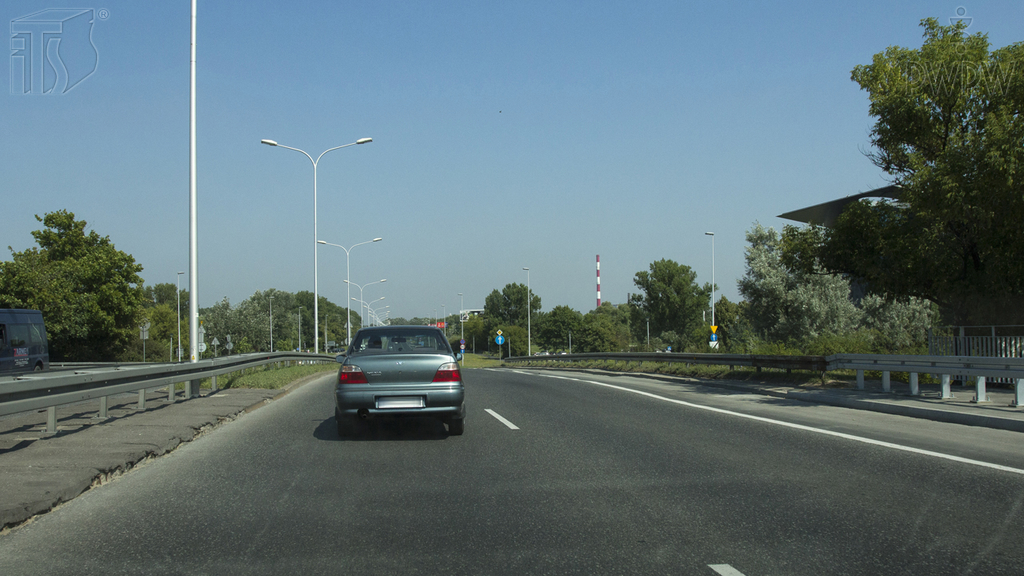 You are driving outside a built-up area on a one-way road. Can you overtake the vehicle on the right?КомментарийThe answer requires interpreting the situation shown in the material and applying the appropriate traffic rule. Pay particular attention to the road signs, vehicle positions and their possible paths of travel.You are driving outside a built-up area on a one-way road. Can you overtake the vehicle on the right?
-
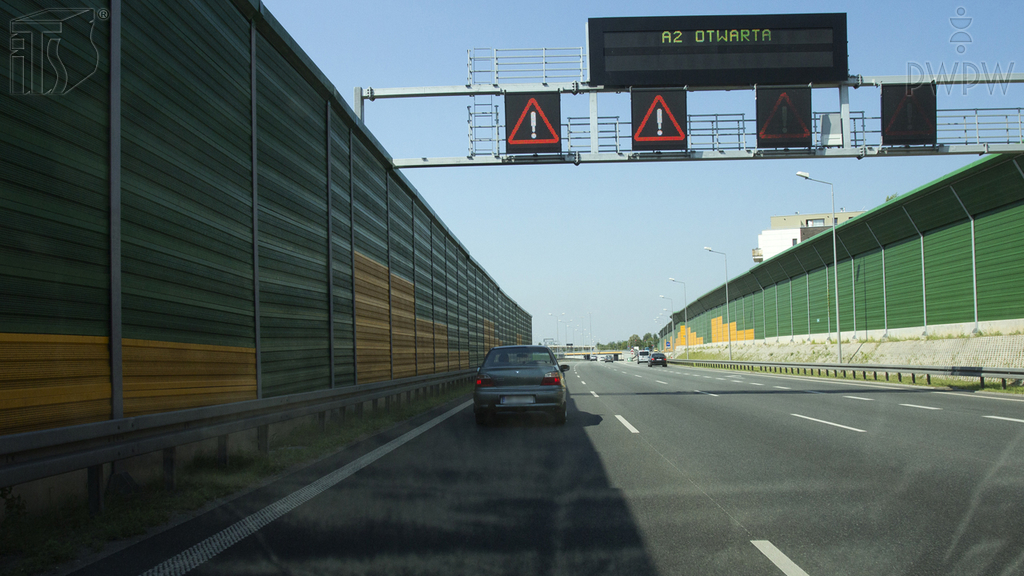 Are you allowed to overtake a vehicle on the right in this section of the one-way road?КомментарийWhether the manoeuvre is permitted depends on road signs, signals, road markings and safety conditions. The manoeuvre may be performed only when all of these elements allow it.Are you allowed to overtake a vehicle on the right in this section of the one-way road?
-
Are you obliged in this situation to exercise particular caution when driving from the road into the property?КомментарийParticular caution means increasing attention and adapting your behaviour to the situation so that you can react quickly to a hazard. Simply observing the road is not enough if your speed prevents a safe reaction.Are you obliged in this situation to exercise particular caution when driving from the road into the property?
-
When emerging from the property onto the road, are you obliged to exercise particular caution?КомментарийParticular caution means increasing attention and adapting your behaviour to the situation so that you can react quickly to a hazard. Simply observing the road is not enough if your speed prevents a safe reaction.When emerging from the property onto the road, are you obliged to exercise particular caution?
-
When emerging from the dirt road onto the hard surface road, are you obliged to exercise particular caution?КомментарийParticular caution means increasing attention and adapting your behaviour to the situation so that you can react quickly to a hazard. Simply observing the road is not enough if your speed prevents a safe reaction.When emerging from the dirt road onto the hard surface road, are you obliged to exercise particular caution?
-
When entering the roadway in the presented situation should you exercise particular caution?КомментарийThe answer requires interpreting the situation shown in the material and applying the appropriate traffic rule. Pay particular attention to the road signs, vehicle positions and their possible paths of travel.When entering the roadway in the presented situation should you exercise particular caution?
-
Are you obliged to exercise particular caution when turning right in this situation?КомментарийParticular caution means increasing attention and adapting your behaviour to the situation so that you can react quickly to a hazard. Simply observing the road is not enough if your speed prevents a safe reaction.Are you obliged to exercise particular caution when turning right in this situation?
-
Are you obliged to exercise particular caution in this situation?КомментарийParticular caution means increasing attention and adapting your behaviour to the situation so that you can react quickly to a hazard. Simply observing the road is not enough if your speed prevents a safe reaction.Are you obliged to exercise particular caution in this situation?
-
Are you obliged to exercise particular caution in the presented situation?КомментарийThe answer requires interpreting the situation shown in the material and applying the appropriate traffic rule. Pay particular attention to the road signs, vehicle positions and their possible paths of travel.Are you obliged to exercise particular caution in the presented situation?
-
Are you exempt from the duty to exercise particular caution in the presented situation?КомментарийThe answer requires interpreting the situation shown in the material and applying the appropriate traffic rule. Pay particular attention to the road signs, vehicle positions and their possible paths of travel.Are you exempt from the duty to exercise particular caution in the presented situation?
-
Are you obliged to exercise particular caution when driving in the fog?КомментарийParticular caution means increasing attention and adapting your behaviour to the situation so that you can react quickly to a hazard. Simply observing the road is not enough if your speed prevents a safe reaction.Are you obliged to exercise particular caution when driving in the fog?
-
When passing the presented vehicle are you obliged to exercise particular caution?КомментарийParticular caution means increasing attention and adapting your behaviour to the situation so that you can react quickly to a hazard. Simply observing the road is not enough if your speed prevents a safe reaction.When passing the presented vehicle are you obliged to exercise particular caution?
-
When driving behind the vehicle marked in such a way are you obliged to exercise particular caution?КомментарийParticular caution means increasing attention and adapting your behaviour to the situation so that you can react quickly to a hazard. Simply observing the road is not enough if your speed prevents a safe reaction.When driving behind the vehicle marked in such a way are you obliged to exercise particular caution?
-
Do you have to exercise particular caution when approaching the stopping place of a vehicle marked in such a way?КомментарийParticular caution means increasing attention and adapting your behaviour to the situation so that you can react quickly to a hazard. Simply observing the road is not enough if your speed prevents a safe reaction.Do you have to exercise particular caution when approaching the stopping place of a vehicle marked in such a way?
-
Are you obliged to stop the vehicle in this situation?КомментарийThe obligation to stop follows from the road signs or signal shown in the situation. The vehicle must be stopped at the place required by the rules so that the traffic conditions are not violated.Are you obliged to stop the vehicle in this situation?
-
Are you obliged to exercise particular caution when passing a vehicle marked in such a way?КомментарийParticular caution means increasing attention and adapting your behaviour to the situation so that you can react quickly to a hazard. Simply observing the road is not enough if your speed prevents a safe reaction.Are you obliged to exercise particular caution when passing a vehicle marked in such a way?
Test №8
1 / 32 тест


