-
You are intend to go straight on and the motorcyclist intends to turn left. Do you have to yield the right of way to him?КомментарийWhen turning left, the driver must take into account an oncoming vehicle travelling straight ahead. Priority follows from the crossing paths of travel, not from the type of vehicle.You are intend to go straight on and the motorcyclist intends to turn left. Do you have to yield the right of way to him?
-
You intend to go straight on and the driver of the oncoming vehicle intends to turn left. Do you have the right of way over him?КомментарийRight of way must be determined from the road signs, signals and the paths of travel. If priority has not been established, the applicable general rules apply.You intend to go straight on and the driver of the oncoming vehicle intends to turn left. Do you have the right of way over him?
-
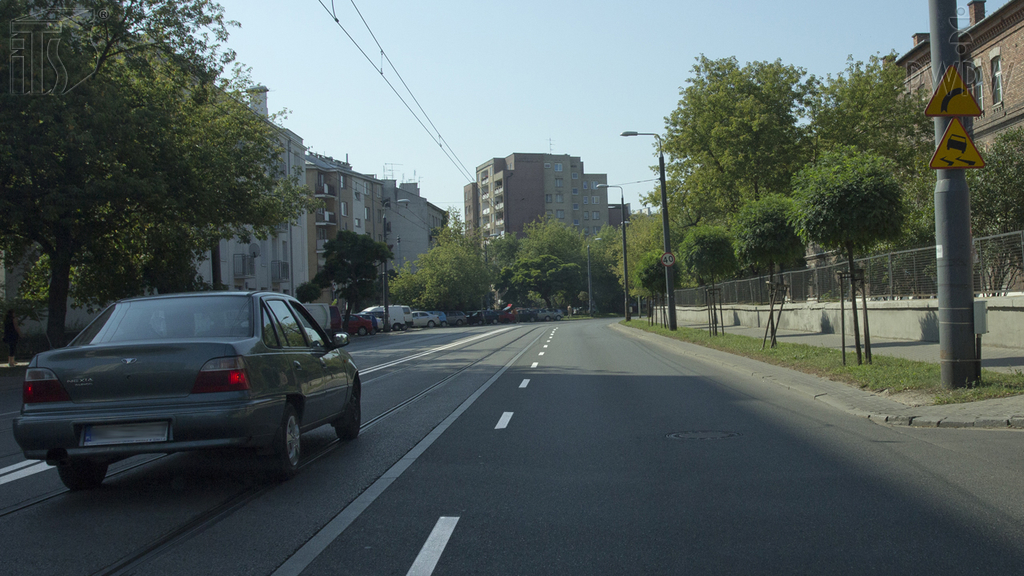 You have just been overtaken by the vehicle in front of you. Are you allowed to increase your speed immediately after being overtaken?КомментарийAfter being overtaken, do not accelerate in a way that makes it difficult for the overtaking vehicle to complete the manoeuvre safely. The distance and speed should allow it to return to its lane safely.You have just been overtaken by the vehicle in front of you. Are you allowed to increase your speed immediately after being overtaken?
-
Are you obliged to stop when the need be while passing the stationary obstacle?КомментарийPassing an obstacle requires adapting your speed to visibility and the road situation. If safe completion of the manoeuvre requires it, stop the vehicle and wait until it is safe to proceed.Are you obliged to stop when the need be while passing the stationary obstacle?
-
Do you have to exercise particular caution when passing a stationary object in this situation?КомментарийPassing an obstacle carries an increased risk of pedestrians or vehicles suddenly appearing from behind it. Therefore, reduce speed and observe the area beyond the obstacle.Do you have to exercise particular caution when passing a stationary object in this situation?
-
Does this line indicate the place you must stop before entering the intersection?КомментарийThe road markings before the intersection indicate the mandatory stopping place. Stop before the line or sign according to its position.Does this line indicate the place you must stop before entering the intersection?
-
Does this line indicate the stop spot that ensures the best visibility at the intersection?КомментарийIf the stop line is before the intersection, the stop should provide the required safety. If a better view of the situation is necessary, you may move farther forward only when the rules and road markings allow it.Does this line indicate the stop spot that ensures the best visibility at the intersection?
-
Are you obliged to stop in the indicated place even when you have made sure that there are no other vehicles driving on the main road?КомментарийRight of way must be determined from the road signs, signals and the paths of travel. If priority has not been established, the applicable general rules apply.Are you obliged to stop in the indicated place even when you have made sure that there are no other vehicles driving on the main road?
-
Are you allowed in this situation to drive onto the lane by the right edge of the road?КомментарийWhether the manoeuvre is permitted depends on road signs, signals, road markings and safety conditions. The manoeuvre may be performed only when all of these elements allow it.Are you allowed in this situation to drive onto the lane by the right edge of the road?
-
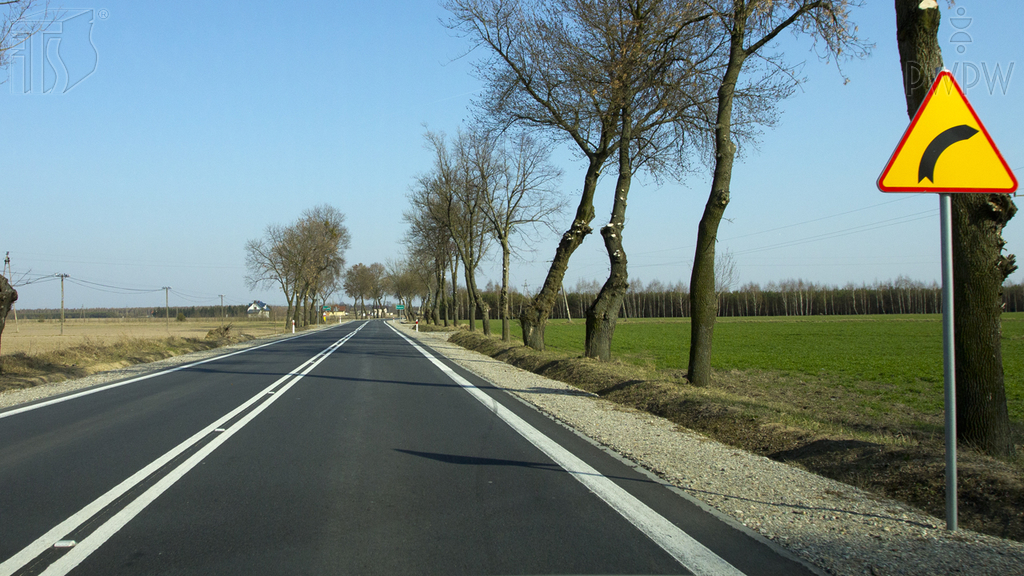 Are you warned in this situation of a single dangerous bend to the right?КомментарийThe sign warns of a dangerous bend in the direction shown by its symbol. Before the bend, reduce speed according to the conditions and be prepared for limited visibility.Are you warned in this situation of a single dangerous bend to the right?
-
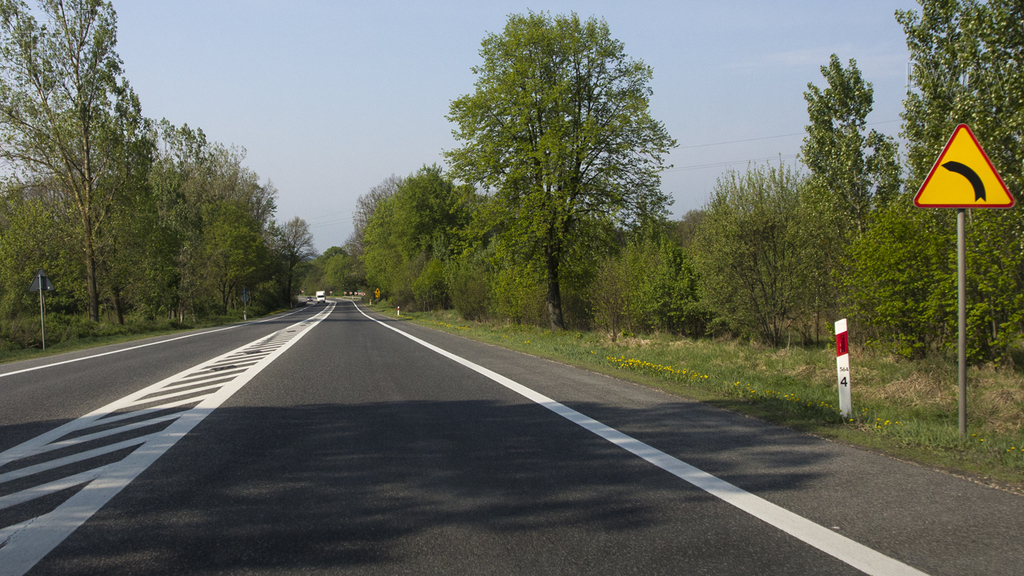 Are you warned in this situation of a few dangerous bends to the left?КомментарийA warning of several bends indicates a section where further changes of direction are expected. Adjust your speed for the entire section, not only for the first bend.Are you warned in this situation of a few dangerous bends to the left?
-
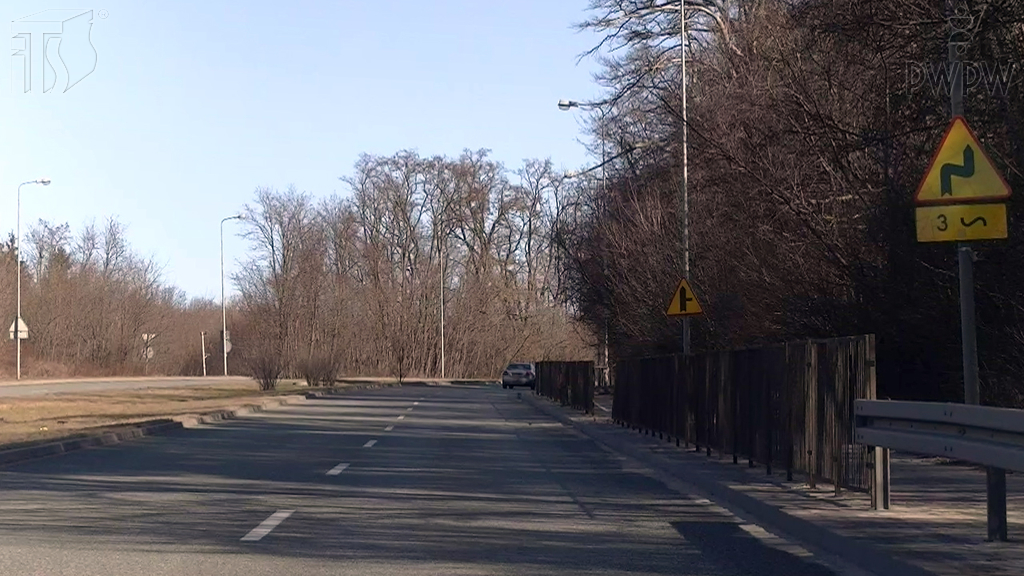 Are you warned in this situation of two dangerous bends?КомментарийThe sign indicates a series of two dangerous bends. The driver should take both bends into account and should not accelerate between them when the conditions do not allow it.Are you warned in this situation of two dangerous bends?
-
org.jpg) Are you warned in this situation of two dangerous bends, the first to the left?КомментарийThe sign indicates a series of two dangerous bends. The driver should take both bends into account and should not accelerate between them when the conditions do not allow it.Are you warned in this situation of two dangerous bends, the first to the left?
-
org.jpg) Are you warned in this situation of an intersection where there are no right of way signs?КомментарийIf priority is not established by signs or signals, the rules for an intersection of roads with equal priority apply, in particular the rule giving priority to a vehicle approaching from the right.Are you warned in this situation of an intersection where there are no right of way signs?
-
Should you begin braking your vehicle in this situation?КомментарийThe point at which braking should begin depends on the distance to the hazard, speed and available grip. Braking must begin early enough to stop before the hazard without a sudden manoeuvre.Should you begin braking your vehicle in this situation?
-
You are driving a vehicle at the speed of 30 km/h. Should you stop the vehicle before the traffic lights in this situation?КомментарийThe need to stop is determined by the current signal and the vehicle's position relative to the traffic lights, not simply by a speed of 30 km/h. Assess whether the stop can be made safely and in accordance with the signal.You are driving a vehicle at the speed of 30 km/h. Should you stop the vehicle before the traffic lights in this situation?
-
You intend to turn left. Do you have to yield the right of way to the vehicle approaching from the right?КомментарийAt an intersection of roads with equal priority, the right-hand rule applies unless priority has been changed by signs or signals. When turning left, you must also take oncoming vehicles into account.You intend to turn left. Do you have to yield the right of way to the vehicle approaching from the right?
-
You intend to go straight on. Do you have to yield the right of way to the vehicle approaching from the right?КомментарийAt an intersection of roads with equal priority, the right-hand rule applies unless priority has been changed by signs or signals. When turning left, you must also take oncoming vehicles into account.You intend to go straight on. Do you have to yield the right of way to the vehicle approaching from the right?
-
You intend to go straight on. Do you have the right of way over the motorcyclist?КомментарийPriority is determined by the direction and path of travel and by the road signs, not by the type of vehicle. A motorcycle follows the same priority rules as other vehicles unless the rules provide otherwise.You intend to go straight on. Do you have the right of way over the motorcyclist?
-
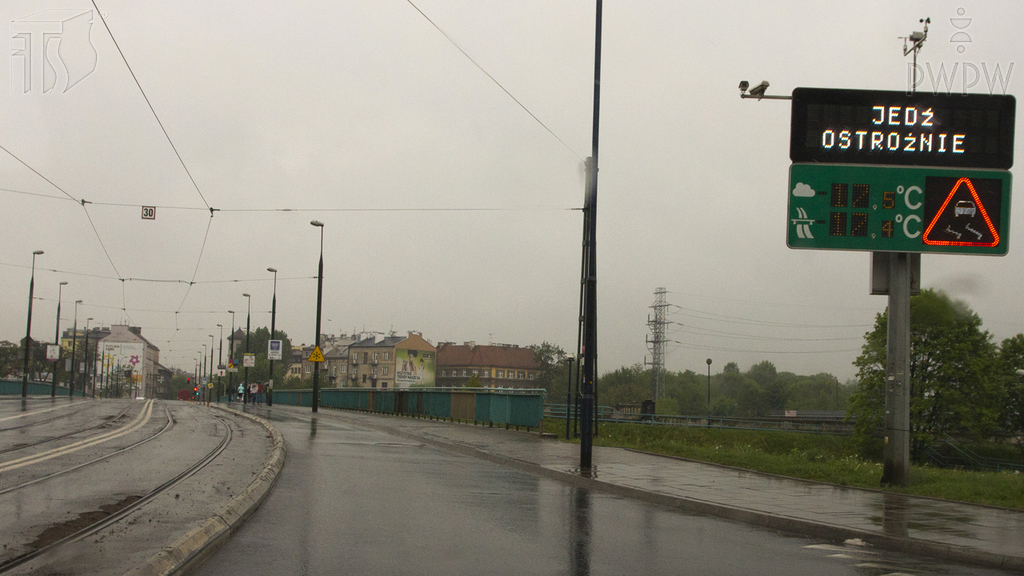 Does the sign on this board inform you of a place on the road where there is, or there might be a danger?КомментарийWarning signs indicate the type of hazard the driver may encounter on the road. After seeing such a sign, reduce speed as appropriate and increase attention.Does the sign on this board inform you of a place on the road where there is, or there might be a danger?
-
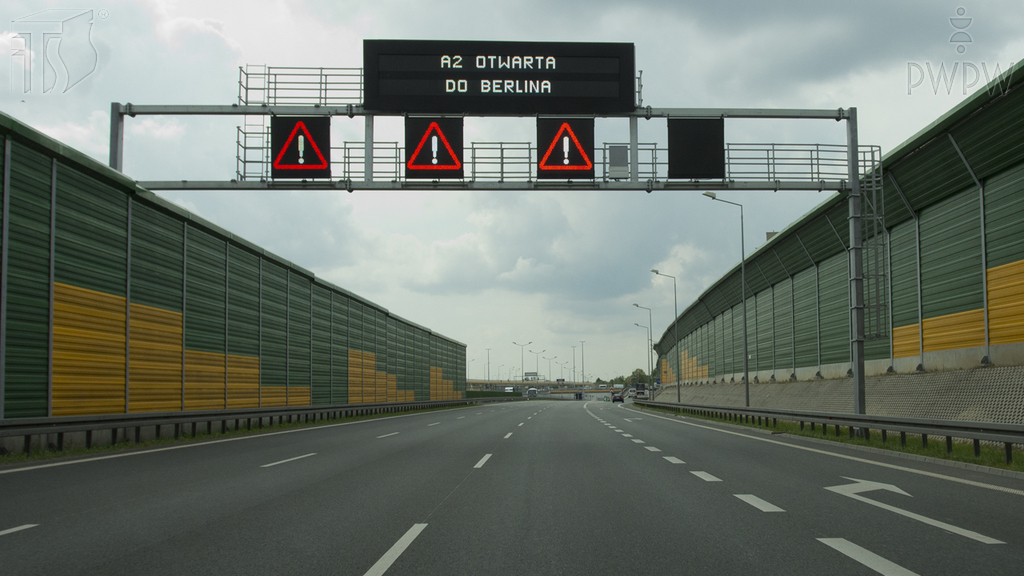 Do you have to exercise particular caution in the presented situation?КомментарийParticular caution means increasing attention and adapting your behaviour to the situation so that you can react quickly to a hazard. Simply observing the road is not enough if your speed prevents a safe reaction.Do you have to exercise particular caution in the presented situation?
-
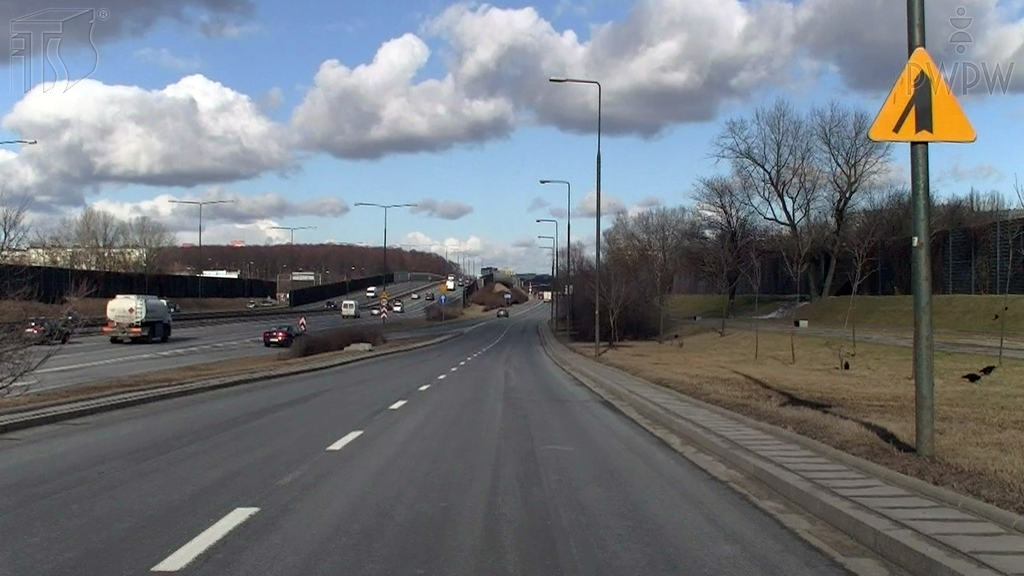 In the presented situation, are you warned of an intersection with a one-way minor road?КомментарийThe sign warns of an intersection where the subordinate road has one-way traffic. Pay attention to the possible direction of vehicles entering the intersection and to the priority signs.In the presented situation, are you warned of an intersection with a one-way minor road?
-
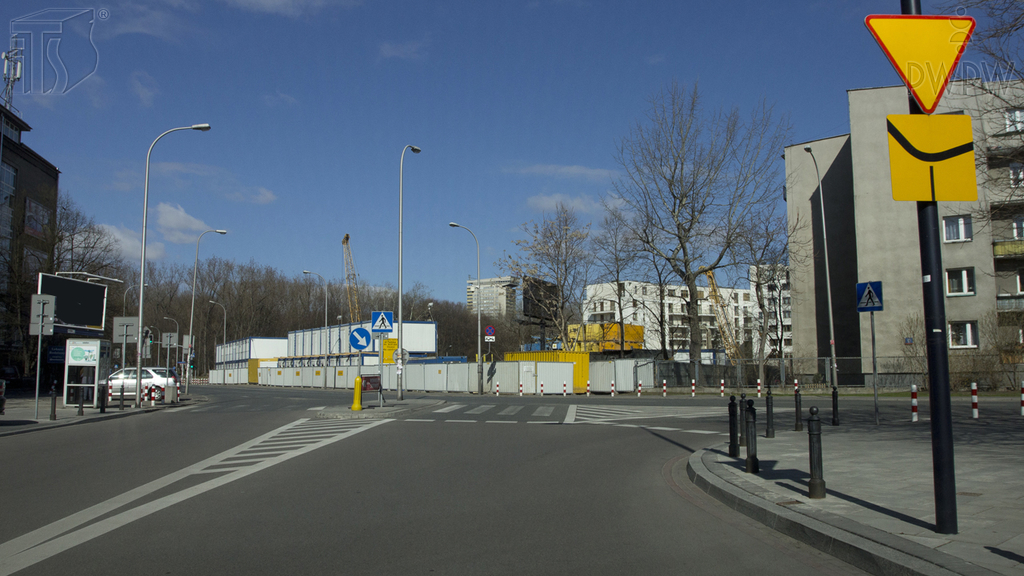 In the presented situation, you are warned of an intersection with a major road. Does the plate under the sign indicate its actual route?КомментарийThe supplementary plate shows the actual course of the priority road through the intersection. Compare the line shown with your direction of travel and determine who has priority.In the presented situation, you are warned of an intersection with a major road. Does the plate under the sign indicate its actual route?
-
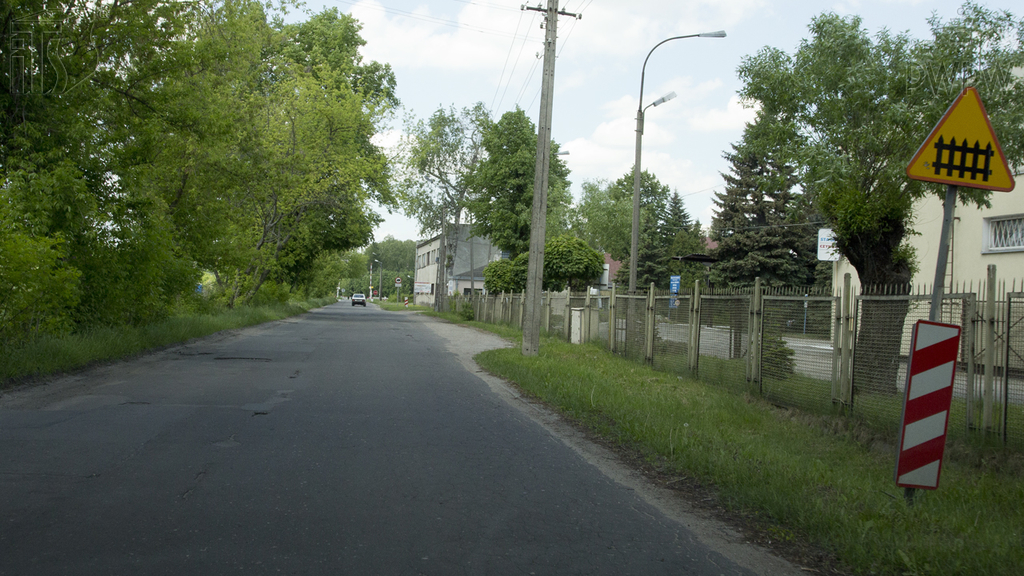 Are you warned in this situation of a level crossing with full barriers or half-barriers?КомментарийThe road signs indicate an approaching railway crossing equipped with safety devices. Before the crossing, use particular caution and follow the signals and the position of the barriers.Are you warned in this situation of a level crossing with full barriers or half-barriers?
-
org.jpg) Are you warned in this situation of a level crossing with full barriers or half-barriers?КомментарийThe answer requires interpreting the situation shown in the material and applying the appropriate traffic rule. Pay particular attention to the road signs, vehicle positions and their possible paths of travel.Are you warned in this situation of a level crossing with full barriers or half-barriers?
-
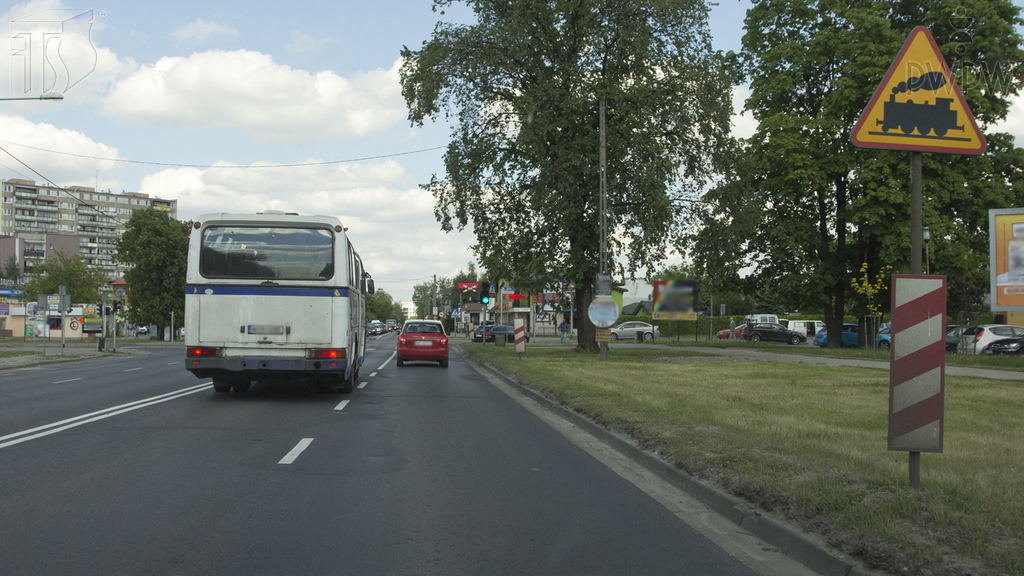 Are you warned in this situation of a level crossing with half-barriers?КомментарийThe answer requires interpreting the situation shown in the material and applying the appropriate traffic rule. Pay particular attention to the road signs, vehicle positions and their possible paths of travel.Are you warned in this situation of a level crossing with half-barriers?
-
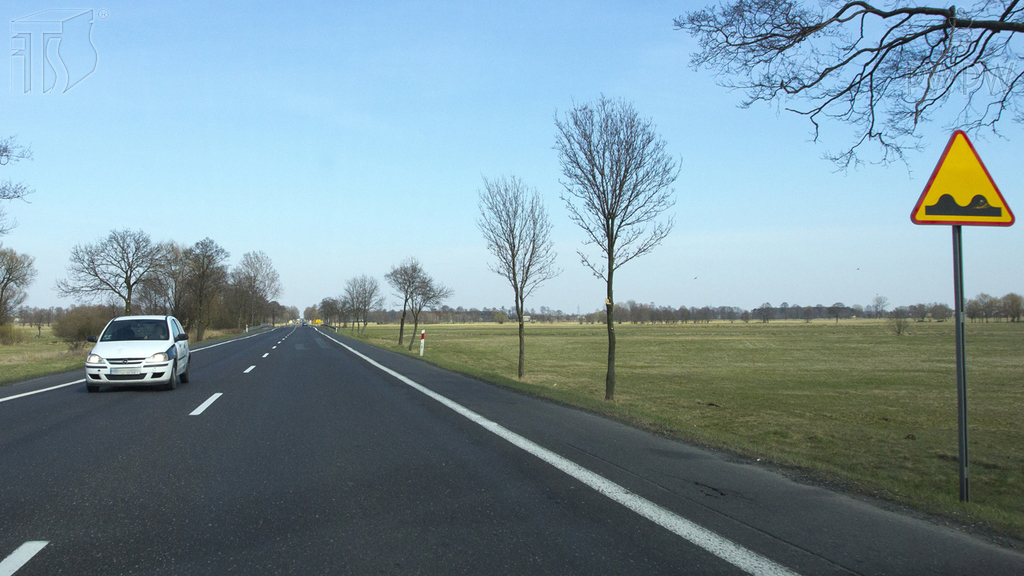 Are you warned in this situation of a transverse unevenness of the roadway?КомментарийThe sign warns of a transverse unevenness in the road. Reduce speed before reaching it to reduce the risk of losing vehicle stability.Are you warned in this situation of a transverse unevenness of the roadway?
-
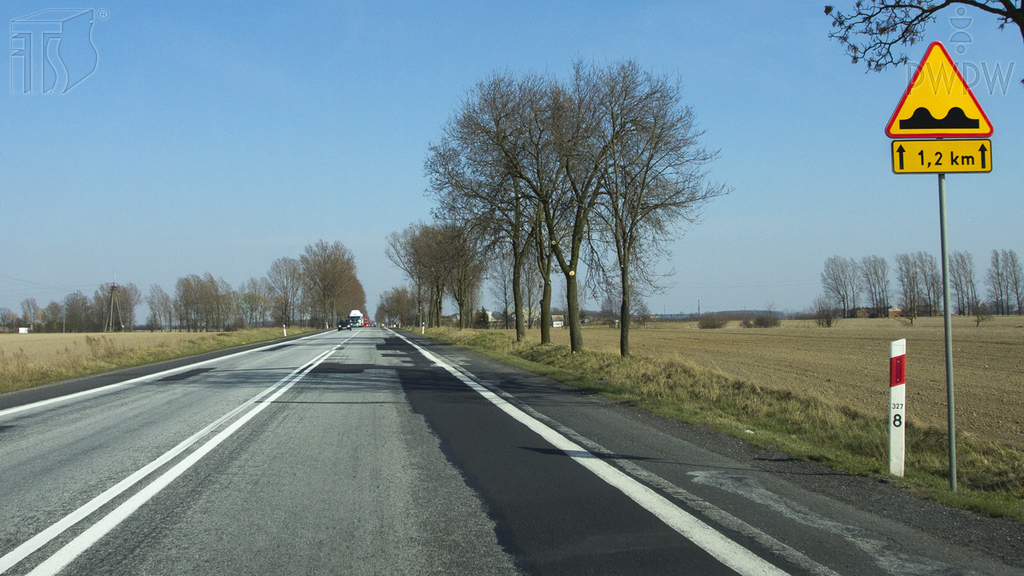 Are you warned in this situation of a 1.2 km-long rough roadway beyond this sign?КомментарийThe warning applies to a section of road of a specified length where uneven surfaces occur. Adjust your speed for the entire indicated section, not only its beginning.Are you warned in this situation of a 1.2 km-long rough roadway beyond this sign?
-
Are you warned in this situation of a hump on the road intended to slow down the traffic?КомментарийThe warning refers to a raised feature intended to physically limit speed. Slow down before driving over it to maintain control of the vehicle.Are you warned in this situation of a hump on the road intended to slow down the traffic?
-
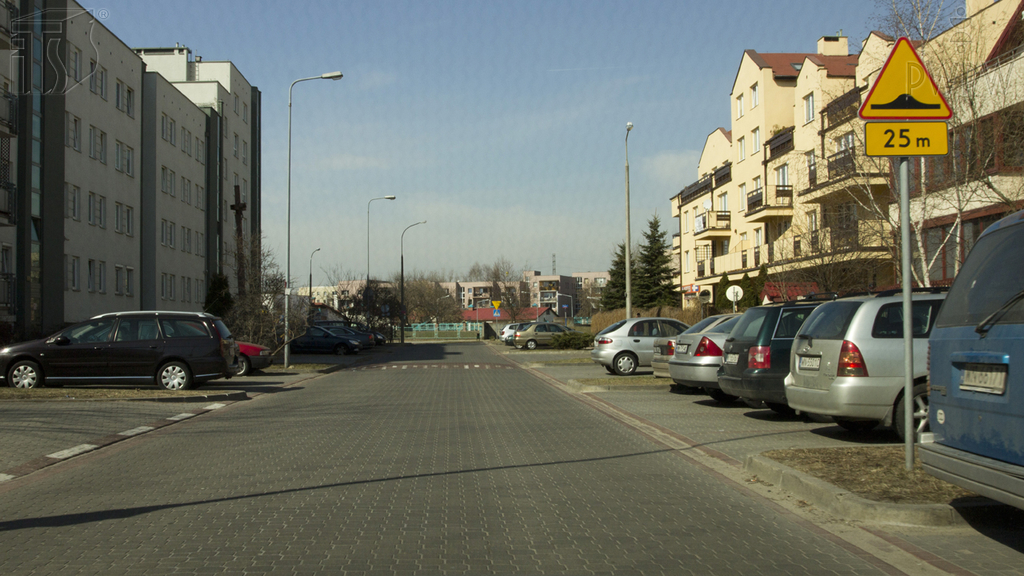 Are you warned in this situation of hump on the roadway intended to slow down the traffic?КомментарийThe answer requires interpreting the situation shown in the material and applying the appropriate traffic rule. Pay particular attention to the road signs, vehicle positions and their possible paths of travel.Are you warned in this situation of hump on the roadway intended to slow down the traffic?
-
Does the board placed under this warning sign indicate the sign's distance from a dangerous spot?КомментарийA supplementary plate under a warning sign may indicate the distance to the place covered by the warning. This allows the driver to adjust speed and path in advance.Does the board placed under this warning sign indicate the sign's distance from a dangerous spot?
-
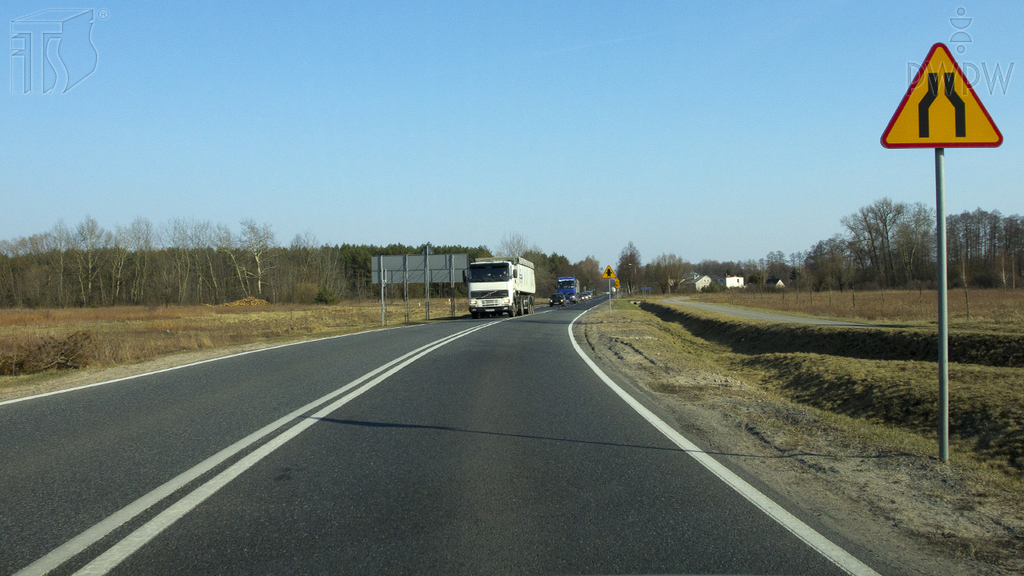 Are you warned in this situation of road narrowing which may cause impediments to the traffic?КомментарийA warning of a narrowing means that you should prepare for a reduction in the width of the lane or road. Watch oncoming vehicles and adjust your speed.Are you warned in this situation of road narrowing which may cause impediments to the traffic?
Test №2
1 / 32 тест


