-
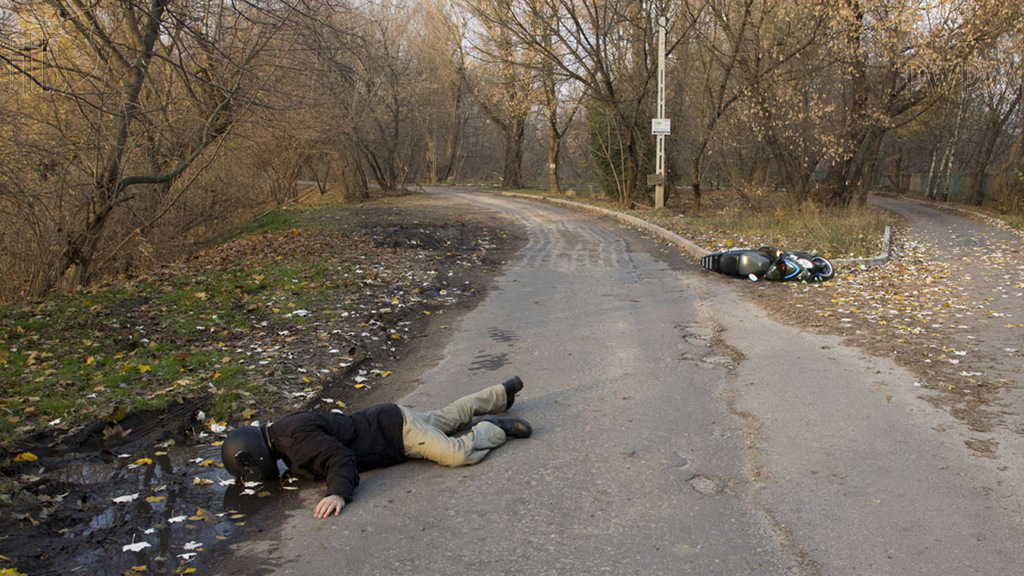 In the presented situation, seeing the injured person with his head submerged in the water, should you leave him unmoved for fear of injuring his spine?КомментарийAfter a road accident, the first priority is to secure the scene and protect people from further danger. The next actions depend on the condition of the injured person.In the presented situation, seeing the injured person with his head submerged in the water, should you leave him unmoved for fear of injuring his spine?
-
Do you have to be prepared to stop your vehicle when approaching the tram crossing?КомментарийBefore stopping or parking, check the signs, road markings and the position of the vehicle so that the manoeuvre does not create a hazard or obstruction.Do you have to be prepared to stop your vehicle when approaching the tram crossing?
-
Are you obliged in this situation to make sure that there is no tram approaching?КомментарийThe situation should be assessed using the applicable traffic rules, the road signs and the position and movement of the road users shown.Are you obliged in this situation to make sure that there is no tram approaching?
-
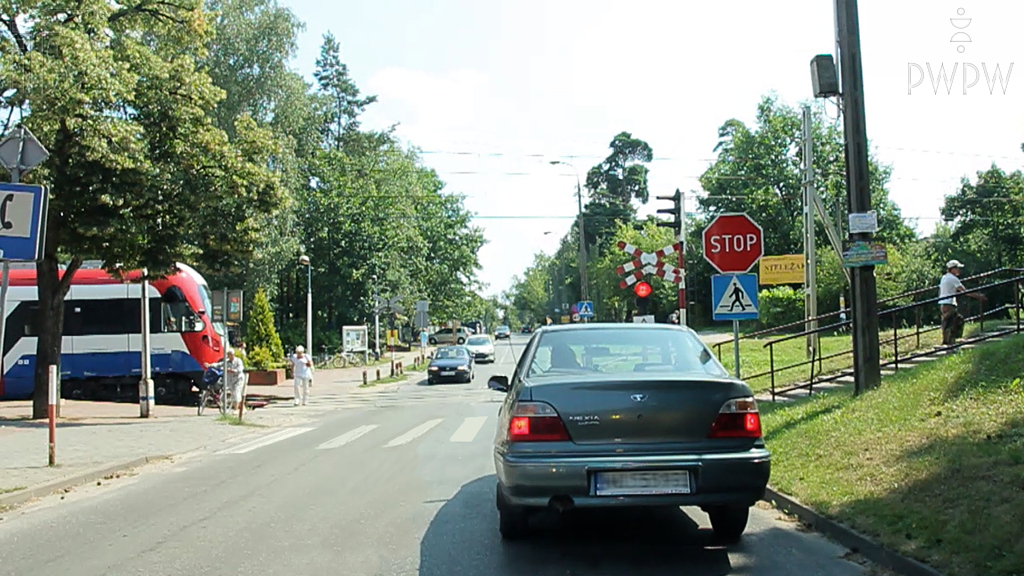 Can you pass the stationary vehicle in this situation?КомментарийBefore overtaking, assess visibility, the road markings, the distance to other road users and whether the manoeuvre can be completed safely.Can you pass the stationary vehicle in this situation?
-
Should you stop behind the stationary vehicle in this situation?КомментарийBefore stopping or parking, check the signs, road markings and the position of the vehicle so that the manoeuvre does not create a hazard or obstruction.Should you stop behind the stationary vehicle in this situation?
-
Are you obliged to stop the vehicle in the presented situation?КомментарийBefore stopping or parking, check the signs, road markings and the position of the vehicle so that the manoeuvre does not create a hazard or obstruction.Are you obliged to stop the vehicle in the presented situation?
-
Are you obliged to stop the vehicle in the presented situation?КомментарийBefore stopping or parking, check the signs, road markings and the position of the vehicle so that the manoeuvre does not create a hazard or obstruction.Are you obliged to stop the vehicle in the presented situation?
-
When leaving the slow traffic lane, are you obliged to exercise particular caution?КомментарийA lane change requires checking the new lane and the area beside and behind the vehicle. The manoeuvre must not force another road user to change speed or direction.When leaving the slow traffic lane, are you obliged to exercise particular caution?
-
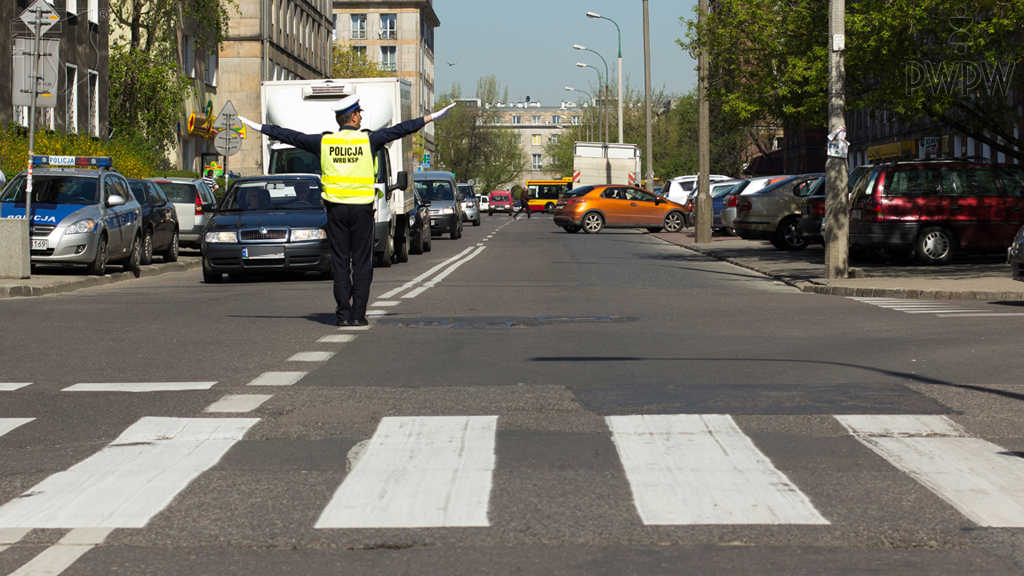 Are you allowed to enter the junction in this situation?КомментарийThe situation should be assessed using the applicable traffic rules, the road signs and the position and movement of the road users shown.Are you allowed to enter the junction in this situation?
-
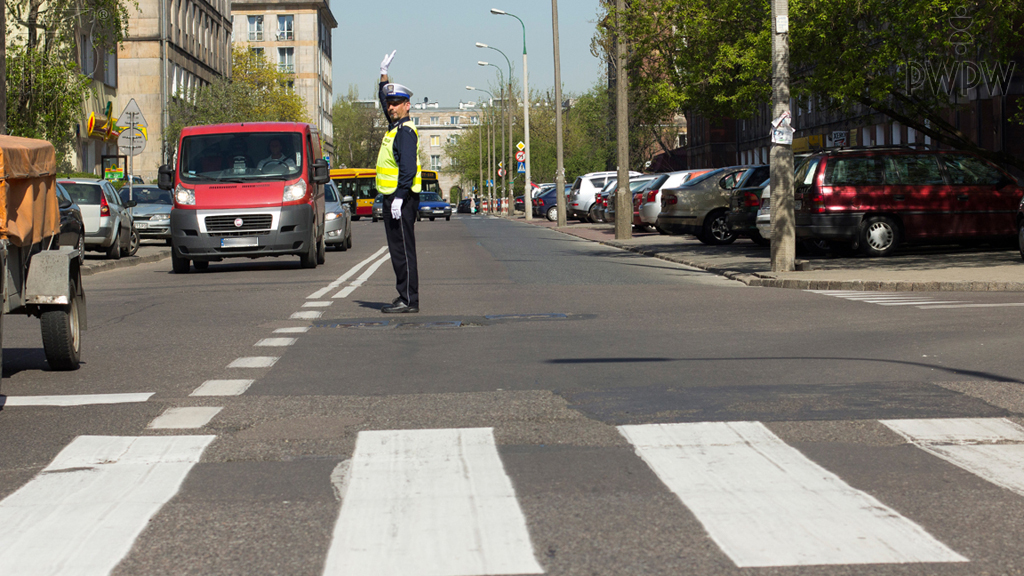 Will a signal be displayed in a moment prohibiting entry?КомментарийThe meaning of the sign determines the driver''s obligations or restrictions. Identify the sign first and then apply its meaning to the situation shown.Will a signal be displayed in a moment prohibiting entry?
-
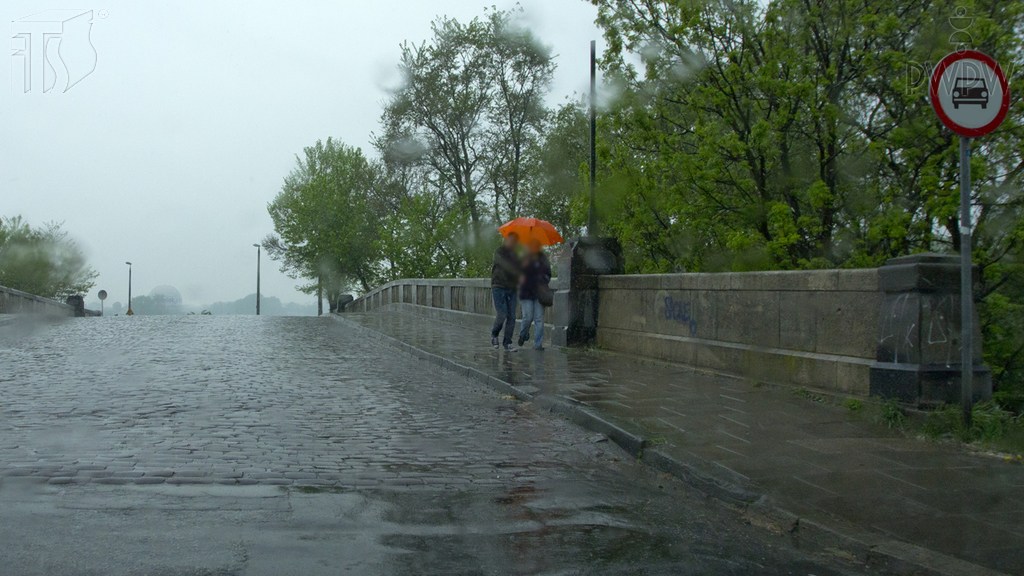 You are driving a single-track motorcycle. Are you allowed in this situation to drive onto the bridge?КомментарийThe motorcycle''s drive system must be maintained correctly because its condition affects reliable power transmission and safe riding.You are driving a single-track motorcycle. Are you allowed in this situation to drive onto the bridge?
-
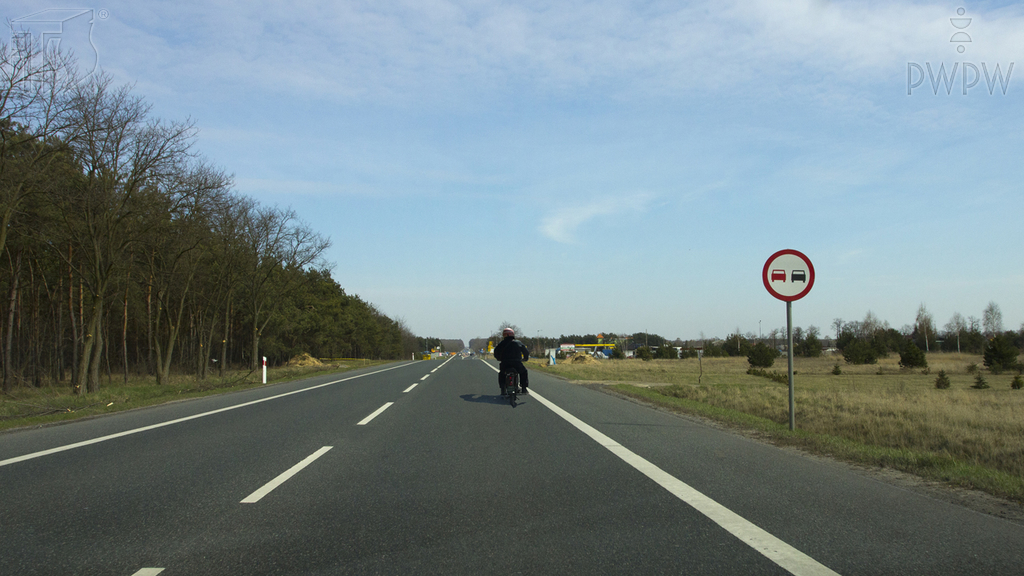 Does this sign prohibit you from overtaking single-track motorcycles?КомментарийMotorcycle manoeuvres require attention to balance, grip, visibility and the space available for the manoeuvre.Does this sign prohibit you from overtaking single-track motorcycles?
-
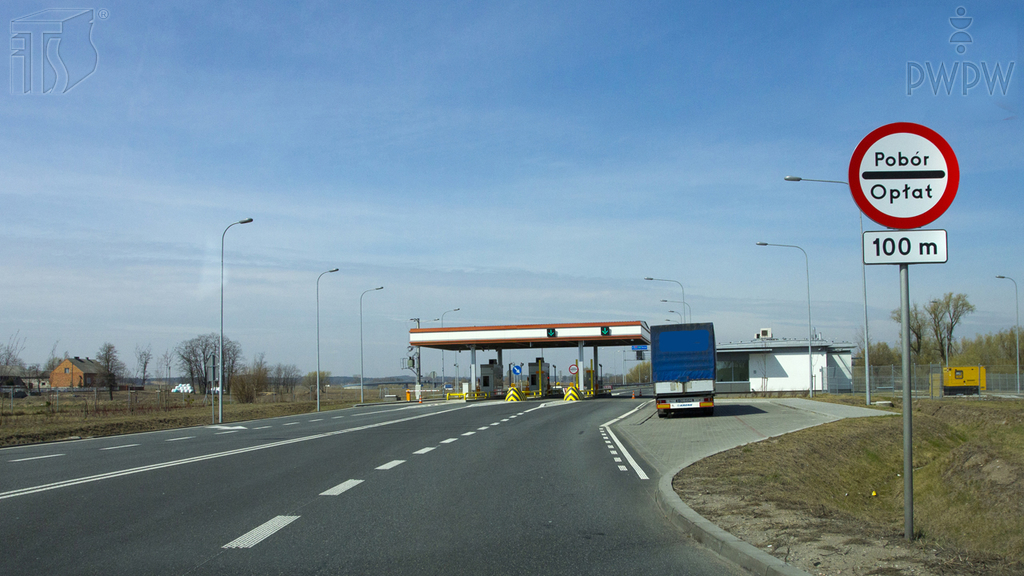 Is the prohibition expressed on this sign obligatory from the place of its mounting?КомментарийThe meaning of the sign determines the driver''s obligations or restrictions. Identify the sign first and then apply its meaning to the situation shown.Is the prohibition expressed on this sign obligatory from the place of its mounting?
-
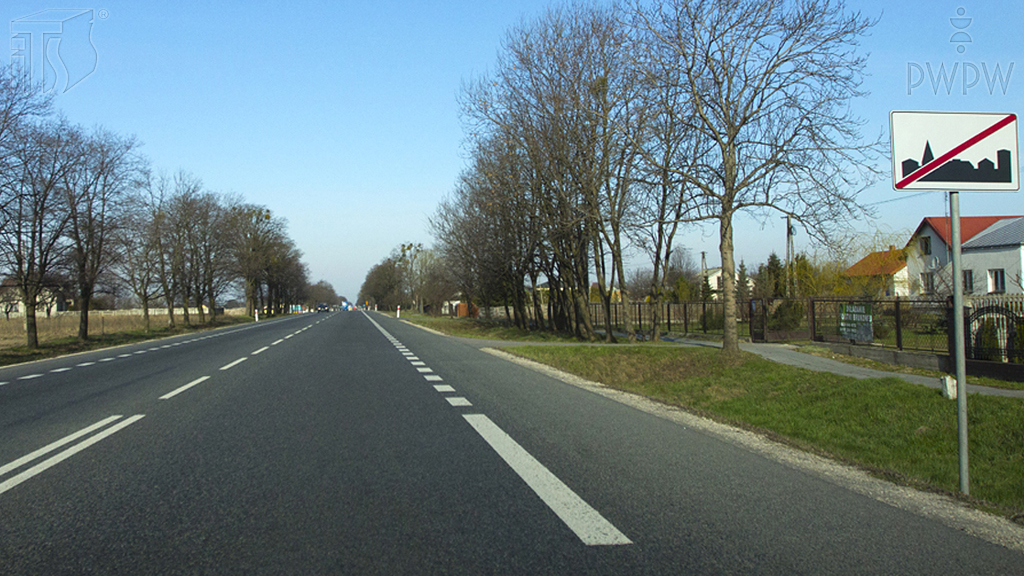 Does this sign indicate the end of the built-up area?КомментарийThe meaning of the sign determines the driver''s obligations or restrictions. Identify the sign first and then apply its meaning to the situation shown.Does this sign indicate the end of the built-up area?
-
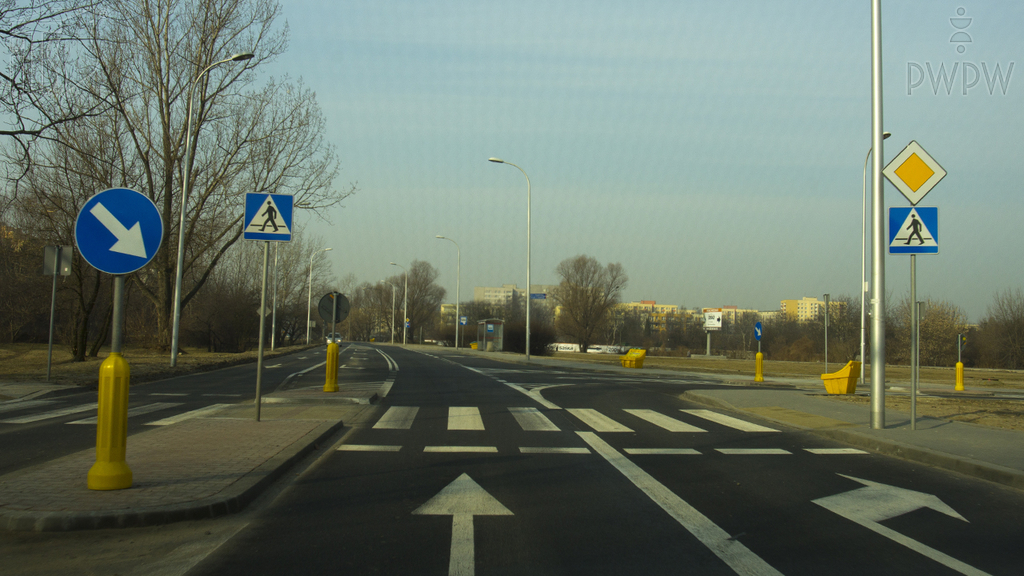 Are you obliged in this situation to slow down when there are no pedestrians on the road?КомментарийThe presence and behaviour of pedestrians must be assessed early. Keep enough space and be ready to stop if the situation requires it.Are you obliged in this situation to slow down when there are no pedestrians on the road?
-
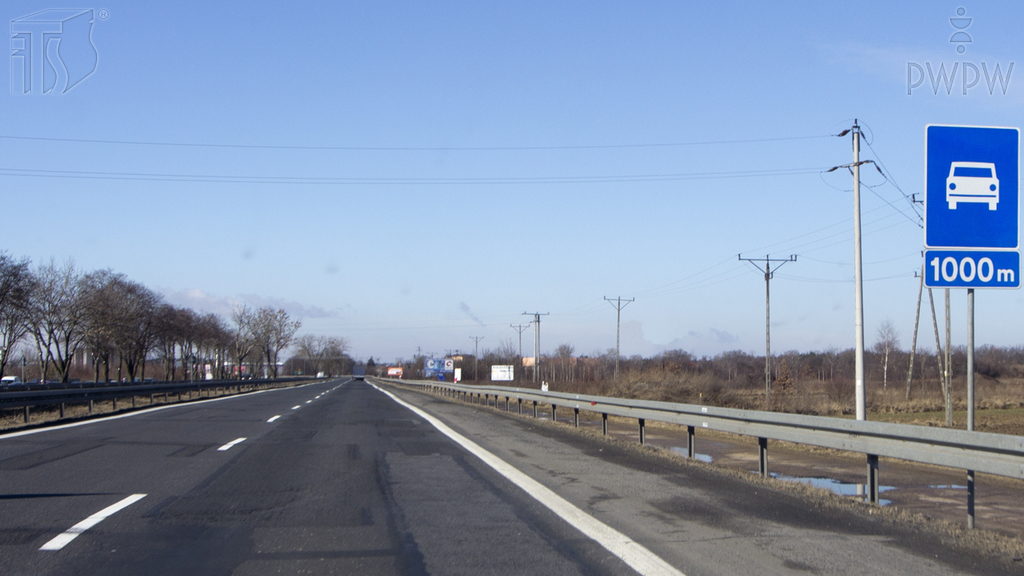 Does the express road begin in 1000 metres from this sign?КомментарийThe meaning of the sign determines the driver''s obligations or restrictions. Identify the sign first and then apply its meaning to the situation shown.Does the express road begin in 1000 metres from this sign?
-
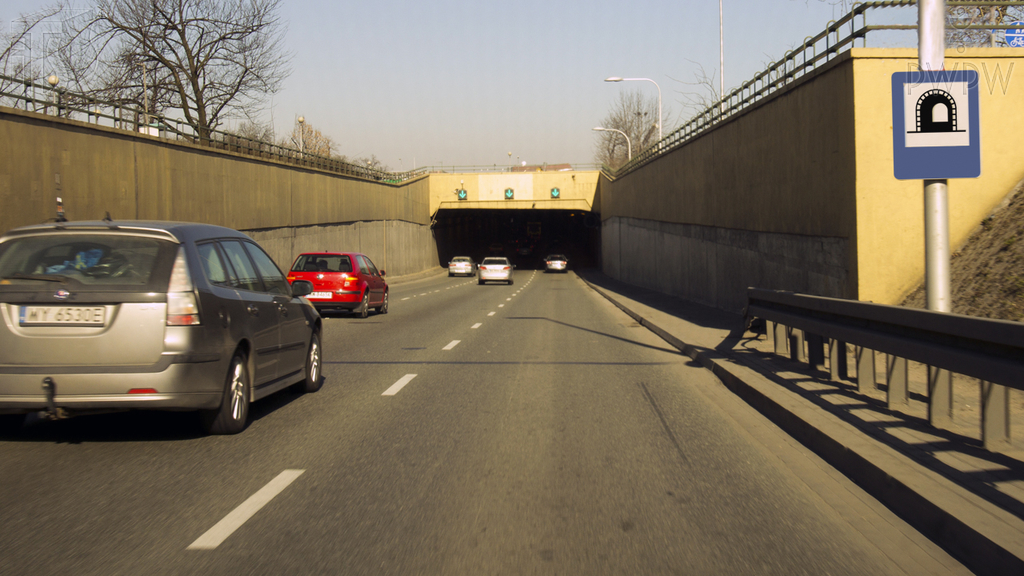 Beyond this sign, are you allowed to stop in any place by the right edge of the roadway to drop off a passenger?КомментарийA STOP sign requires the driver to follow the stopping requirement indicated by the sign and the road markings.Beyond this sign, are you allowed to stop in any place by the right edge of the roadway to drop off a passenger?
-
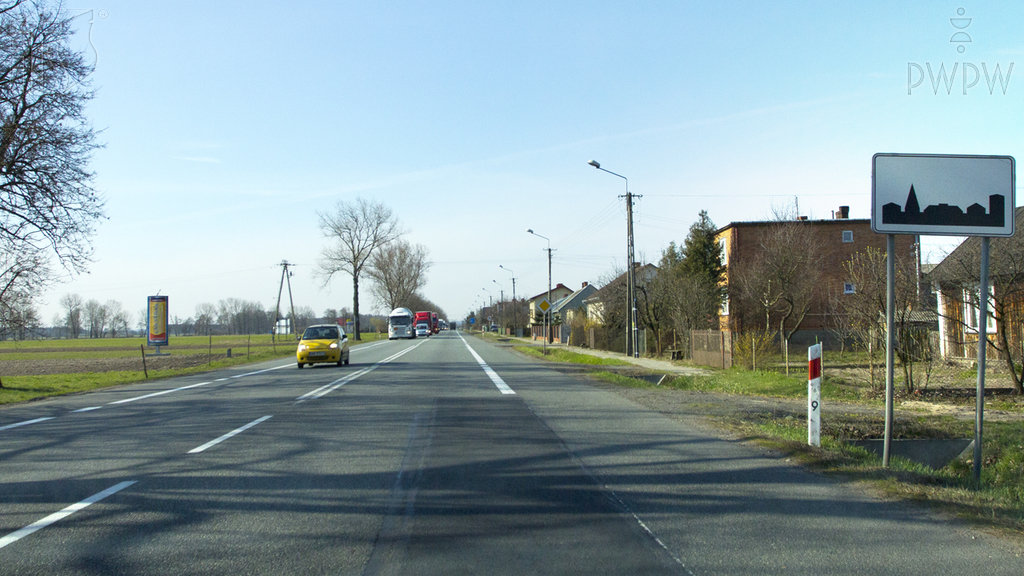 Does this sign indicate the beginning of a built-up area?КомментарийThe meaning of the sign determines the driver''s obligations or restrictions. Identify the sign first and then apply its meaning to the situation shown.Does this sign indicate the beginning of a built-up area?
-
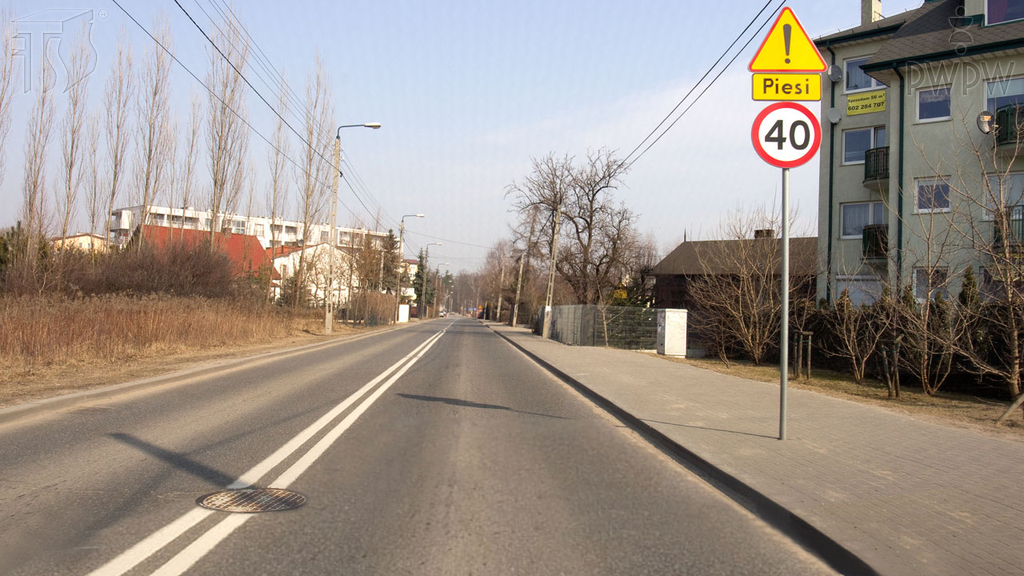 Are you on a two-way road in the presented situation?КомментарийThe situation should be assessed using the applicable traffic rules, the road signs and the position and movement of the road users shown.Are you on a two-way road in the presented situation?
-
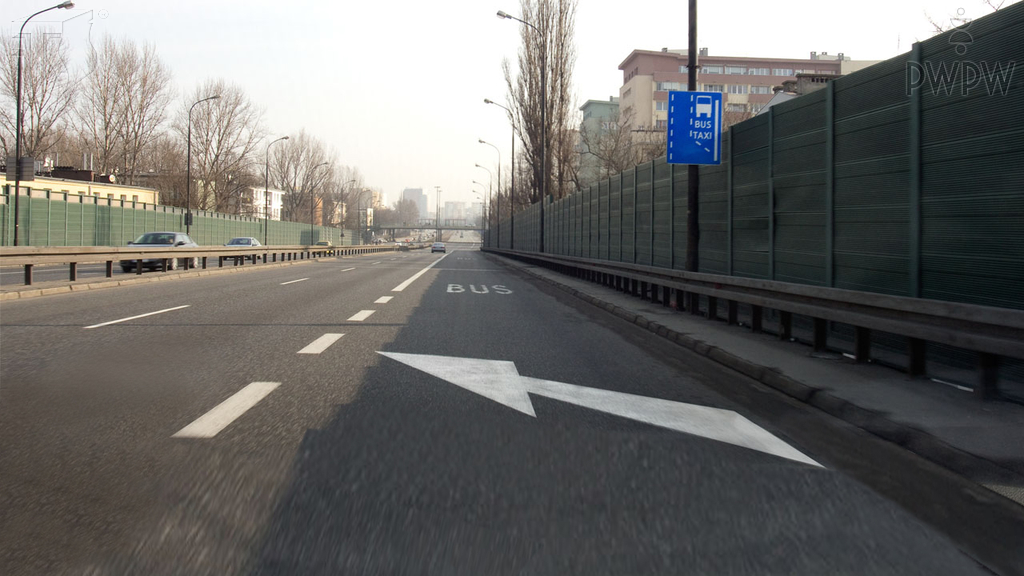 Is the right lane in this situation devoted to any vehicle?КомментарийA lane change requires checking the new lane and the area beside and behind the vehicle. The manoeuvre must not force another road user to change speed or direction.Is the right lane in this situation devoted to any vehicle?
-
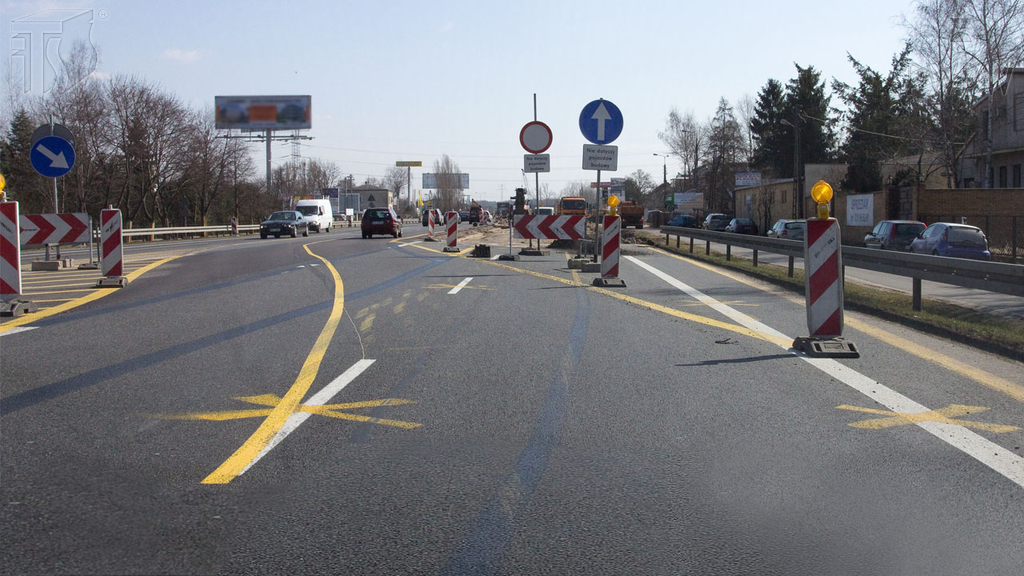 Are you changing the lane if you cross the white dashed line in this situation?КомментарийA lane change requires checking the new lane and the area beside and behind the vehicle. The manoeuvre must not force another road user to change speed or direction.Are you changing the lane if you cross the white dashed line in this situation?
-
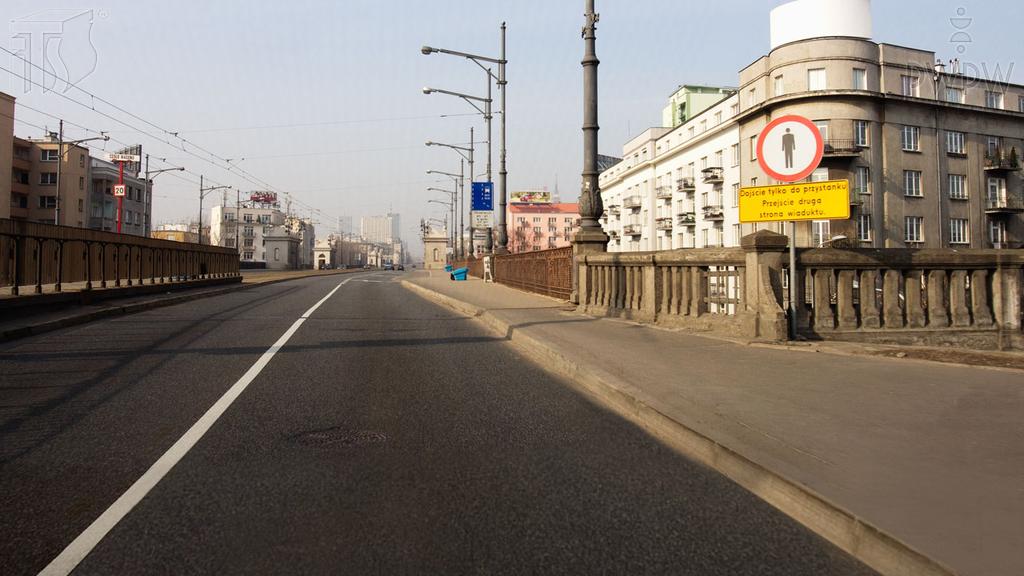 Does this horizontal sign prohibit changing lanes?КомментарийA lane change requires checking the new lane and the area beside and behind the vehicle. The manoeuvre must not force another road user to change speed or direction.Does this horizontal sign prohibit changing lanes?
-
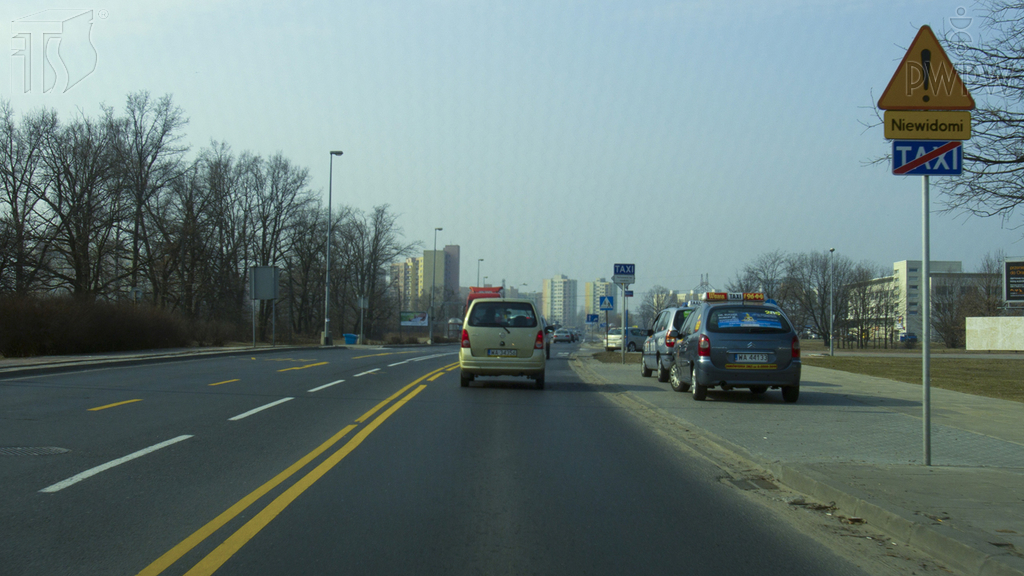 Are you allowed in this situation to use all lanes along the entire width of the roadway?КомментарийA lane change requires checking the new lane and the area beside and behind the vehicle. The manoeuvre must not force another road user to change speed or direction.Are you allowed in this situation to use all lanes along the entire width of the roadway?
-
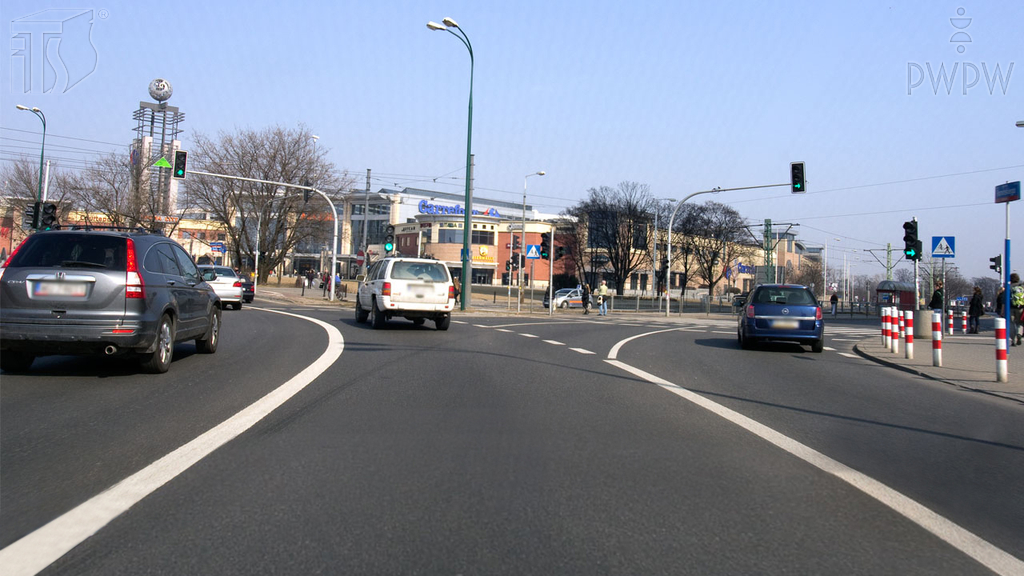 Are you allowed to turn right at this intersection from the lane you are occupying?КомментарийA lane change requires checking the new lane and the area beside and behind the vehicle. The manoeuvre must not force another road user to change speed or direction.Are you allowed to turn right at this intersection from the lane you are occupying?
-
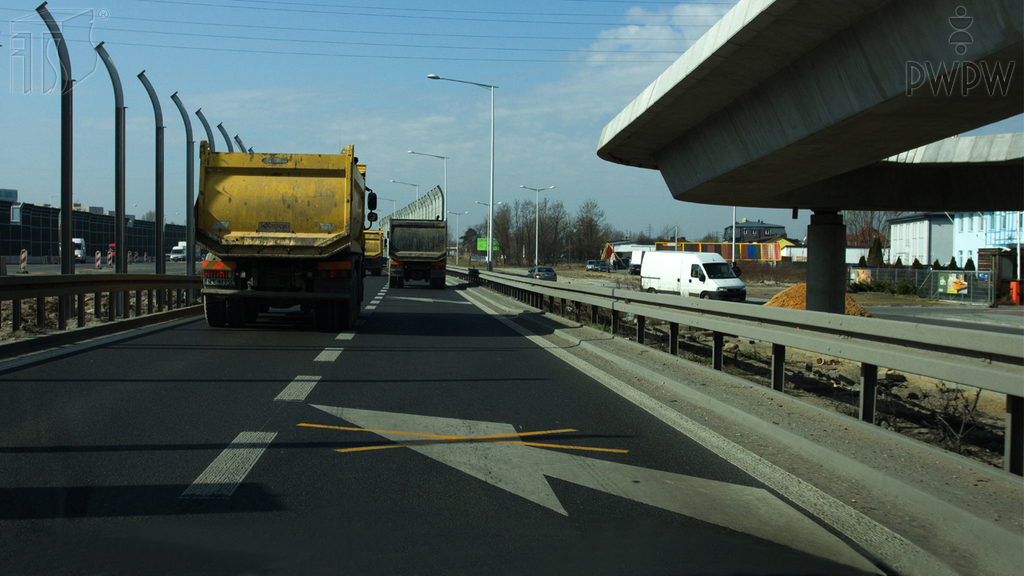 Are you allowed in this situation to change the lane you are occupying?КомментарийA lane change requires checking the new lane and the area beside and behind the vehicle. The manoeuvre must not force another road user to change speed or direction.Are you allowed in this situation to change the lane you are occupying?
-
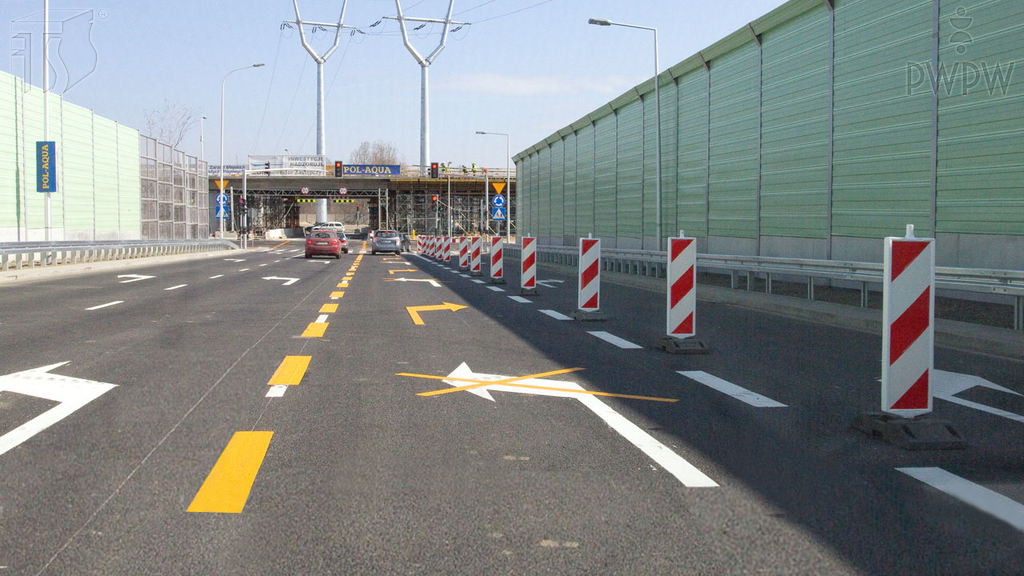 Are you allowed to turn left at the intersection from the lane you are taking?КомментарийA lane change requires checking the new lane and the area beside and behind the vehicle. The manoeuvre must not force another road user to change speed or direction.Are you allowed to turn left at the intersection from the lane you are taking?
-
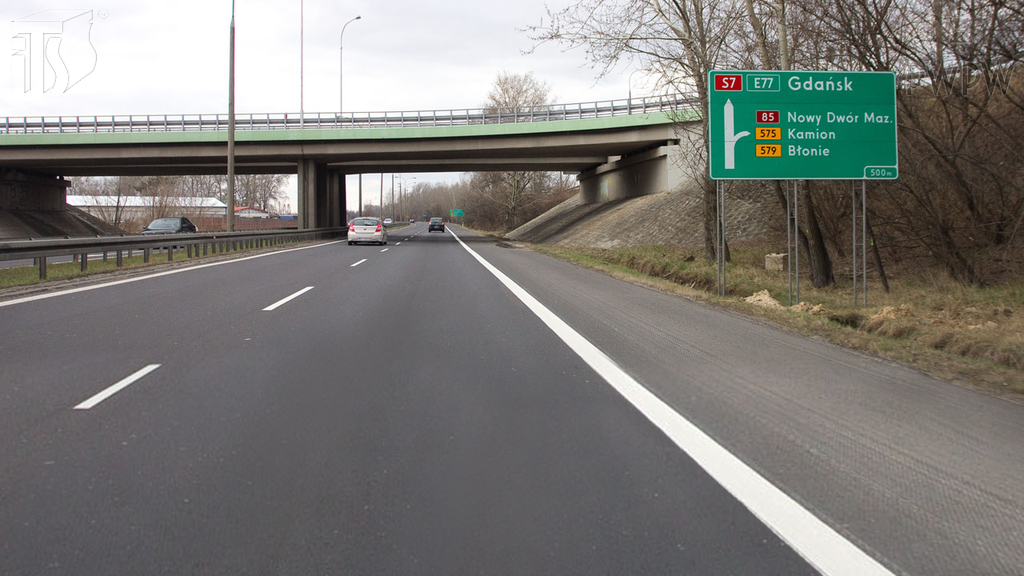 Is stopover of the vehicle allowed on this hard shoulder?КомментарийBefore stopping or parking, check the signs, road markings and the position of the vehicle so that the manoeuvre does not create a hazard or obstruction.Is stopover of the vehicle allowed on this hard shoulder?
-
Are you allowed to stop your vehicle on this hard shoulder?КомментарийBefore stopping or parking, check the signs, road markings and the position of the vehicle so that the manoeuvre does not create a hazard or obstruction.Are you allowed to stop your vehicle on this hard shoulder?
-
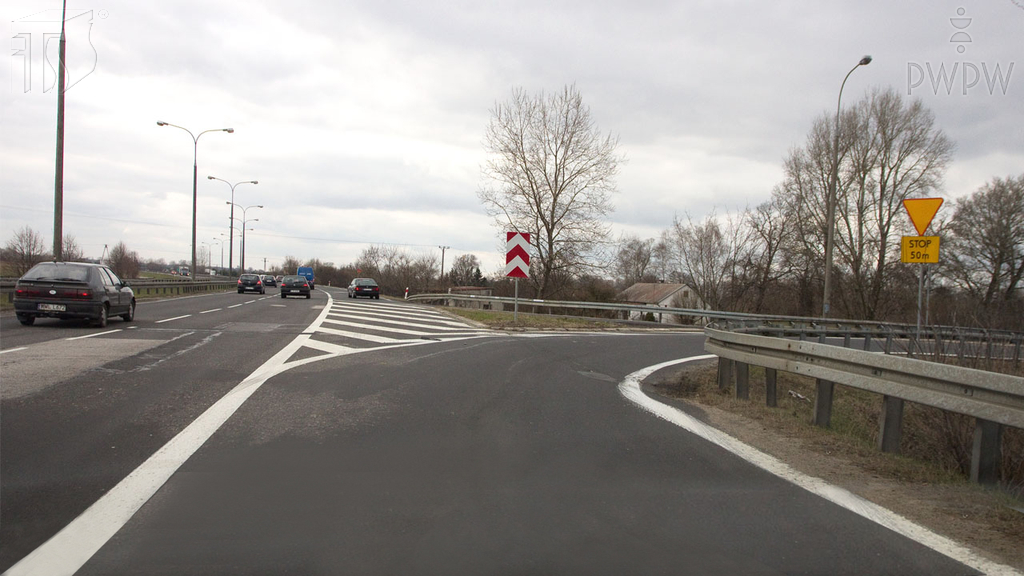 Are you allowed in this situation to change lanes in order to go straight?КомментарийA lane change requires checking the new lane and the area beside and behind the vehicle. The manoeuvre must not force another road user to change speed or direction.Are you allowed in this situation to change lanes in order to go straight?
-
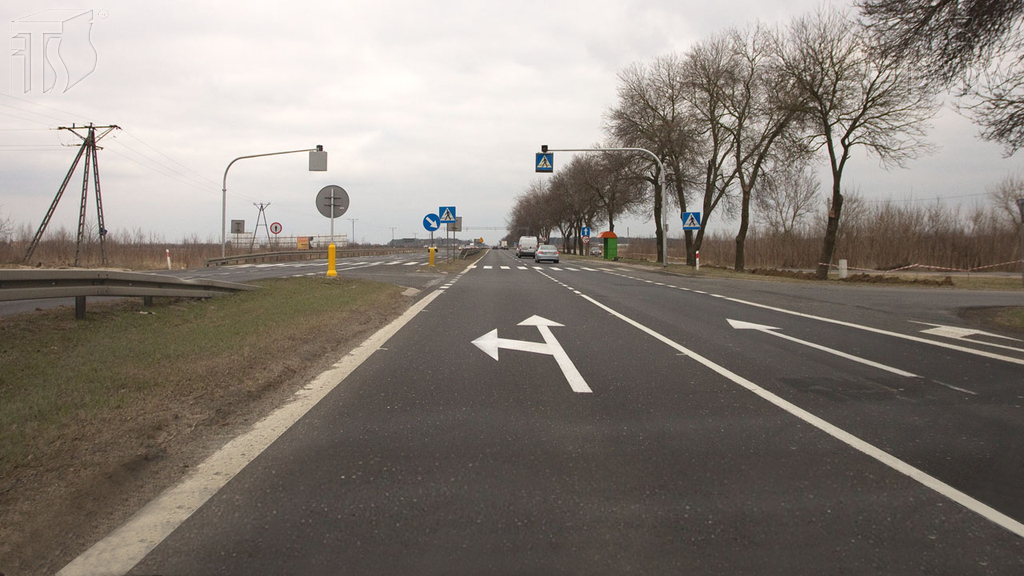 Are you allowed to make a U-turn at this junction in this situation?КомментарийBefore making a U-turn, check the road signs, markings and traffic situation and make sure there is enough space to complete the manoeuvre safely.Are you allowed to make a U-turn at this junction in this situation?
-
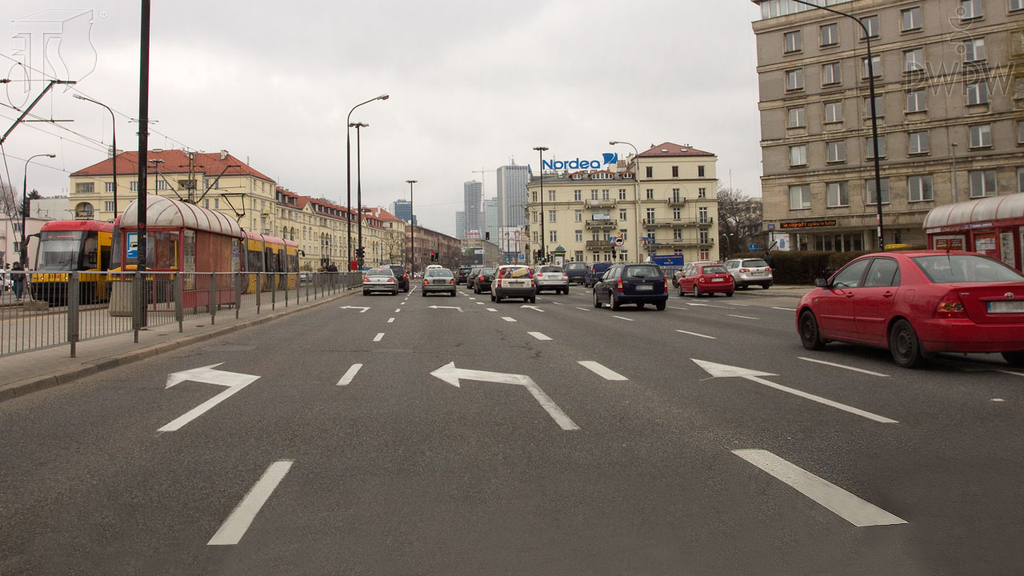 Are you allowed to make a U-turn at this intersection from the lane you are taking?КомментарийA lane change requires checking the new lane and the area beside and behind the vehicle. The manoeuvre must not force another road user to change speed or direction.Are you allowed to make a U-turn at this intersection from the lane you are taking?
Test №10
1 / 32 тест


