-
.jpg.jpg) When approaching a level crossing with overhead lines, should you be mindful of the extra risks involved?КомментарийAt a level crossing, the driver must assess the crossing itself, the warning signals and the possibility of a rail vehicle approaching. Raised barriers do not by themselves guarantee that the crossing is safe to enter.When approaching a level crossing with overhead lines, should you be mindful of the extra risks involved?
-
.jpg) Could you put the lives or health of several people at risk by ignoring a stop while driving over the railway tracks at this point?КомментарийThe decisive point is the specific traffic rule described in the question and the conditions in which it applies. Consider the vehicle, road type and surrounding traffic before choosing the applicable rule.Could you put the lives or health of several people at risk by ignoring a stop while driving over the railway tracks at this point?
-
When approaching a level crossing, are you required to adjust your speed according to changing conditions?КомментарийAt a level crossing, the driver must assess the crossing itself, the warning signals and the possibility of a rail vehicle approaching. Raised barriers do not by themselves guarantee that the crossing is safe to enter.When approaching a level crossing, are you required to adjust your speed according to changing conditions?
-
Is it permissible to drive at a speed that could make it difficult to stop the vehicle when the red signal starts flashing?КомментарийThe need to brake depends on the hazard visible ahead, the road surface and the stopping distance available. Braking should begin early enough to keep the vehicle under control and avoid a conflict with other road users.Is it permissible to drive at a speed that could make it difficult to stop the vehicle when the red signal starts flashing?
-
If you cannot remove the damaged vehicle from the tracks, are you required to alert the train driver about the potential danger?КомментарийWater on the road reduces tyre grip and can cause aquaplaning. Slow down smoothly, avoid abrupt steering or braking, and keep enough distance to react to changing road conditions.If you cannot remove the damaged vehicle from the tracks, are you required to alert the train driver about the potential danger?
-
If your vehicle gets stuck on a level crossing, are you required to first alert the train driver to the potential danger?КомментарийWater on the road reduces tyre grip and can cause aquaplaning. Slow down smoothly, avoid abrupt steering or braking, and keep enough distance to react to changing road conditions.If your vehicle gets stuck on a level crossing, are you required to first alert the train driver to the potential danger?
-
Does the design of the barriers enable a vehicle to break through if it gets stuck on a level crossing between closed barriers?КомментарийAt a level crossing, the driver must assess the crossing itself, the warning signals and the possibility of a rail vehicle approaching. Raised barriers do not by themselves guarantee that the crossing is safe to enter.Does the design of the barriers enable a vehicle to break through if it gets stuck on a level crossing between closed barriers?
-
When you exercise caution, are you allowed to enter a railway crossing if the barrier has just started to lower?КомментарийAt a level crossing, the driver must assess the crossing itself, the warning signals and the possibility of a rail vehicle approaching. Raised barriers do not by themselves guarantee that the crossing is safe to enter.When you exercise caution, are you allowed to enter a railway crossing if the barrier has just started to lower?
-
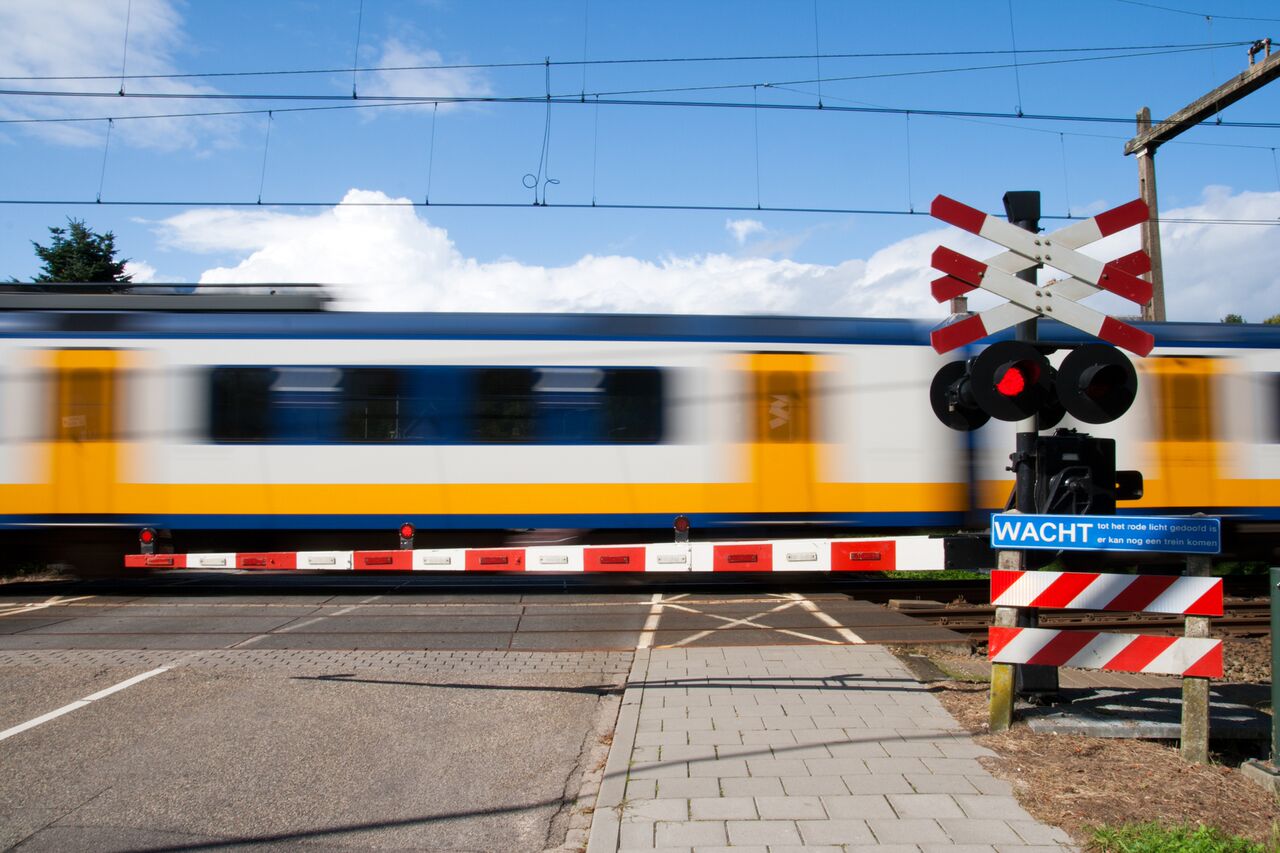 Once traffic resumes at the multi-track crossing, should you check for approaching trains on other tracks before entering the track?КомментарийWater on the road reduces tyre grip and can cause aquaplaning. Slow down smoothly, avoid abrupt steering or braking, and keep enough distance to react to changing road conditions.Once traffic resumes at the multi-track crossing, should you check for approaching trains on other tracks before entering the track?
-
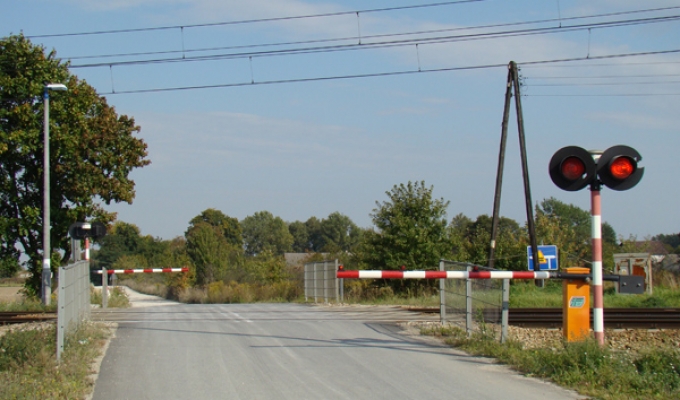 In this scenario, once you’ve confirmed that no train is approaching, are you permitted to drive around the lowered half-barrier and cross the railway tracks?КомментарийWater on the road reduces tyre grip and can cause aquaplaning. Slow down smoothly, avoid abrupt steering or braking, and keep enough distance to react to changing road conditions.In this scenario, once you’ve confirmed that no train is approaching, are you permitted to drive around the lowered half-barrier and cross the railway tracks?
-
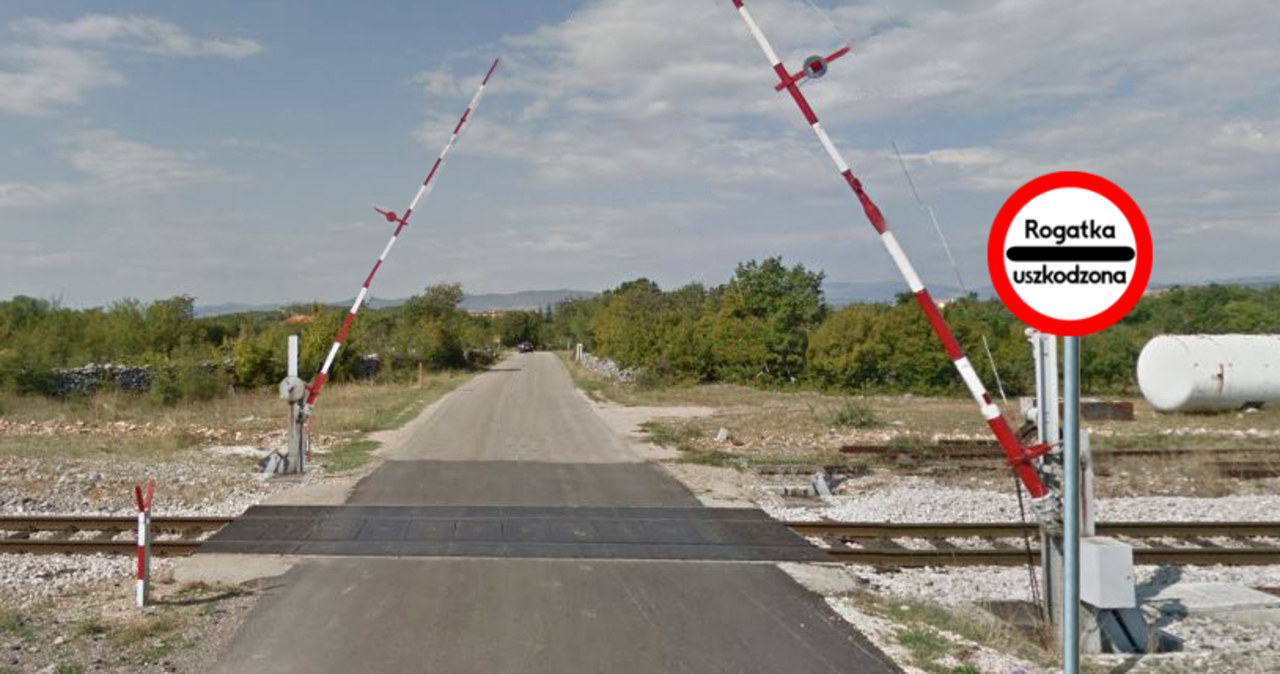 In this scenario, are you obliged to bring your vehicle to a stop before the visible prohibition sign?КомментарийThe decisive point is the specific traffic rule described in the question and the conditions in which it applies. Consider the vehicle, road type and surrounding traffic before choosing the applicable rule.In this scenario, are you obliged to bring your vehicle to a stop before the visible prohibition sign?
-
In this situation, after halting and making sure that no train is approaching, do you have the right to proceed without waiting for permission from an authorised individual?КомментарийWater on the road reduces tyre grip and can cause aquaplaning. Slow down smoothly, avoid abrupt steering or braking, and keep enough distance to react to changing road conditions.In this situation, after halting and making sure that no train is approaching, do you have the right to proceed without waiting for permission from an authorised individual?
-
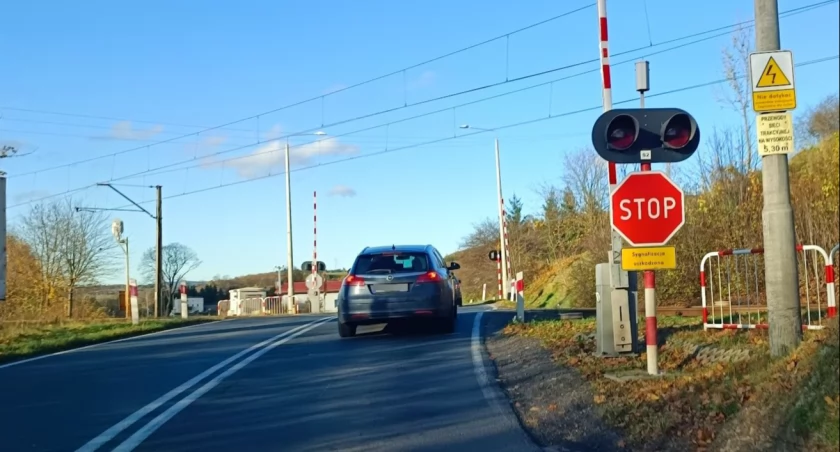 In this situation, do you have the right to overtake the vehicle in front of you to get across the railway crossing as swiftly as possible?КомментарийBefore overtaking, check the road markings, signs, visibility, the vehicle behind and the space needed to return safely. The manoeuvre must be completed without forcing another road user to brake or change direction.In this situation, do you have the right to overtake the vehicle in front of you to get across the railway crossing as swiftly as possible?
-
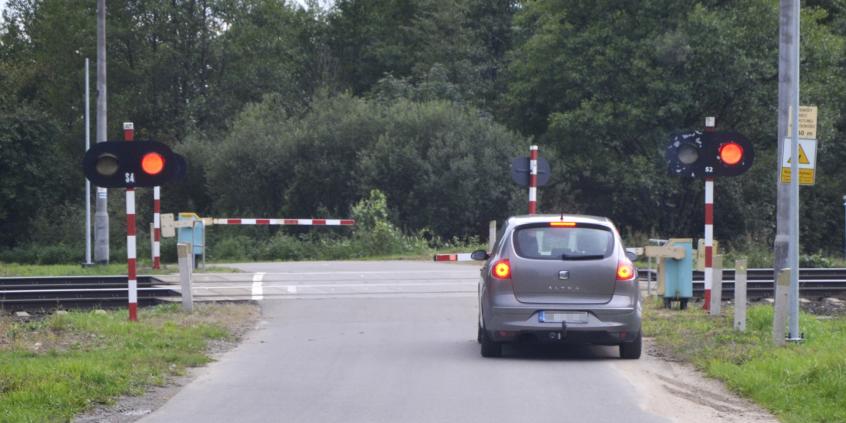 In this situation, do you have the right to overtake the vehicle in front of you by driving onto the part of the road designated for oncoming traffic, if you can stop before the railway crossing?КомментарийBefore overtaking, check the road markings, signs, visibility, the vehicle behind and the space needed to return safely. The manoeuvre must be completed without forcing another road user to brake or change direction.In this situation, do you have the right to overtake the vehicle in front of you by driving onto the part of the road designated for oncoming traffic, if you can stop before the railway crossing?
-
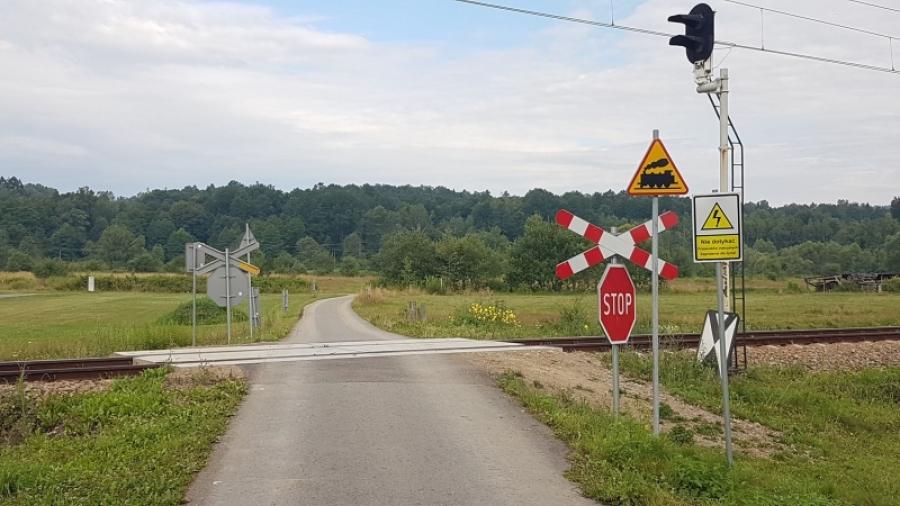 When approaching a level crossing with infrequent train traffic, are you always required to check for any approaching trains?КомментарийWater on the road reduces tyre grip and can cause aquaplaning. Slow down smoothly, avoid abrupt steering or braking, and keep enough distance to react to changing road conditions.When approaching a level crossing with infrequent train traffic, are you always required to check for any approaching trains?
-
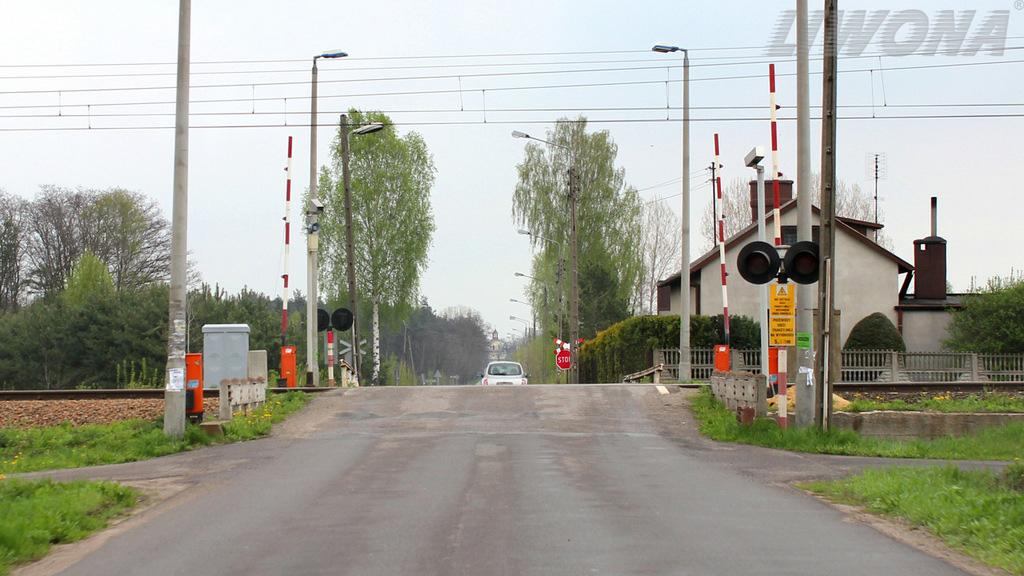 In this scenario, do you have the right to cross the railway tracks without being sure that there’s enough space to continue driving on the other side of the level crossing?КомментарийAt a level crossing, the driver must assess the crossing itself, the warning signals and the possibility of a rail vehicle approaching. Raised barriers do not by themselves guarantee that the crossing is safe to enter.In this scenario, do you have the right to cross the railway tracks without being sure that there’s enough space to continue driving on the other side of the level crossing?
-
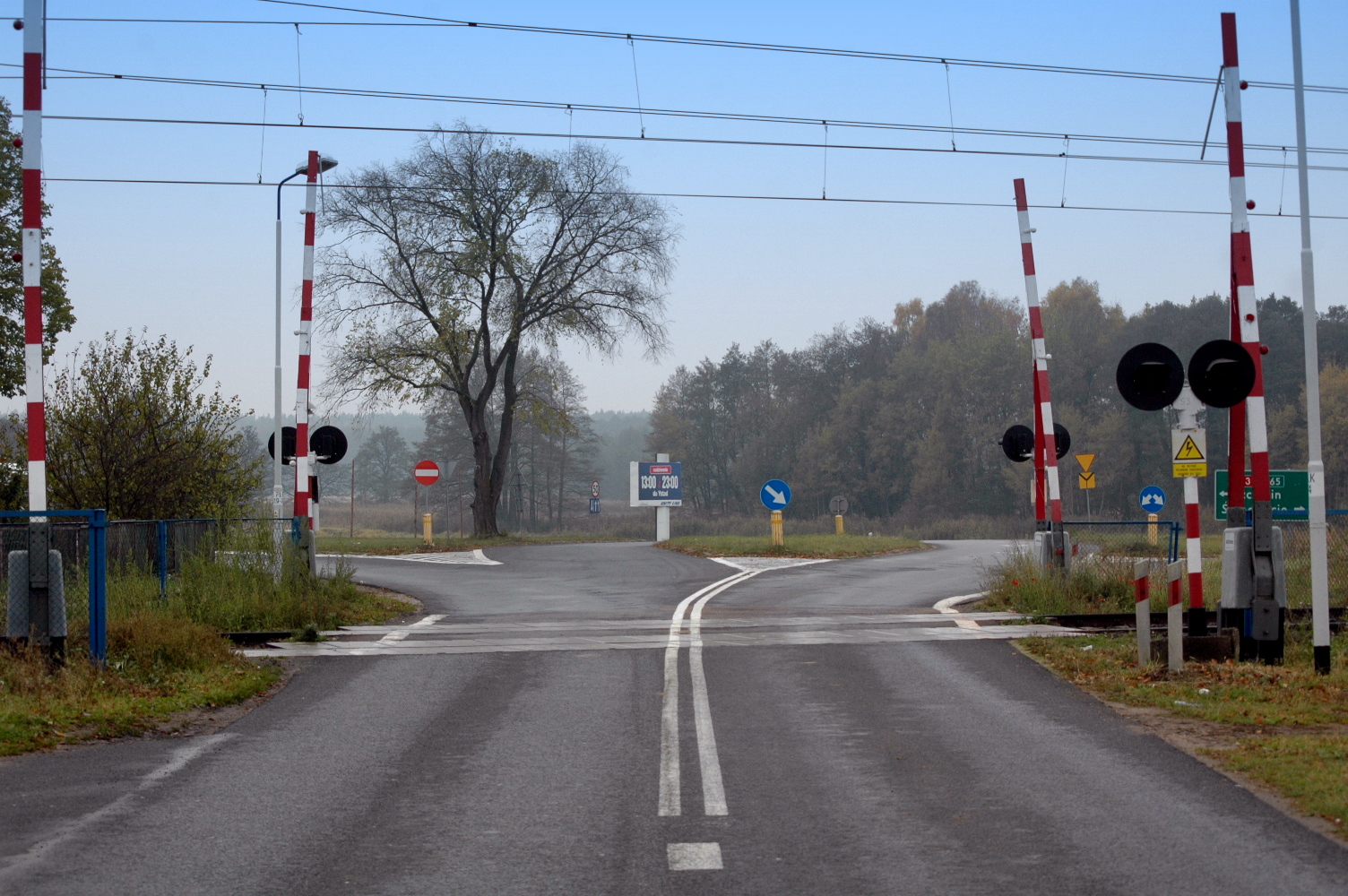 When approaching a level crossing with barriers, should you take into account that, for various reasons, the safety devices might not close the crossing in time?КомментарийOn a slippery surface, available grip is limited. Smooth steering, gentle acceleration and braking, a lower speed and a larger safety margin reduce the risk of losing control.When approaching a level crossing with barriers, should you take into account that, for various reasons, the safety devices might not close the crossing in time?
-
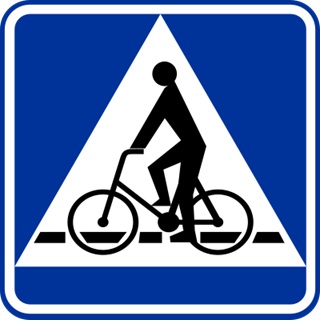 When you see this road sign, are you required to stop your vehicle for an approaching cyclist at the crossing?КомментарийWhen dealing with a cyclist, consider the cyclist's position, the marked lane and the direction of travel. The driver must leave the required space and avoid a manoeuvre that would cut across the cyclist's path.When you see this road sign, are you required to stop your vehicle for an approaching cyclist at the crossing?
-
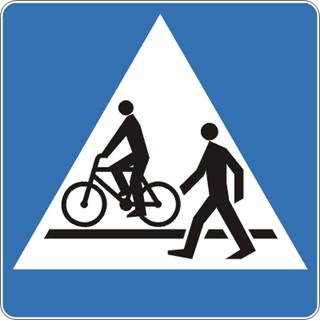 At the spot marked by the visible sign, are you required to yield to someone using a mobility aid who is crossing at a cycling crossing?КомментарийThe rules for an electric scooter depend on where it is being ridden and on the manoeuvre shown. Pay attention to the designated area, speed restrictions and the rights of pedestrians and other road users.At the spot marked by the visible sign, are you required to yield to someone using a mobility aid who is crossing at a cycling crossing?
-
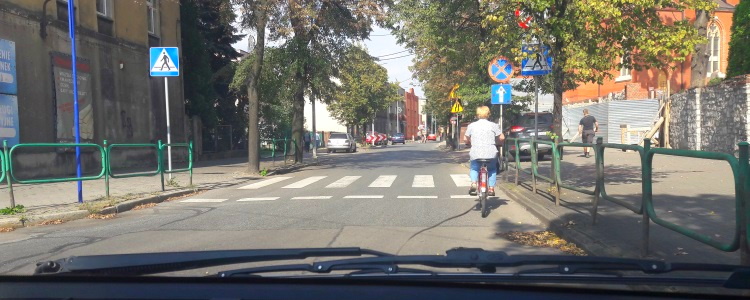 Are you allowed to overtake a cyclist at a pedestrian crossing if you exercise extreme caution?КомментарийBefore overtaking, check the road markings, signs, visibility, the vehicle behind and the space needed to return safely. The manoeuvre must be completed without forcing another road user to brake or change direction.Are you allowed to overtake a cyclist at a pedestrian crossing if you exercise extreme caution?
-
In the scenario presented, are you required to refrain from overtaking the cyclist?КомментарийWater on the road reduces tyre grip and can cause aquaplaning. Slow down smoothly, avoid abrupt steering or braking, and keep enough distance to react to changing road conditions.In the scenario presented, are you required to refrain from overtaking the cyclist?
-
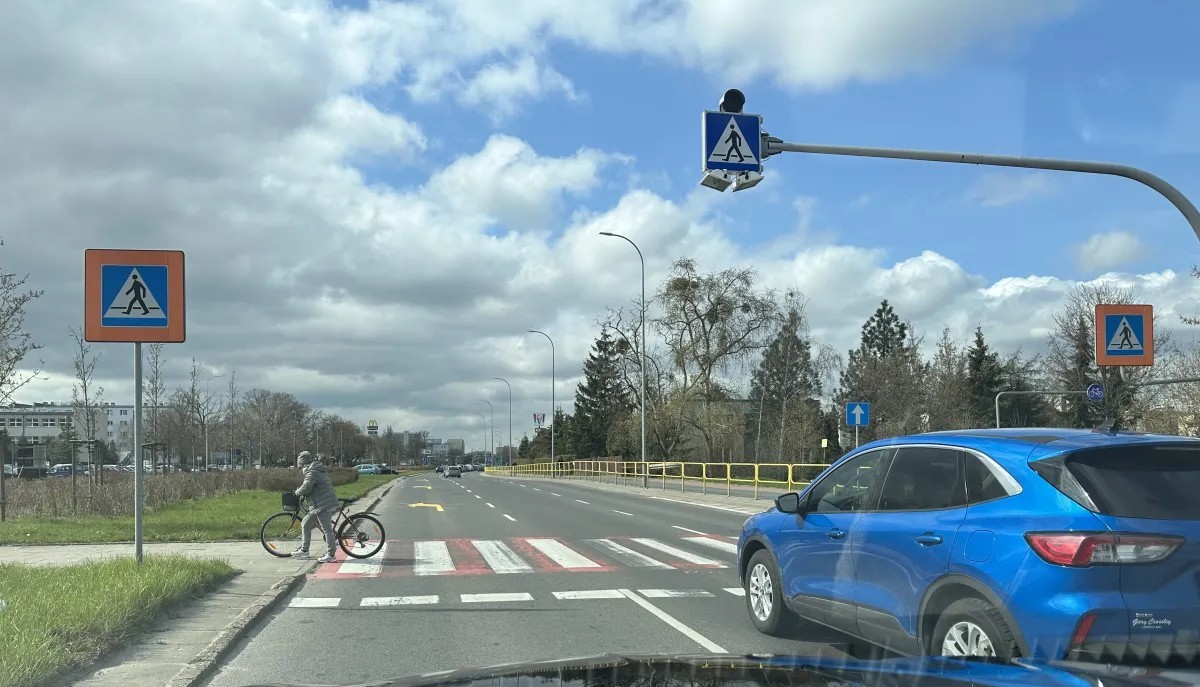 In the presented situation, despite exercising utmost caution, are you restricted from overtaking the vehicle in front of you?КомментарийBefore overtaking, check the road markings, signs, visibility, the vehicle behind and the space needed to return safely. The manoeuvre must be completed without forcing another road user to brake or change direction.In the presented situation, despite exercising utmost caution, are you restricted from overtaking the vehicle in front of you?
-
In the presented scenario, is it permissible to overtake the vehicle in front of you, provided that due caution is exercised?КомментарийBefore overtaking, check the road markings, signs, visibility, the vehicle behind and the space needed to return safely. The manoeuvre must be completed without forcing another road user to brake or change direction.In the presented scenario, is it permissible to overtake the vehicle in front of you, provided that due caution is exercised?
-
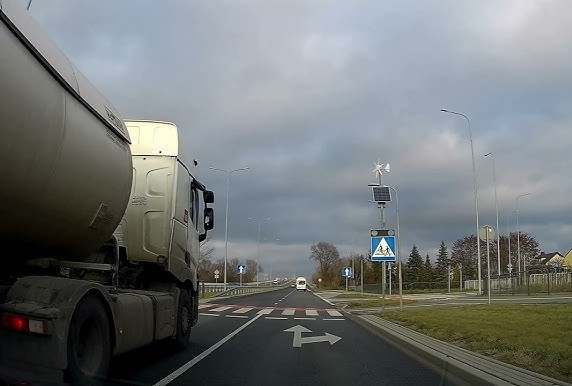 In the situation presented, is it permissible to overtake the vehicle in front from the right side while exercising utmost caution?КомментарийBefore overtaking, check the road markings, signs, visibility, the vehicle behind and the space needed to return safely. The manoeuvre must be completed without forcing another road user to brake or change direction.In the situation presented, is it permissible to overtake the vehicle in front from the right side while exercising utmost caution?
-
In the situation depicted, despite exercising utmost caution, are you prohibited from overtaking?КомментарийBefore overtaking, check the road markings, signs, visibility, the vehicle behind and the space needed to return safely. The manoeuvre must be completed without forcing another road user to brake or change direction.In the situation depicted, despite exercising utmost caution, are you prohibited from overtaking?
-
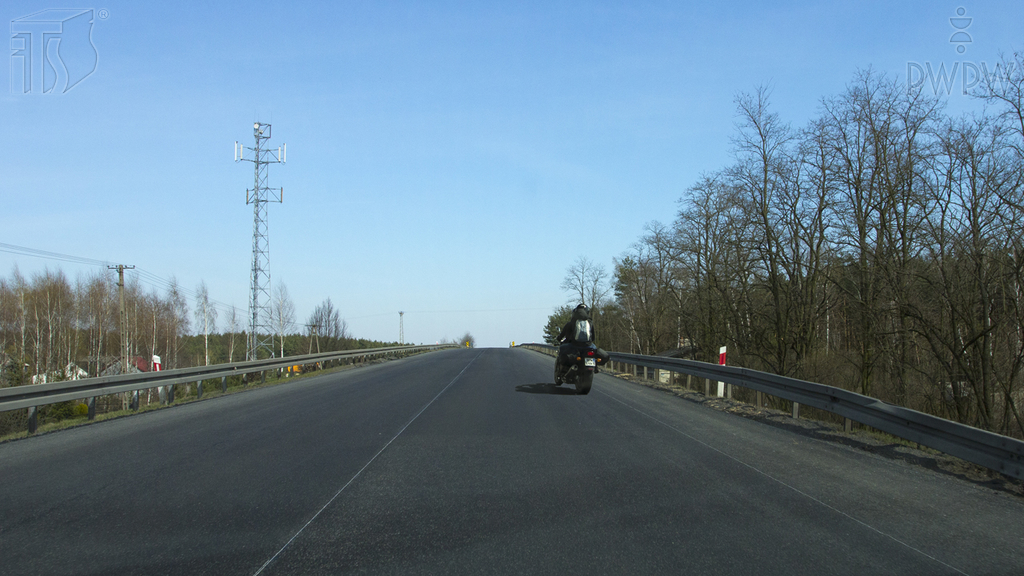 In this scenario, as you approach the crest of the hill on a two-way road, are you permitted to overtake the motorbike?КомментарийBefore overtaking, check the road markings, signs, visibility, the vehicle behind and the space needed to return safely. The manoeuvre must be completed without forcing another road user to brake or change direction.In this scenario, as you approach the crest of the hill on a two-way road, are you permitted to overtake the motorbike?
-
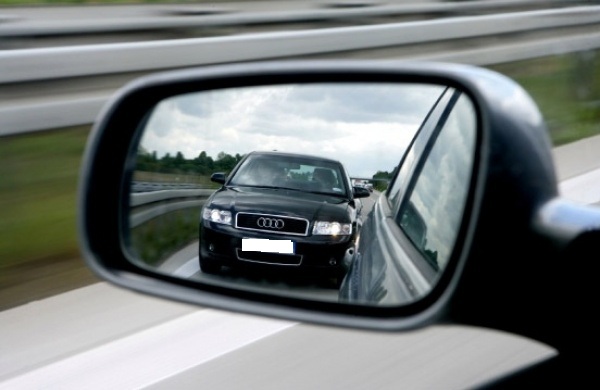 Before you attempt to overtake, are you required to ensure that the driver behind you hasn't already begun the overtaking manoeuvre?КомментарийBefore overtaking, check the road markings, signs, visibility, the vehicle behind and the space needed to return safely. The manoeuvre must be completed without forcing another road user to brake or change direction.Before you attempt to overtake, are you required to ensure that the driver behind you hasn't already begun the overtaking manoeuvre?
-
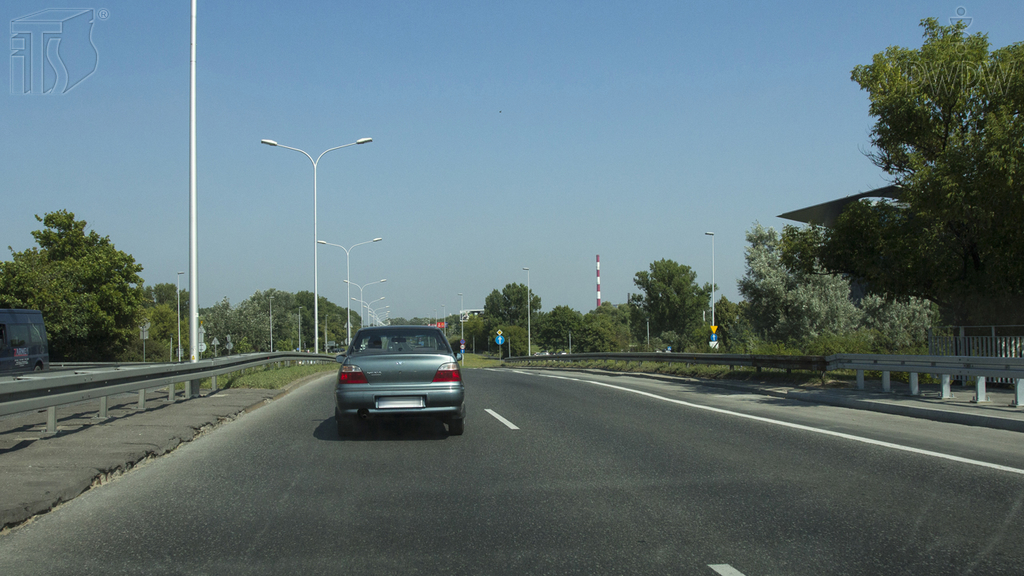 In this situation, are you prohibited from overtaking the vehicle in front of you on the right-hand side when driving on a one-way road outside a built-up area?КомментарийBefore overtaking, check the road markings, signs, visibility, the vehicle behind and the space needed to return safely. The manoeuvre must be completed without forcing another road user to brake or change direction.In this situation, are you prohibited from overtaking the vehicle in front of you on the right-hand side when driving on a one-way road outside a built-up area?
-
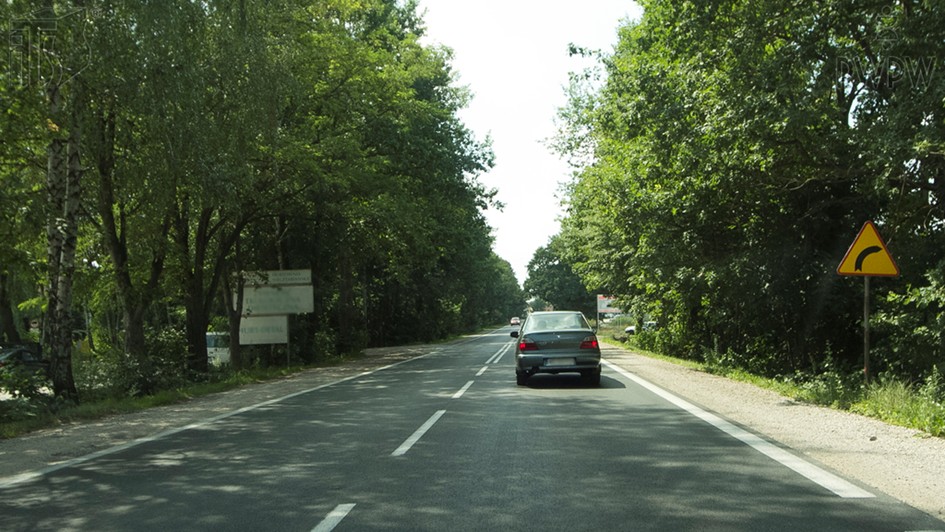 In this scenario, are you allowed to begin the overtaking manoeuvre of the preceding vehicle while exercising extreme caution?КомментарийBefore overtaking, check the road markings, signs, visibility, the vehicle behind and the space needed to return safely. The manoeuvre must be completed without forcing another road user to brake or change direction.In this scenario, are you allowed to begin the overtaking manoeuvre of the preceding vehicle while exercising extreme caution?
-
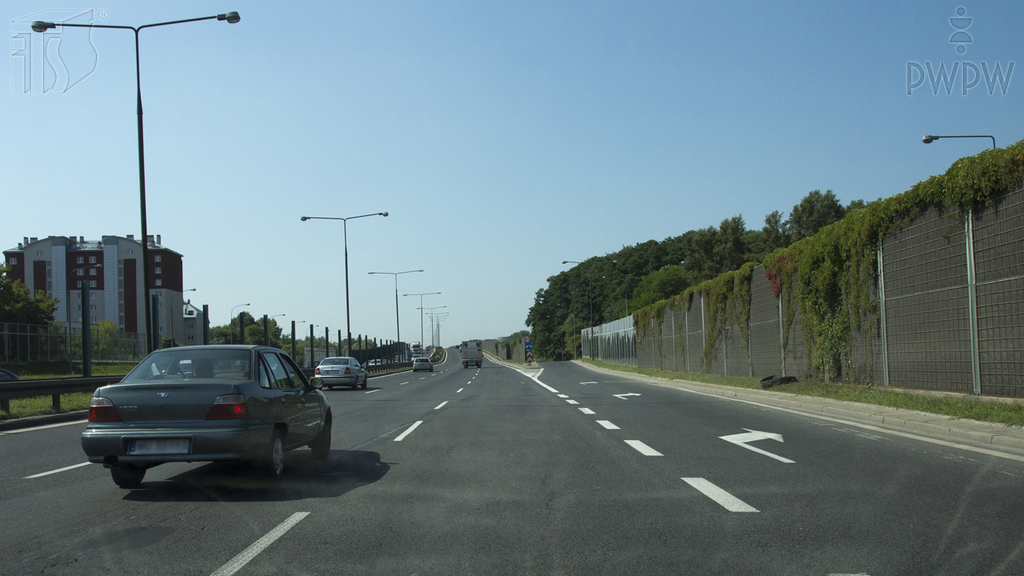 In this situation, outside a built-up area, are you prohibited from overtaking the vehicle in front of you on the right?КомментарийBefore overtaking, check the road markings, signs, visibility, the vehicle behind and the space needed to return safely. The manoeuvre must be completed without forcing another road user to brake or change direction.In this situation, outside a built-up area, are you prohibited from overtaking the vehicle in front of you on the right?
-
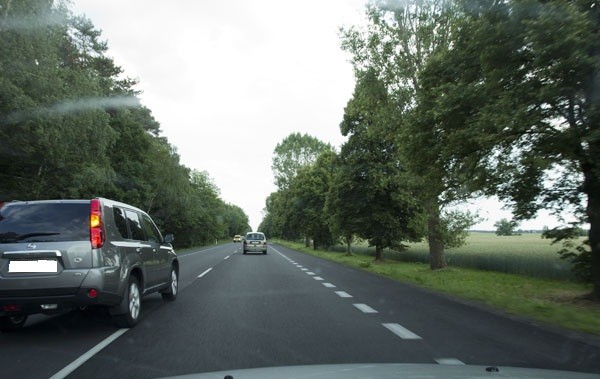 When driving a vehicle that's being overtaken, are you permitted to slightly increase your speed during or right after the overtaking manoeuvre?КомментарийBefore overtaking, check the road markings, signs, visibility, the vehicle behind and the space needed to return safely. The manoeuvre must be completed without forcing another road user to brake or change direction.When driving a vehicle that's being overtaken, are you permitted to slightly increase your speed during or right after the overtaking manoeuvre?
-
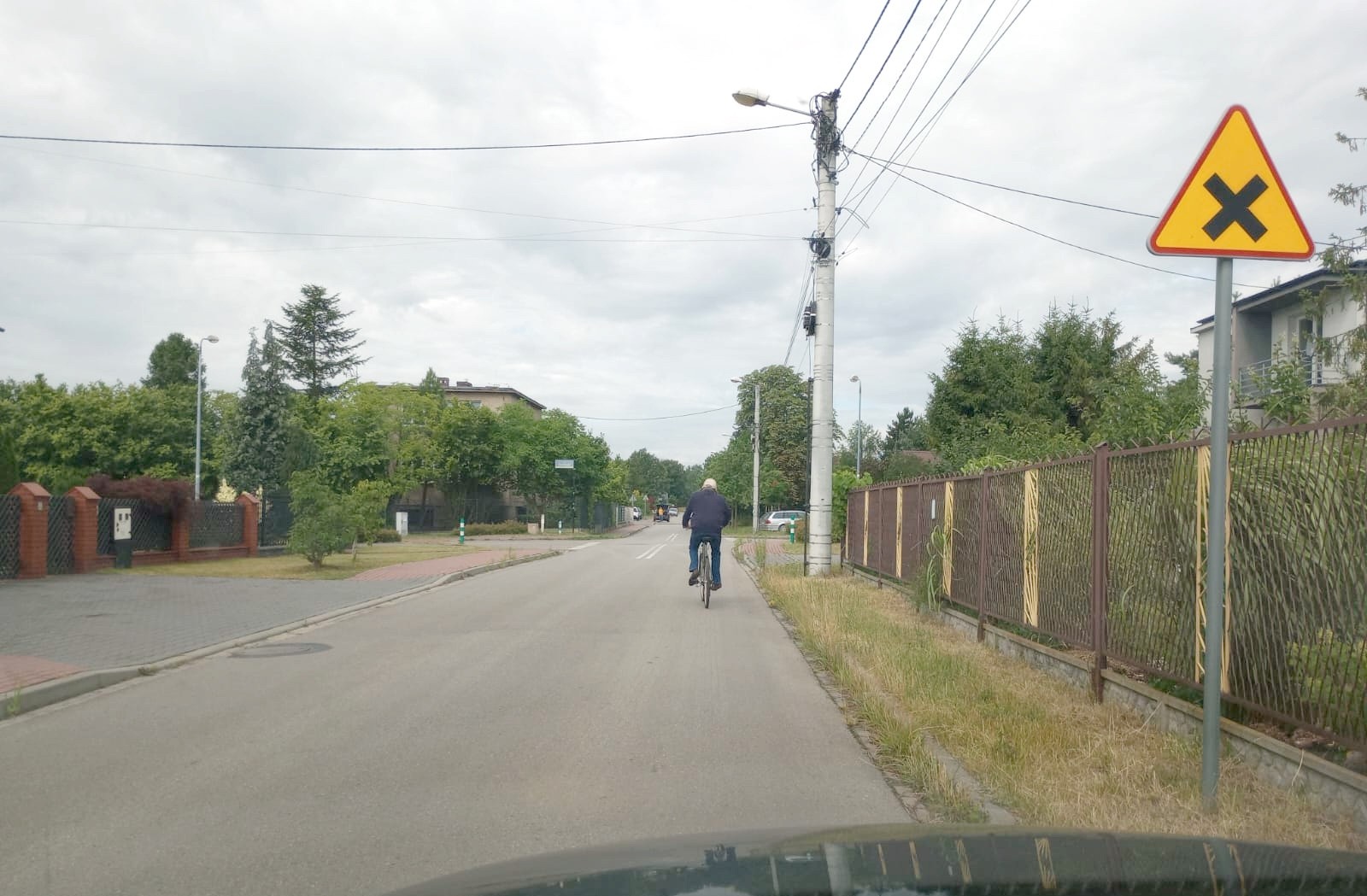 In this scenario, while it's not against the rules to overtake cyclists at intersections, should you avoid doing so, as it might create a safety hazard due to limited visibility?КомментарийBefore overtaking, check the road markings, signs, visibility, the vehicle behind and the space needed to return safely. The manoeuvre must be completed without forcing another road user to brake or change direction.In this scenario, while it's not against the rules to overtake cyclists at intersections, should you avoid doing so, as it might create a safety hazard due to limited visibility?
Test №63
1 / 32 тест
.wmv)
.wmv)