-
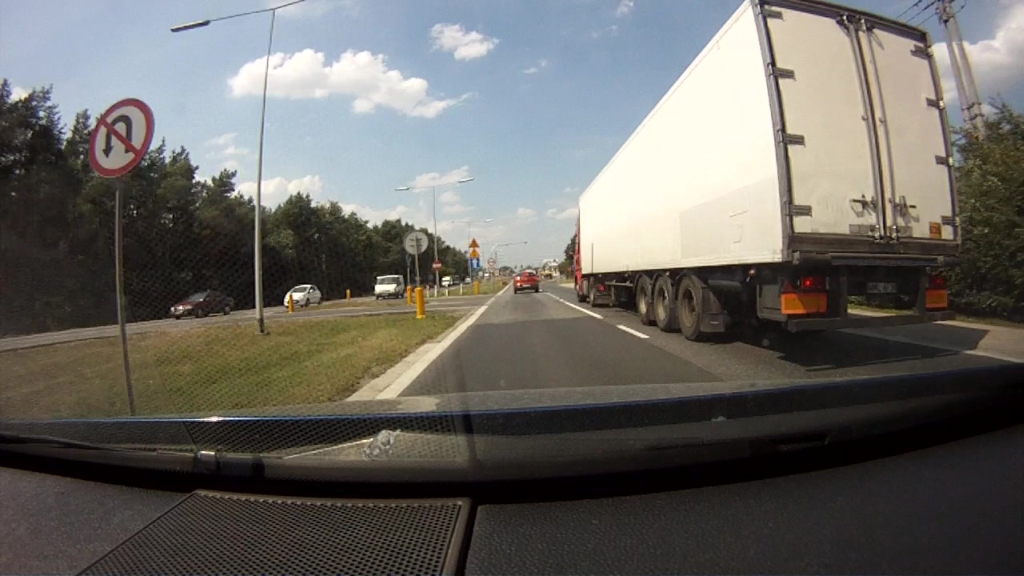 In the presented situation, is it allowed to make a U-turn?КомментарийThe legality of the turn depends on the signs, road markings, lane position and the paths of other road users shown. Before turning, make sure the manoeuvre does not conflict with a protected or opposing movement.In the presented situation, is it allowed to make a U-turn?
-
Does the visible prohibition sign apply only to the nearest intersection inclusive?КомментарийThe decisive point is the specific traffic rule described in the question and the conditions in which it applies. Consider the vehicle, road type and surrounding traffic before choosing the applicable rule.Does the visible prohibition sign apply only to the nearest intersection inclusive?
-
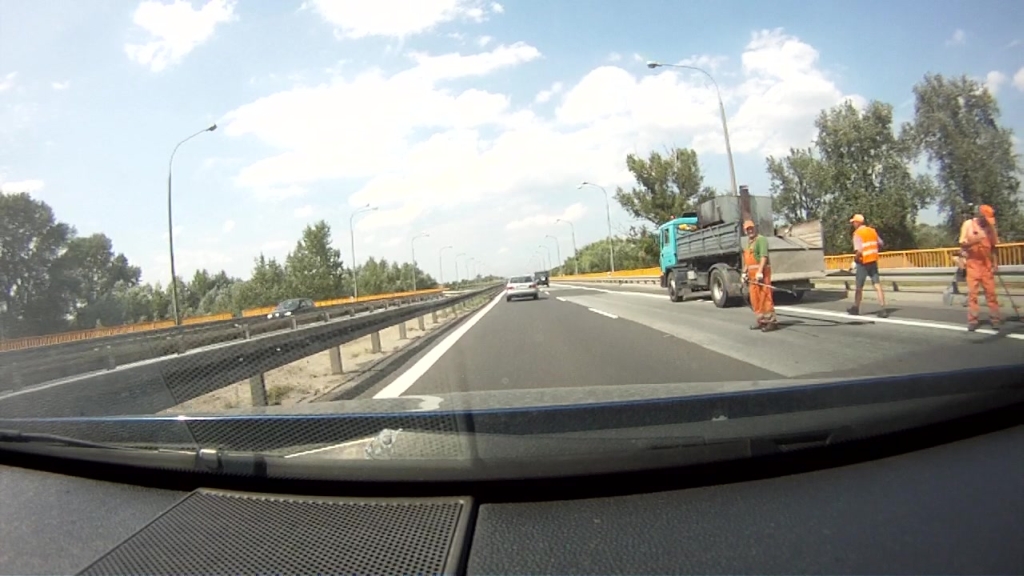 Can the person performing roadworks on a road on behalf of or with the consent of the road administration give commands or signals to road users?КомментарийThe decisive point is the specific traffic rule described in the question and the conditions in which it applies. Consider the vehicle, road type and surrounding traffic before choosing the applicable rule.Can the person performing roadworks on a road on behalf of or with the consent of the road administration give commands or signals to road users?
-
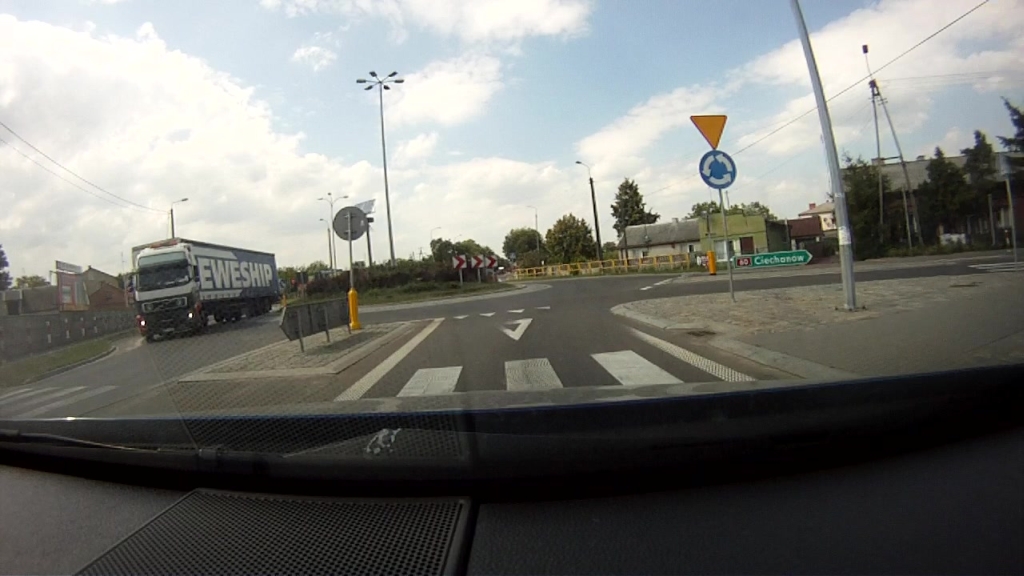 In the presented situation, are you obliged to yield the right of way to the vehicle in the roundabout?КомментарийPriority is determined by the signs, signals, road markings and the paths of the vehicles shown. The important point is not simply who arrives first, but which movement is required to give way under the applicable rule.In the presented situation, are you obliged to yield the right of way to the vehicle in the roundabout?
-
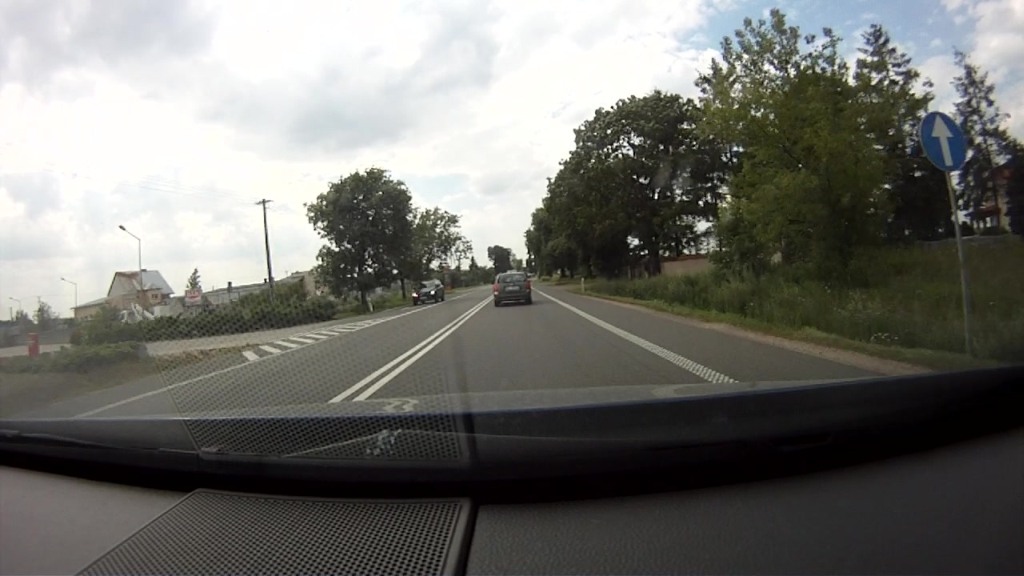 In the presented situation, can you turn left at the visible intersection?КомментарийThe legality of the turn depends on the signs, road markings, lane position and the paths of other road users shown. Before turning, make sure the manoeuvre does not conflict with a protected or opposing movement.In the presented situation, can you turn left at the visible intersection?
-
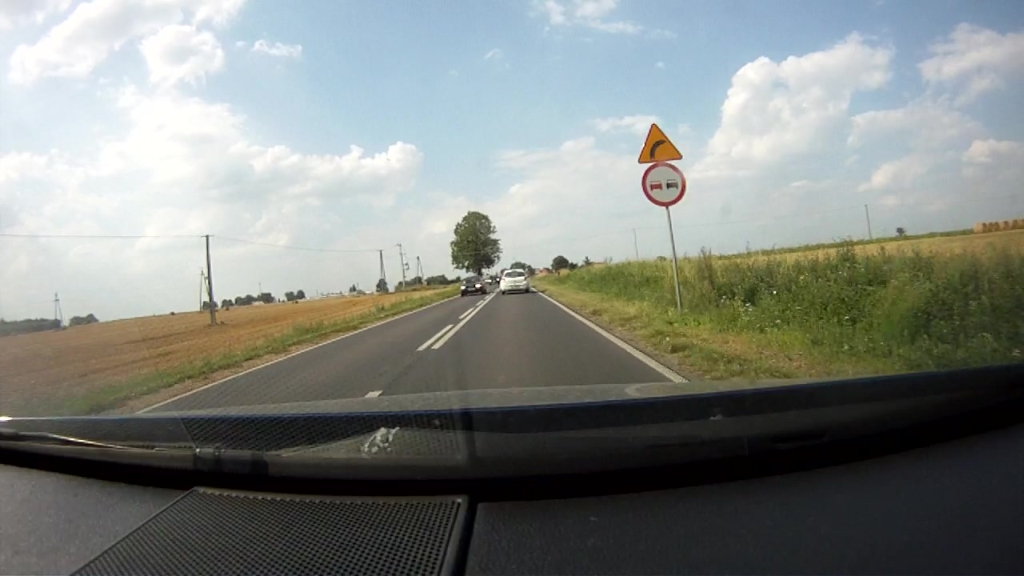 On the presented road, does the sign prohibiting overtaking cease to apply at the end of the bend?КомментарийBefore overtaking, check the road markings, signs, visibility, the vehicle behind and the space needed to return safely. The manoeuvre must be completed without forcing another road user to brake or change direction.On the presented road, does the sign prohibiting overtaking cease to apply at the end of the bend?
-
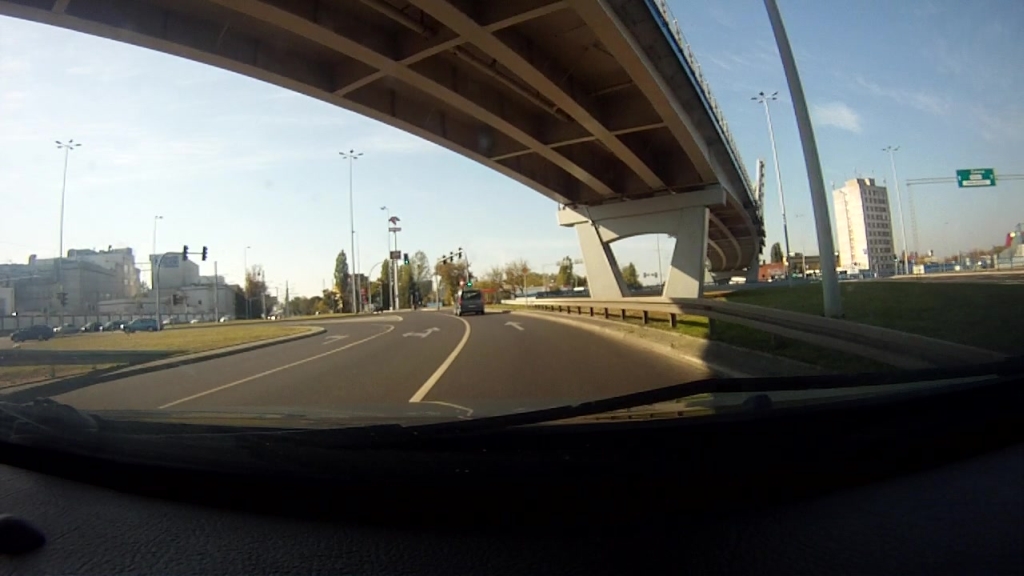 Is it allowed in the presented situation to stop the vehicle on the roadway?КомментарийThe need to brake depends on the hazard visible ahead, the road surface and the stopping distance available. Braking should begin early enough to keep the vehicle under control and avoid a conflict with other road users.Is it allowed in the presented situation to stop the vehicle on the roadway?
-
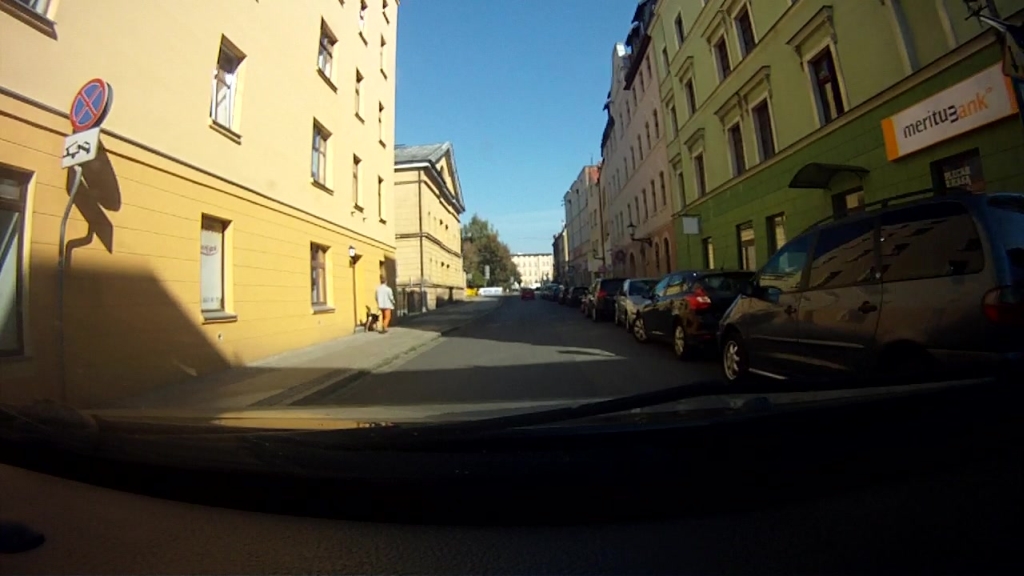 Does the visible prohibition sign only apply to the pavement?КомментарийA pavement or pedestrian path is primarily intended for pedestrians. When a vehicle is permitted to cross it, the driver must do so without forcing pedestrians to stop, slow down or change their path.Does the visible prohibition sign only apply to the pavement?
-
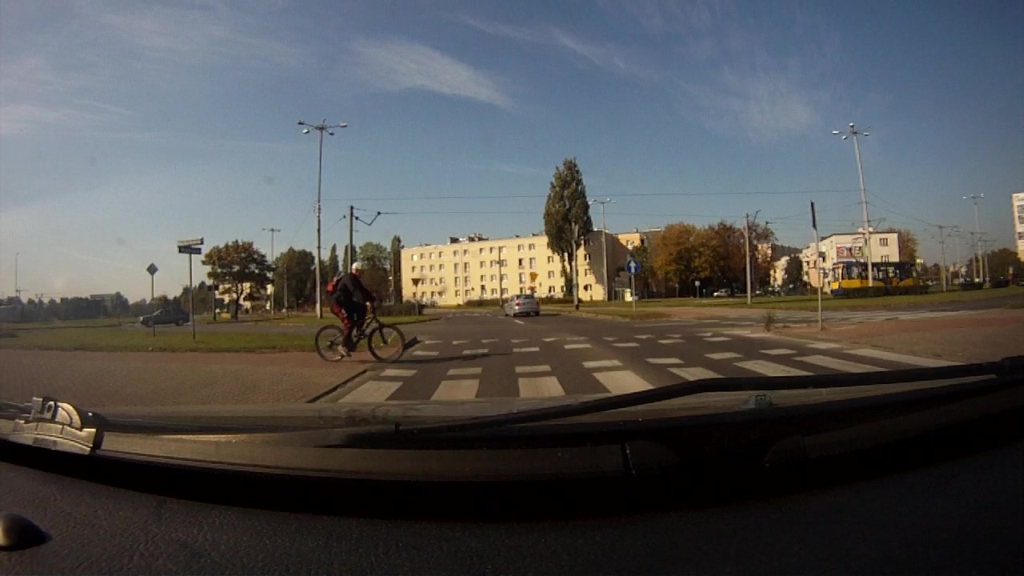 In the presented situation, do you yield priority to the cyclist?КомментарийWhen dealing with a cyclist, consider the cyclist's position, the marked lane and the direction of travel. The driver must leave the required space and avoid a manoeuvre that would cut across the cyclist's path.In the presented situation, do you yield priority to the cyclist?
-
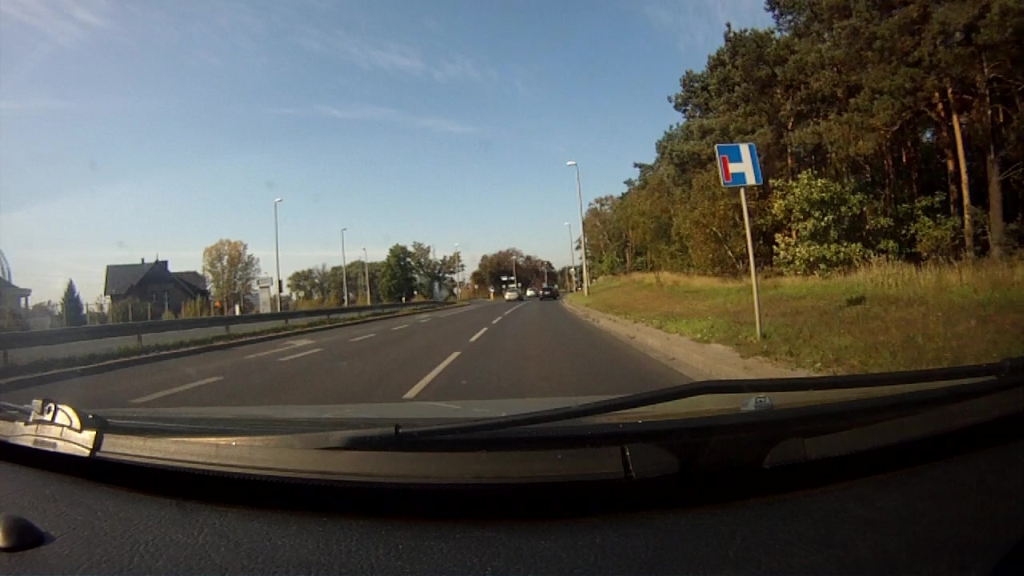 In this situation, when turning left at the nearest intersection are you entering a no through road?КомментарийThe legality of the turn depends on the signs, road markings, lane position and the paths of other road users shown. Before turning, make sure the manoeuvre does not conflict with a protected or opposing movement.In this situation, when turning left at the nearest intersection are you entering a no through road?
-
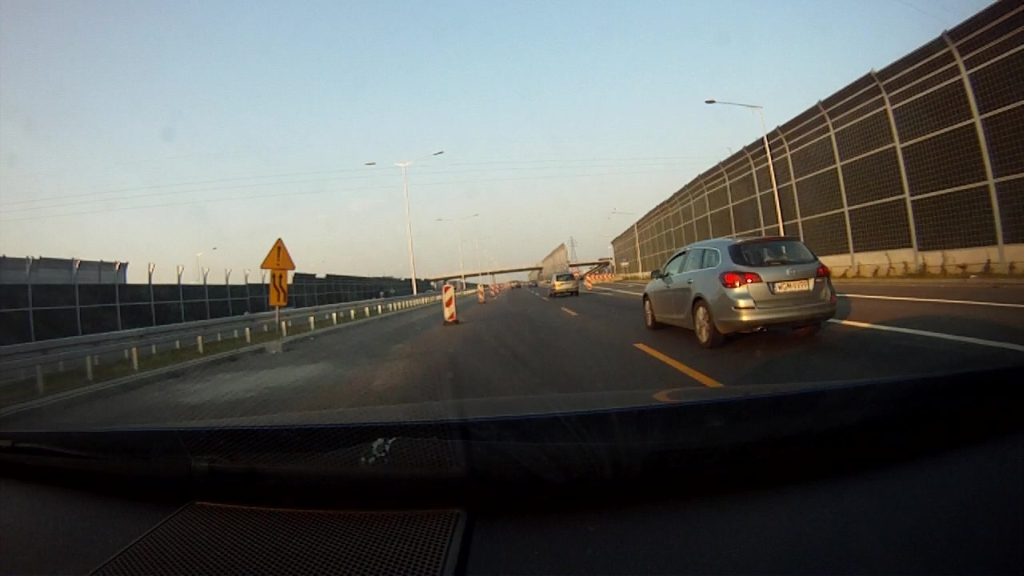 In the presented situation, do the signs warn you of an unexpected change in the traffic direction?КомментарийThe decisive point is the specific traffic rule described in the question and the conditions in which it applies. Consider the vehicle, road type and surrounding traffic before choosing the applicable rule.In the presented situation, do the signs warn you of an unexpected change in the traffic direction?
-
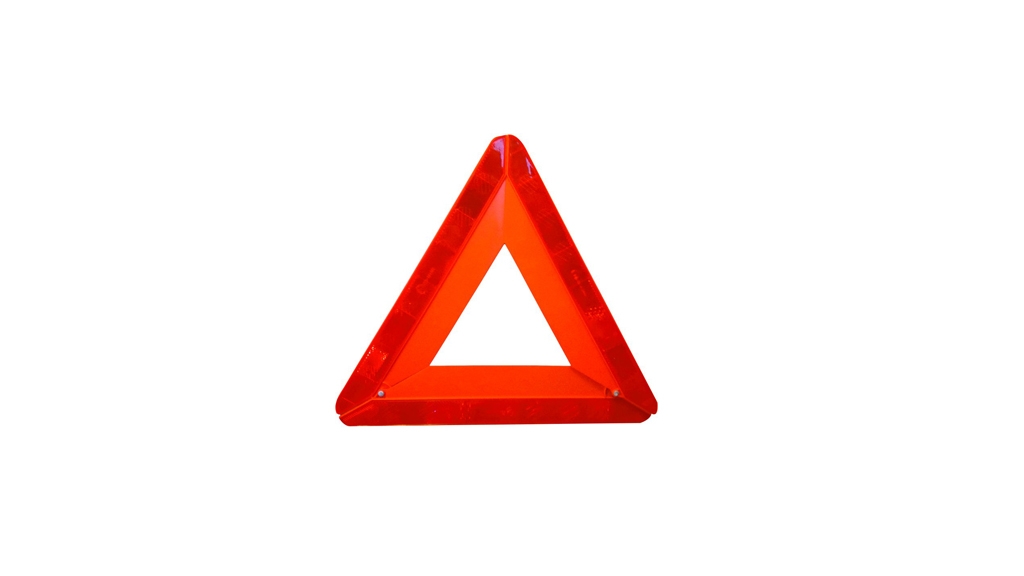 Is the vehicle driver obliged to signal the stop of a motor vehicle or trailer as a result of damage or an accident on the highway?КомментарийA trailer load must be distributed and secured so that it remains stable while driving. It must not shift, fall, obstruct lights or registration plates, or exceed the permitted loads.Is the vehicle driver obliged to signal the stop of a motor vehicle or trailer as a result of damage or an accident on the highway?
-
Is the vehicle driver obliged to signal the stop of a motor vehicle or trailer due to damage or an accident on the expressway?КомментарийA trailer load must be distributed and secured so that it remains stable while driving. It must not shift, fall, obstruct lights or registration plates, or exceed the permitted loads.Is the vehicle driver obliged to signal the stop of a motor vehicle or trailer due to damage or an accident on the expressway?
-
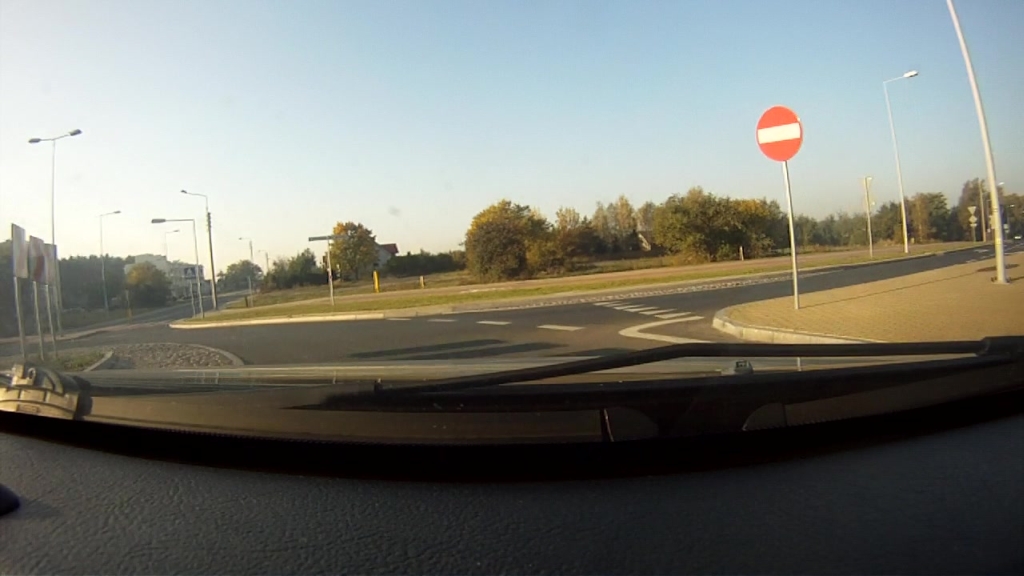 Can you turn right in the presented situation?КомментарийThe legality of the turn depends on the signs, road markings, lane position and the paths of other road users shown. Before turning, make sure the manoeuvre does not conflict with a protected or opposing movement.Can you turn right in the presented situation?
-
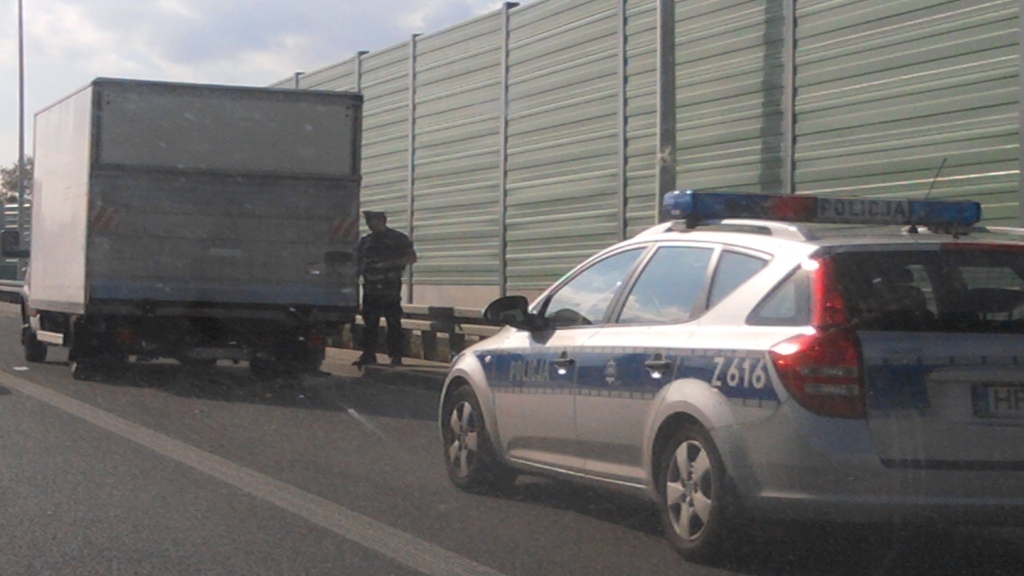 Upon stopping a vehicle for inspection, can the driver exit the vehicle without the permission of the traffic officer?КомментарийOn a slippery surface, available grip is limited. Smooth steering, gentle acceleration and braking, a lower speed and a larger safety margin reduce the risk of losing control.Upon stopping a vehicle for inspection, can the driver exit the vehicle without the permission of the traffic officer?
-
Upon stopping a vehicle for inspection, should the driver keep his or her hands on the steering wheel?КомментарийThe decisive point is the specific traffic rule described in the question and the conditions in which it applies. Consider the vehicle, road type and surrounding traffic before choosing the applicable rule.Upon stopping a vehicle for inspection, should the driver keep his or her hands on the steering wheel?
-
In this situation, does the traffic police officer permit you to turn left at the intersection?КомментарийOn a slippery surface, available grip is limited. Smooth steering, gentle acceleration and braking, a lower speed and a larger safety margin reduce the risk of losing control.In this situation, does the traffic police officer permit you to turn left at the intersection?
-
In this situation, do you have priority over the cyclist coming from the left?КомментарийWhen dealing with a cyclist, consider the cyclist's position, the marked lane and the direction of travel. The driver must leave the required space and avoid a manoeuvre that would cut across the cyclist's path.In this situation, do you have priority over the cyclist coming from the left?
-
Does this sign warn you of a danger?КомментарийThe decisive point is the specific traffic rule described in the question and the conditions in which it applies. Consider the vehicle, road type and surrounding traffic before choosing the applicable rule.Does this sign warn you of a danger?
-
Does this sign warn of possible road frosting or doves on the road?КомментарийThe decisive point is the specific traffic rule described in the question and the conditions in which it applies. Consider the vehicle, road type and surrounding traffic before choosing the applicable rule.Does this sign warn of possible road frosting or doves on the road?
-
In this situation, are you on a road with priority?КомментарийPriority is determined by the signs, signals, road markings and the paths of the vehicles shown. The important point is not simply who arrives first, but which movement is required to give way under the applicable rule.In this situation, are you on a road with priority?
-
In this situation, are you approaching an intersection of roads where the priority is determined by road signs?КомментарийPriority is determined by the signs, signals, road markings and the paths of the vehicles shown. The important point is not simply who arrives first, but which movement is required to give way under the applicable rule.In this situation, are you approaching an intersection of roads where the priority is determined by road signs?
-
In this situation, are you warned of approaching a crossroads without right of way?КомментарийPriority is determined by the signs, signals, road markings and the paths of the vehicles shown. The important point is not simply who arrives first, but which movement is required to give way under the applicable rule.In this situation, are you warned of approaching a crossroads without right of way?
-
Does this sign warn you of approaching a crossroads with a side road to the left?КомментарийThe decisive point is the specific traffic rule described in the question and the conditions in which it applies. Consider the vehicle, road type and surrounding traffic before choosing the applicable rule.Does this sign warn you of approaching a crossroads with a side road to the left?
-
In this situation, are you warned of a place on a road that is particularly frequented by children or of the proximity of such a place?КомментарийThe warning sign shown gives information about a hazard or road arrangement ahead. Its exact meaning must be read from the symbol and supplementary plate, rather than inferred only from the shape of the road.In this situation, are you warned of a place on a road that is particularly frequented by children or of the proximity of such a place?
-
In this situation, are you warned of a designated pedestrian crossing?КомментарийThe driver's duty depends on the pedestrian's position, the type of crossing and the movement shown. Approach slowly enough to stop and do not use the vehicle's movement to force a pedestrian to change speed or direction.In this situation, are you warned of a designated pedestrian crossing?
-
In this situation, are you warned of a narrowing on both sides of the road that could impede traffic?КомментарийThe warning sign shown gives information about a hazard or road arrangement ahead. Its exact meaning must be read from the symbol and supplementary plate, rather than inferred only from the shape of the road.In this situation, are you warned of a narrowing on both sides of the road that could impede traffic?
-
In this situation, are you warned of road narrowing that may impede traffic?КомментарийThe warning sign shown gives information about a hazard or road arrangement ahead. Its exact meaning must be read from the symbol and supplementary plate, rather than inferred only from the shape of the road.In this situation, are you warned of road narrowing that may impede traffic?
-
In this situation, are you approaching a crossroads with circular traffic?КомментарийThe decisive point is the specific traffic rule described in the question and the conditions in which it applies. Consider the vehicle, road type and surrounding traffic before choosing the applicable rule.In this situation, are you approaching a crossroads with circular traffic?
-
In this situation, do you have to stop exactly before the vertical sign "Stop"?КомментарийThe decisive point is the specific traffic rule described in the question and the conditions in which it applies. Consider the vehicle, road type and surrounding traffic before choosing the applicable rule.In this situation, do you have to stop exactly before the vertical sign "Stop"?
-
Are you allowed to continue driving right without stopping?КомментарийThe decisive point is the specific traffic rule described in the question and the conditions in which it applies. Consider the vehicle, road type and surrounding traffic before choosing the applicable rule.Are you allowed to continue driving right without stopping?
Test №53
1 / 32 тест


