-
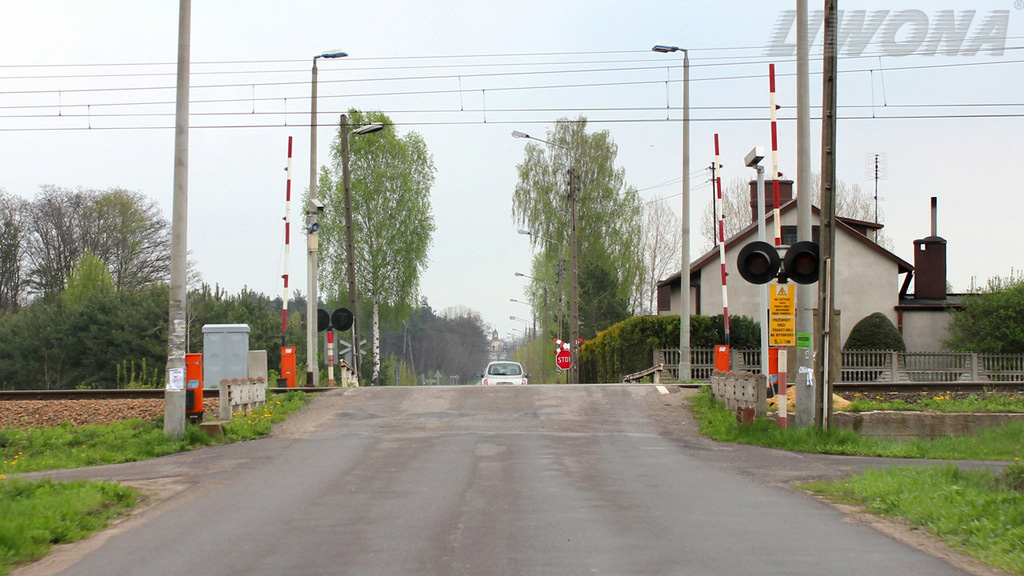 Are you permitted, in this situation to enter the level crossing only after making sure that no rail vehicle is approaching?КомментарийAt a level crossing, the driver must assess the crossing itself, the warning signals and the possibility of a rail vehicle approaching. Raised barriers do not by themselves guarantee that the crossing is safe to enter.Are you permitted, in this situation to enter the level crossing only after making sure that no rail vehicle is approaching?
-
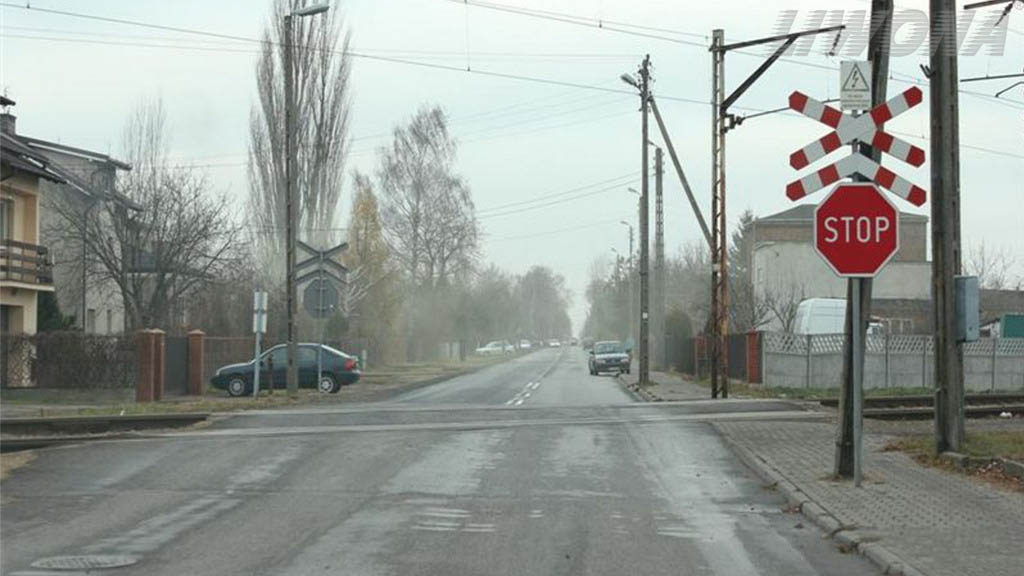 In the situation presented. are you obliged to exercise special caution, stop the vehicle and make sure that no rail vehicle is approaching?КомментарийAt a level crossing, the driver must assess the crossing itself, the warning signals and the possibility of a rail vehicle approaching. Raised barriers do not by themselves guarantee that the crossing is safe to enter.In the situation presented. are you obliged to exercise special caution, stop the vehicle and make sure that no rail vehicle is approaching?
-
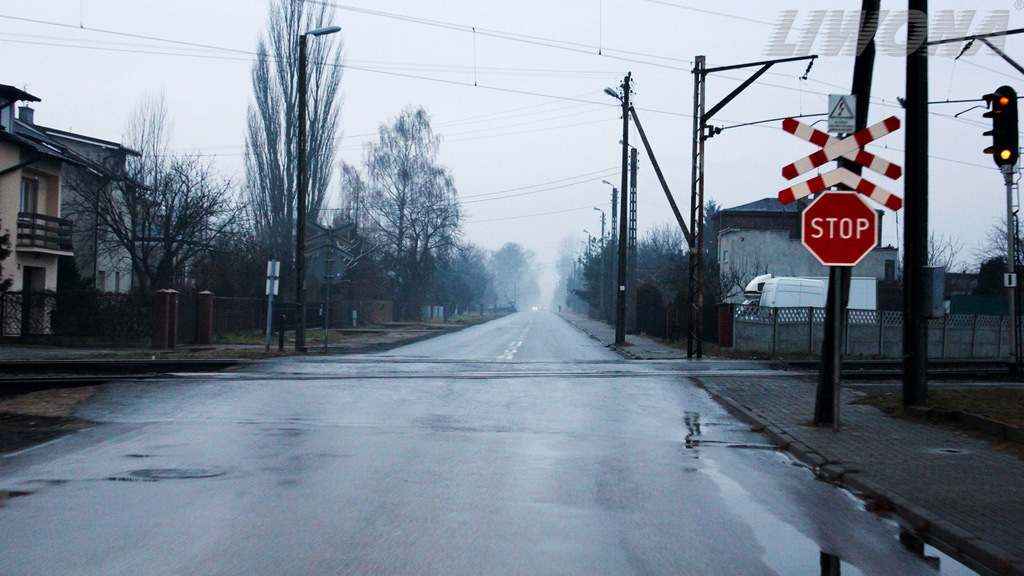 When approaching a level crossing, are you obliged to apply the principle of special caution?КомментарийAt a level crossing, the driver must assess the crossing itself, the warning signals and the possibility of a rail vehicle approaching. Raised barriers do not by themselves guarantee that the crossing is safe to enter.When approaching a level crossing, are you obliged to apply the principle of special caution?
-
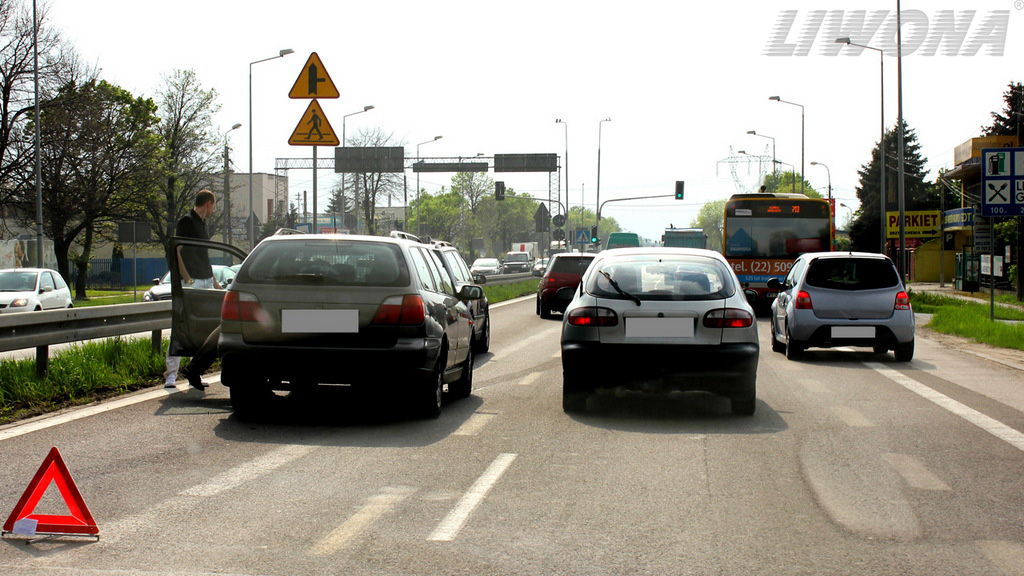 You are involved in a motor accident in such a place on the road in a built-up area. Are you obliged to signal the stop of the motor vehicle?КомментарийThe road environment indicated by the sign changes which traffic rules and restrictions apply. Identify the zone first, then apply the rule to the vehicle and manoeuvre shown.You are involved in a motor accident in such a place on the road in a built-up area. Are you obliged to signal the stop of the motor vehicle?
-
Does this sign inform you of the minimum speed at which you are allowed to travel?КомментарийThe decisive point is the specific traffic rule described in the question and the conditions in which it applies. Consider the vehicle, road type and surrounding traffic before choosing the applicable rule.Does this sign inform you of the minimum speed at which you are allowed to travel?
-
In the presented situation, do you have the right to stop the vehicle on the roadway on the bridge?КомментарийThe need to brake depends on the hazard visible ahead, the road surface and the stopping distance available. Braking should begin early enough to keep the vehicle under control and avoid a conflict with other road users.In the presented situation, do you have the right to stop the vehicle on the roadway on the bridge?
-
In the presented situation, are you allowed to make a U-turn at the intersection?КомментарийThe legality of the turn depends on the signs, road markings, lane position and the paths of other road users shown. Before turning, make sure the manoeuvre does not conflict with a protected or opposing movement.In the presented situation, are you allowed to make a U-turn at the intersection?
-
In this situation, are you informed of travelling on a one-way road?КомментарийThe decisive point is the specific traffic rule described in the question and the conditions in which it applies. Consider the vehicle, road type and surrounding traffic before choosing the applicable rule.In this situation, are you informed of travelling on a one-way road?
-
In this situation, do you have the right of way at the narrowed section of the roadway?КомментарийPriority is determined by the signs, signals, road markings and the paths of the vehicles shown. The important point is not simply who arrives first, but which movement is required to give way under the applicable rule.In this situation, do you have the right of way at the narrowed section of the roadway?
-
Are you entitled in this situation, to enter the road beyond this vertical sign, if you do not pose a traffic problem to other vehicles?КомментарийThe decisive point is the specific traffic rule described in the question and the conditions in which it applies. Consider the vehicle, road type and surrounding traffic before choosing the applicable rule.Are you entitled in this situation, to enter the road beyond this vertical sign, if you do not pose a traffic problem to other vehicles?
-
In this situation, do you have a right to enter the intersection without stopping?КомментарийThe decisive point is the specific traffic rule described in the question and the conditions in which it applies. Consider the vehicle, road type and surrounding traffic before choosing the applicable rule.In this situation, do you have a right to enter the intersection without stopping?
-
In this situation, do you have the right to drive straight ahead through the intersection?КомментарийThe decisive point is the specific traffic rule described in the question and the conditions in which it applies. Consider the vehicle, road type and surrounding traffic before choosing the applicable rule.In this situation, do you have the right to drive straight ahead through the intersection?
-
In this situation, should stopping the vehicle in order to yield the right of way occur each time before the "STOP" sign?КомментарийPriority is determined by the signs, signals, road markings and the paths of the vehicles shown. The important point is not simply who arrives first, but which movement is required to give way under the applicable rule.In this situation, should stopping the vehicle in order to yield the right of way occur each time before the "STOP" sign?
-
In this situation, when turning right can you enter the intersection without stopping?КомментарийThe legality of the turn depends on the signs, road markings, lane position and the paths of other road users shown. Before turning, make sure the manoeuvre does not conflict with a protected or opposing movement.In this situation, when turning right can you enter the intersection without stopping?
-
Does the visible sign indicate that you should turn right at the nearest roadway?КомментарийThe legality of the turn depends on the signs, road markings, lane position and the paths of other road users shown. Before turning, make sure the manoeuvre does not conflict with a protected or opposing movement.Does the visible sign indicate that you should turn right at the nearest roadway?
-
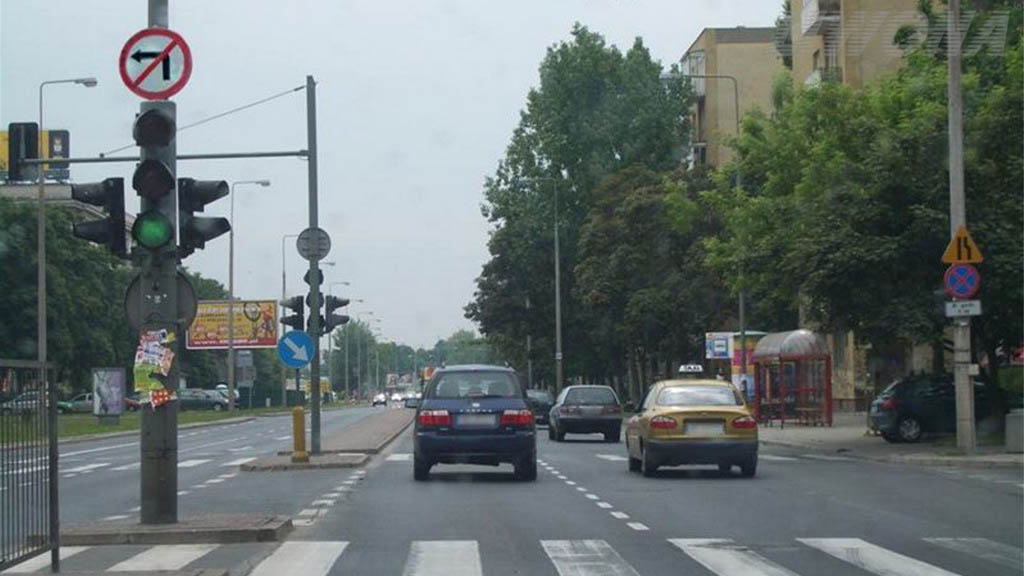
Does the prohibition expressed by this vertical sign prohibit you from turning left at the nearest intersection?КомментарийThe legality of the turn depends on the signs, road markings, lane position and the paths of other road users shown. Before turning, make sure the manoeuvre does not conflict with a protected or opposing movement.Does the prohibition expressed by this vertical sign prohibit you from turning left at the nearest intersection?
-
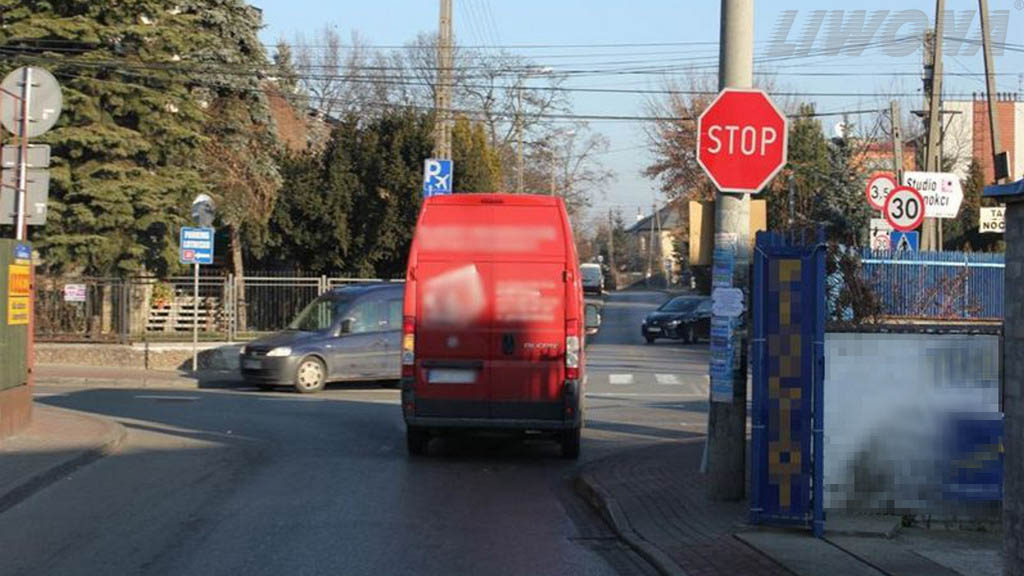 Is it permitted at this intersection to turn right without stopping?КомментарийThe legality of the turn depends on the signs, road markings, lane position and the paths of other road users shown. Before turning, make sure the manoeuvre does not conflict with a protected or opposing movement.Is it permitted at this intersection to turn right without stopping?
-
Stopping the vehicle at this intersection should occur before the "STOP" sign?КомментарийThe decisive point is the specific traffic rule described in the question and the conditions in which it applies. Consider the vehicle, road type and surrounding traffic before choosing the applicable rule.Stopping the vehicle at this intersection should occur before the "STOP" sign?
-
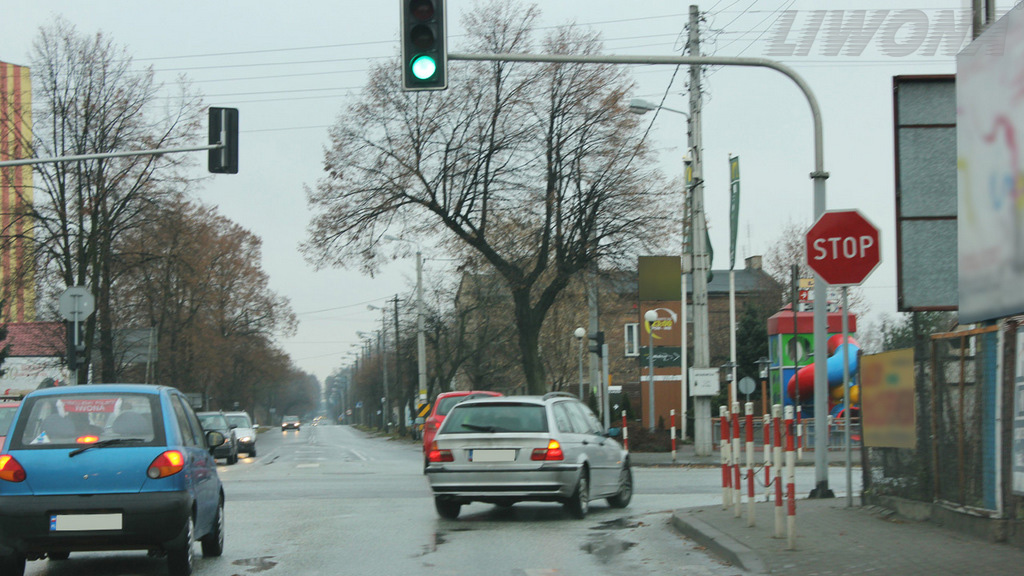 Are you obliged in this situation, to stop before the "STOP" sign if you intend to continue driving straight through the intersection?КомментарийThe decisive point is the specific traffic rule described in the question and the conditions in which it applies. Consider the vehicle, road type and surrounding traffic before choosing the applicable rule.Are you obliged in this situation, to stop before the "STOP" sign if you intend to continue driving straight through the intersection?
-
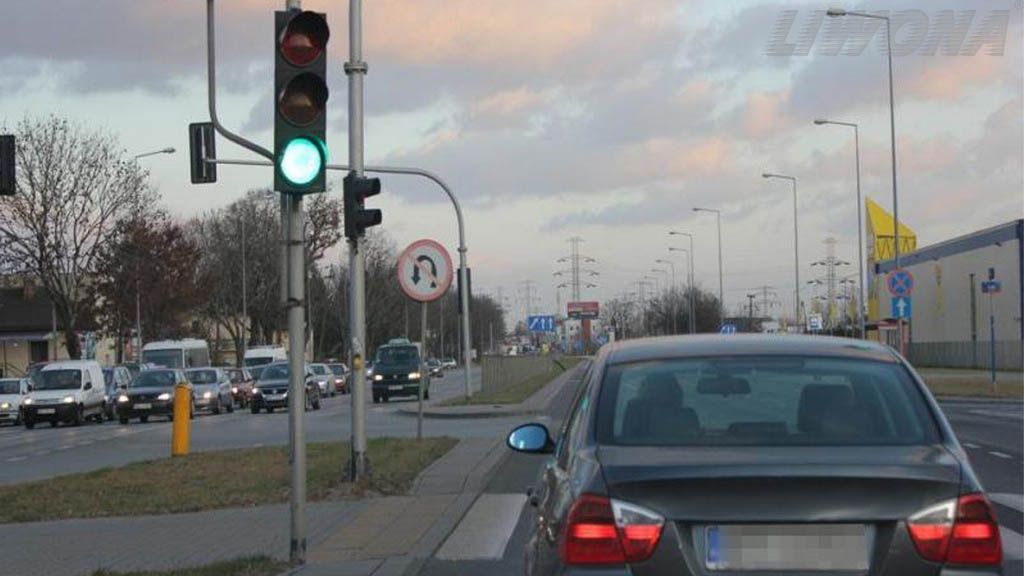 Are you permitted in the presented situation to make a U-turn?КомментарийThe legality of the turn depends on the signs, road markings, lane position and the paths of other road users shown. Before turning, make sure the manoeuvre does not conflict with a protected or opposing movement.Are you permitted in the presented situation to make a U-turn?
-
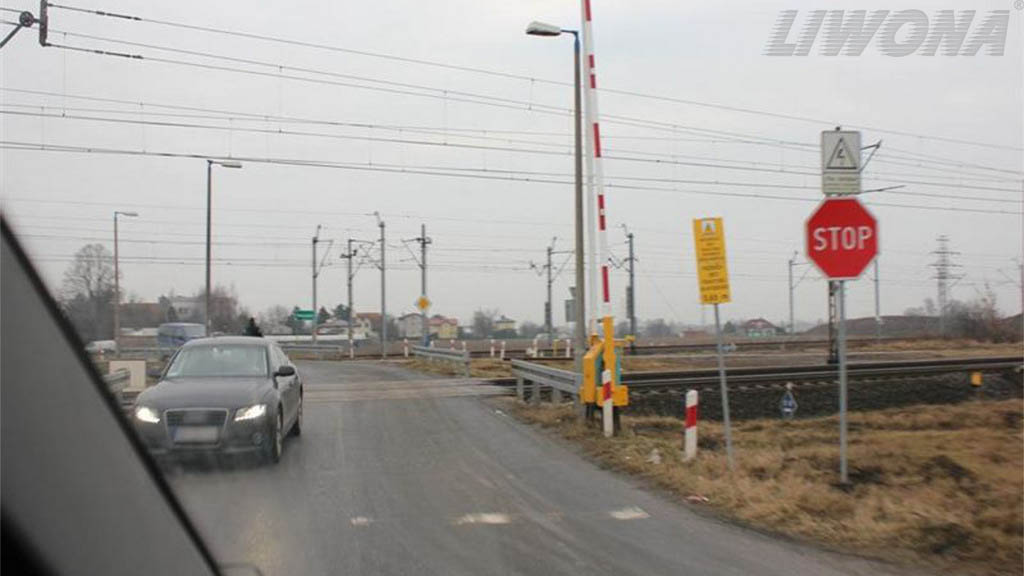 In the situation presented, are you entitled to drive through the level crossing without stopping, if there is no rail vehicle approaching?КомментарийAt a level crossing, the driver must assess the crossing itself, the warning signals and the possibility of a rail vehicle approaching. Raised barriers do not by themselves guarantee that the crossing is safe to enter.In the situation presented, are you entitled to drive through the level crossing without stopping, if there is no rail vehicle approaching?
-
In the visible situation, do you have the right to drive onto the level crossing, if there is no rail vehicle approaching?КомментарийAt a level crossing, the driver must assess the crossing itself, the warning signals and the possibility of a rail vehicle approaching. Raised barriers do not by themselves guarantee that the crossing is safe to enter.In the visible situation, do you have the right to drive onto the level crossing, if there is no rail vehicle approaching?
-
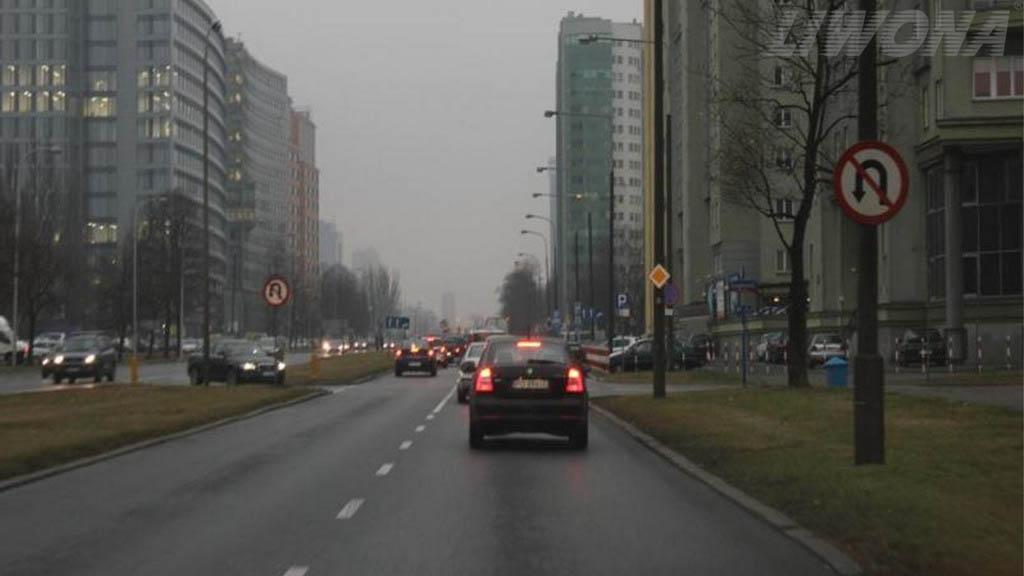 In the presenetd situation, are you entitled to make a U-turn at the nearest intersection?КомментарийThe legality of the turn depends on the signs, road markings, lane position and the paths of other road users shown. Before turning, make sure the manoeuvre does not conflict with a protected or opposing movement.In the presenetd situation, are you entitled to make a U-turn at the nearest intersection?
-
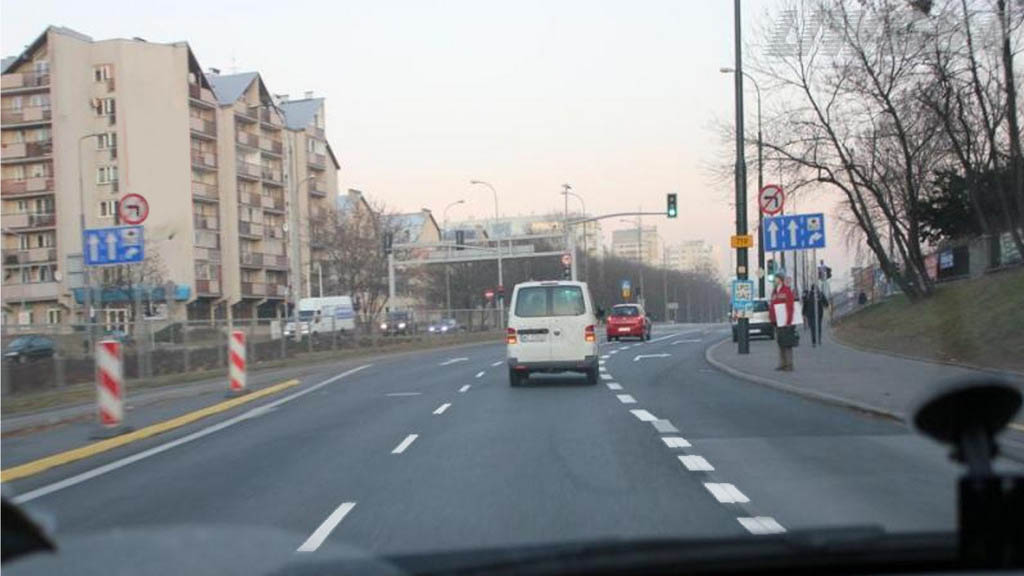 In the presented situation, are you entitled to make a U-turn at the nearest intersection?КомментарийThe legality of the turn depends on the signs, road markings, lane position and the paths of other road users shown. Before turning, make sure the manoeuvre does not conflict with a protected or opposing movement.In the presented situation, are you entitled to make a U-turn at the nearest intersection?
-
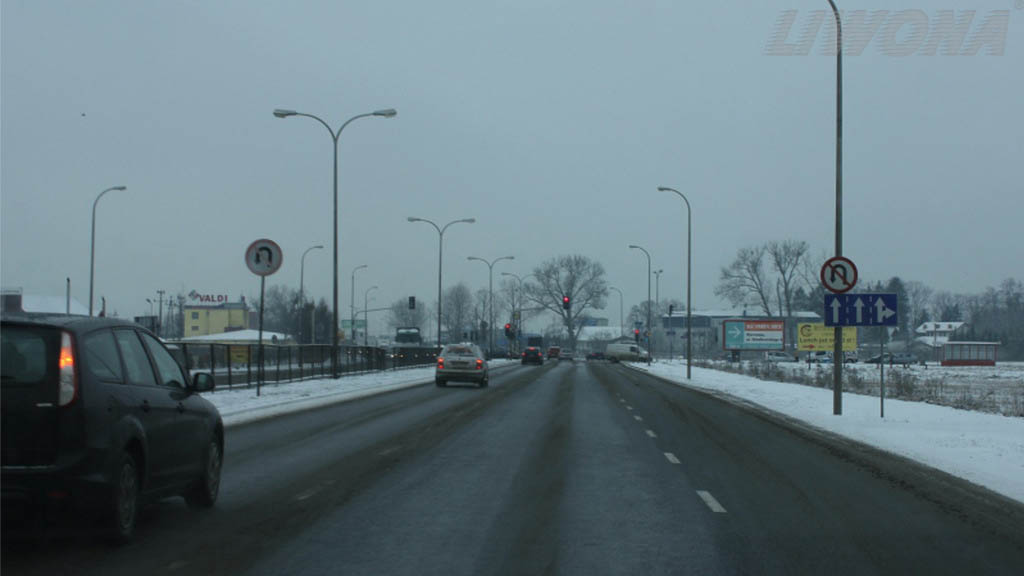 In the presented situation, are you entitled to make a U-turn at the nearest intersection?КомментарийThe legality of the turn depends on the signs, road markings, lane position and the paths of other road users shown. Before turning, make sure the manoeuvre does not conflict with a protected or opposing movement.In the presented situation, are you entitled to make a U-turn at the nearest intersection?
-
 In the presented situation, are you entitled to make a U-turn at the nearest intersection?КомментарийThe legality of the turn depends on the signs, road markings, lane position and the paths of other road users shown. Before turning, make sure the manoeuvre does not conflict with a protected or opposing movement.In the presented situation, are you entitled to make a U-turn at the nearest intersection?
-
In the visible situation, when transmitting this light signal do you have the right to turn left at the intersection?КомментарийThe traffic signal shown applies to the lane or direction indicated in the situation. The driver must follow that signal and also account for any separate signs, markings and road users that affect the manoeuvre.In the visible situation, when transmitting this light signal do you have the right to turn left at the intersection?
-
Does the visible prohibition sign forbid you from turning left at the intersection?КомментарийThe legality of the turn depends on the signs, road markings, lane position and the paths of other road users shown. Before turning, make sure the manoeuvre does not conflict with a protected or opposing movement.Does the visible prohibition sign forbid you from turning left at the intersection?
-
In this situation, are you obliged each time to stop your vehicle before entering the intersection?КомментарийThe decisive point is the specific traffic rule described in the question and the conditions in which it applies. Consider the vehicle, road type and surrounding traffic before choosing the applicable rule.In this situation, are you obliged each time to stop your vehicle before entering the intersection?
-
In this situation, should you continue driving straight ahead through the intersection?КомментарийThe decisive point is the specific traffic rule described in the question and the conditions in which it applies. Consider the vehicle, road type and surrounding traffic before choosing the applicable rule.In this situation, should you continue driving straight ahead through the intersection?
-
Are you obliged in this situation, prior to turning right to stop before the transverse roadway?КомментарийThe legality of the turn depends on the signs, road markings, lane position and the paths of other road users shown. Before turning, make sure the manoeuvre does not conflict with a protected or opposing movement.Are you obliged in this situation, prior to turning right to stop before the transverse roadway?
-
Is it prohibited in this situation to enter the roadway beyond this vertical sign?КомментарийThe decisive point is the specific traffic rule described in the question and the conditions in which it applies. Consider the vehicle, road type and surrounding traffic before choosing the applicable rule.Is it prohibited in this situation to enter the roadway beyond this vertical sign?
Test №48
1 / 32 тест


