-
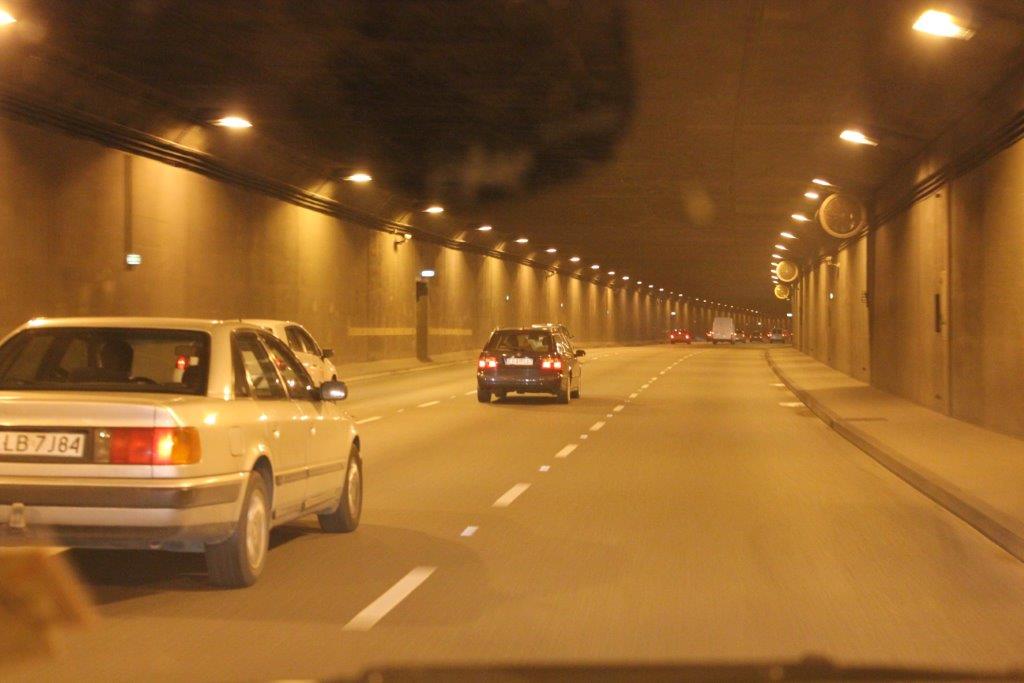 Is it prohibited to reverse a vehicle in a tunel, on the bridge and flyover?КомментарийThe decisive point is the specific traffic rule described in the question and the conditions in which it applies. Consider the vehicle, road type and surrounding traffic before choosing the applicable rule.Is it prohibited to reverse a vehicle in a tunel, on the bridge and flyover?
-
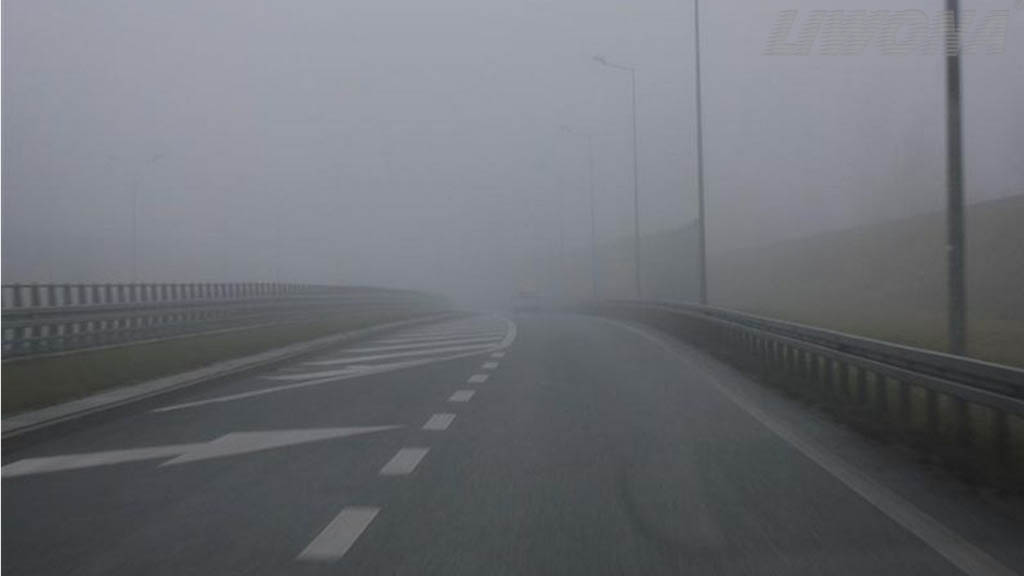 Are you permitted to use the rear fog lights, if fog restricts visibility to a distance of 100 m?КомментарийFog reduces visibility and makes it harder to judge the position and speed of other road users. Adapt speed to the visible distance and use lighting appropriate for the conditions.Are you permitted to use the rear fog lights, if fog restricts visibility to a distance of 100 m?
-
Are you allowed to use the rear fog lights if the fog restricts visibility to a distance less than 50 m?КомментарийFog reduces visibility and makes it harder to judge the position and speed of other road users. Adapt speed to the visible distance and use lighting appropriate for the conditions.Are you allowed to use the rear fog lights if the fog restricts visibility to a distance less than 50 m?
-
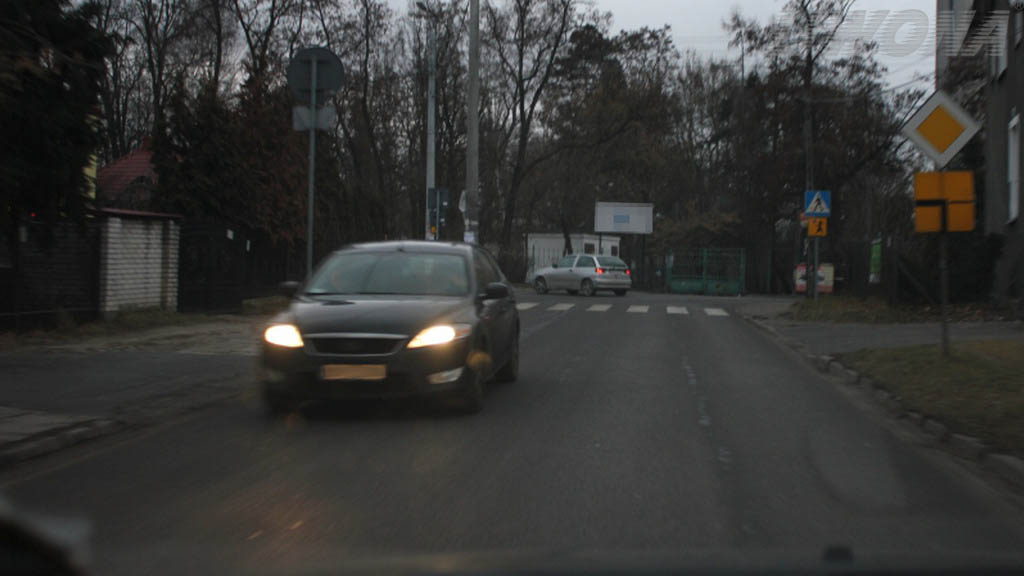 Is it prohibited during the day to give warning signal with the main beam headlights, if this may cause blinding to other drivers?КомментарийThe driver's duty depends on the pedestrian's position, the type of crossing and the movement shown. Approach slowly enough to stop and do not use the vehicle's movement to force a pedestrian to change speed or direction.Is it prohibited during the day to give warning signal with the main beam headlights, if this may cause blinding to other drivers?
-
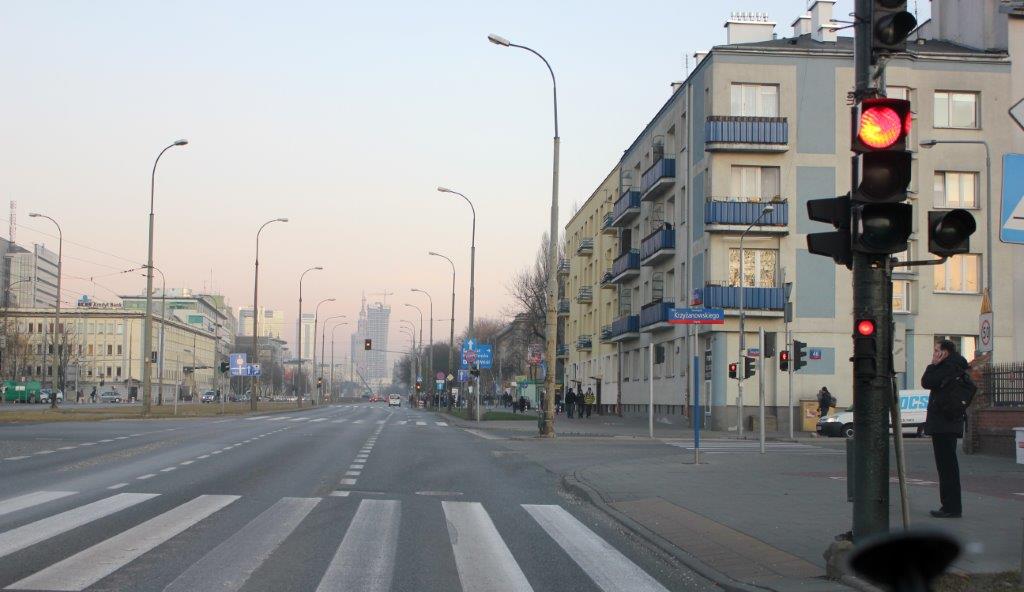 In this situation, are you allowed to enter behind the traffic lights if you do not hinder pedestrian traffic?КомментарийThe driver's duty depends on the pedestrian's position, the type of crossing and the movement shown. Approach slowly enough to stop and do not use the vehicle's movement to force a pedestrian to change speed or direction.In this situation, are you allowed to enter behind the traffic lights if you do not hinder pedestrian traffic?
-
In this situation, are you obliged to exercise special caution?КомментарийThe decisive point is the specific traffic rule described in the question and the conditions in which it applies. Consider the vehicle, road type and surrounding traffic before choosing the applicable rule.In this situation, are you obliged to exercise special caution?
-
Should you exercise special caution in this situation?КомментарийThe decisive point is the specific traffic rule described in the question and the conditions in which it applies. Consider the vehicle, road type and surrounding traffic before choosing the applicable rule.Should you exercise special caution in this situation?
-
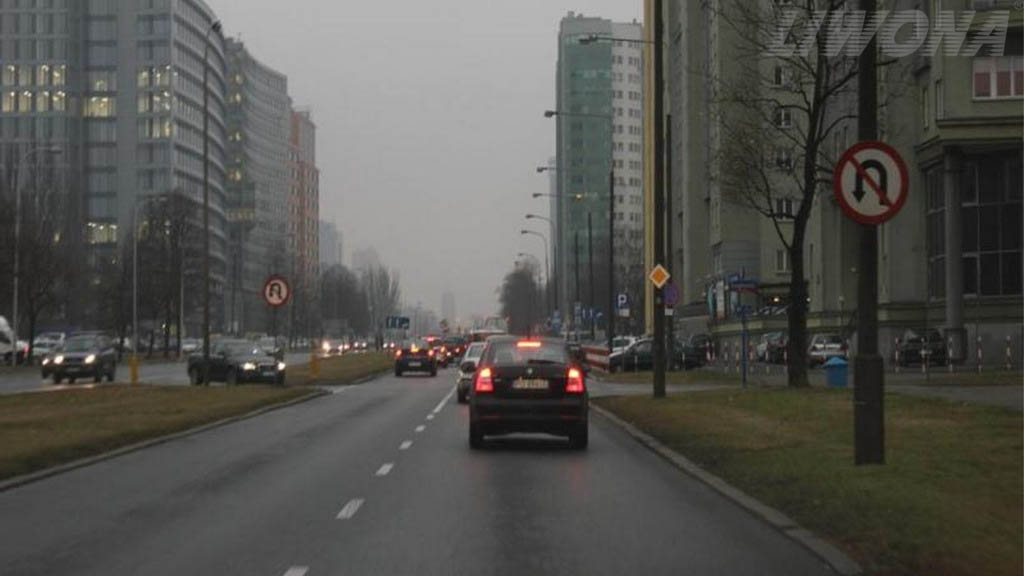 Are you obliged in the visible situation to exercise special caution?КомментарийThe decisive point is the specific traffic rule described in the question and the conditions in which it applies. Consider the vehicle, road type and surrounding traffic before choosing the applicable rule.Are you obliged in the visible situation to exercise special caution?
-
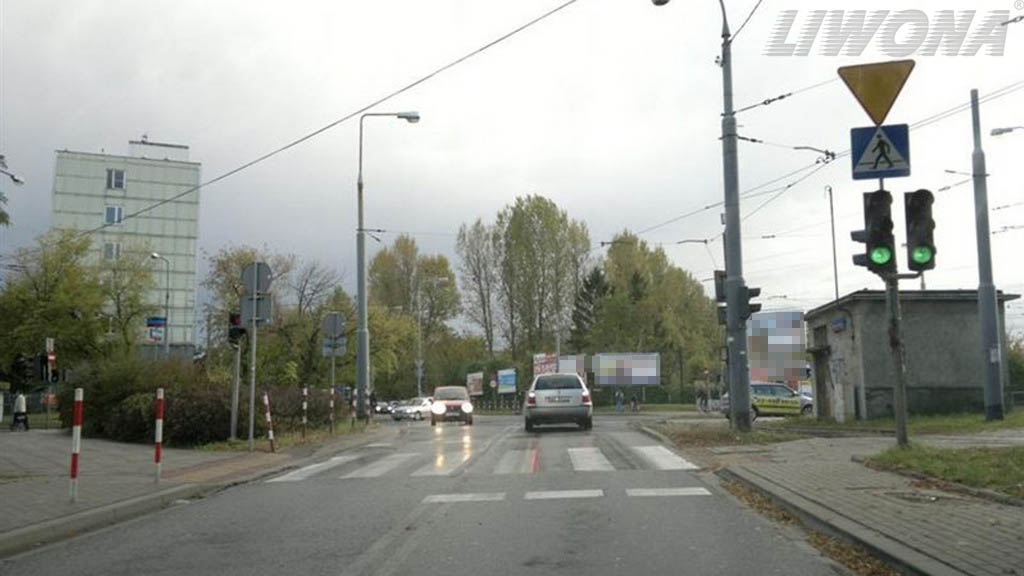 In the visible situation, are you obliged to exercise special caution?КомментарийThe decisive point is the specific traffic rule described in the question and the conditions in which it applies. Consider the vehicle, road type and surrounding traffic before choosing the applicable rule.In the visible situation, are you obliged to exercise special caution?
-
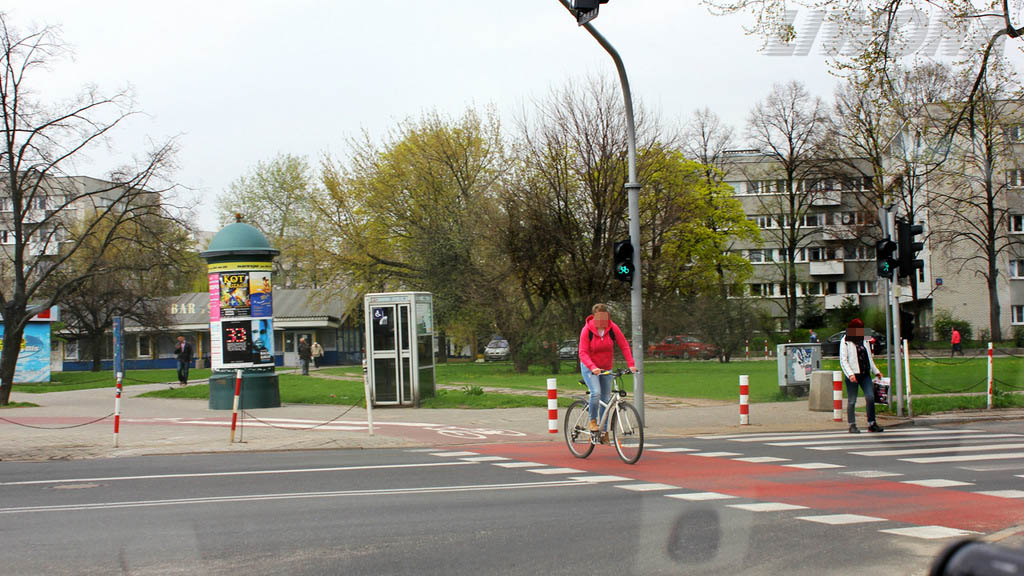 In this situation, do you have priority over the cyclist after turning right?КомментарийWhen dealing with a cyclist, consider the cyclist's position, the marked lane and the direction of travel. The driver must leave the required space and avoid a manoeuvre that would cut across the cyclist's path.In this situation, do you have priority over the cyclist after turning right?
-
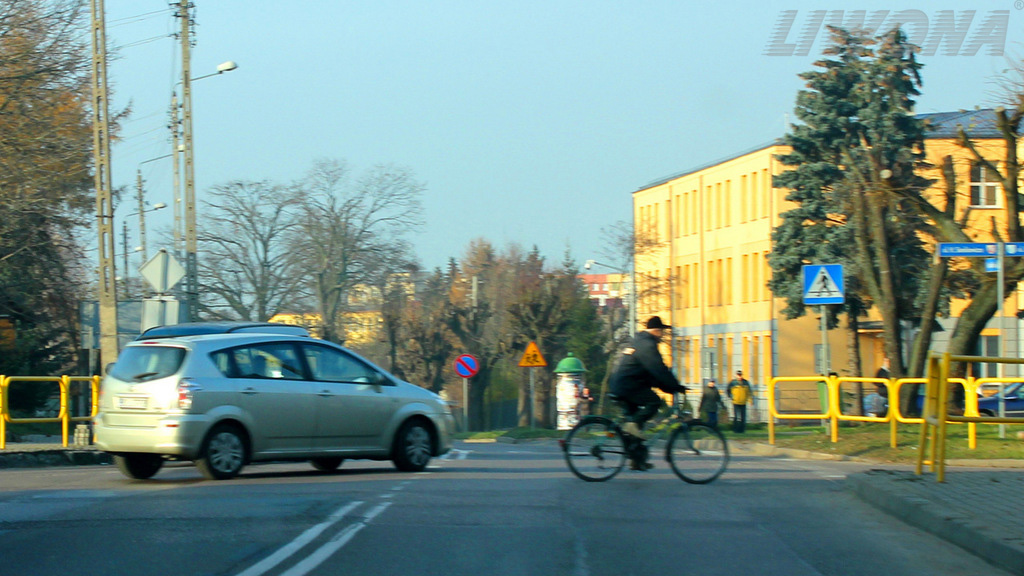 In this situation, are you obliged to use the sound signal to urge the cyclist to drive faster?КомментарийWhen dealing with a cyclist, consider the cyclist's position, the marked lane and the direction of travel. The driver must leave the required space and avoid a manoeuvre that would cut across the cyclist's path.In this situation, are you obliged to use the sound signal to urge the cyclist to drive faster?
-
Upon turning right at this intersection, are you obliged to stop before the traffic light?КомментарийThe traffic signal shown applies to the lane or direction indicated in the situation. The driver must follow that signal and also account for any separate signs, markings and road users that affect the manoeuvre.Upon turning right at this intersection, are you obliged to stop before the traffic light?
-
In the presented situation, should you refrain from overtaking the cyclist?КомментарийWater on the road reduces tyre grip and can cause aquaplaning. Slow down smoothly, avoid abrupt steering or braking, and keep enough distance to react to changing road conditions.In the presented situation, should you refrain from overtaking the cyclist?
-
In the presented situation, when turning right should you yield priority to the cyclist?КомментарийWhen dealing with a cyclist, consider the cyclist's position, the marked lane and the direction of travel. The driver must leave the required space and avoid a manoeuvre that would cut across the cyclist's path.In the presented situation, when turning right should you yield priority to the cyclist?
-
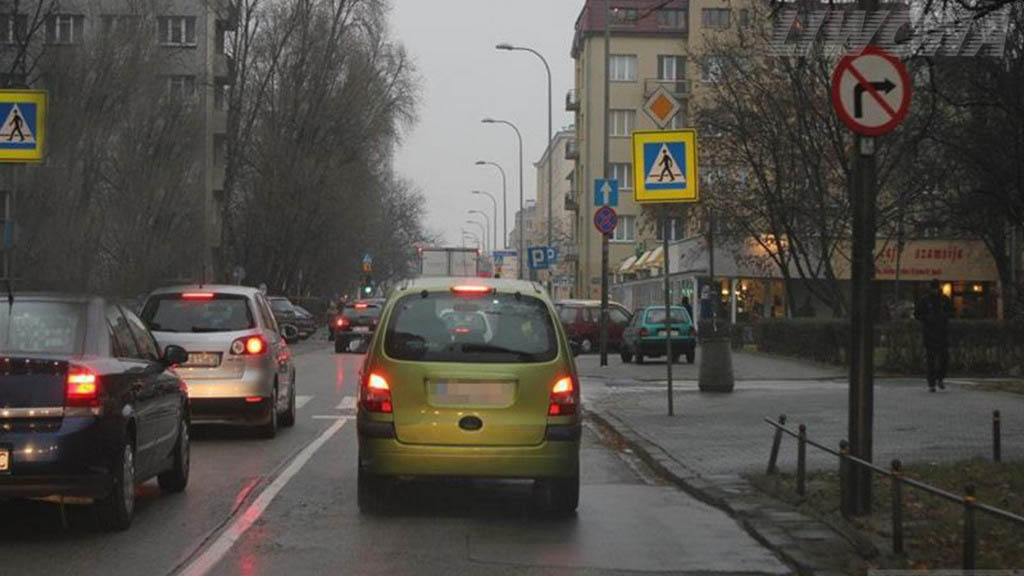 When driving slowly during a traffic jam, should you anticipate that a cyclist may overtake you from the right?КомментарийBefore overtaking, check the road markings, signs, visibility, the vehicle behind and the space needed to return safely. The manoeuvre must be completed without forcing another road user to brake or change direction.When driving slowly during a traffic jam, should you anticipate that a cyclist may overtake you from the right?
-
Should you while driving in this situation exercise special caution?КомментарийThe decisive point is the specific traffic rule described in the question and the conditions in which it applies. Consider the vehicle, road type and surrounding traffic before choosing the applicable rule.Should you while driving in this situation exercise special caution?
-
Upon turning right in this situation, should you yield priority to the cyclist?КомментарийWhen dealing with a cyclist, consider the cyclist's position, the marked lane and the direction of travel. The driver must leave the required space and avoid a manoeuvre that would cut across the cyclist's path.Upon turning right in this situation, should you yield priority to the cyclist?
-
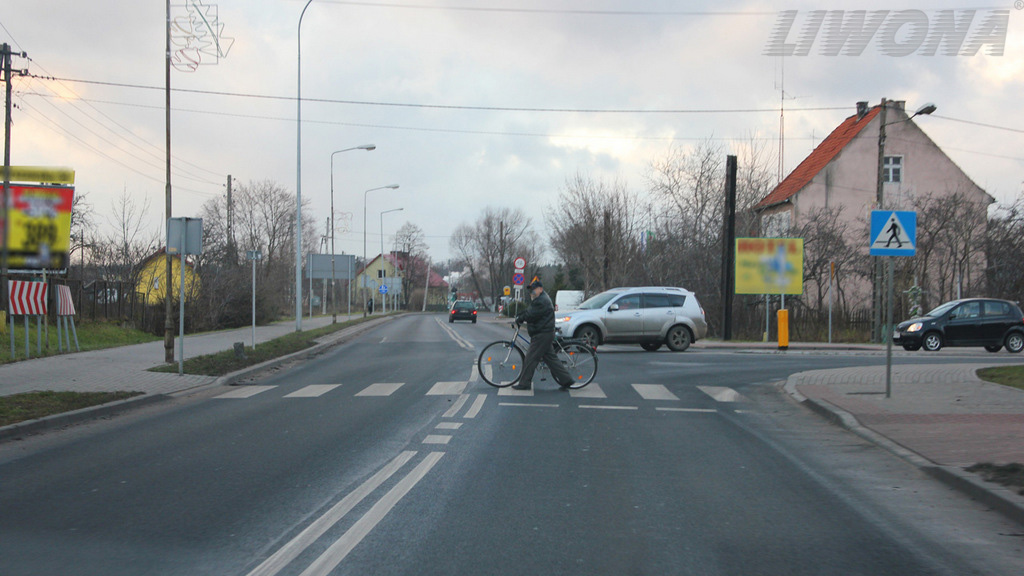 In this situation, should you allow a pedestrian to freely exit the pedestrian crossing?КомментарийThe driver's duty depends on the pedestrian's position, the type of crossing and the movement shown. Approach slowly enough to stop and do not use the vehicle's movement to force a pedestrian to change speed or direction.In this situation, should you allow a pedestrian to freely exit the pedestrian crossing?
-
In the presented situation, do you have the right to enter the level crossing without stopping after making sure that no rail vehicle is coming?КомментарийAt a level crossing, the driver must assess the crossing itself, the warning signals and the possibility of a rail vehicle approaching. Raised barriers do not by themselves guarantee that the crossing is safe to enter.In the presented situation, do you have the right to enter the level crossing without stopping after making sure that no rail vehicle is coming?
-
In the presented situation, do you have the right to enter the level crossing?КомментарийAt a level crossing, the driver must assess the crossing itself, the warning signals and the possibility of a rail vehicle approaching. Raised barriers do not by themselves guarantee that the crossing is safe to enter.In the presented situation, do you have the right to enter the level crossing?
-
In the presented situation, are you approaching a level crossing without a barrier?КомментарийAt a level crossing, the driver must assess the crossing itself, the warning signals and the possibility of a rail vehicle approaching. Raised barriers do not by themselves guarantee that the crossing is safe to enter.In the presented situation, are you approaching a level crossing without a barrier?
-
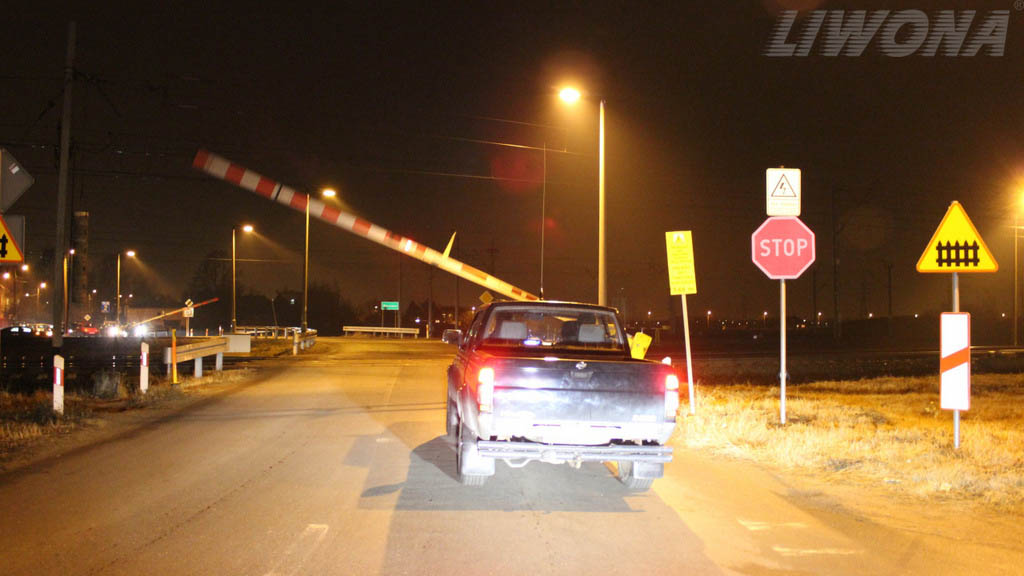 Are you permitted to enter the level crossing while the barrier is being lifted by the railway worker?КомментарийAt a level crossing, the driver must assess the crossing itself, the warning signals and the possibility of a rail vehicle approaching. Raised barriers do not by themselves guarantee that the crossing is safe to enter.Are you permitted to enter the level crossing while the barrier is being lifted by the railway worker?
-
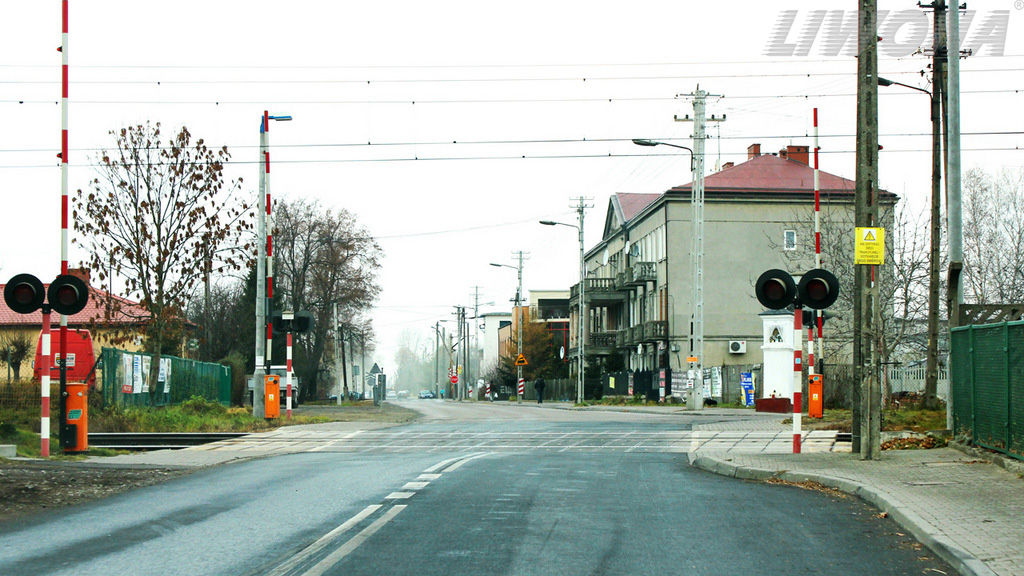 When passing through a level crossing, do you have priority over an oncoming rail vehicle?КомментарийAt a level crossing, the driver must assess the crossing itself, the warning signals and the possibility of a rail vehicle approaching. Raised barriers do not by themselves guarantee that the crossing is safe to enter.When passing through a level crossing, do you have priority over an oncoming rail vehicle?
-
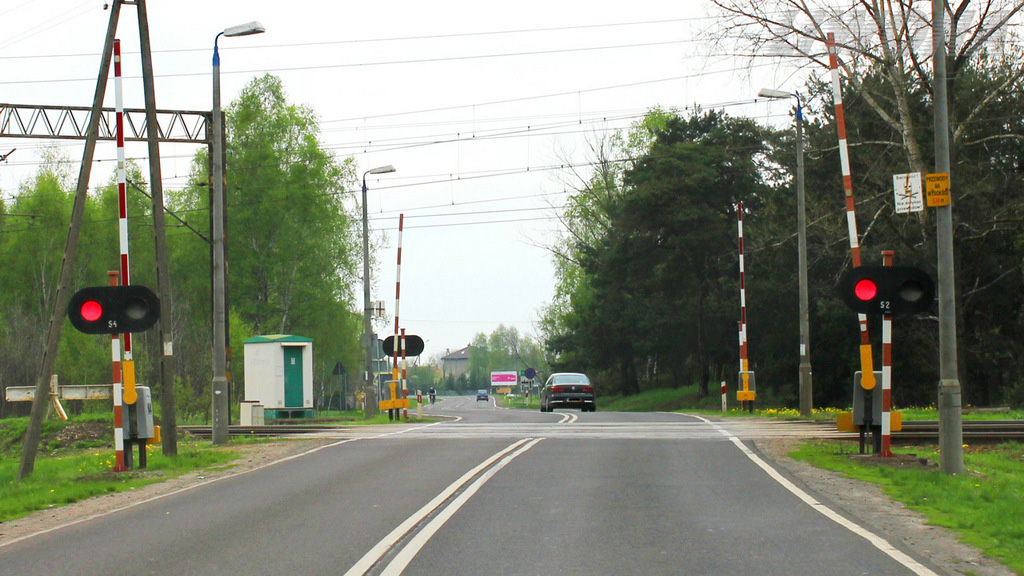 In this situation, are you permitted to enter the level crossing while exercising special caution?КомментарийAt a level crossing, the driver must assess the crossing itself, the warning signals and the possibility of a rail vehicle approaching. Raised barriers do not by themselves guarantee that the crossing is safe to enter.In this situation, are you permitted to enter the level crossing while exercising special caution?
-
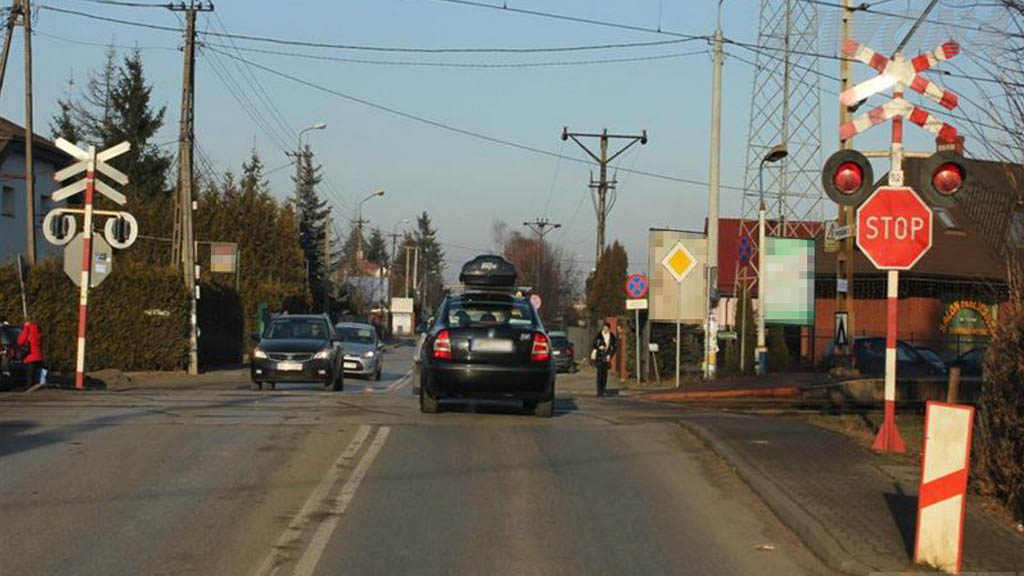 In the situation shown, are you in front of a single-rail level crossing?КомментарийAt a level crossing, the driver must assess the crossing itself, the warning signals and the possibility of a rail vehicle approaching. Raised barriers do not by themselves guarantee that the crossing is safe to enter.In the situation shown, are you in front of a single-rail level crossing?
-
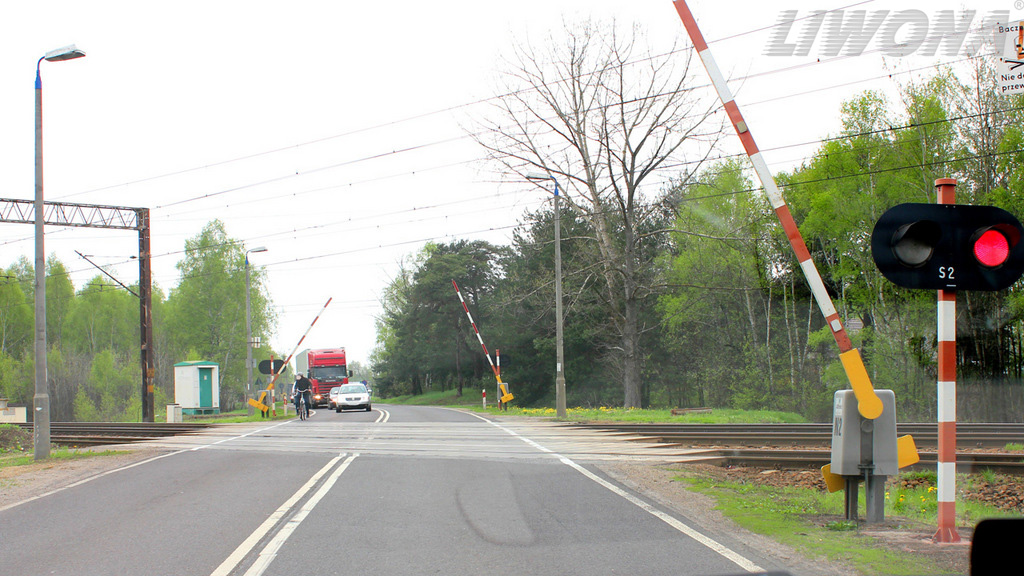 Upon passage of the rail vehicle, half of the barrier is lifted. Are you allowed in this situation to start driving on to the rail tracks?КомментарийAt a level crossing, the driver must assess the crossing itself, the warning signals and the possibility of a rail vehicle approaching. Raised barriers do not by themselves guarantee that the crossing is safe to enter.Upon passage of the rail vehicle, half of the barrier is lifted. Are you allowed in this situation to start driving on to the rail tracks?
-
In the presented situation, are you approaching a level crossing with barriers?КомментарийAt a level crossing, the driver must assess the crossing itself, the warning signals and the possibility of a rail vehicle approaching. Raised barriers do not by themselves guarantee that the crossing is safe to enter.In the presented situation, are you approaching a level crossing with barriers?
-
Is it permitted on a one-way road to overtake a rail vehicle from the left?КомментарийBefore overtaking, check the road markings, signs, visibility, the vehicle behind and the space needed to return safely. The manoeuvre must be completed without forcing another road user to brake or change direction.Is it permitted on a one-way road to overtake a rail vehicle from the left?
-
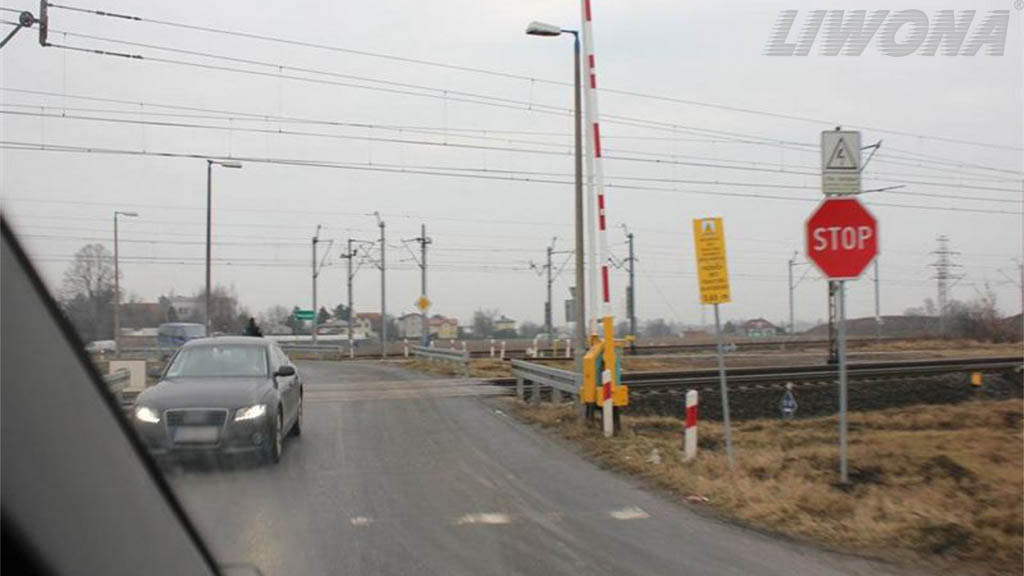 Should you make sure that no rail vehicle is approaching before entering onto the rail tracks?КомментарийAt a level crossing, the driver must assess the crossing itself, the warning signals and the possibility of a rail vehicle approaching. Raised barriers do not by themselves guarantee that the crossing is safe to enter.Should you make sure that no rail vehicle is approaching before entering onto the rail tracks?
-
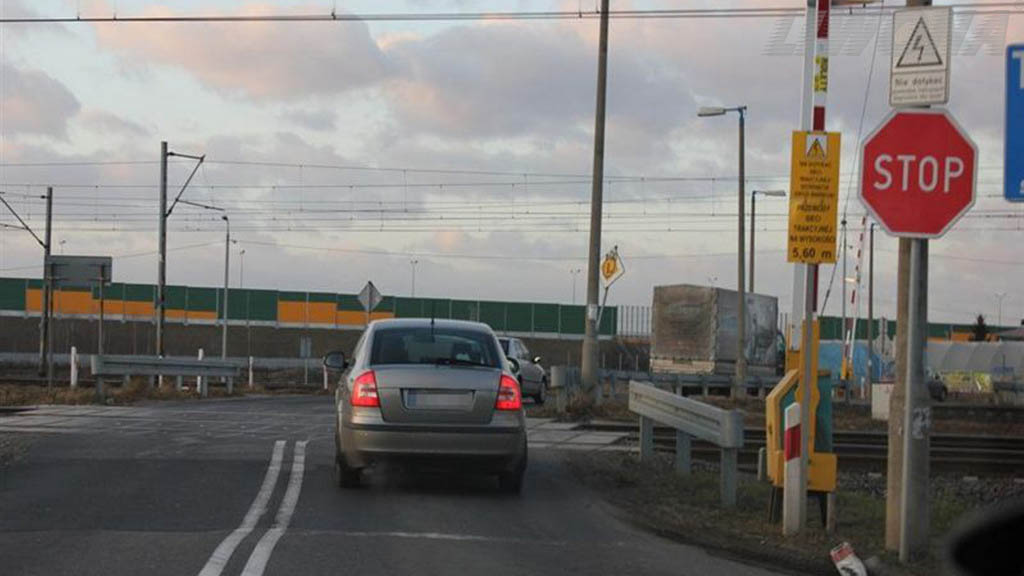 In the event of immobilisation of a vehicle on a level crossing, are you obliged to warn the rail vehicle driver if it impossible to remove the vehicle from the level crossing?КомментарийAt a level crossing, the driver must assess the crossing itself, the warning signals and the possibility of a rail vehicle approaching. Raised barriers do not by themselves guarantee that the crossing is safe to enter.In the event of immobilisation of a vehicle on a level crossing, are you obliged to warn the rail vehicle driver if it impossible to remove the vehicle from the level crossing?
-
Are you obliged in this situation to stop before the traffic light?КомментарийThe traffic signal shown applies to the lane or direction indicated in the situation. The driver must follow that signal and also account for any separate signs, markings and road users that affect the manoeuvre.Are you obliged in this situation to stop before the traffic light?
Test №47
1 / 32 тест


