-
In the situation presented, are you approaching a level-crossing with barriers?КомментарийThe decisive point is the specific traffic rule described in the question and the conditions in which it applies. Consider the vehicle, road type and surrounding traffic before choosing the applicable rule.In the situation presented, are you approaching a level-crossing with barriers?
-
Does the visible sign warn you of a level-crossing with barriers?КомментарийThe decisive point is the specific traffic rule described in the question and the conditions in which it applies. Consider the vehicle, road type and surrounding traffic before choosing the applicable rule.Does the visible sign warn you of a level-crossing with barriers?
-
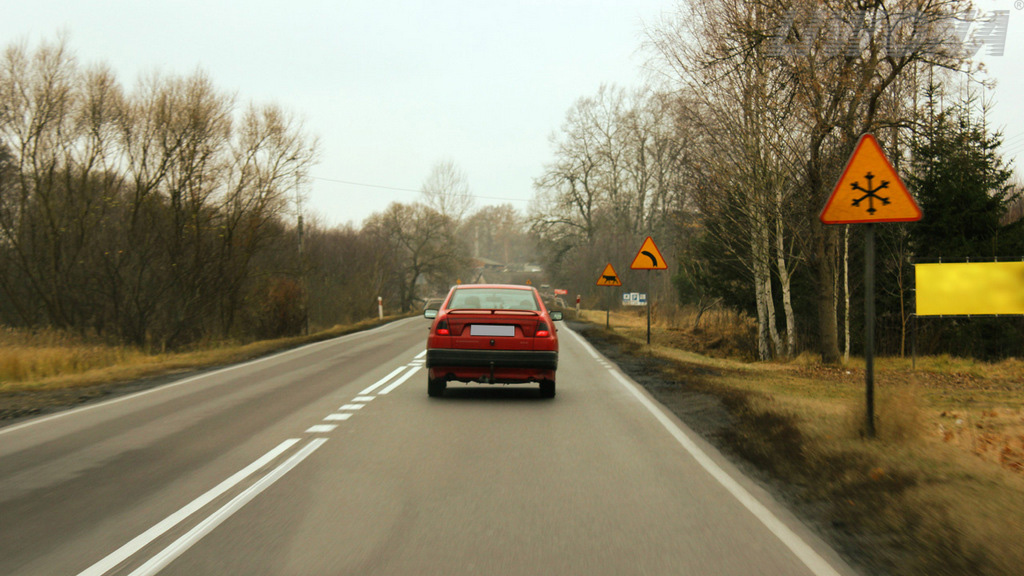 In this situation, are you warned of the possibility of black ice occurring on the road?КомментарийOn a slippery surface, available grip is limited. Smooth steering, gentle acceleration and braking, a lower speed and a larger safety margin reduce the risk of losing control.In this situation, are you warned of the possibility of black ice occurring on the road?
-
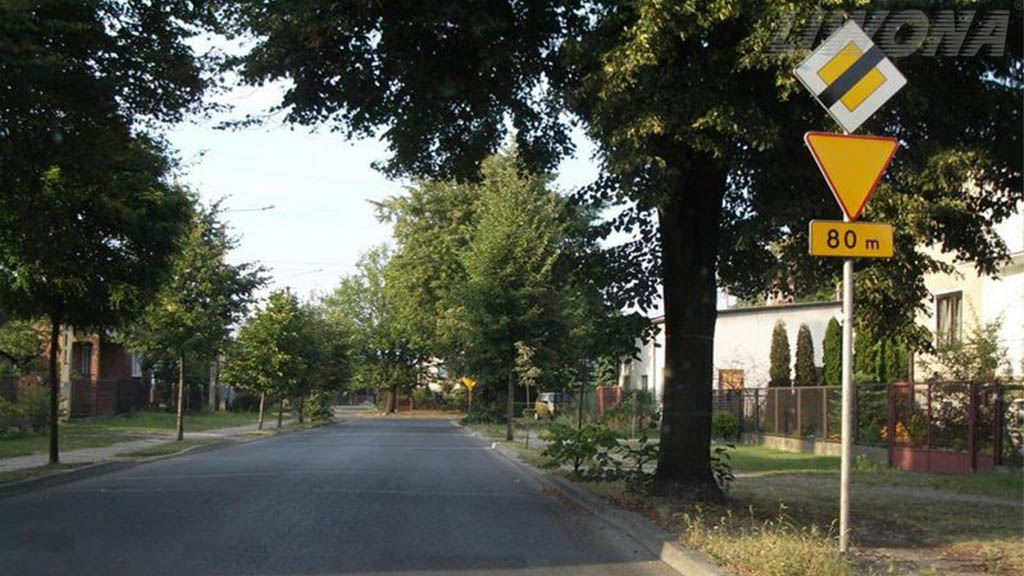 In this situation, are you approaching a road with the right of way?КомментарийPriority is determined by the signs, signals, road markings and the paths of the vehicles shown. The important point is not simply who arrives first, but which movement is required to give way under the applicable rule.In this situation, are you approaching a road with the right of way?
-
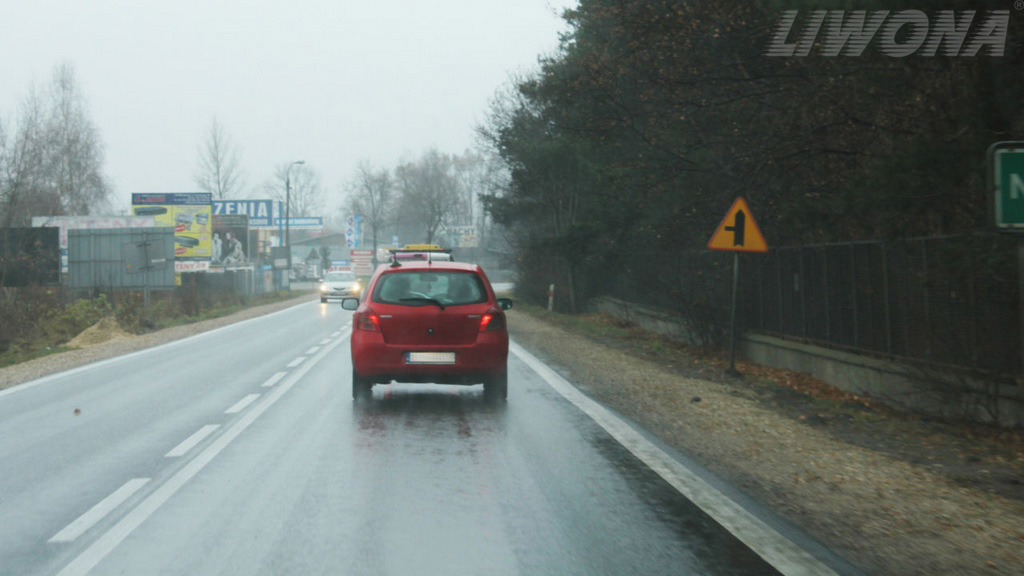 In this situation, do you have the right of way at the nearest intersection over vehicles approaching from the left side?КомментарийPriority is determined by the signs, signals, road markings and the paths of the vehicles shown. The important point is not simply who arrives first, but which movement is required to give way under the applicable rule.In this situation, do you have the right of way at the nearest intersection over vehicles approaching from the left side?
-
Should you in this situation, after driving 80 m, yield way to vehicles travelling on the transverse road?КомментарийPriority is determined by the signs, signals, road markings and the paths of the vehicles shown. The important point is not simply who arrives first, but which movement is required to give way under the applicable rule.Should you in this situation, after driving 80 m, yield way to vehicles travelling on the transverse road?
-
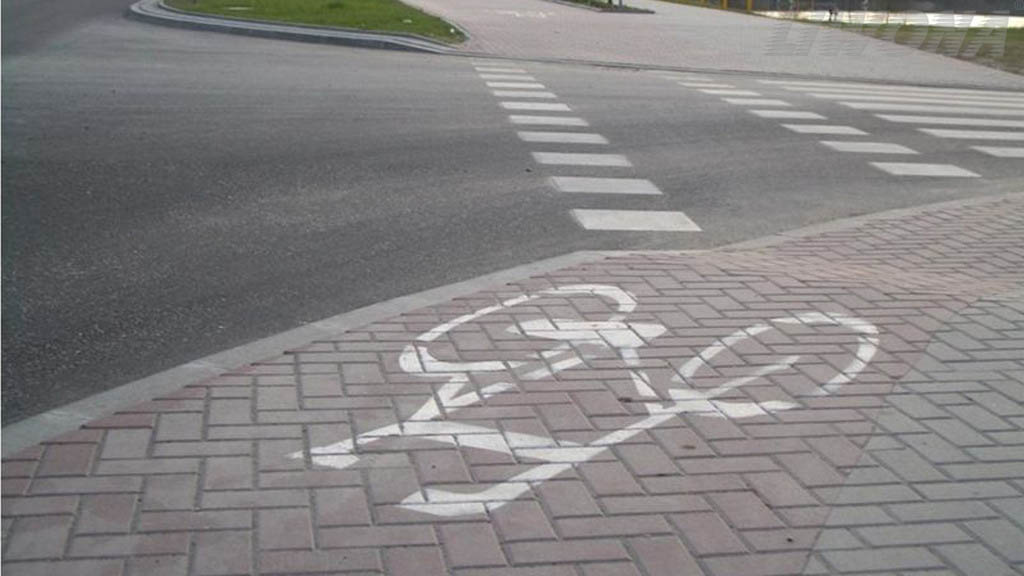 Is it allowed to stop a passenger car on a road dedicated to bicycles, if you have at least 1.5 m width left for cyclists?КомментарийOn a slippery surface, available grip is limited. Smooth steering, gentle acceleration and braking, a lower speed and a larger safety margin reduce the risk of losing control.Is it allowed to stop a passenger car on a road dedicated to bicycles, if you have at least 1.5 m width left for cyclists?
-
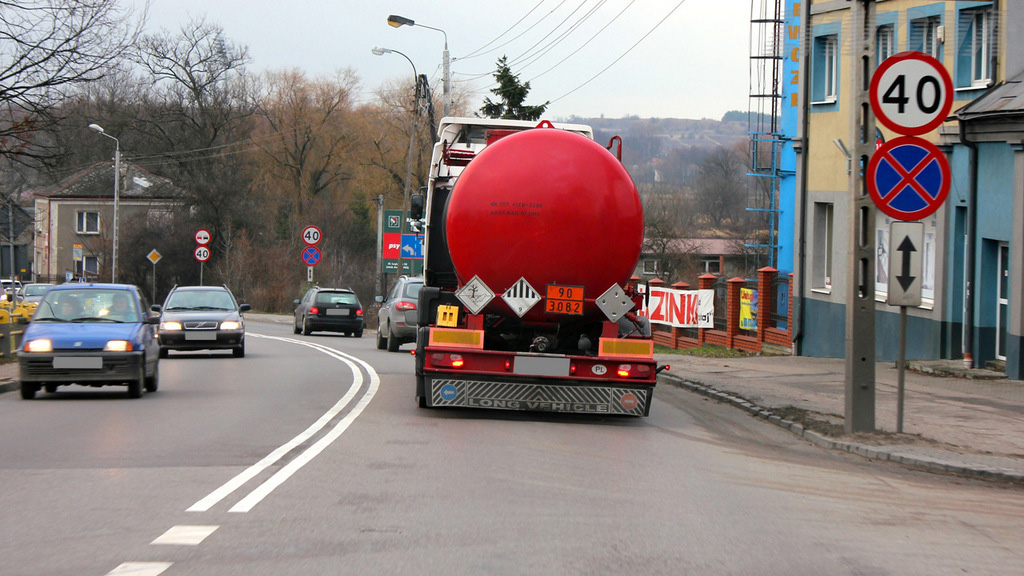 In this situation, are you permitted to stop the vehicle for a while on the roadway in order to drop off a passenger?КомментарийThe need to brake depends on the hazard visible ahead, the road surface and the stopping distance available. Braking should begin early enough to keep the vehicle under control and avoid a conflict with other road users.In this situation, are you permitted to stop the vehicle for a while on the roadway in order to drop off a passenger?
-
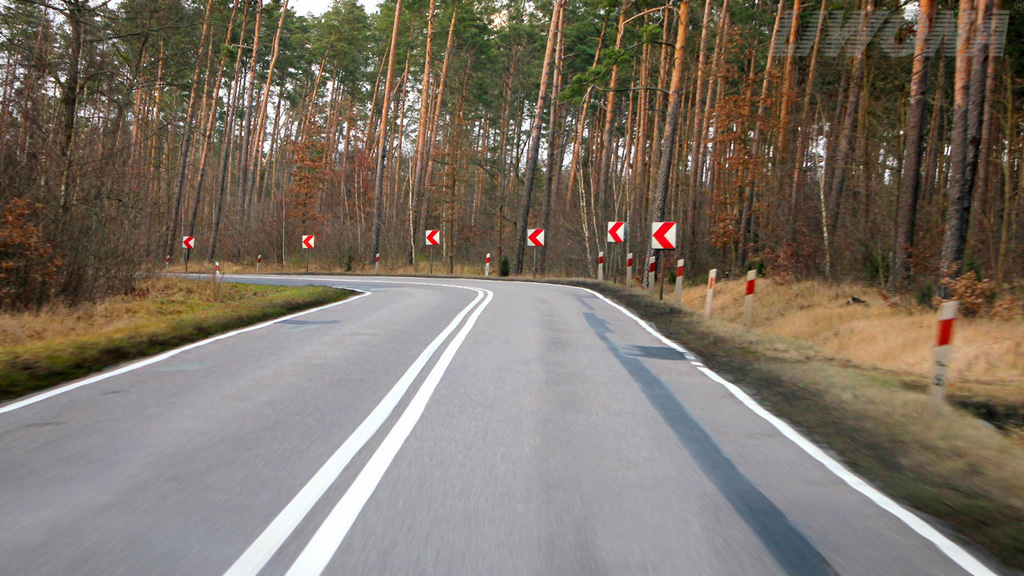 In this situation, are allowed to stop the vehicle on the hard shoulder?КомментарийThe need to brake depends on the hazard visible ahead, the road surface and the stopping distance available. Braking should begin early enough to keep the vehicle under control and avoid a conflict with other road users.In this situation, are allowed to stop the vehicle on the hard shoulder?
-
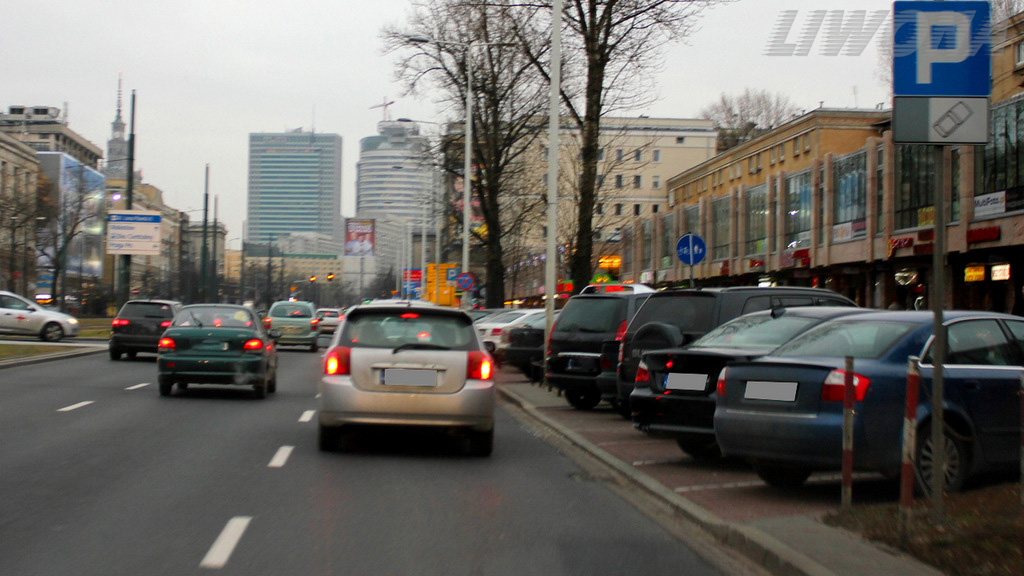 Are you allowed in this situation to park a motor vehicle on the roadway behind the sign?КомментарийThe decisive point is the specific traffic rule described in the question and the conditions in which it applies. Consider the vehicle, road type and surrounding traffic before choosing the applicable rule.Are you allowed in this situation to park a motor vehicle on the roadway behind the sign?
-
Is it permitted behind the visible prohibition sign to stop a motor vehicle on the pavement?КомментарийA pavement or pedestrian path is primarily intended for pedestrians. When a vehicle is permitted to cross it, the driver must do so without forcing pedestrians to stop, slow down or change their path.Is it permitted behind the visible prohibition sign to stop a motor vehicle on the pavement?
-
In this situation, are you obliged after performing an overtaking manoeuvre to enter the right traffic lane?КомментарийBefore overtaking, check the road markings, signs, visibility, the vehicle behind and the space needed to return safely. The manoeuvre must be completed without forcing another road user to brake or change direction.In this situation, are you obliged after performing an overtaking manoeuvre to enter the right traffic lane?
-
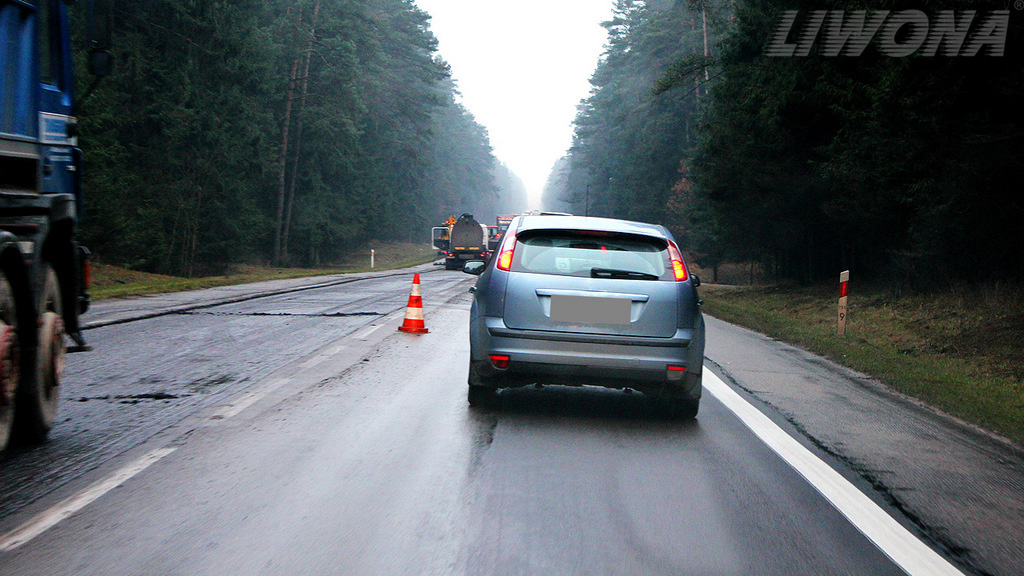 Is it prohibited in this situation, to stop the vehicle on the right hard shoulder of this road?КомментарийThe need to brake depends on the hazard visible ahead, the road surface and the stopping distance available. Braking should begin early enough to keep the vehicle under control and avoid a conflict with other road users.Is it prohibited in this situation, to stop the vehicle on the right hard shoulder of this road?
-
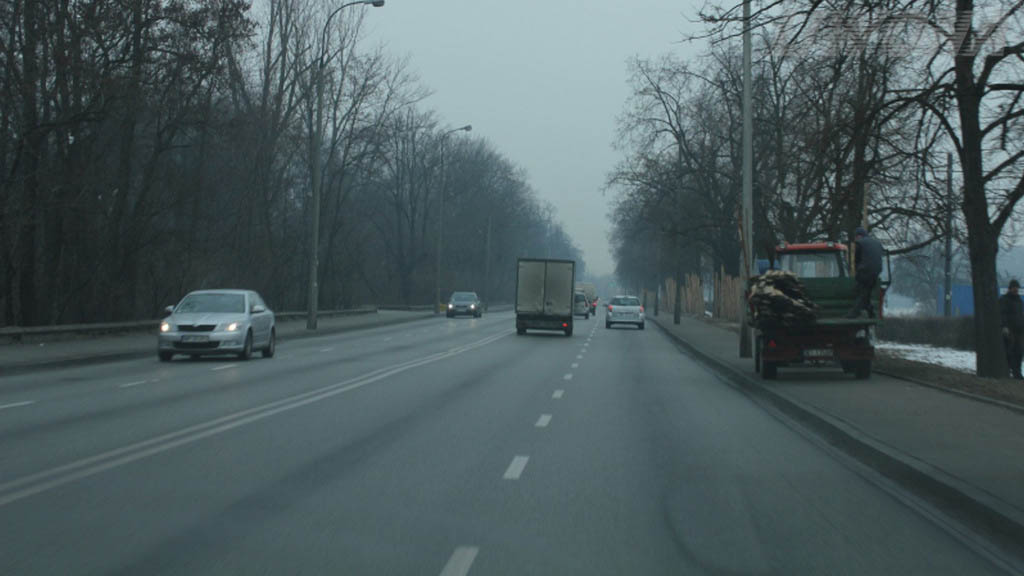 In the visible situation, are you on a two-way single-carriageway with four traffic lanes?КомментарийBefore changing lane, check the road markings, the direction assigned to each lane and the position of other vehicles. The manoeuvre is only safe when the target lane is suitable and can be entered without forcing another road user to react.In the visible situation, are you on a two-way single-carriageway with four traffic lanes?
-
Are you permitted to drive on the solid line in th presented situation?КомментарийThe road marking shown has a specific function in the traffic organisation. Read it together with the nearby sign or signal and the direction of travel before deciding what manoeuvre is possible.Are you permitted to drive on the solid line in th presented situation?
-
Are you allowed in the visible situation to change to the right traffic lane in order to continue driving straight on?КомментарийBefore changing lane, check the road markings, the direction assigned to each lane and the position of other vehicles. The manoeuvre is only safe when the target lane is suitable and can be entered without forcing another road user to react.Are you allowed in the visible situation to change to the right traffic lane in order to continue driving straight on?
-
In this situation, are you allowed to change to the right traffic lane?КомментарийBefore changing lane, check the road markings, the direction assigned to each lane and the position of other vehicles. The manoeuvre is only safe when the target lane is suitable and can be entered without forcing another road user to react.In this situation, are you allowed to change to the right traffic lane?
-
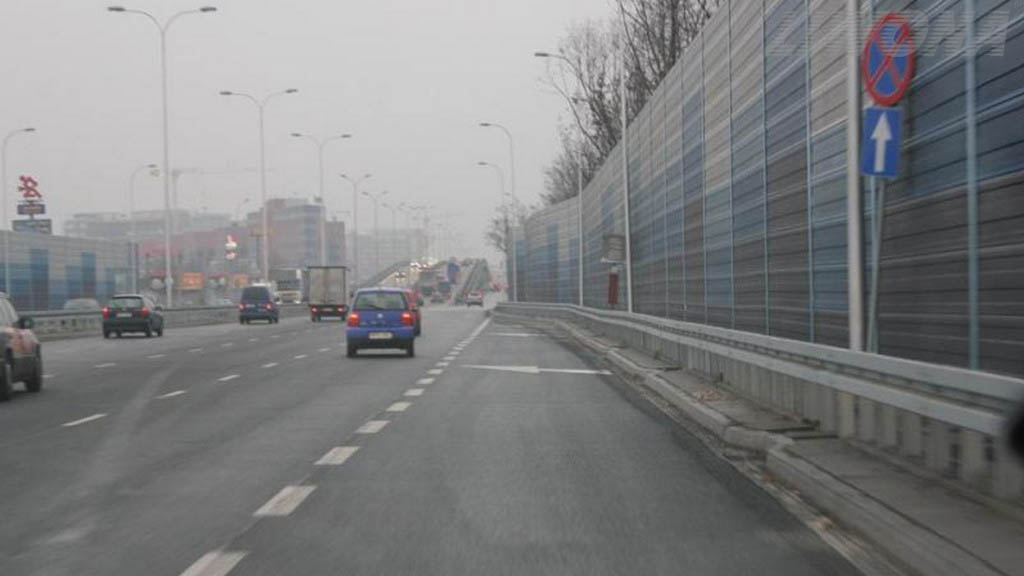 In the visible situation, is it necessary to turn on the direction indicators to signal change of traffic lane?КомментарийBefore changing lane, check the road markings, the direction assigned to each lane and the position of other vehicles. The manoeuvre is only safe when the target lane is suitable and can be entered without forcing another road user to react.In the visible situation, is it necessary to turn on the direction indicators to signal change of traffic lane?
-
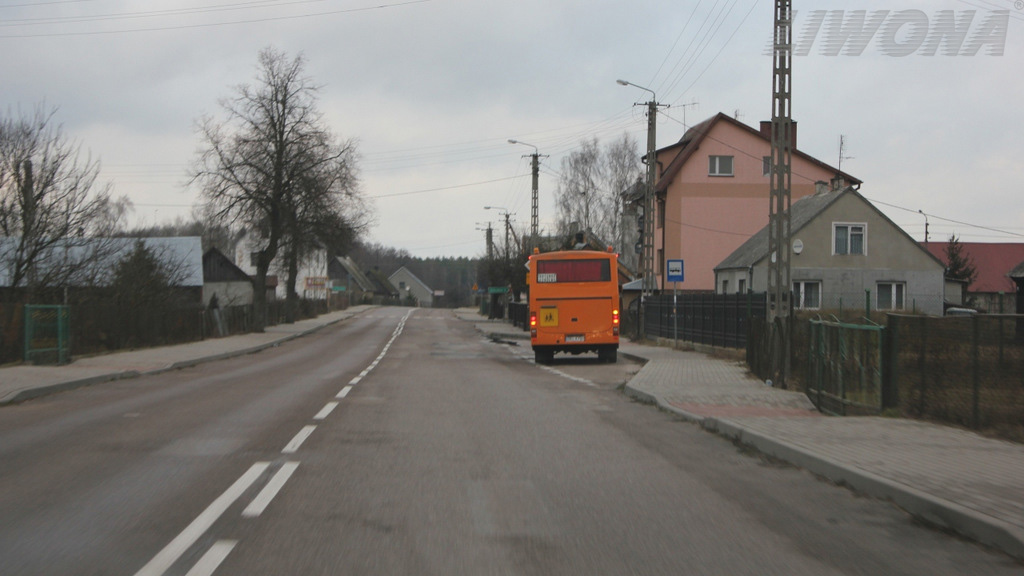 When approaching the stopping place for a school bus outside the built-up area, are you obliged to allow the driver of the bus to enter the roadway, if it signals the intention to perform such a manoeuvre?КомментарийThe road environment indicated by the sign changes which traffic rules and restrictions apply. Identify the zone first, then apply the rule to the vehicle and manoeuvre shown.When approaching the stopping place for a school bus outside the built-up area, are you obliged to allow the driver of the bus to enter the roadway, if it signals the intention to perform such a manoeuvre?
-
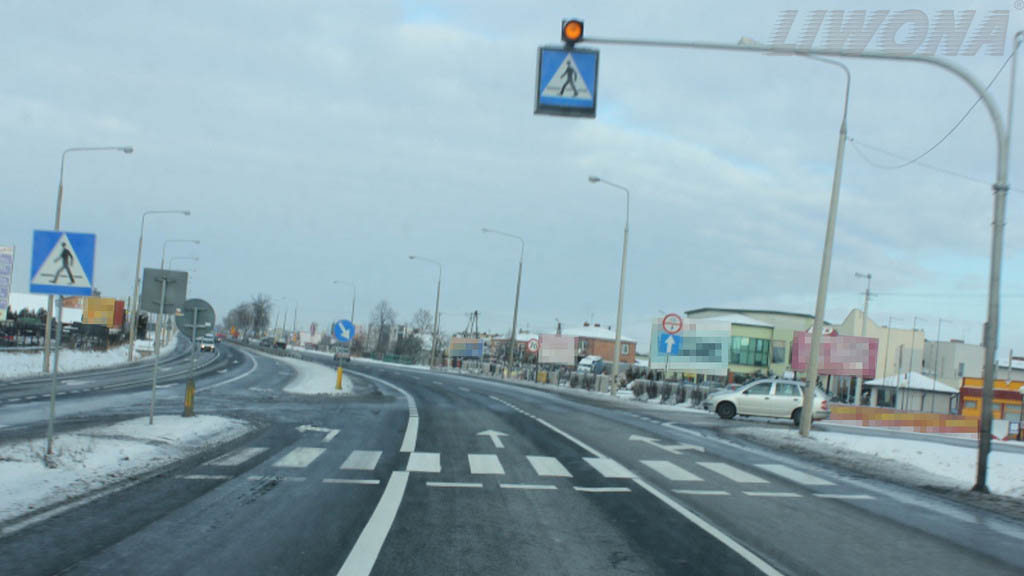 Is it allowed to overtake a motor vehicle in such a place on the road?КомментарийBefore overtaking, check the road markings, signs, visibility, the vehicle behind and the space needed to return safely. The manoeuvre must be completed without forcing another road user to brake or change direction.Is it allowed to overtake a motor vehicle in such a place on the road?
-
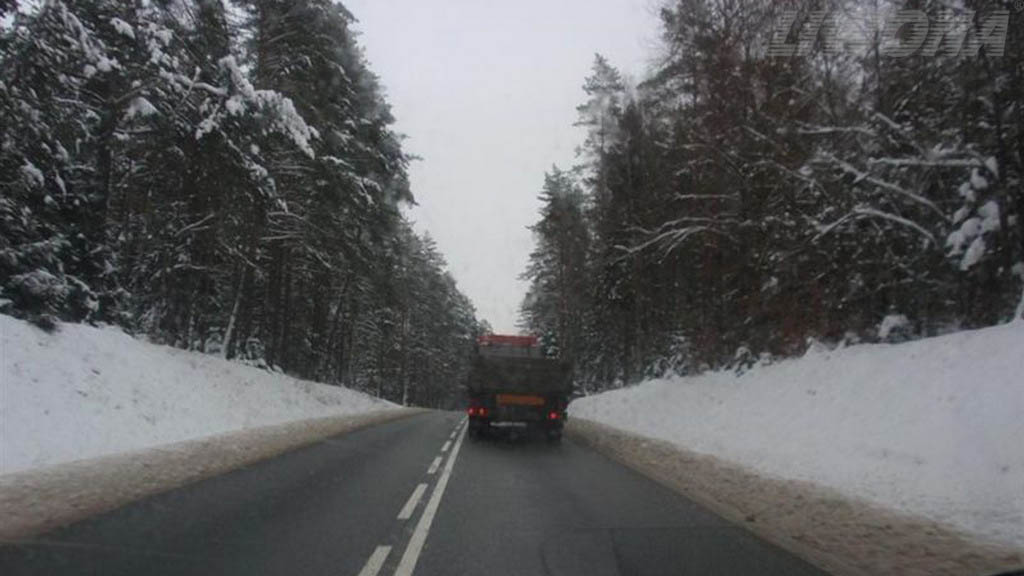 Are you allowed to start an overtaking manoeuvre in the situation shown?КомментарийBefore overtaking, check the road markings, signs, visibility, the vehicle behind and the space needed to return safely. The manoeuvre must be completed without forcing another road user to brake or change direction.Are you allowed to start an overtaking manoeuvre in the situation shown?
-
Are you allowed to overtake at this intersection?КомментарийBefore overtaking, check the road markings, signs, visibility, the vehicle behind and the space needed to return safely. The manoeuvre must be completed without forcing another road user to brake or change direction.Are you allowed to overtake at this intersection?
-
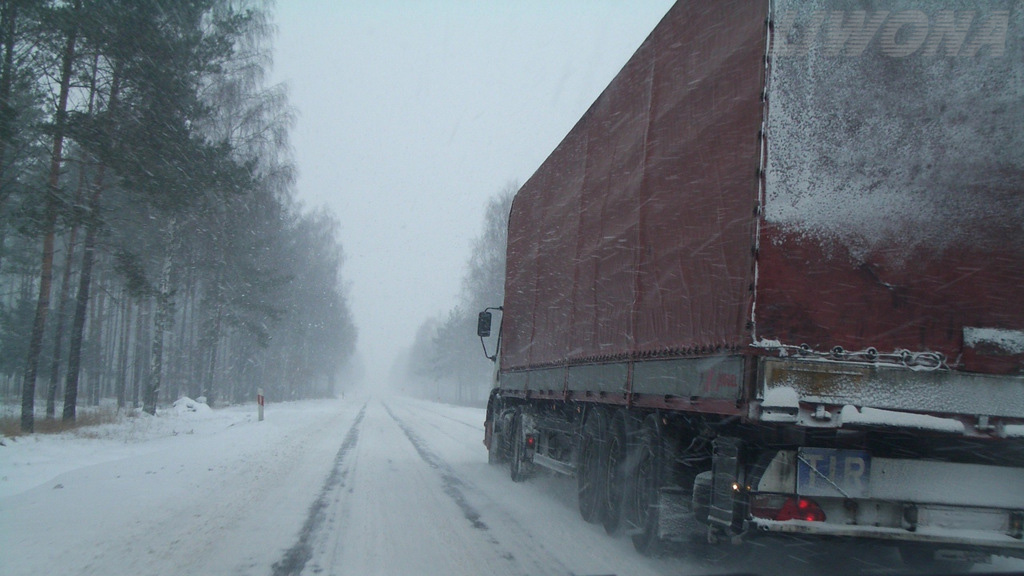 In the visible situation, can an overtaking manoeuvre result in the vehicle skidding and cusing a road accident?КомментарийBefore overtaking, check the road markings, signs, visibility, the vehicle behind and the space needed to return safely. The manoeuvre must be completed without forcing another road user to brake or change direction.In the visible situation, can an overtaking manoeuvre result in the vehicle skidding and cusing a road accident?
-
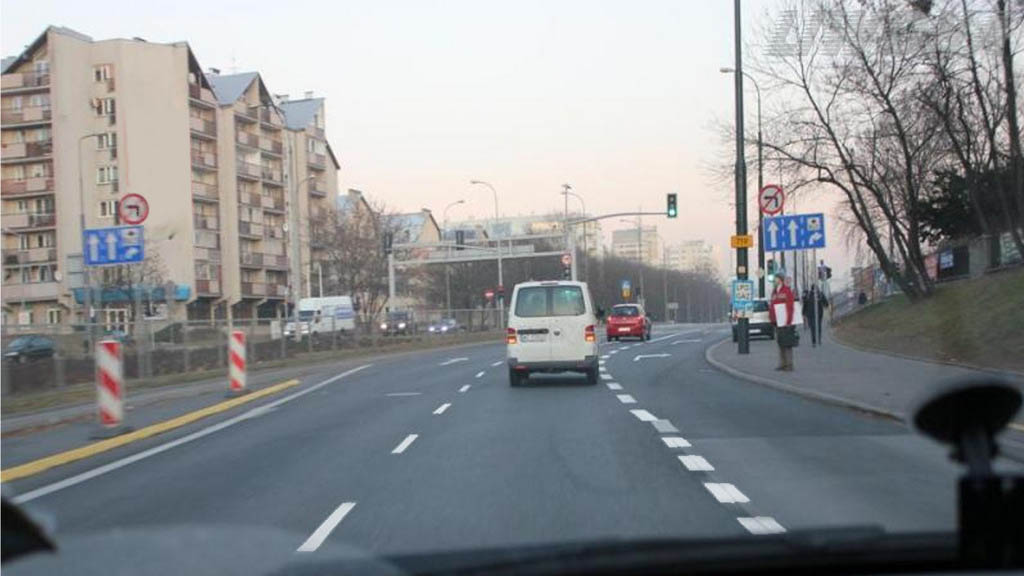 Are you allowed in this situation to overtake the preceding vehicle at the intersection?КомментарийBefore overtaking, check the road markings, signs, visibility, the vehicle behind and the space needed to return safely. The manoeuvre must be completed without forcing another road user to brake or change direction.Are you allowed in this situation to overtake the preceding vehicle at the intersection?
-
In this situation, when driving past the stationary vehicle are you performing an evasive manoeuvre?КомментарийThe decisive point is the specific traffic rule described in the question and the conditions in which it applies. Consider the vehicle, road type and surrounding traffic before choosing the applicable rule.In this situation, when driving past the stationary vehicle are you performing an evasive manoeuvre?
-
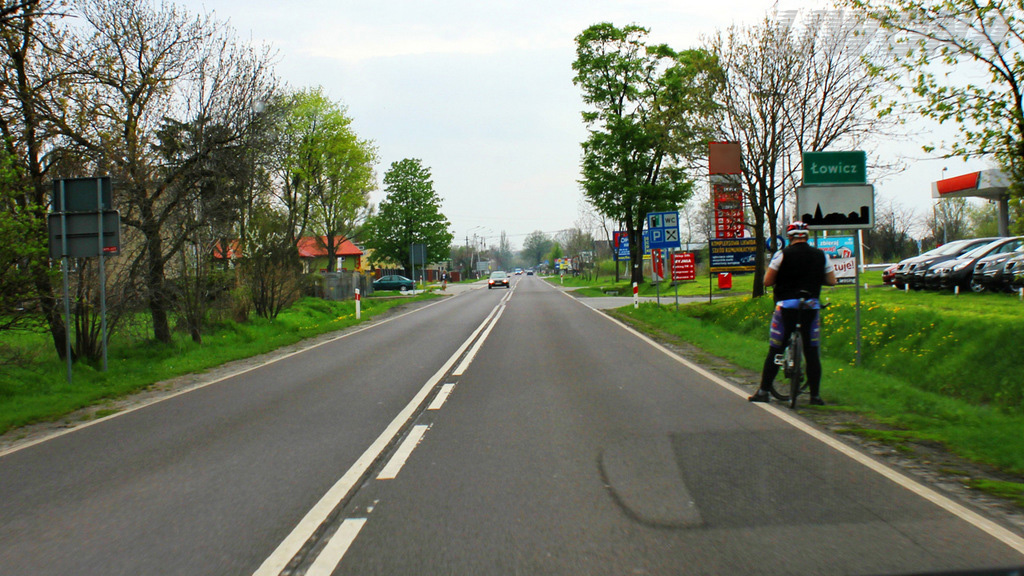 Are you performing an evasive manoeuvre when driving past the cyclist?КомментарийWhen dealing with a cyclist, consider the cyclist's position, the marked lane and the direction of travel. The driver must leave the required space and avoid a manoeuvre that would cut across the cyclist's path.Are you performing an evasive manoeuvre when driving past the cyclist?
-
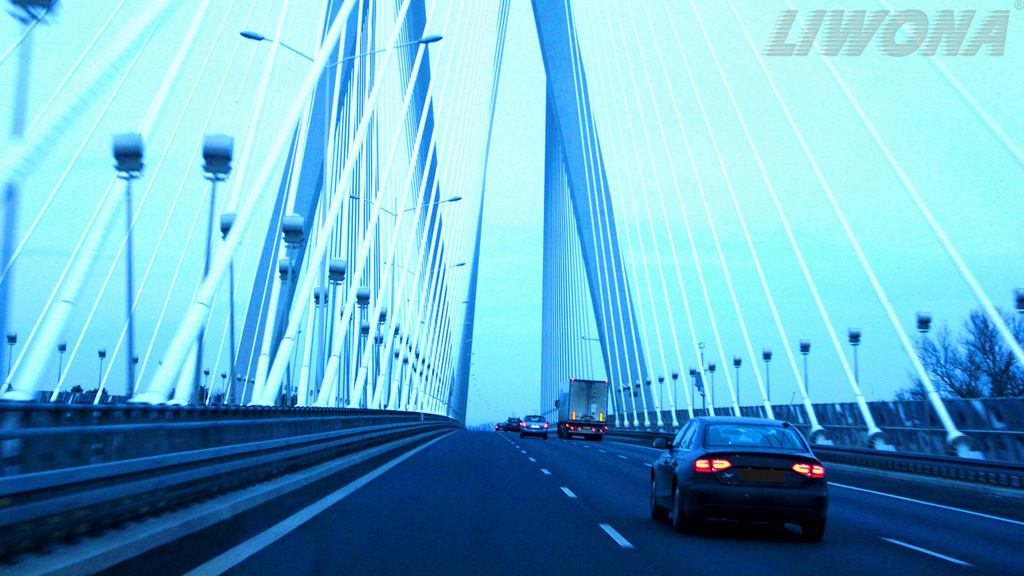 Are you permitted to perform a reverse manoeuvre in this situation?КомментарийThe decisive point is the specific traffic rule described in the question and the conditions in which it applies. Consider the vehicle, road type and surrounding traffic before choosing the applicable rule.Are you permitted to perform a reverse manoeuvre in this situation?
-
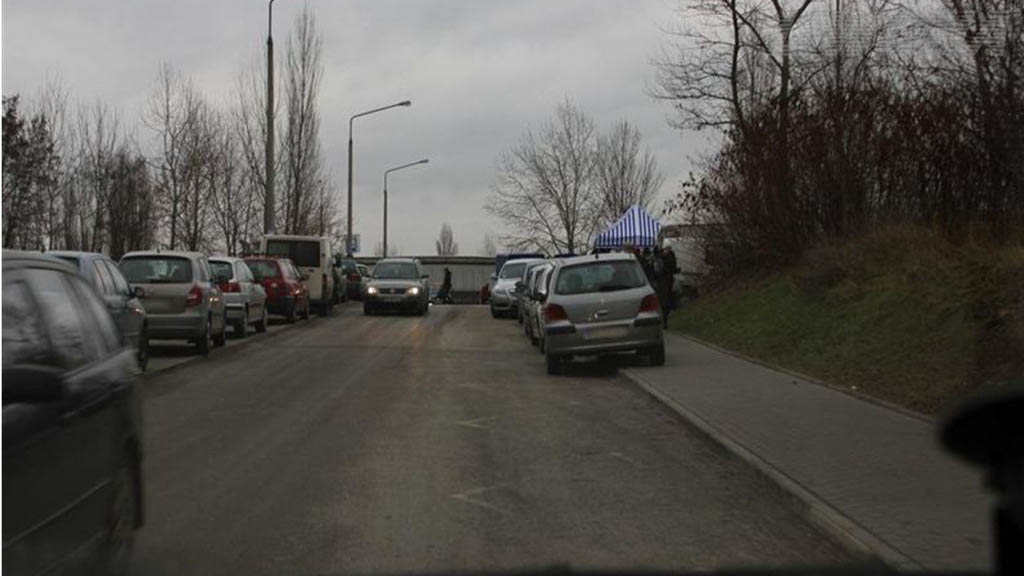 In the visible situation, can you continue driving in front of the vehicle approaching from the opposite direction?КомментарийThe decisive point is the specific traffic rule described in the question and the conditions in which it applies. Consider the vehicle, road type and surrounding traffic before choosing the applicable rule.In the visible situation, can you continue driving in front of the vehicle approaching from the opposite direction?
-
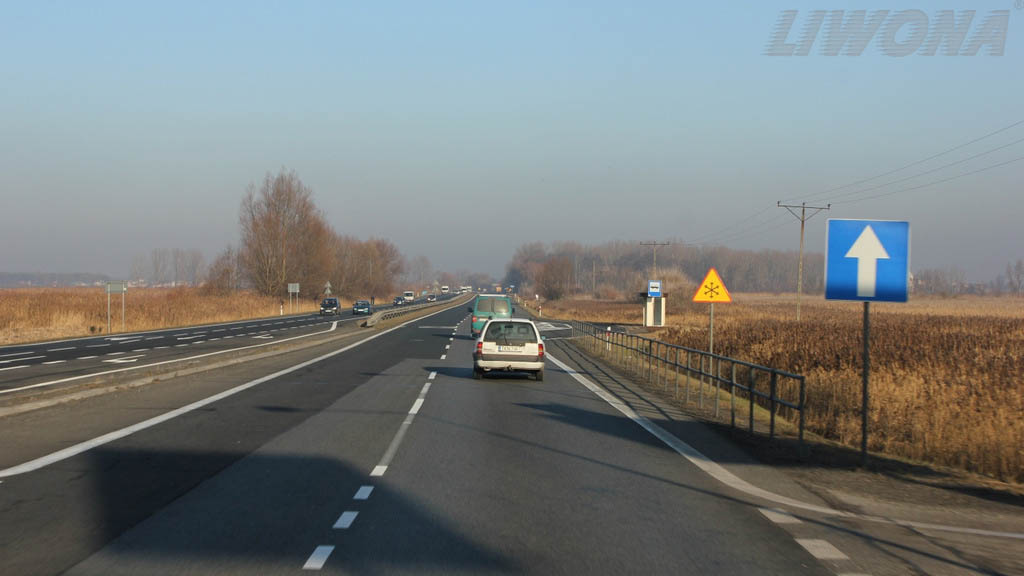 Is it prohibited to reverse on a one-way road?КомментарийThe decisive point is the specific traffic rule described in the question and the conditions in which it applies. Consider the vehicle, road type and surrounding traffic before choosing the applicable rule.Is it prohibited to reverse on a one-way road?
-
When assuming a safe distance from parked vehicles, should you take into account the possibility of one of the vehicles' doors opening?КомментарийThe required lateral clearance depends on the road user being passed and the manoeuvre shown. The driver must leave enough space to avoid endangering the other road user and maintain control throughout the manoeuvre.When assuming a safe distance from parked vehicles, should you take into account the possibility of one of the vehicles' doors opening?
-
Do they cars coming in the opposite direction have the right of way in this situation?КомментарийPriority is determined by the signs, signals, road markings and the paths of the vehicles shown. The important point is not simply who arrives first, but which movement is required to give way under the applicable rule.Do they cars coming in the opposite direction have the right of way in this situation?
-
In this situation, are you performing an evasive manoeuvre when driving past a stationary public transport vehicle?КомментарийThe decisive point is the specific traffic rule described in the question and the conditions in which it applies. Consider the vehicle, road type and surrounding traffic before choosing the applicable rule.In this situation, are you performing an evasive manoeuvre when driving past a stationary public transport vehicle?
Test №46
1 / 32 тест


