-
In this situation, can you bypass the car which has stopped in order to give way to a pedestrian?КомментарийThe driver's duty depends on the pedestrian's position, the type of crossing and the movement shown. Approach slowly enough to stop and do not use the vehicle's movement to force a pedestrian to change speed or direction.In this situation, can you bypass the car which has stopped in order to give way to a pedestrian?
-
Are you obliged to exercise particular caution when passing the tram stop situated as shown?КомментарийThe decisive point is the specific traffic rule described in the question and the conditions in which it applies. Consider the vehicle, road type and surrounding traffic before choosing the applicable rule.Are you obliged to exercise particular caution when passing the tram stop situated as shown?
-
In this situation, can you drive past the traffic lights, if stopping in front of them would require rapid braking?КомментарийThe traffic signal shown applies to the lane or direction indicated in the situation. The driver must follow that signal and also account for any separate signs, markings and road users that affect the manoeuvre.In this situation, can you drive past the traffic lights, if stopping in front of them would require rapid braking?
-
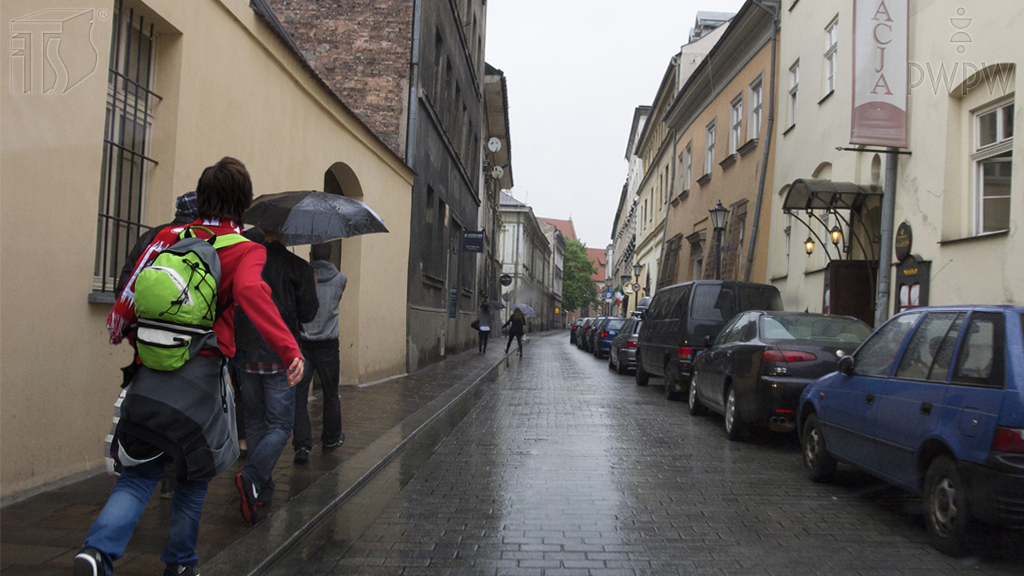 Should you take into consideration the probability of the pedestrian bursting onto the road in this situation?КомментарийThe driver's duty depends on the pedestrian's position, the type of crossing and the movement shown. Approach slowly enough to stop and do not use the vehicle's movement to force a pedestrian to change speed or direction.Should you take into consideration the probability of the pedestrian bursting onto the road in this situation?
-
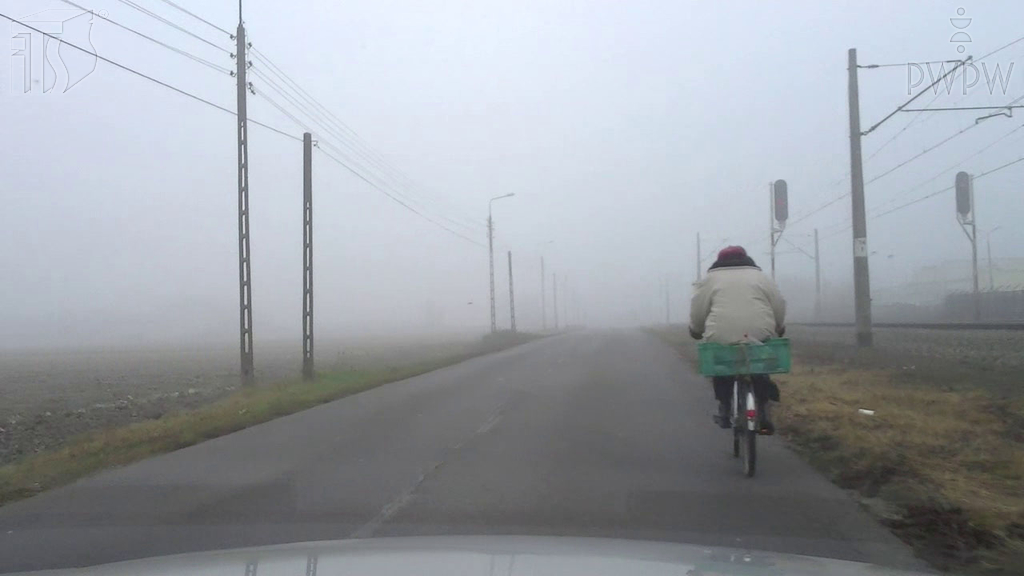 While overtaking a cyclist in conditions of limited visibility, outside a built-up area, should you use short horn signals?КомментарийBefore overtaking, check the road markings, signs, visibility, the vehicle behind and the space needed to return safely. The manoeuvre must be completed without forcing another road user to brake or change direction.While overtaking a cyclist in conditions of limited visibility, outside a built-up area, should you use short horn signals?
-
In this situation, are you obliged to exercise caution?КомментарийThe decisive point is the specific traffic rule described in the question and the conditions in which it applies. Consider the vehicle, road type and surrounding traffic before choosing the applicable rule.In this situation, are you obliged to exercise caution?
-
When driving in a state of emotional arousal, does the precision and accuracy of your reactions in dangerous situation improve?КомментарийDriver attention and reaction are affected by fatigue, emotional arousal and the amount of information in the road environment. A delayed reaction increases the distance travelled before braking or taking evasive action.When driving in a state of emotional arousal, does the precision and accuracy of your reactions in dangerous situation improve?
-
Are you allowed in this situation to overtake the tram?КомментарийBefore overtaking, check the road markings, signs, visibility, the vehicle behind and the space needed to return safely. The manoeuvre must be completed without forcing another road user to brake or change direction.Are you allowed in this situation to overtake the tram?
-
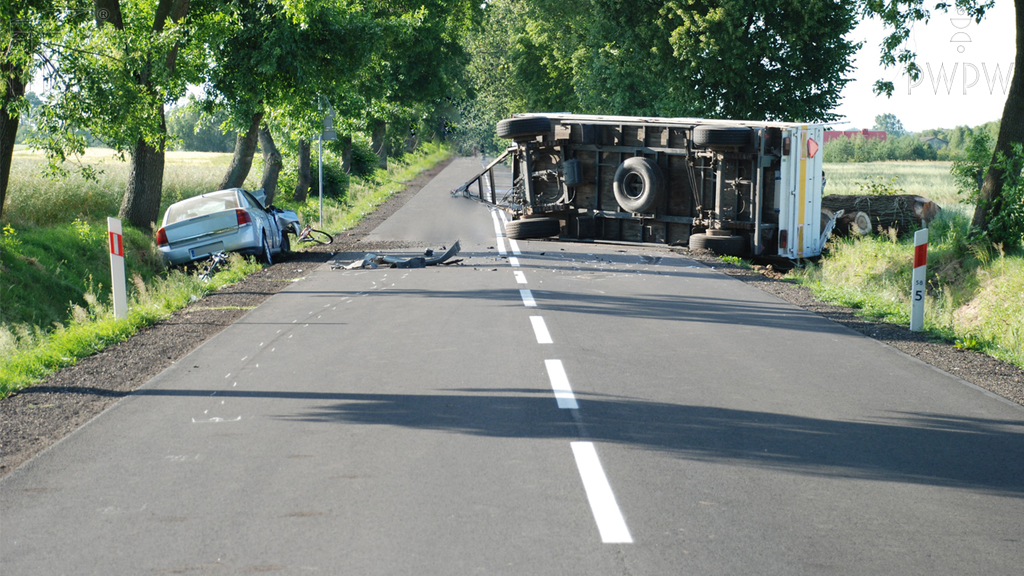 You have participated in a car accident with casualties. Are you allowed to undertake actions which might hinder establishing the course of the accident?КомментарийThe decisive point is the specific traffic rule described in the question and the conditions in which it applies. Consider the vehicle, road type and surrounding traffic before choosing the applicable rule.You have participated in a car accident with casualties. Are you allowed to undertake actions which might hinder establishing the course of the accident?
-
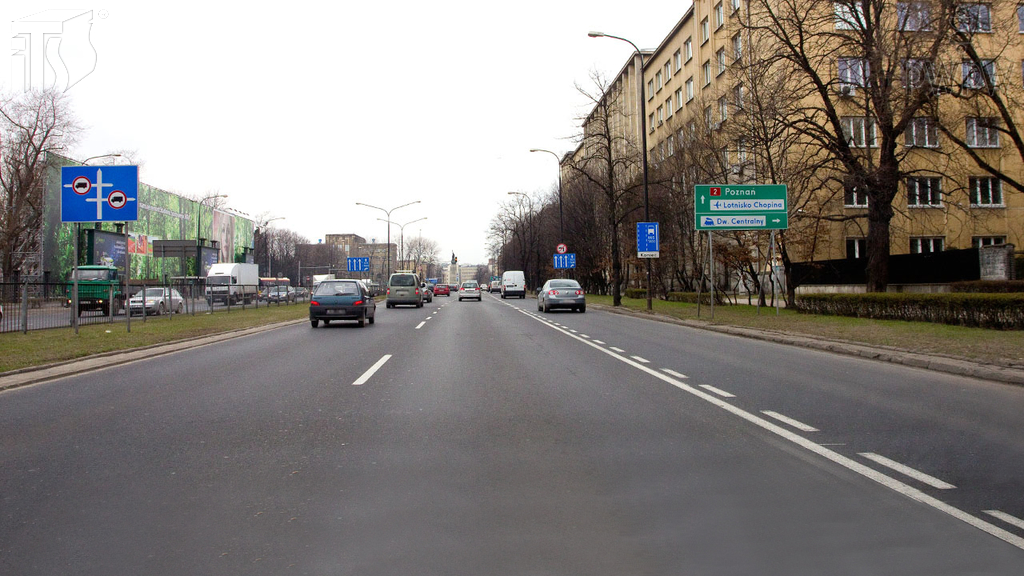 Are you allowed in this place to change your lane to the lane by the right edge of the road?КомментарийBefore changing lane, check the road markings, the direction assigned to each lane and the position of other vehicles. The manoeuvre is only safe when the target lane is suitable and can be entered without forcing another road user to react.Are you allowed in this place to change your lane to the lane by the right edge of the road?
-
In this situation in a built-up area, are you obliged to allow the bus join traffic if the driver signals such an intention?КомментарийThe road environment indicated by the sign changes which traffic rules and restrictions apply. Identify the zone first, then apply the rule to the vehicle and manoeuvre shown.In this situation in a built-up area, are you obliged to allow the bus join traffic if the driver signals such an intention?
-
While turning left, should you give the right of way to the vehicle approaching from the opposite direction?КомментарийThe legality of the turn depends on the signs, road markings, lane position and the paths of other road users shown. Before turning, make sure the manoeuvre does not conflict with a protected or opposing movement.While turning left, should you give the right of way to the vehicle approaching from the opposite direction?
-
In this situation, can you turn right in front of the tram?КомментарийThe legality of the turn depends on the signs, road markings, lane position and the paths of other road users shown. Before turning, make sure the manoeuvre does not conflict with a protected or opposing movement.In this situation, can you turn right in front of the tram?
-
You intend to turn left. Do you have the right of way over the motorcyclist turning left?КомментарийWhen dealing with a cyclist, consider the cyclist's position, the marked lane and the direction of travel. The driver must leave the required space and avoid a manoeuvre that would cut across the cyclist's path.You intend to turn left. Do you have the right of way over the motorcyclist turning left?
-
In this situation, are you being warned of an intersection with a side road?КомментарийThe warning sign shown gives information about a hazard or road arrangement ahead. Its exact meaning must be read from the symbol and supplementary plate, rather than inferred only from the shape of the road.In this situation, are you being warned of an intersection with a side road?
-
In this situation, are you approaching a road narrowing on the right?КомментарийThe decisive point is the specific traffic rule described in the question and the conditions in which it applies. Consider the vehicle, road type and surrounding traffic before choosing the applicable rule.In this situation, are you approaching a road narrowing on the right?
-
In this situation, are you being warned of a road narrowing on the left?КомментарийThe warning sign shown gives information about a hazard or road arrangement ahead. Its exact meaning must be read from the symbol and supplementary plate, rather than inferred only from the shape of the road.In this situation, are you being warned of a road narrowing on the left?
-
In this situation, are you being warned of two dangerous bends, the first to the right?КомментарийThe warning sign shown gives information about a hazard or road arrangement ahead. Its exact meaning must be read from the symbol and supplementary plate, rather than inferred only from the shape of the road.In this situation, are you being warned of two dangerous bends, the first to the right?
-
Does the plate under the warning sign indicate an unexpected change in the driving direction?КомментарийThe warning sign shown gives information about a hazard or road arrangement ahead. Its exact meaning must be read from the symbol and supplementary plate, rather than inferred only from the shape of the road.Does the plate under the warning sign indicate an unexpected change in the driving direction?
-
In this situation, are you approaching a multi-track level crossing?КомментарийAt a level crossing, the driver must assess the crossing itself, the warning signals and the possibility of a rail vehicle approaching. Raised barriers do not by themselves guarantee that the crossing is safe to enter.In this situation, are you approaching a multi-track level crossing?
-
Does the plate under the warning sign indicate an unexpected change in the driving direction?КомментарийThe warning sign shown gives information about a hazard or road arrangement ahead. Its exact meaning must be read from the symbol and supplementary plate, rather than inferred only from the shape of the road.Does the plate under the warning sign indicate an unexpected change in the driving direction?
-
In this situation, are you being warned of an intersection with a major road on the right?КомментарийThe warning sign shown gives information about a hazard or road arrangement ahead. Its exact meaning must be read from the symbol and supplementary plate, rather than inferred only from the shape of the road.In this situation, are you being warned of an intersection with a major road on the right?
-
Does this warning sign mean that you are approaching several dangerous bends, the first of which is to the right?КомментарийThe warning sign shown gives information about a hazard or road arrangement ahead. Its exact meaning must be read from the symbol and supplementary plate, rather than inferred only from the shape of the road.Does this warning sign mean that you are approaching several dangerous bends, the first of which is to the right?
-
Does this warning sign mean that you are approaching a place where two-way traffic starts?КомментарийThe warning sign shown gives information about a hazard or road arrangement ahead. Its exact meaning must be read from the symbol and supplementary plate, rather than inferred only from the shape of the road.Does this warning sign mean that you are approaching a place where two-way traffic starts?
-
In this situation, are you obliged to drive straight ahead?КомментарийThe decisive point is the specific traffic rule described in the question and the conditions in which it applies. Consider the vehicle, road type and surrounding traffic before choosing the applicable rule.In this situation, are you obliged to drive straight ahead?
-
In this situation, are you allowed to drive, at the intersection, in the direction opposite to the direction shown on the mandatory traffic sign?КомментарийThe decisive point is the specific traffic rule described in the question and the conditions in which it applies. Consider the vehicle, road type and surrounding traffic before choosing the applicable rule.In this situation, are you allowed to drive, at the intersection, in the direction opposite to the direction shown on the mandatory traffic sign?
-
Are you allowed to stop in the section of the roadway in front of this sign?КомментарийThe decisive point is the specific traffic rule described in the question and the conditions in which it applies. Consider the vehicle, road type and surrounding traffic before choosing the applicable rule.Are you allowed to stop in the section of the roadway in front of this sign?
-
In this situation, does the traffic light prohibit you to make a U-turn at this intersection?КомментарийThe traffic signal shown applies to the lane or direction indicated in the situation. The driver must follow that signal and also account for any separate signs, markings and road users that affect the manoeuvre.In this situation, does the traffic light prohibit you to make a U-turn at this intersection?
-
In this situation, are you allowed to make a U-turn at the nearest intersection?КомментарийThe legality of the turn depends on the signs, road markings, lane position and the paths of other road users shown. Before turning, make sure the manoeuvre does not conflict with a protected or opposing movement.In this situation, are you allowed to make a U-turn at the nearest intersection?
-
In this situation, are you required to stop the vehicle in front of the pedestrian crossing?КомментарийThe driver's duty depends on the pedestrian's position, the type of crossing and the movement shown. Approach slowly enough to stop and do not use the vehicle's movement to force a pedestrian to change speed or direction.In this situation, are you required to stop the vehicle in front of the pedestrian crossing?
-
Are you allowed to make a U-turn in this situation?КомментарийThe legality of the turn depends on the signs, road markings, lane position and the paths of other road users shown. Before turning, make sure the manoeuvre does not conflict with a protected or opposing movement.Are you allowed to make a U-turn in this situation?
-
Does the prohibitory sign on the left side of the roadway also prohibit making a U-turn at the nearest intersection?КомментарийThe legality of the turn depends on the signs, road markings, lane position and the paths of other road users shown. Before turning, make sure the manoeuvre does not conflict with a protected or opposing movement.Does the prohibitory sign on the left side of the roadway also prohibit making a U-turn at the nearest intersection?
Test №40
1 / 32 тест


