-
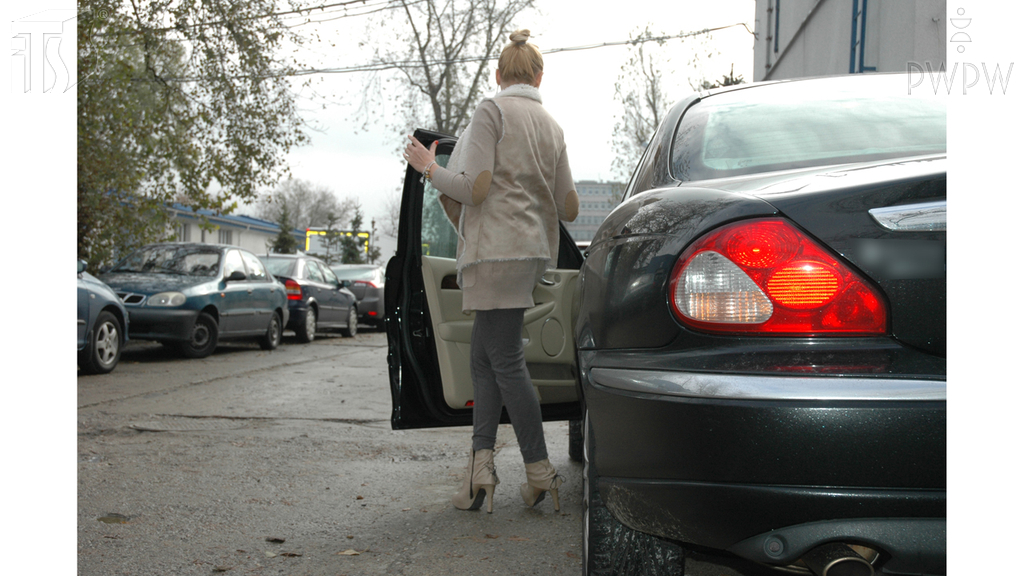 Can you, as a driver, move away from a car which engine is running?КомментарийThe decisive point is the specific traffic rule described in the question and the conditions in which it applies. Consider the vehicle, road type and surrounding traffic before choosing the applicable rule.Can you, as a driver, move away from a car which engine is running?
-
In this situation, are you obliged to stop in front of the railway crossing?КомментарийAt a level crossing, the driver must assess the crossing itself, the warning signals and the possibility of a rail vehicle approaching. Raised barriers do not by themselves guarantee that the crossing is safe to enter.In this situation, are you obliged to stop in front of the railway crossing?
-
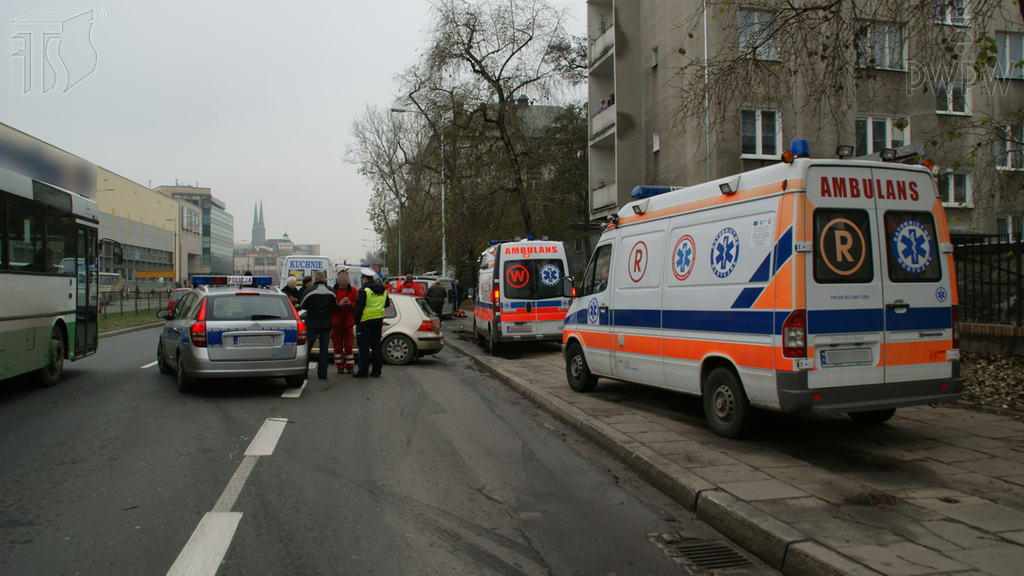 If you're involved in a car accident in which there are injured persons, can you leave the scene of the accident once the ambulance service has been called?КомментарийOn a slippery surface, available grip is limited. Smooth steering, gentle acceleration and braking, a lower speed and a larger safety margin reduce the risk of losing control.If you're involved in a car accident in which there are injured persons, can you leave the scene of the accident once the ambulance service has been called?
-
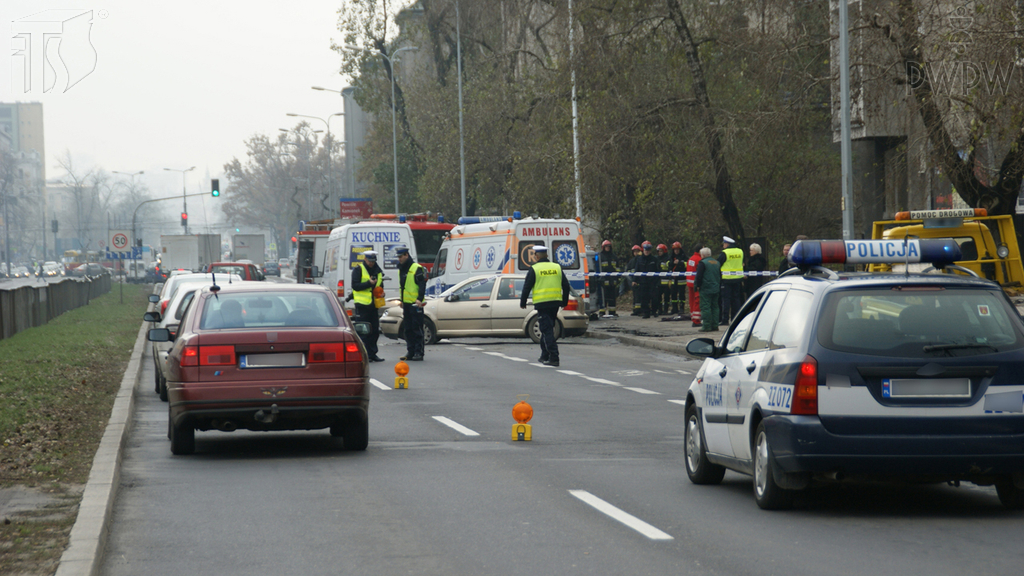 If you're involved in a car accident in which there are fatalities, are you obliged to remain on the scene of the accident after the ambulance service had been called?КомментарийOn a slippery surface, available grip is limited. Smooth steering, gentle acceleration and braking, a lower speed and a larger safety margin reduce the risk of losing control.If you're involved in a car accident in which there are fatalities, are you obliged to remain on the scene of the accident after the ambulance service had been called?
-
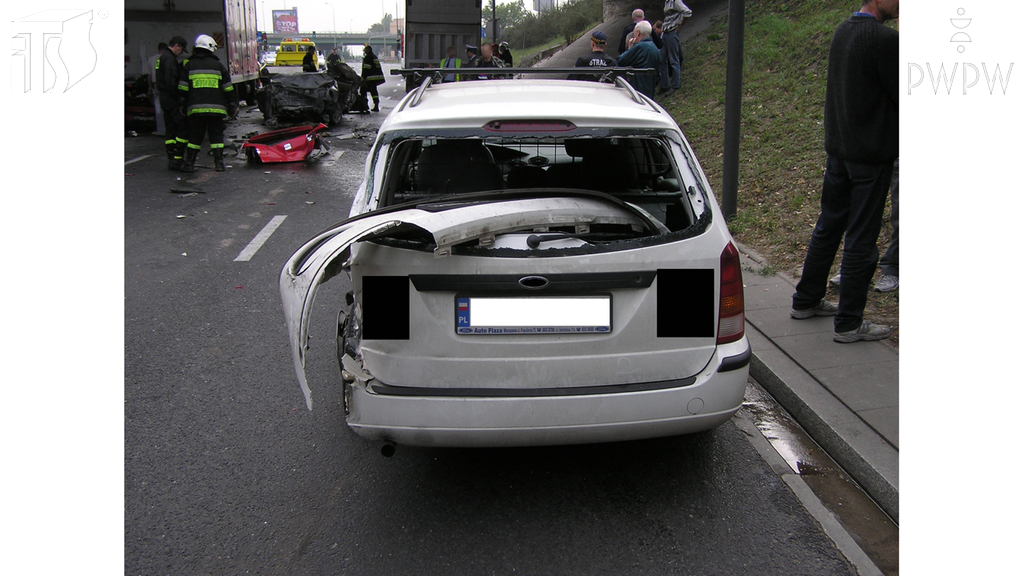 If you're involved in a car accident in which there are injured parties, can you remove your car from the scene of the accident so that it does not create an obstacle to traffic?КомментарийThe decisive point is the specific traffic rule described in the question and the conditions in which it applies. Consider the vehicle, road type and surrounding traffic before choosing the applicable rule.If you're involved in a car accident in which there are injured parties, can you remove your car from the scene of the accident so that it does not create an obstacle to traffic?
-
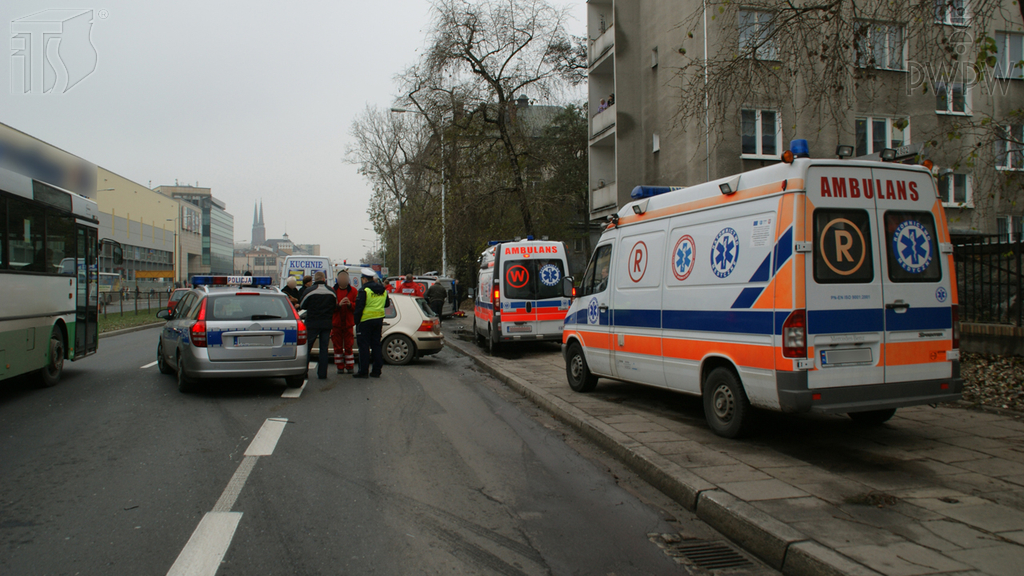 If you're involved in a car accident in which there are injured persons, are you obliged to leave your car at the scene of the accident?КомментарийThe decisive point is the specific traffic rule described in the question and the conditions in which it applies. Consider the vehicle, road type and surrounding traffic before choosing the applicable rule.If you're involved in a car accident in which there are injured persons, are you obliged to leave your car at the scene of the accident?
-
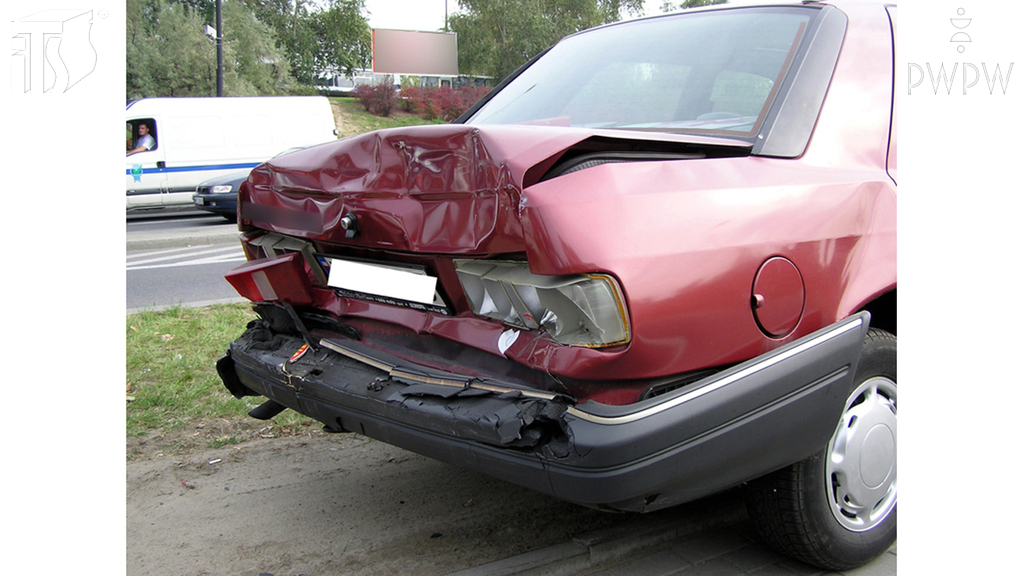 If you're involved in a car accident in which there are no injuries or fatalities, are you obliged to call the Police?КомментарийOn a slippery surface, available grip is limited. Smooth steering, gentle acceleration and braking, a lower speed and a larger safety margin reduce the risk of losing control.If you're involved in a car accident in which there are no injuries or fatalities, are you obliged to call the Police?
-
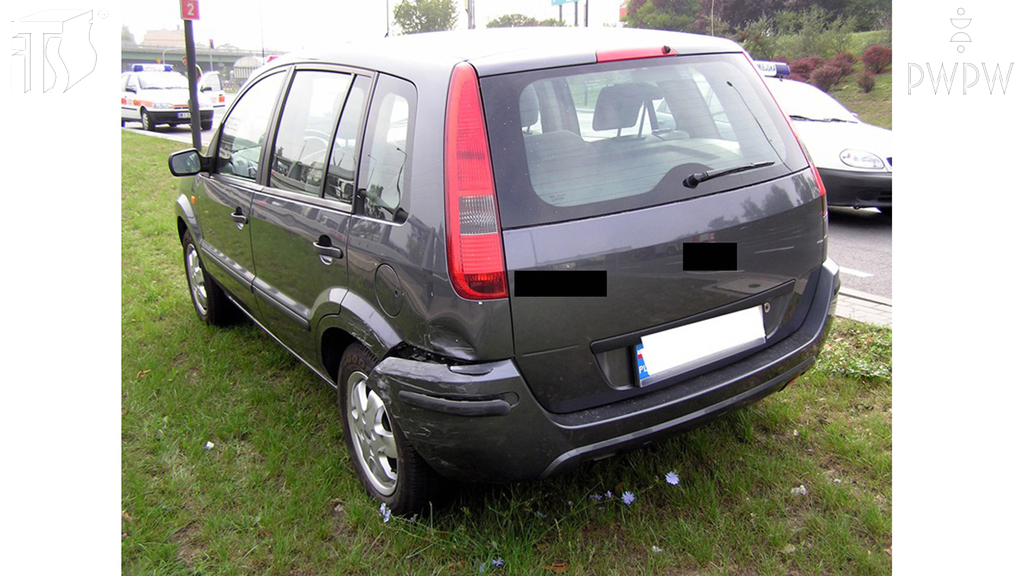 If you're involved in a car accident in which there are no injuries or fatalities, are you obliged to immediately remove your car from the scene of the accident?КомментарийThe decisive point is the specific traffic rule described in the question and the conditions in which it applies. Consider the vehicle, road type and surrounding traffic before choosing the applicable rule.If you're involved in a car accident in which there are no injuries or fatalities, are you obliged to immediately remove your car from the scene of the accident?
-
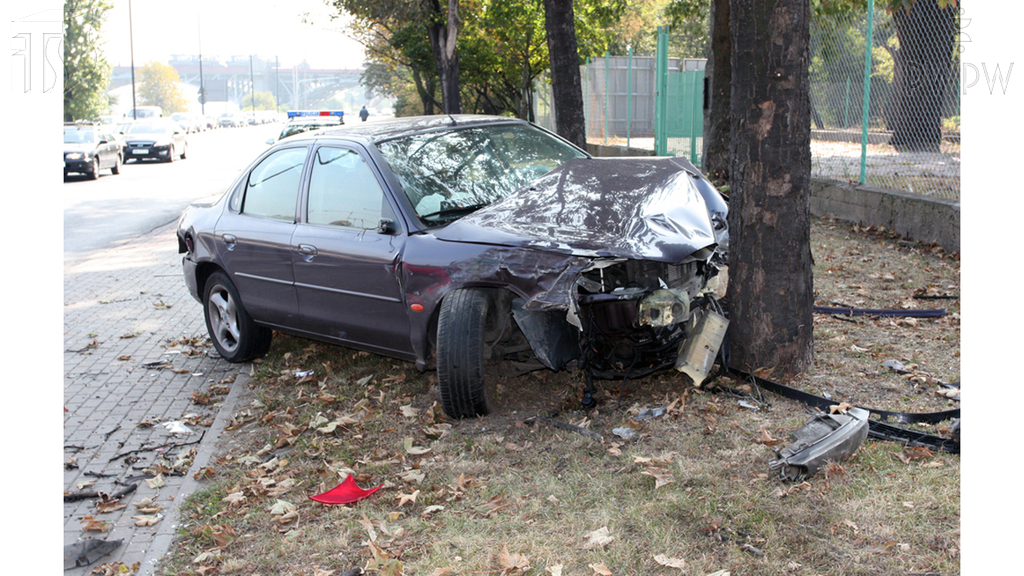 If you're involved in a car accident in which there are injured parties, are you obliged to call the emergency service and provide the necessary assistance to the victims?КомментарийOn a slippery surface, available grip is limited. Smooth steering, gentle acceleration and braking, a lower speed and a larger safety margin reduce the risk of losing control.If you're involved in a car accident in which there are injured parties, are you obliged to call the emergency service and provide the necessary assistance to the victims?
-
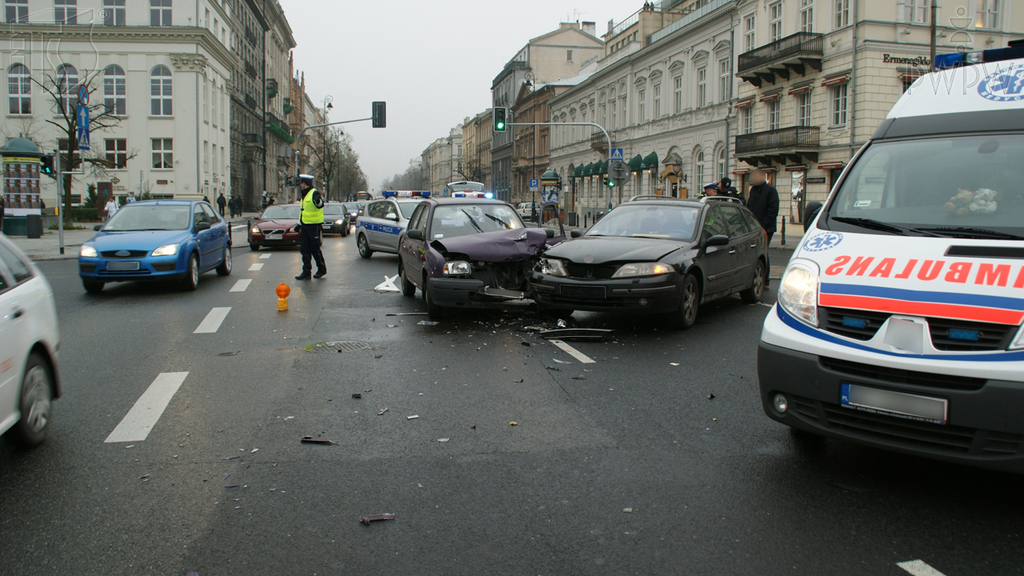 If you're involved in a car accident, are you obliged to provide your personal details at the request of the second party involved in the same accident?КомментарийThe decisive point is the specific traffic rule described in the question and the conditions in which it applies. Consider the vehicle, road type and surrounding traffic before choosing the applicable rule.If you're involved in a car accident, are you obliged to provide your personal details at the request of the second party involved in the same accident?
-
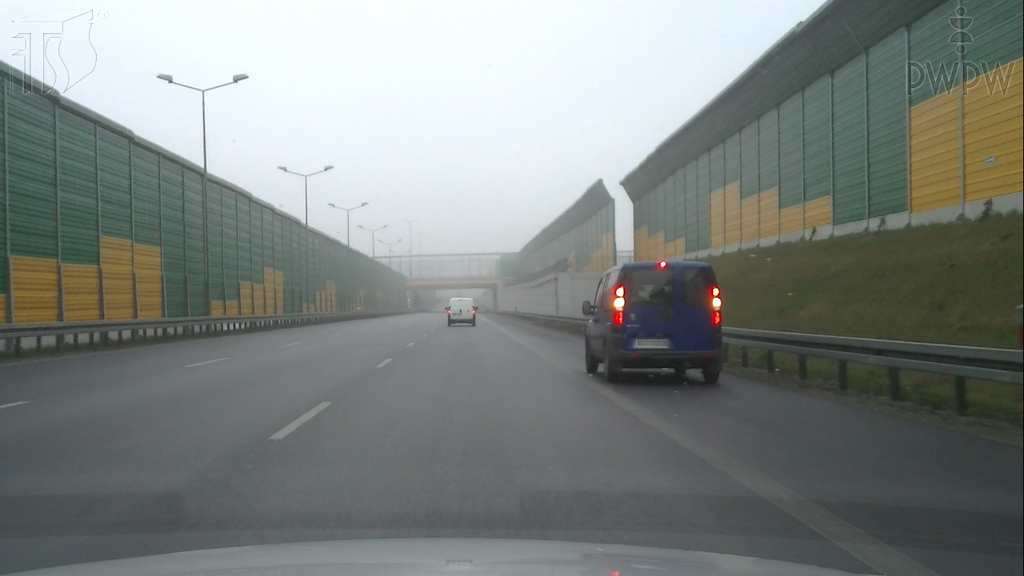 If you have stopped your vehicle on an expressway due to a breakdown, must you switch on your emergency lights, and if the vehicle is not so equipped, your position lights?КомментарийThe decisive point is the specific traffic rule described in the question and the conditions in which it applies. Consider the vehicle, road type and surrounding traffic before choosing the applicable rule.If you have stopped your vehicle on an expressway due to a breakdown, must you switch on your emergency lights, and if the vehicle is not so equipped, your position lights?
-
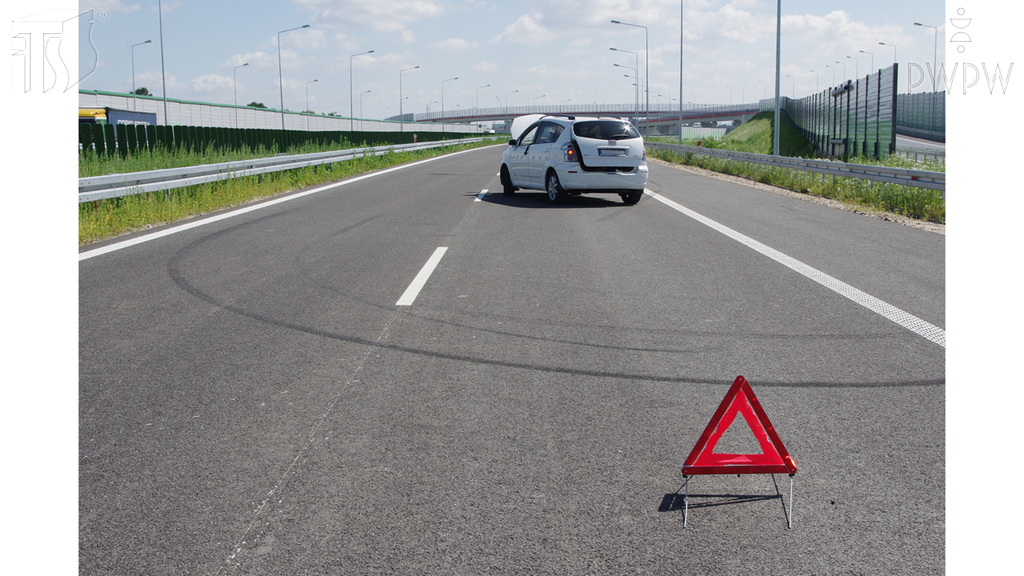 Is it correct to place a warning triangle at a distance of 30-50 m behind the car, if the car breaks down on an express road?КомментарийThe required lateral clearance depends on the road user being passed and the manoeuvre shown. The driver must leave enough space to avoid endangering the other road user and maintain control throughout the manoeuvre.Is it correct to place a warning triangle at a distance of 30-50 m behind the car, if the car breaks down on an express road?
-
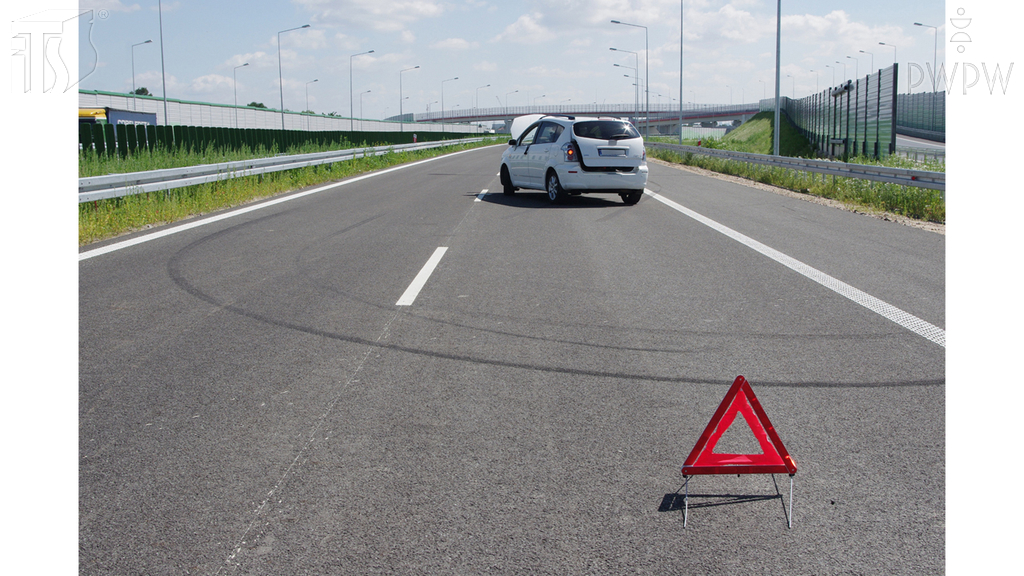 If you're involved in an accident on a motorway, do you have to signal the fact that your car is immobilized by turning on the emergency lights?КомментарийThe decisive point is the specific traffic rule described in the question and the conditions in which it applies. Consider the vehicle, road type and surrounding traffic before choosing the applicable rule.If you're involved in an accident on a motorway, do you have to signal the fact that your car is immobilized by turning on the emergency lights?
-
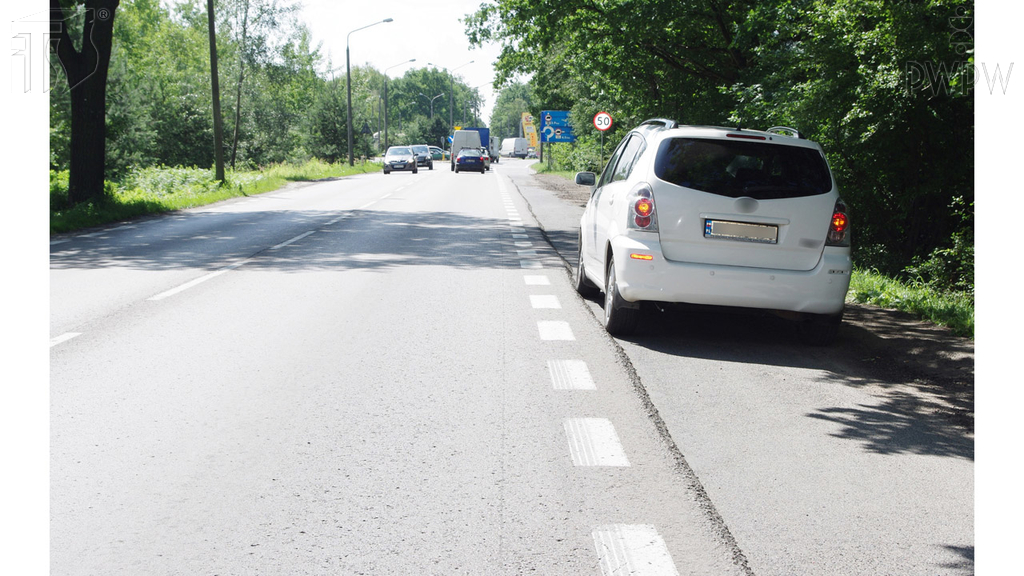 In the situation that you see here, while you park a broken-down car on the road outside a built-up area, are you obliged to place a warning triangle behind it at a distance of 150 m?КомментарийThe required lateral clearance depends on the road user being passed and the manoeuvre shown. The driver must leave enough space to avoid endangering the other road user and maintain control throughout the manoeuvre.In the situation that you see here, while you park a broken-down car on the road outside a built-up area, are you obliged to place a warning triangle behind it at a distance of 150 m?
-
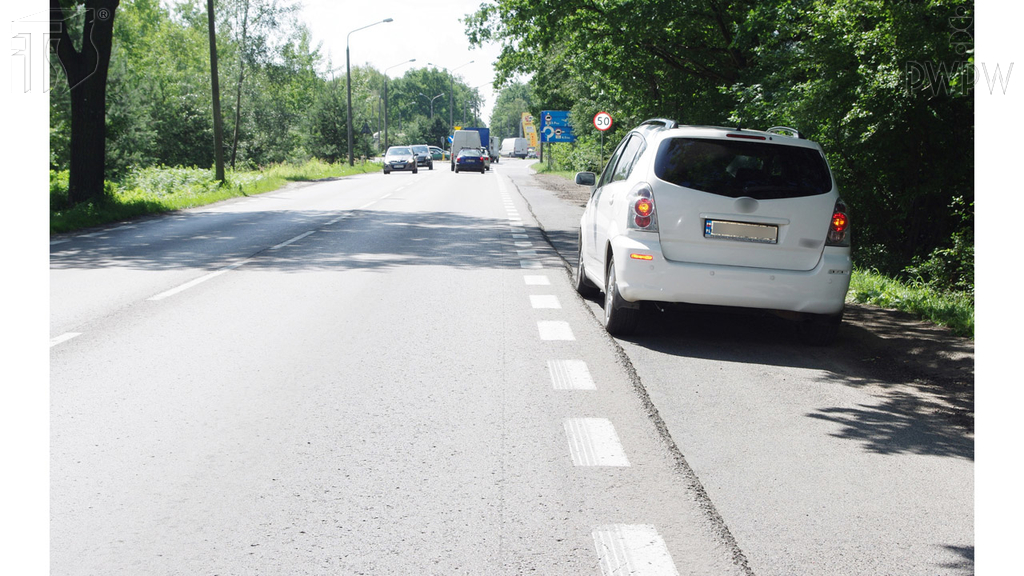 If you park a broken-down car outside a built-up area, are you obliged to place a warning triangle immediately behind the car or on it?КомментарийThe road environment indicated by the sign changes which traffic rules and restrictions apply. Identify the zone first, then apply the rule to the vehicle and manoeuvre shown.If you park a broken-down car outside a built-up area, are you obliged to place a warning triangle immediately behind the car or on it?
-
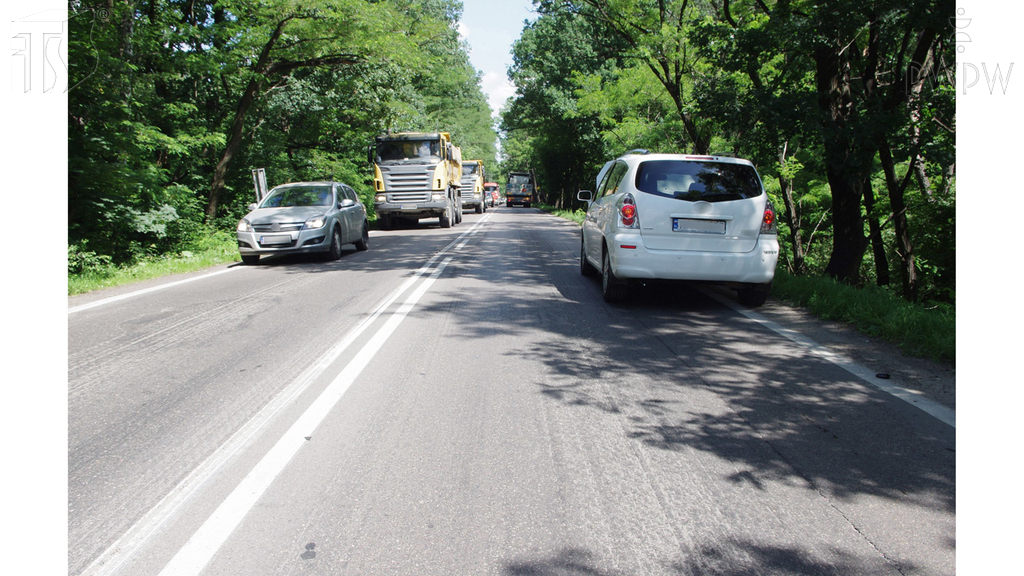 While parking a broken-down car on a paved road outside a built-up area, do you have to leave the low-beam lights on?КомментарийWhen turning into a parking area, check the road markings and the direction of traffic before crossing the roadway. The manoeuvre must not conflict with a prohibited turn or with vehicles travelling in the opposite direction.While parking a broken-down car on a paved road outside a built-up area, do you have to leave the low-beam lights on?
-
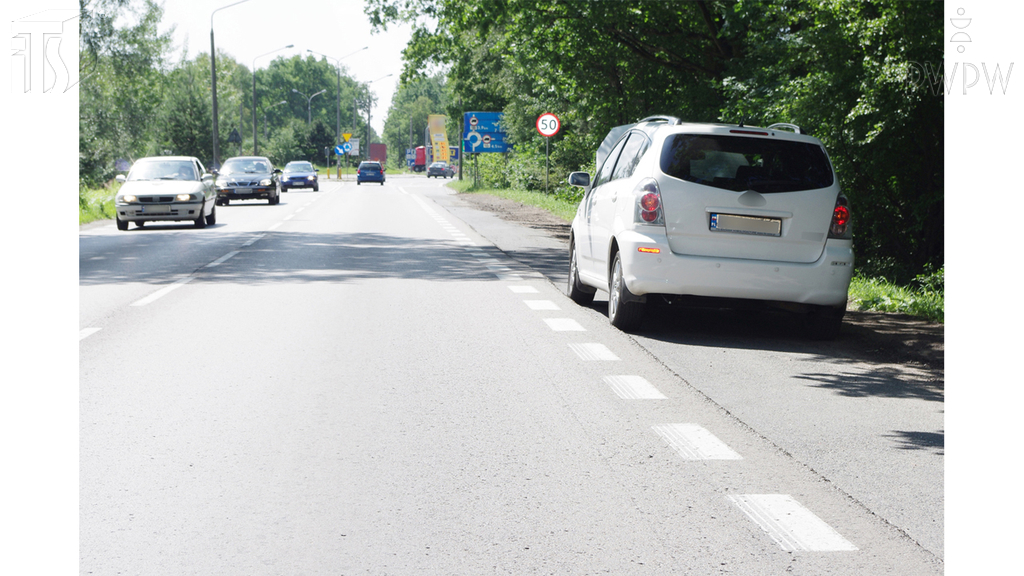 In the presented situation, are you obliged to signal the fact that you have parked a broken-down car on a road which is not an express road, if the car may be seen from a sufficient distance?КомментарийThe required lateral clearance depends on the road user being passed and the manoeuvre shown. The driver must leave enough space to avoid endangering the other road user and maintain control throughout the manoeuvre.In the presented situation, are you obliged to signal the fact that you have parked a broken-down car on a road which is not an express road, if the car may be seen from a sufficient distance?
-
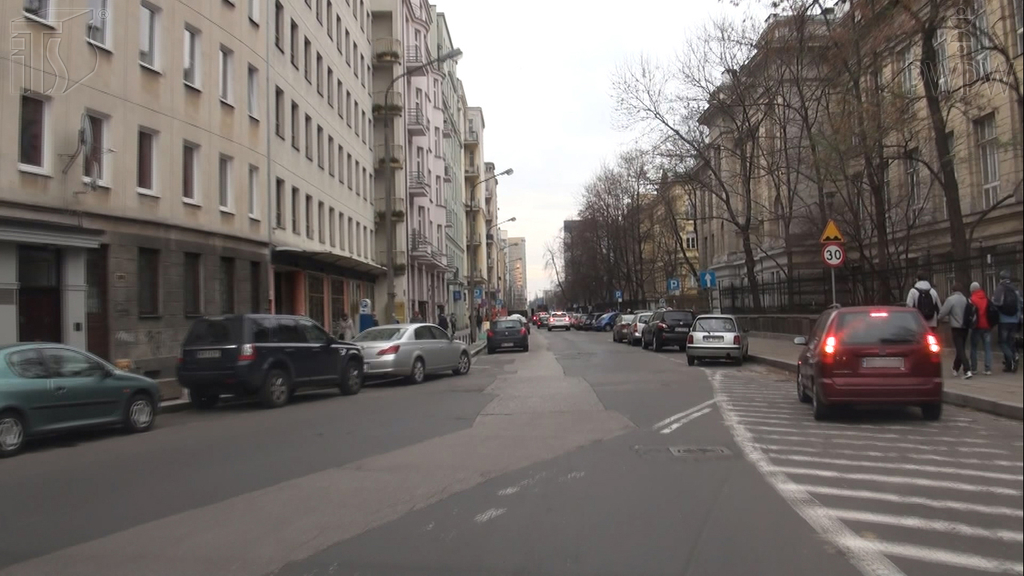 Should you signal the fact of parking a broken-down car on an area excluded from driving?КомментарийWhen turning into a parking area, check the road markings and the direction of traffic before crossing the roadway. The manoeuvre must not conflict with a prohibited turn or with vehicles travelling in the opposite direction.Should you signal the fact of parking a broken-down car on an area excluded from driving?
-
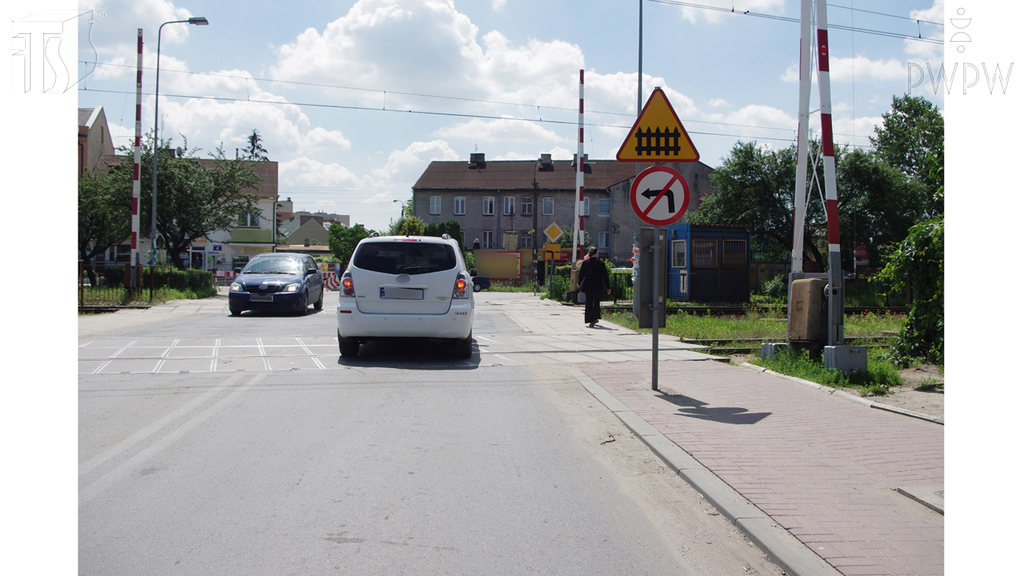 In cases of breakdown, must you immediately remove the vehicle from the crossing and if this is not possible, should you warn the engine driver of the rail vehicle?КомментарийAt a level crossing, the driver must assess the crossing itself, the warning signals and the possibility of a rail vehicle approaching. Raised barriers do not by themselves guarantee that the crossing is safe to enter.In cases of breakdown, must you immediately remove the vehicle from the crossing and if this is not possible, should you warn the engine driver of the rail vehicle?
-
In the event of immobilization of the car due to a technical problem on a railway crossing, do you have to immediately move the car from the railway crossing?КомментарийAt a level crossing, the driver must assess the crossing itself, the warning signals and the possibility of a rail vehicle approaching. Raised barriers do not by themselves guarantee that the crossing is safe to enter.In the event of immobilization of the car due to a technical problem on a railway crossing, do you have to immediately move the car from the railway crossing?
-
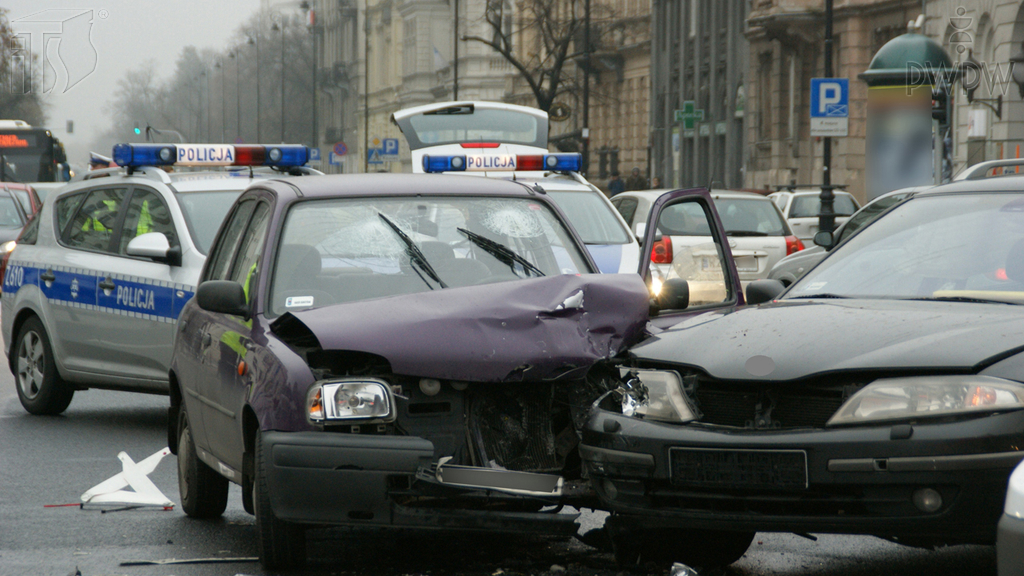 If you're involved in a car accident, are you obliged to provide the details of the car owner at the request of another person involved in such accident?КомментарийThe decisive point is the specific traffic rule described in the question and the conditions in which it applies. Consider the vehicle, road type and surrounding traffic before choosing the applicable rule.If you're involved in a car accident, are you obliged to provide the details of the car owner at the request of another person involved in such accident?
-
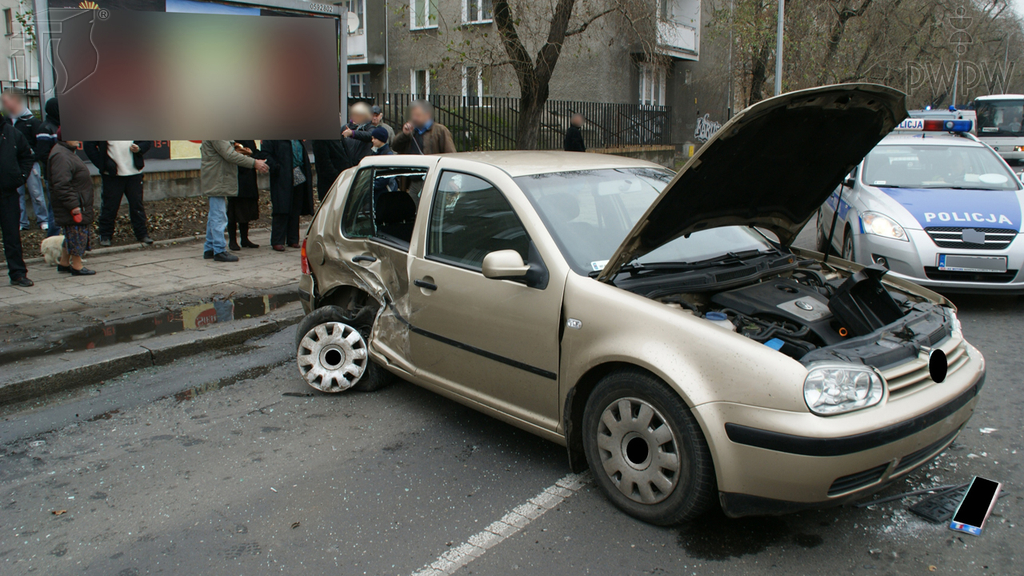 If you're involved in a car accident, are you obliged to provide the details concerning motor third-party liability insurance at the request of another person involved in the accident?КомментарийThe decisive point is the specific traffic rule described in the question and the conditions in which it applies. Consider the vehicle, road type and surrounding traffic before choosing the applicable rule.If you're involved in a car accident, are you obliged to provide the details concerning motor third-party liability insurance at the request of another person involved in the accident?
-
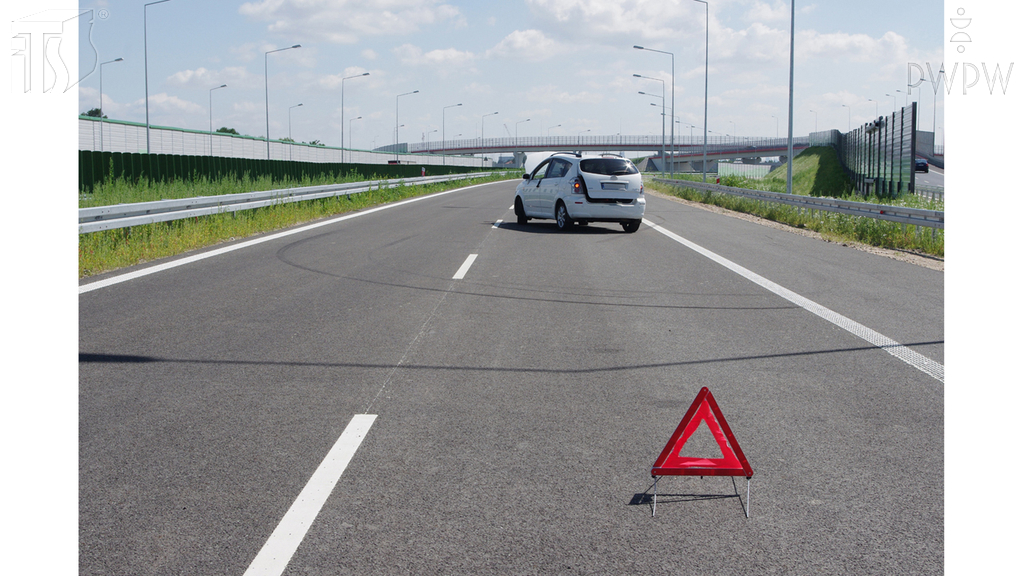 If you're involved in an accident on a motorway, are you obliged to signal the fact that your car is immobilized by placement of a warning triangle 100 m behind the car?КомментарийThe decisive point is the specific traffic rule described in the question and the conditions in which it applies. Consider the vehicle, road type and surrounding traffic before choosing the applicable rule.If you're involved in an accident on a motorway, are you obliged to signal the fact that your car is immobilized by placement of a warning triangle 100 m behind the car?
-
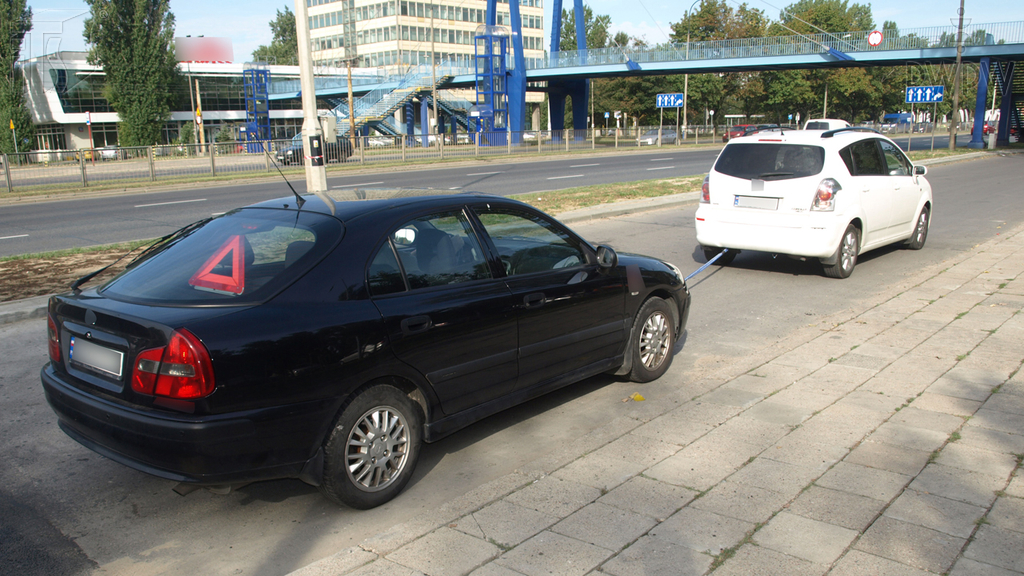 Can you use emergency lights while towing a vehicle?КомментарийThe decisive point is the specific traffic rule described in the question and the conditions in which it applies. Consider the vehicle, road type and surrounding traffic before choosing the applicable rule.Can you use emergency lights while towing a vehicle?
-
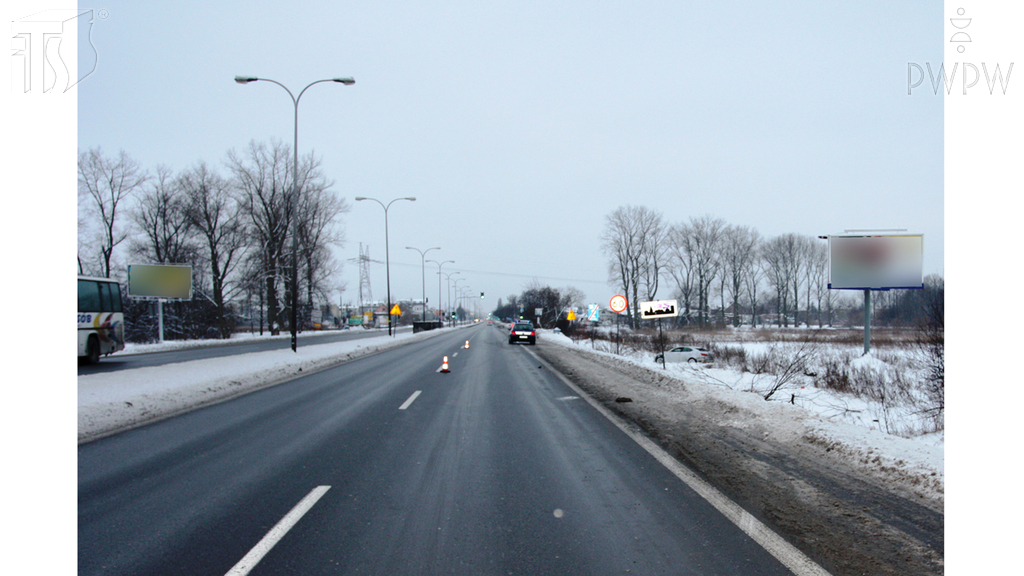 Once you reach an accident spot, can you secure such a spot by appropriately positioning your car and turning on your emergency lights?КомментарийThe decisive point is the specific traffic rule described in the question and the conditions in which it applies. Consider the vehicle, road type and surrounding traffic before choosing the applicable rule.Once you reach an accident spot, can you secure such a spot by appropriately positioning your car and turning on your emergency lights?
-
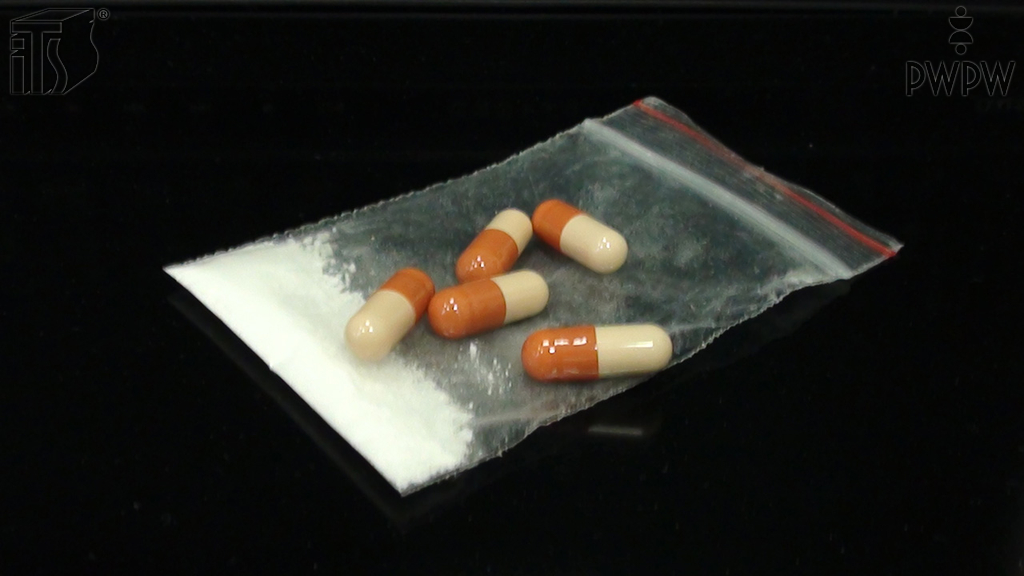 Can the consumption of amphetamines increase the driver's tendency of risky and aggressive behaviour?КомментарийThe decisive point is the specific traffic rule described in the question and the conditions in which it applies. Consider the vehicle, road type and surrounding traffic before choosing the applicable rule.Can the consumption of amphetamines increase the driver's tendency of risky and aggressive behaviour?
-
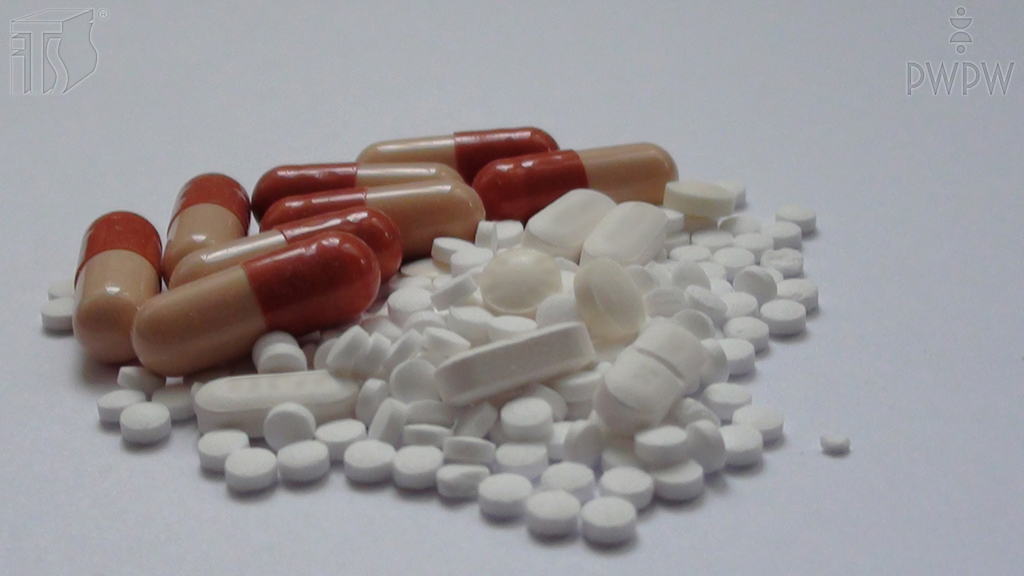 Can the use of tranquilisers and sleeping pills affect the driver's control of the trajectory of the car?КомментарийThe decisive point is the specific traffic rule described in the question and the conditions in which it applies. Consider the vehicle, road type and surrounding traffic before choosing the applicable rule.Can the use of tranquilisers and sleeping pills affect the driver's control of the trajectory of the car?
-
Can consuming alcohol affect a driver's field of vision?КомментарийThe decisive point is the specific traffic rule described in the question and the conditions in which it applies. Consider the vehicle, road type and surrounding traffic before choosing the applicable rule.Can consuming alcohol affect a driver's field of vision?
-
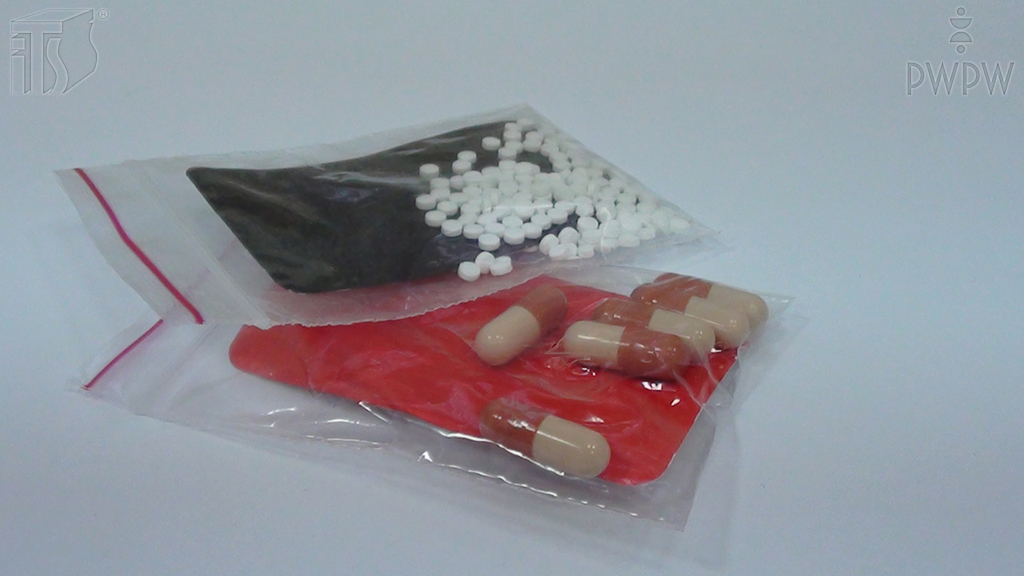 Do psychoactive substances (such as "speed") affect the ability of safe driving in even the most experienced drivers?КомментарийSafe driving means adapting speed and manoeuvres to the current road, weather, visibility and traffic conditions. A driver must always retain enough control and stopping distance to respond to an unexpected hazard.Do psychoactive substances (such as "speed") affect the ability of safe driving in even the most experienced drivers?
-
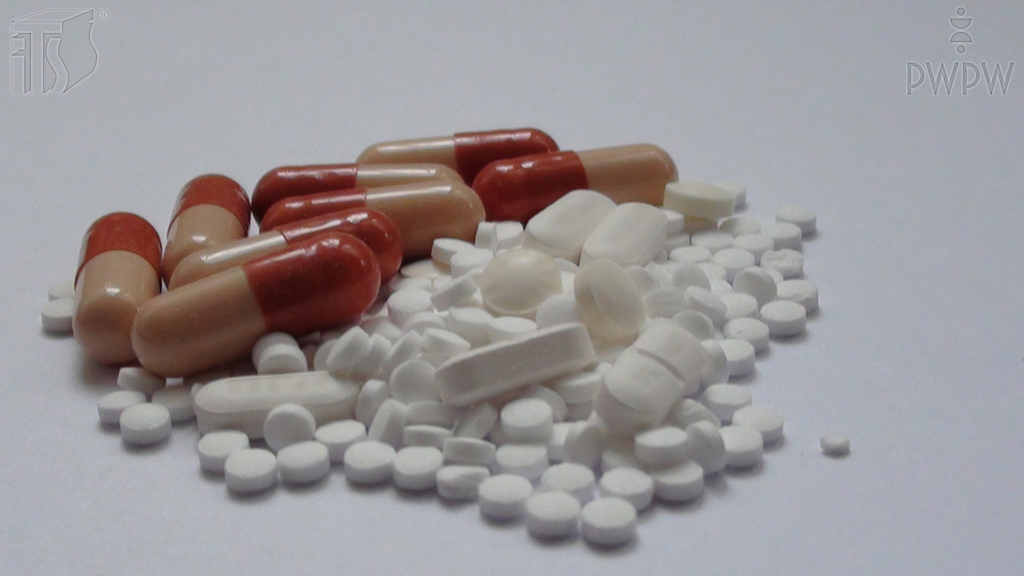 Can you drive a vehicle after taking medication prescribed by a doctor in every situation?КомментарийThe decisive point is the specific traffic rule described in the question and the conditions in which it applies. Consider the vehicle, road type and surrounding traffic before choosing the applicable rule.Can you drive a vehicle after taking medication prescribed by a doctor in every situation?
-
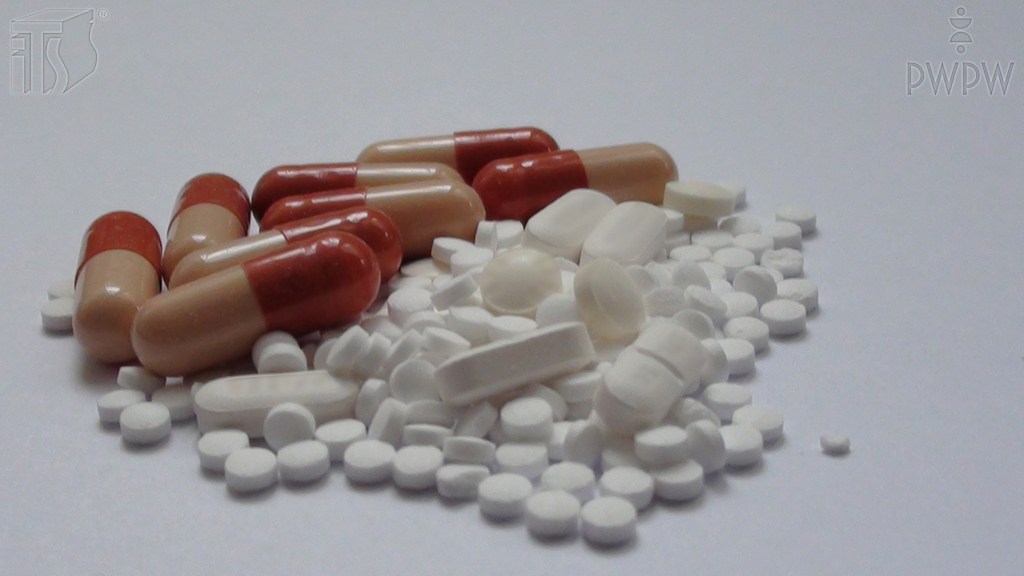 If you intend to drive a vehicle after taking medications, should you make sure that they do not adversely affect your psychophysical condition?КомментарийThe decisive point is the specific traffic rule described in the question and the conditions in which it applies. Consider the vehicle, road type and surrounding traffic before choosing the applicable rule.If you intend to drive a vehicle after taking medications, should you make sure that they do not adversely affect your psychophysical condition?
-
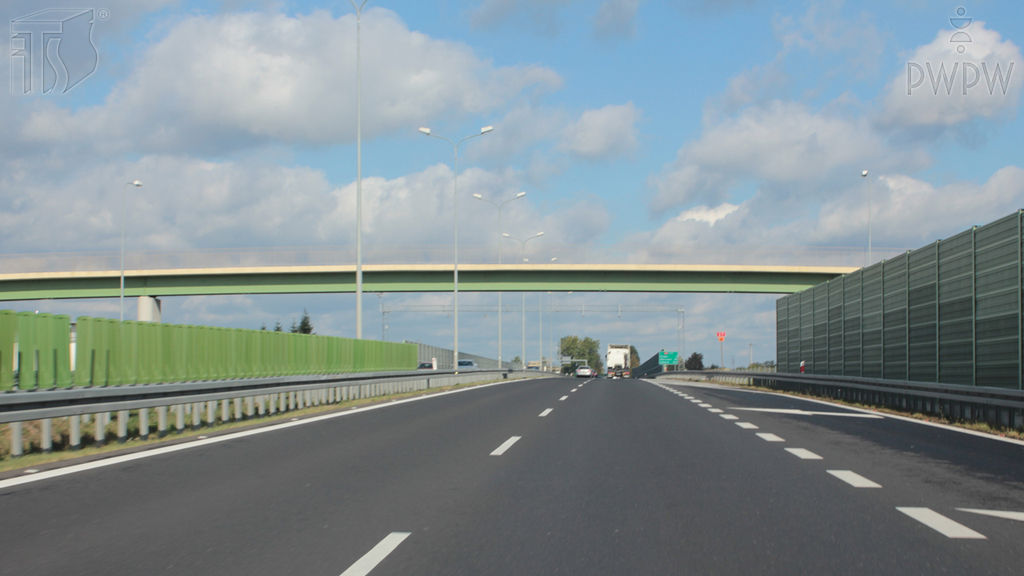 If you start feeling tired and drowsy during a long trip, should you continue driving?КомментарийTyre pressure should be checked according to the vehicle manufacturer's specification, preferably when the tyres are cold. Incorrect pressure changes grip, braking behaviour and tyre wear.If you start feeling tired and drowsy during a long trip, should you continue driving?
Test №38
1 / 32 тест

