
-
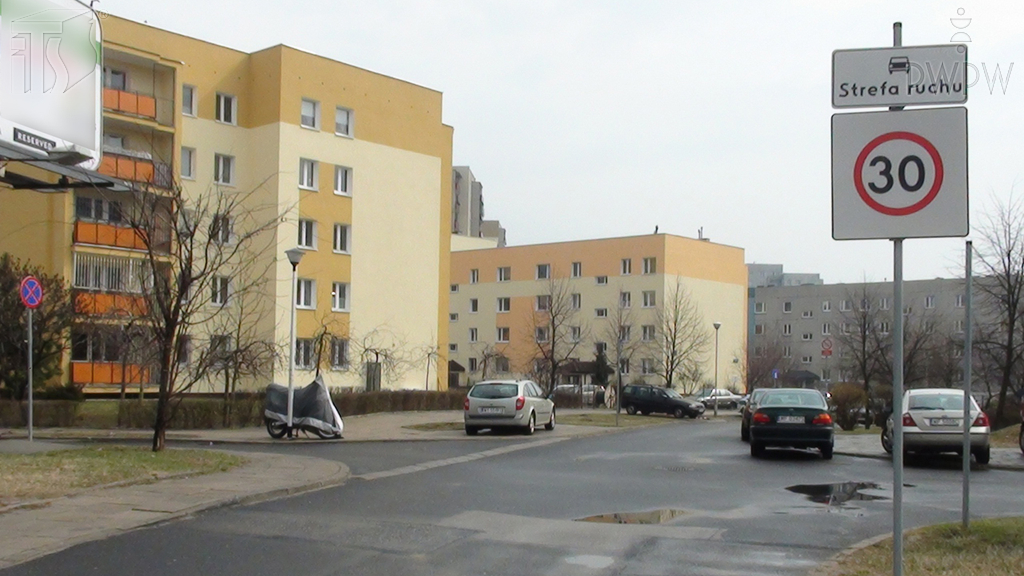 On a road marked this way, are you obliged to give the right of way to the pedestrian in all circumstances?КомментарийThe driver's duty depends on the pedestrian's position, the type of crossing and the movement shown. Approach slowly enough to stop and do not use the vehicle's movement to force a pedestrian to change speed or direction.On a road marked this way, are you obliged to give the right of way to the pedestrian in all circumstances?
-
In this situation, should you exercise special caution?КомментарийThe decisive point is the specific traffic rule described in the question and the conditions in which it applies. Consider the vehicle, road type and surrounding traffic before choosing the applicable rule.In this situation, should you exercise special caution?
-
In this situation, are you obliged to exercise special caution?КомментарийThe decisive point is the specific traffic rule described in the question and the conditions in which it applies. Consider the vehicle, road type and surrounding traffic before choosing the applicable rule.In this situation, are you obliged to exercise special caution?
-
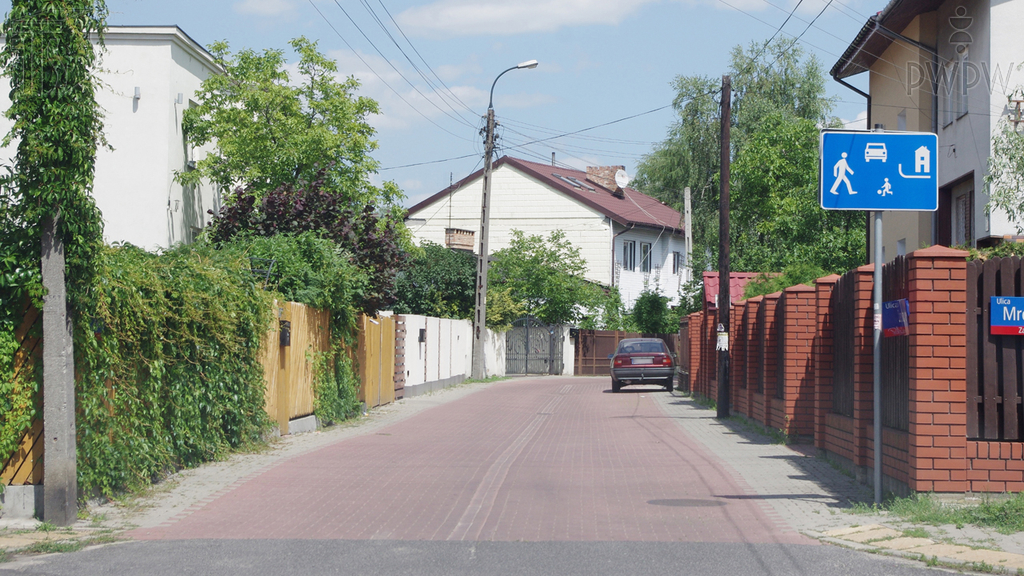 On this road, once you go past this sign, are you obliged to give the right of way to the pedestrian walking in the middle of the road?КомментарийThe driver's duty depends on the pedestrian's position, the type of crossing and the movement shown. Approach slowly enough to stop and do not use the vehicle's movement to force a pedestrian to change speed or direction.On this road, once you go past this sign, are you obliged to give the right of way to the pedestrian walking in the middle of the road?
-
In this situation, are you obliged to apply the rule of limited trust?КомментарийThe decisive point is the specific traffic rule described in the question and the conditions in which it applies. Consider the vehicle, road type and surrounding traffic before choosing the applicable rule.In this situation, are you obliged to apply the rule of limited trust?
-
In this situation, should you carefully observe the behaviour of the pedestrian?КомментарийThe driver's duty depends on the pedestrian's position, the type of crossing and the movement shown. Approach slowly enough to stop and do not use the vehicle's movement to force a pedestrian to change speed or direction.In this situation, should you carefully observe the behaviour of the pedestrian?
-
In this situation, if you exercise special caution, can you enter the pedestrian crossing?КомментарийThe driver's duty depends on the pedestrian's position, the type of crossing and the movement shown. Approach slowly enough to stop and do not use the vehicle's movement to force a pedestrian to change speed or direction.In this situation, if you exercise special caution, can you enter the pedestrian crossing?
-
If you drive through a puddle, should you slow down to avoid splashing pedestrians?КомментарийWater on the road reduces tyre grip and can cause aquaplaning. Slow down smoothly, avoid abrupt steering or braking, and keep enough distance to react to changing road conditions.If you drive through a puddle, should you slow down to avoid splashing pedestrians?
-
In this situation, are you obliged to apply the rule of limited trust?КомментарийThe decisive point is the specific traffic rule described in the question and the conditions in which it applies. Consider the vehicle, road type and surrounding traffic before choosing the applicable rule.In this situation, are you obliged to apply the rule of limited trust?
-
In this situation, can you use the horn?КомментарийAn audible warning signal should be used only in situations permitted by the traffic rules and when it is necessary for safety. It should not be used merely to express impatience or to force another road user to move.In this situation, can you use the horn?
-
In this situation, should you apply the rule of limited trust?КомментарийThe decisive point is the specific traffic rule described in the question and the conditions in which it applies. Consider the vehicle, road type and surrounding traffic before choosing the applicable rule.In this situation, should you apply the rule of limited trust?
-
In this situation, should you expect a pedestrian suddenly barging onto the road?КомментарийThe driver's duty depends on the pedestrian's position, the type of crossing and the movement shown. Approach slowly enough to stop and do not use the vehicle's movement to force a pedestrian to change speed or direction.In this situation, should you expect a pedestrian suddenly barging onto the road?
-
In this situation, are you obliged to allow the pedestrian to cross the road?КомментарийThe driver's duty depends on the pedestrian's position, the type of crossing and the movement shown. Approach slowly enough to stop and do not use the vehicle's movement to force a pedestrian to change speed or direction.In this situation, are you obliged to allow the pedestrian to cross the road?
-
In this situation, can you drive through the pedestrian crossing without reducing speed?КомментарийThe driver's duty depends on the pedestrian's position, the type of crossing and the movement shown. Approach slowly enough to stop and do not use the vehicle's movement to force a pedestrian to change speed or direction.In this situation, can you drive through the pedestrian crossing without reducing speed?
-
In this situation, are you obliged to exercise special caution?КомментарийThe decisive point is the specific traffic rule described in the question and the conditions in which it applies. Consider the vehicle, road type and surrounding traffic before choosing the applicable rule.In this situation, are you obliged to exercise special caution?
-
In this situation, if you turn left, are you obliged to give the right of way to the cyclist going straight?КомментарийWhen dealing with a cyclist, consider the cyclist's position, the marked lane and the direction of travel. The driver must leave the required space and avoid a manoeuvre that would cut across the cyclist's path.In this situation, if you turn left, are you obliged to give the right of way to the cyclist going straight?
-
In this situation, if you turn left, do you have the right of way over the cyclist going straight?КомментарийWhen dealing with a cyclist, consider the cyclist's position, the marked lane and the direction of travel. The driver must leave the required space and avoid a manoeuvre that would cut across the cyclist's path.In this situation, if you turn left, do you have the right of way over the cyclist going straight?
-
In this situation, while overtaking, can you drive into the space between the bicycles riding in a column formation?КомментарийOn a slippery surface, available grip is limited. Smooth steering, gentle acceleration and braking, a lower speed and a larger safety margin reduce the risk of losing control.In this situation, while overtaking, can you drive into the space between the bicycles riding in a column formation?
-
In this situation, is it forbidden to overtake the cyclist?КомментарийBefore overtaking, check the road markings, signs, visibility, the vehicle behind and the space needed to return safely. The manoeuvre must be completed without forcing another road user to brake or change direction.In this situation, is it forbidden to overtake the cyclist?
-
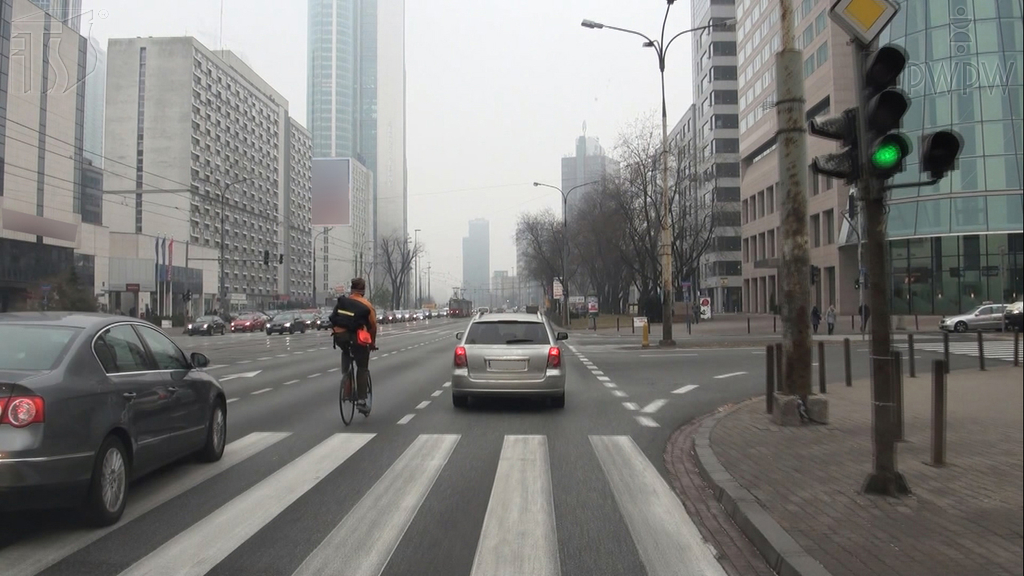 Can the person riding the bicycle overtake the slowly-moving vehicles on their right?КомментарийOn a slippery surface, available grip is limited. Smooth steering, gentle acceleration and braking, a lower speed and a larger safety margin reduce the risk of losing control.Can the person riding the bicycle overtake the slowly-moving vehicles on their right?
-
In this situation, can you overtake the cyclist if you keep to the distance of 0.5 m?КомментарийThe required lateral clearance depends on the road user being passed and the manoeuvre shown. The driver must leave enough space to avoid endangering the other road user and maintain control throughout the manoeuvre.In this situation, can you overtake the cyclist if you keep to the distance of 0.5 m?
-
In this situation, is it forbidden to overtake the cyclist if you keep to a distance of approx. 0.5 m?КомментарийThe required lateral clearance depends on the road user being passed and the manoeuvre shown. The driver must leave enough space to avoid endangering the other road user and maintain control throughout the manoeuvre.In this situation, is it forbidden to overtake the cyclist if you keep to a distance of approx. 0.5 m?
-
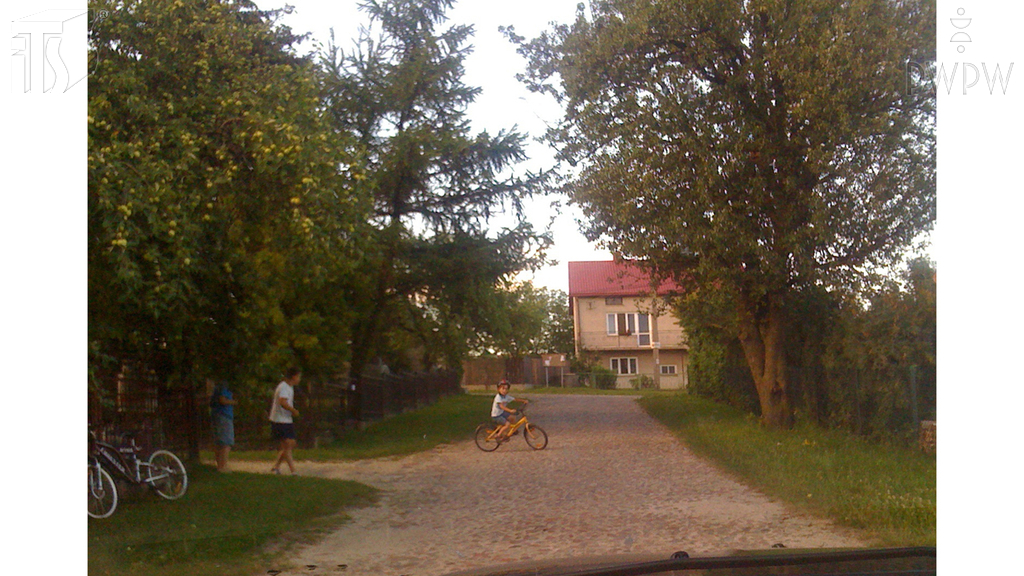 In this situation, do you have to apply the rule of limited trust?КомментарийThe decisive point is the specific traffic rule described in the question and the conditions in which it applies. Consider the vehicle, road type and surrounding traffic before choosing the applicable rule.In this situation, do you have to apply the rule of limited trust?
-
In this situation, seeing the behaviour of the cyclists, are you obliged to stop?КомментарийWhen dealing with a cyclist, consider the cyclist's position, the marked lane and the direction of travel. The driver must leave the required space and avoid a manoeuvre that would cut across the cyclist's path.In this situation, seeing the behaviour of the cyclists, are you obliged to stop?
-
In this situation, going past a cyclist, do you have to exercise special caution?КомментарийWhen dealing with a cyclist, consider the cyclist's position, the marked lane and the direction of travel. The driver must leave the required space and avoid a manoeuvre that would cut across the cyclist's path.In this situation, going past a cyclist, do you have to exercise special caution?
-
In this situation, can you enter the crossing if you exercise special caution?КомментарийThe decisive point is the specific traffic rule described in the question and the conditions in which it applies. Consider the vehicle, road type and surrounding traffic before choosing the applicable rule.In this situation, can you enter the crossing if you exercise special caution?
-
In this situation, can you drive through the railway crossing without stopping?КомментарийAt a level crossing, the driver must assess the crossing itself, the warning signals and the possibility of a rail vehicle approaching. Raised barriers do not by themselves guarantee that the crossing is safe to enter.In this situation, can you drive through the railway crossing without stopping?
-
In this situation, can you enter the railway crossing?КомментарийAt a level crossing, the driver must assess the crossing itself, the warning signals and the possibility of a rail vehicle approaching. Raised barriers do not by themselves guarantee that the crossing is safe to enter.In this situation, can you enter the railway crossing?
-
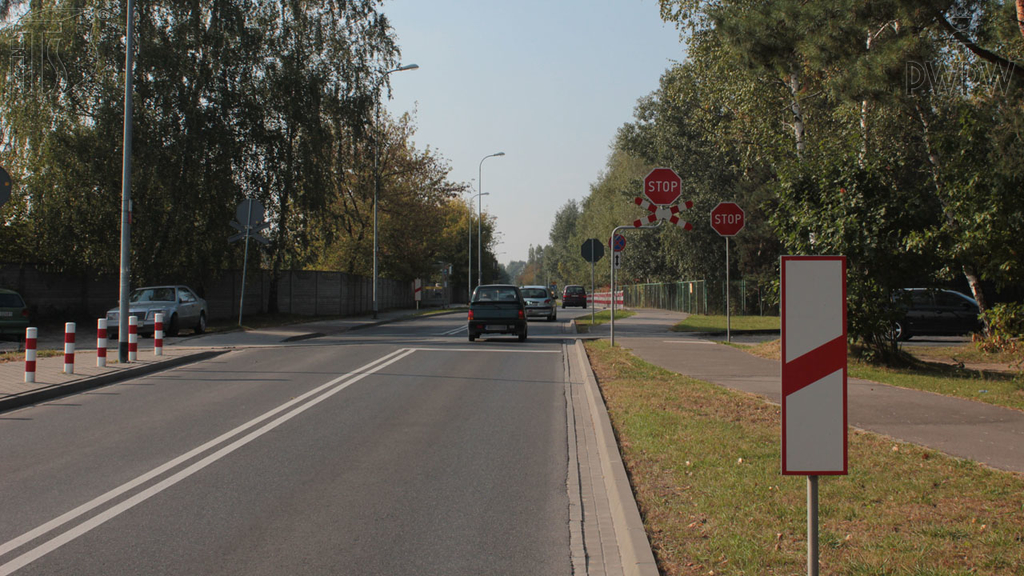 Is it forbidden to park the car immediately after the countdown post you see here?КомментарийThe decisive point is the specific traffic rule described in the question and the conditions in which it applies. Consider the vehicle, road type and surrounding traffic before choosing the applicable rule.Is it forbidden to park the car immediately after the countdown post you see here?
-
In this situation, can you park the car on the right side, on the sidewalk immediately in front of the railway crossing?КомментарийAt a level crossing, the driver must assess the crossing itself, the warning signals and the possibility of a rail vehicle approaching. Raised barriers do not by themselves guarantee that the crossing is safe to enter.In this situation, can you park the car on the right side, on the sidewalk immediately in front of the railway crossing?
-
In this situation, can you bypass the barrier and enter the railway crossing after making sure that the train is not coming?КомментарийWater on the road reduces tyre grip and can cause aquaplaning. Slow down smoothly, avoid abrupt steering or braking, and keep enough distance to react to changing road conditions.In this situation, can you bypass the barrier and enter the railway crossing after making sure that the train is not coming?
-
In this situation, can you enter the railway crossing?КомментарийAt a level crossing, the driver must assess the crossing itself, the warning signals and the possibility of a rail vehicle approaching. Raised barriers do not by themselves guarantee that the crossing is safe to enter.In this situation, can you enter the railway crossing?
Test №37
1 / 32 тест


