-
Does the signal of the policeman mean that you are obliged to turn right at the nearest intersection?КомментарийOn a slippery surface, available grip is limited. Smooth steering, gentle acceleration and braking, a lower speed and a larger safety margin reduce the risk of losing control.Does the signal of the policeman mean that you are obliged to turn right at the nearest intersection?
-
In this situation, if you turn left, are you obliged to stop before the intersection?КомментарийThe legality of the turn depends on the signs, road markings, lane position and the paths of other road users shown. Before turning, make sure the manoeuvre does not conflict with a protected or opposing movement.In this situation, if you turn left, are you obliged to stop before the intersection?
-
In this situation, can you stop a car on the sidewalk just in front of a public transport stop?КомментарийA pavement or pedestrian path is primarily intended for pedestrians. When a vehicle is permitted to cross it, the driver must do so without forcing pedestrians to stop, slow down or change their path.In this situation, can you stop a car on the sidewalk just in front of a public transport stop?
-
In this situation, can you continue driving in the left lane?КомментарийBefore changing lane, check the road markings, the direction assigned to each lane and the position of other vehicles. The manoeuvre is only safe when the target lane is suitable and can be entered without forcing another road user to react.In this situation, can you continue driving in the left lane?
-
In this situation, are you obliged to continue driving in the right lane?КомментарийBefore changing lane, check the road markings, the direction assigned to each lane and the position of other vehicles. The manoeuvre is only safe when the target lane is suitable and can be entered without forcing another road user to react.In this situation, are you obliged to continue driving in the right lane?
-
Is it permitted to stop the car in a tunnel?КомментарийThe decisive point is the specific traffic rule described in the question and the conditions in which it applies. Consider the vehicle, road type and surrounding traffic before choosing the applicable rule.Is it permitted to stop the car in a tunnel?
-
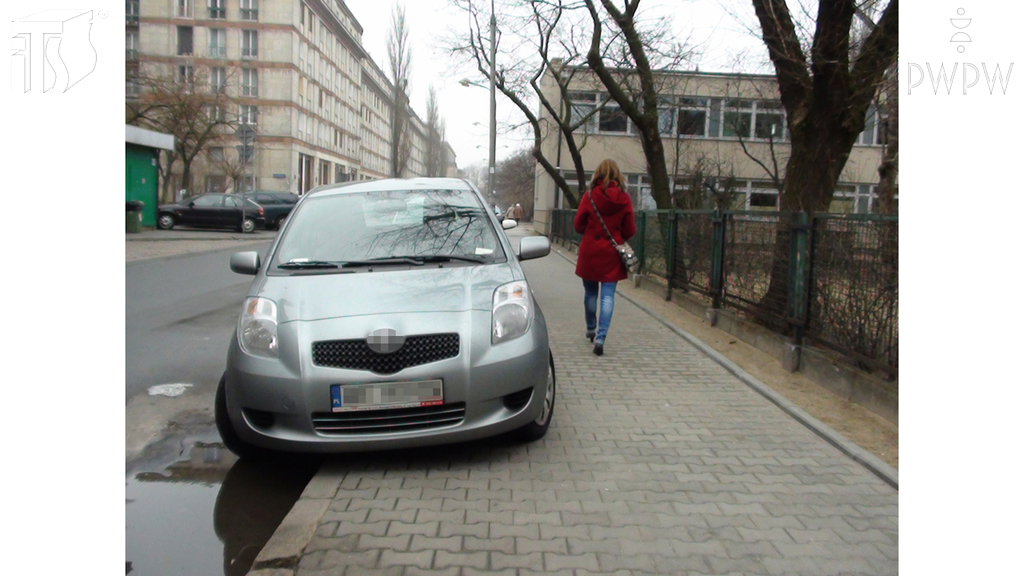 If you stop a car on a sidewalk, do you have to allow a 1.5 m wide passage for pedestrians?КомментарийThe driver's duty depends on the pedestrian's position, the type of crossing and the movement shown. Approach slowly enough to stop and do not use the vehicle's movement to force a pedestrian to change speed or direction.If you stop a car on a sidewalk, do you have to allow a 1.5 m wide passage for pedestrians?
-
If you intend to go straight, can you enter this intersection from any lane?КомментарийBefore changing lane, check the road markings, the direction assigned to each lane and the position of other vehicles. The manoeuvre is only safe when the target lane is suitable and can be entered without forcing another road user to react.If you intend to go straight, can you enter this intersection from any lane?
-
Can you park the car at a distance of 5 m from a pedestrian crossing?КомментарийThe required lateral clearance depends on the road user being passed and the manoeuvre shown. The driver must leave enough space to avoid endangering the other road user and maintain control throughout the manoeuvre.Can you park the car at a distance of 5 m from a pedestrian crossing?
-
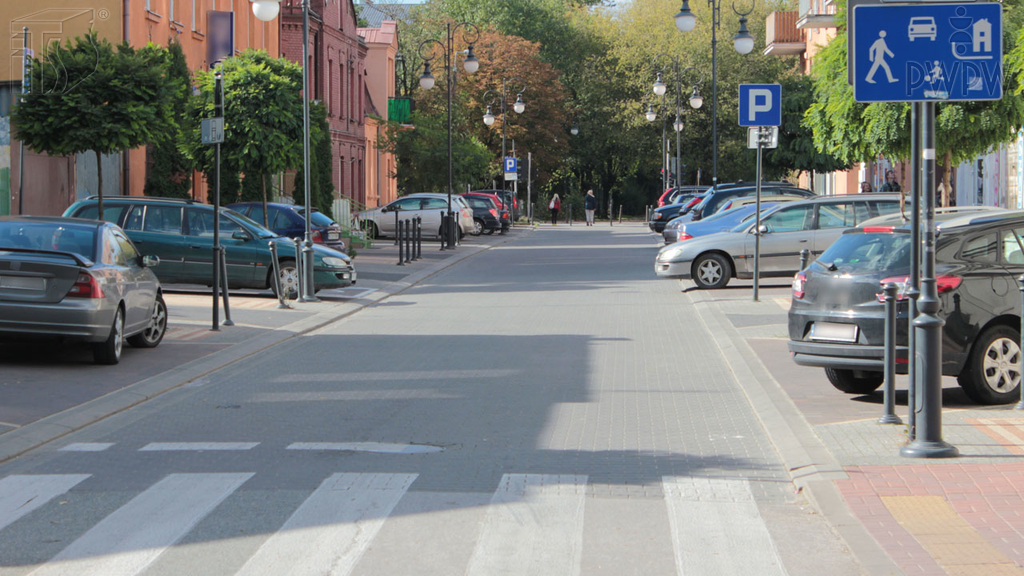 On this road, once you go past this sign, can you park the car at any place on the road, provided that this does not constitute an obstacle to traffic?КомментарийThe decisive point is the specific traffic rule described in the question and the conditions in which it applies. Consider the vehicle, road type and surrounding traffic before choosing the applicable rule.On this road, once you go past this sign, can you park the car at any place on the road, provided that this does not constitute an obstacle to traffic?
-
If you stop a car on a sidewalk, do you have to ensure that pedestrians have a passage of at least 2.5 m wide?КомментарийThe driver's duty depends on the pedestrian's position, the type of crossing and the movement shown. Approach slowly enough to stop and do not use the vehicle's movement to force a pedestrian to change speed or direction.If you stop a car on a sidewalk, do you have to ensure that pedestrians have a passage of at least 2.5 m wide?
-
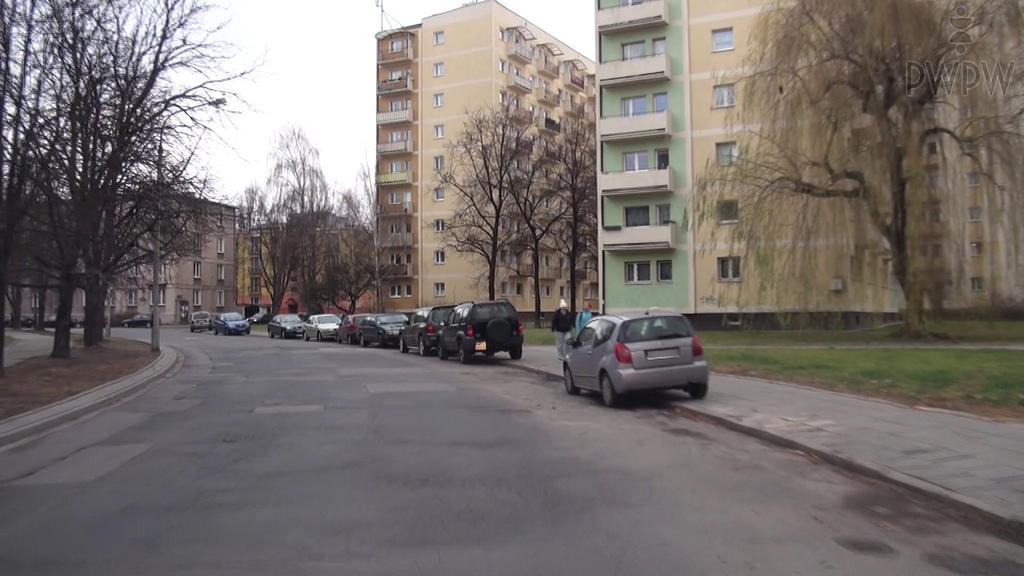 Can you stop a car on a sidewalk, leaving a passage of 2 m, if this causes an obstacle to pedestrian traffic?КомментарийThe driver's duty depends on the pedestrian's position, the type of crossing and the movement shown. Approach slowly enough to stop and do not use the vehicle's movement to force a pedestrian to change speed or direction.Can you stop a car on a sidewalk, leaving a passage of 2 m, if this causes an obstacle to pedestrian traffic?
-
In this situation, should you change lanes to the right?КомментарийBefore changing lane, check the road markings, the direction assigned to each lane and the position of other vehicles. The manoeuvre is only safe when the target lane is suitable and can be entered without forcing another road user to react.In this situation, should you change lanes to the right?
-
Can you turn left at the intersection from this lane?КомментарийBefore changing lane, check the road markings, the direction assigned to each lane and the position of other vehicles. The manoeuvre is only safe when the target lane is suitable and can be entered without forcing another road user to react.Can you turn left at the intersection from this lane?
-
After the light turns green, can you turn left from this lane?КомментарийBefore changing lane, check the road markings, the direction assigned to each lane and the position of other vehicles. The manoeuvre is only safe when the target lane is suitable and can be entered without forcing another road user to react.After the light turns green, can you turn left from this lane?
-
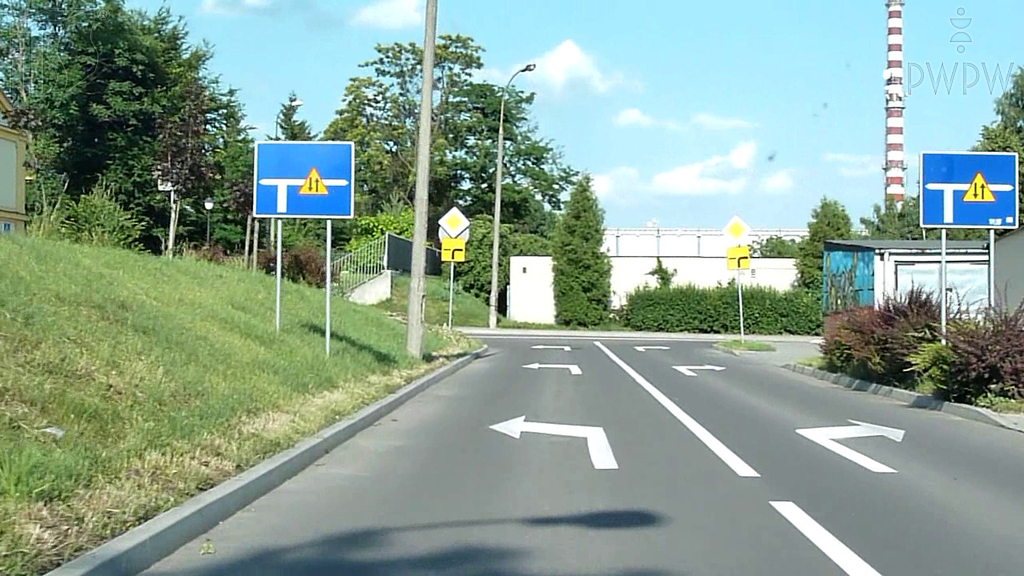 In this situation, can you change lanes immediately before the intersection?КомментарийBefore changing lane, check the road markings, the direction assigned to each lane and the position of other vehicles. The manoeuvre is only safe when the target lane is suitable and can be entered without forcing another road user to react.In this situation, can you change lanes immediately before the intersection?
-
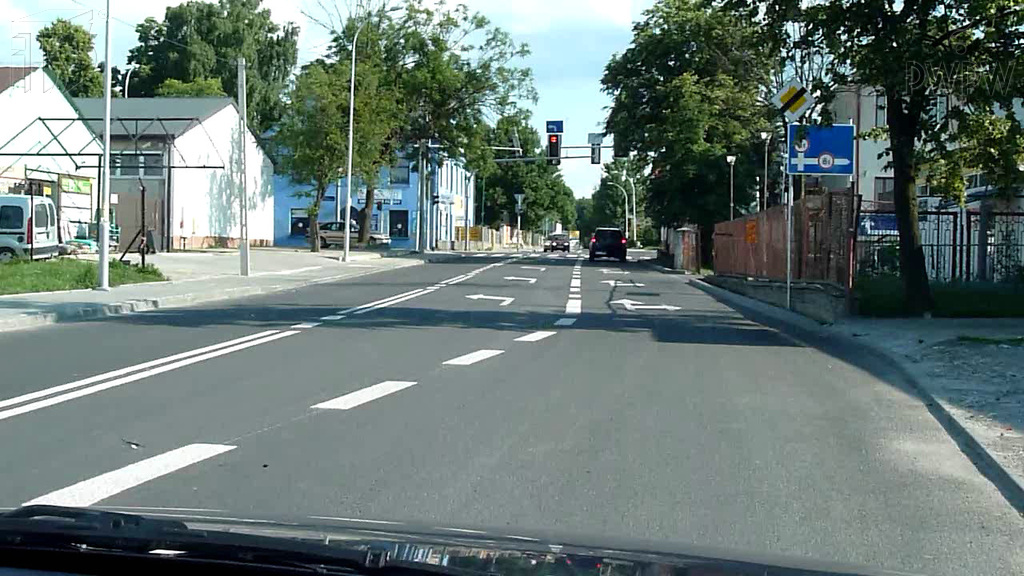 At this place, can you change from the currently occupied traffic lane to the left lane?КомментарийBefore changing lane, check the road markings, the direction assigned to each lane and the position of other vehicles. The manoeuvre is only safe when the target lane is suitable and can be entered without forcing another road user to react.At this place, can you change from the currently occupied traffic lane to the left lane?
-
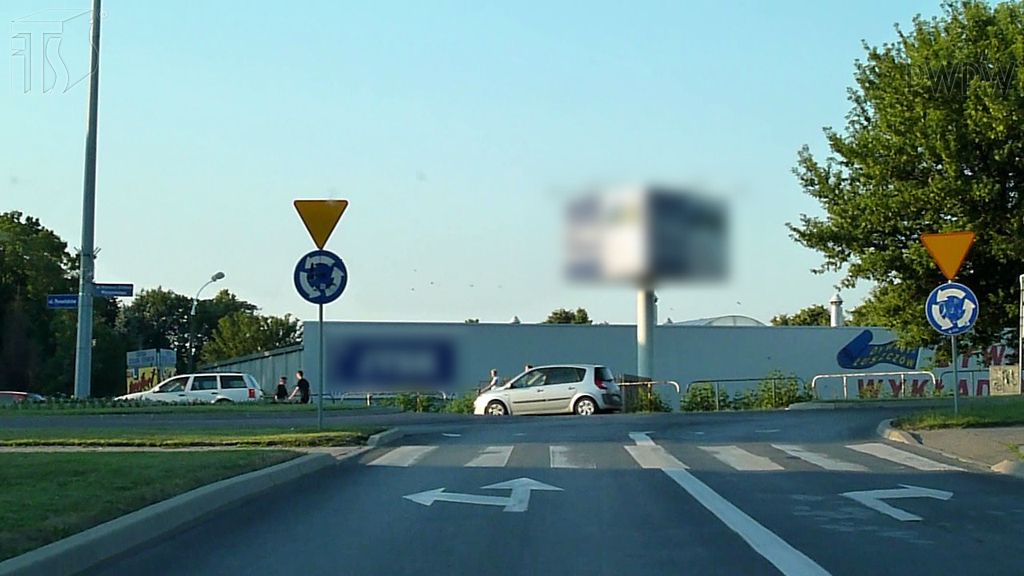 At this intersection, can you go straight from the left lane?КомментарийBefore changing lane, check the road markings, the direction assigned to each lane and the position of other vehicles. The manoeuvre is only safe when the target lane is suitable and can be entered without forcing another road user to react.At this intersection, can you go straight from the left lane?
-
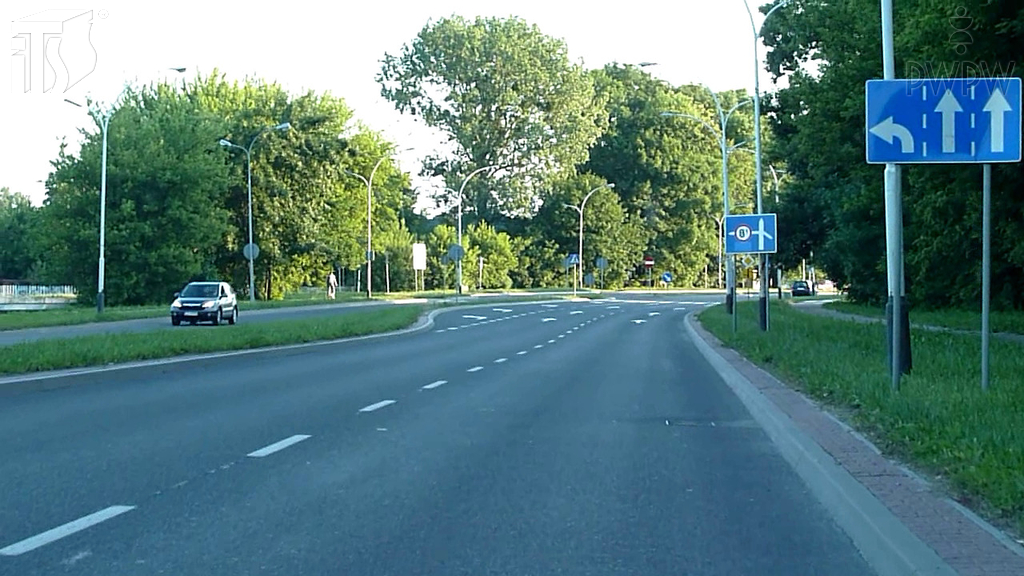 In this situation, if you intend to turn left, should you change the lane?КомментарийBefore changing lane, check the road markings, the direction assigned to each lane and the position of other vehicles. The manoeuvre is only safe when the target lane is suitable and can be entered without forcing another road user to react.In this situation, if you intend to turn left, should you change the lane?
-
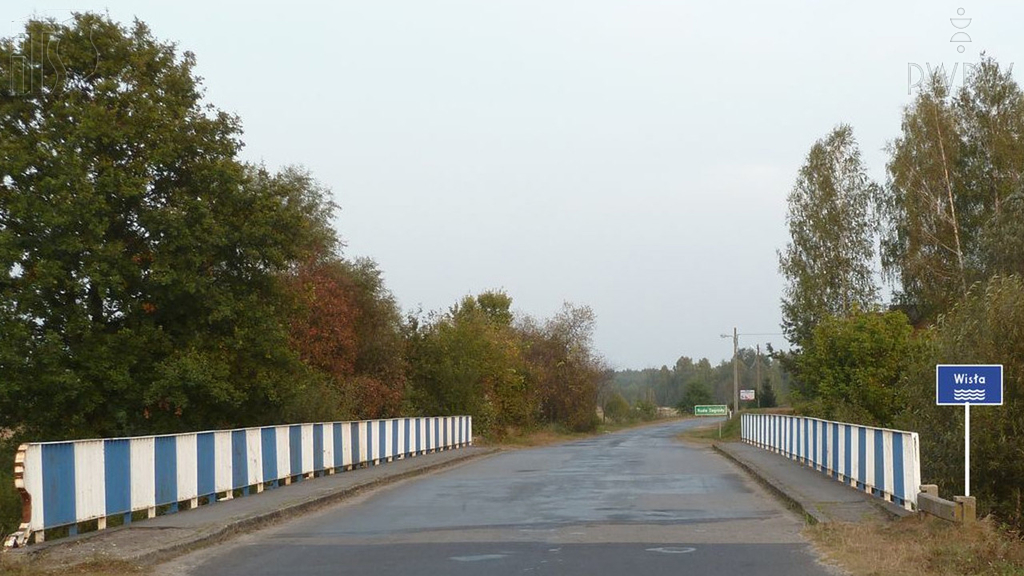 Can you make a U-turn on the bridge?КомментарийThe legality of the turn depends on the signs, road markings, lane position and the paths of other road users shown. Before turning, make sure the manoeuvre does not conflict with a protected or opposing movement.Can you make a U-turn on the bridge?
-
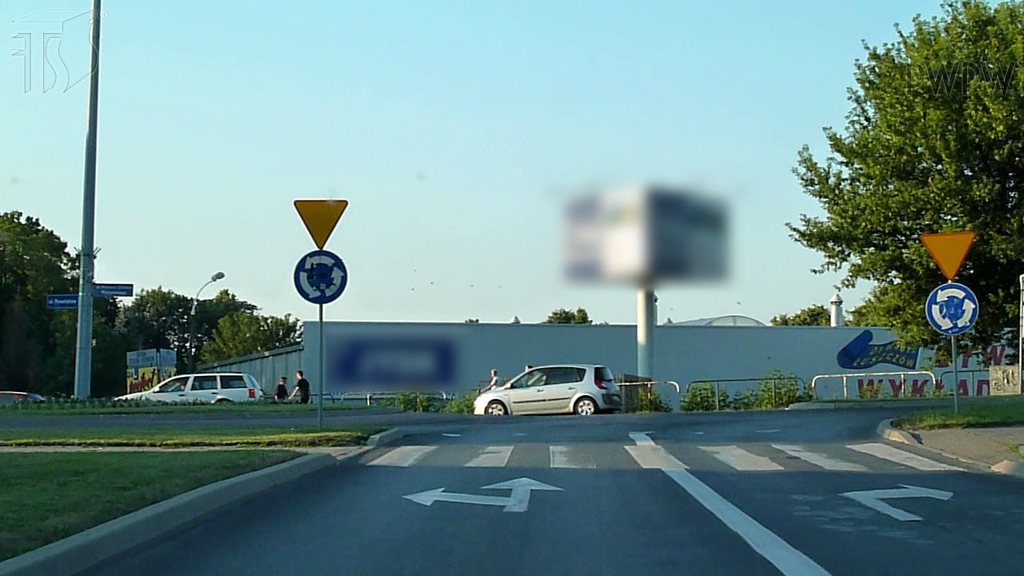 At this intersection, can you turn right from the left lane?КомментарийBefore changing lane, check the road markings, the direction assigned to each lane and the position of other vehicles. The manoeuvre is only safe when the target lane is suitable and can be entered without forcing another road user to react.At this intersection, can you turn right from the left lane?
-
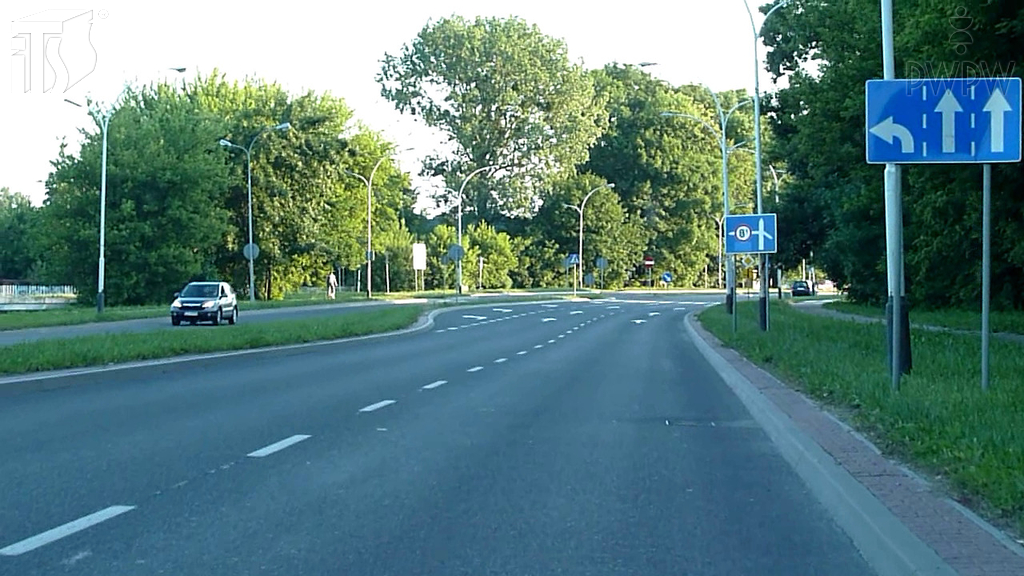 In this situation, if you intend to go straight, should you change the lane you are occupying?КомментарийBefore changing lane, check the road markings, the direction assigned to each lane and the position of other vehicles. The manoeuvre is only safe when the target lane is suitable and can be entered without forcing another road user to react.In this situation, if you intend to go straight, should you change the lane you are occupying?
-
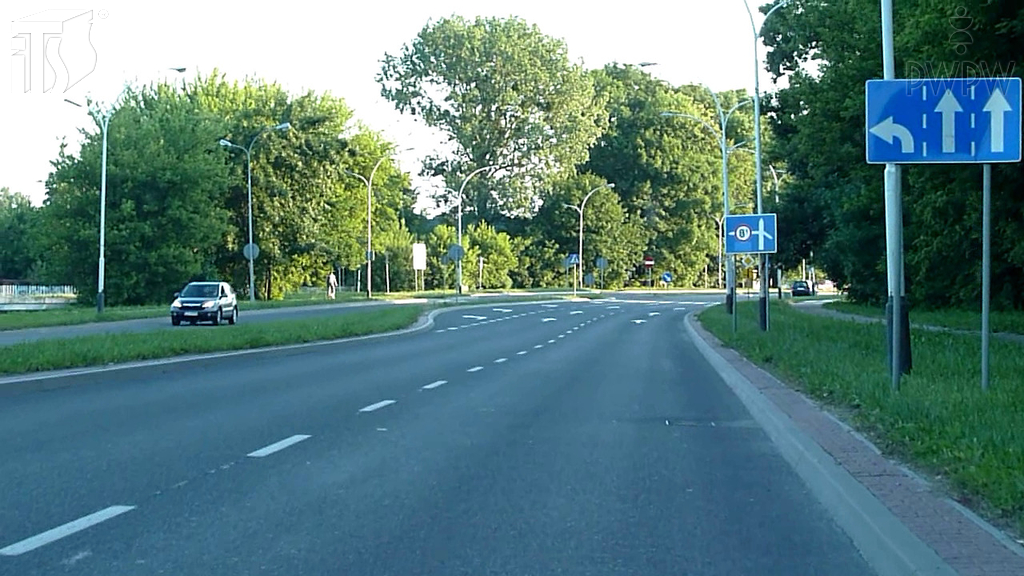 Can you go straight from this lane?КомментарийBefore changing lane, check the road markings, the direction assigned to each lane and the position of other vehicles. The manoeuvre is only safe when the target lane is suitable and can be entered without forcing another road user to react.Can you go straight from this lane?
-
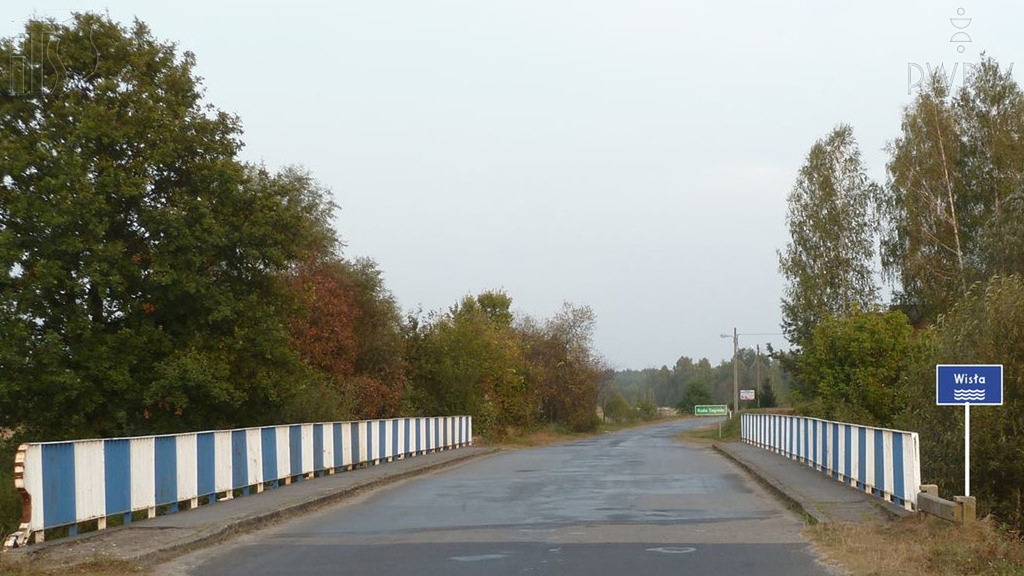 In this situation, can you make a U-turn immediately after this sign?КомментарийThe legality of the turn depends on the signs, road markings, lane position and the paths of other road users shown. Before turning, make sure the manoeuvre does not conflict with a protected or opposing movement.In this situation, can you make a U-turn immediately after this sign?
-
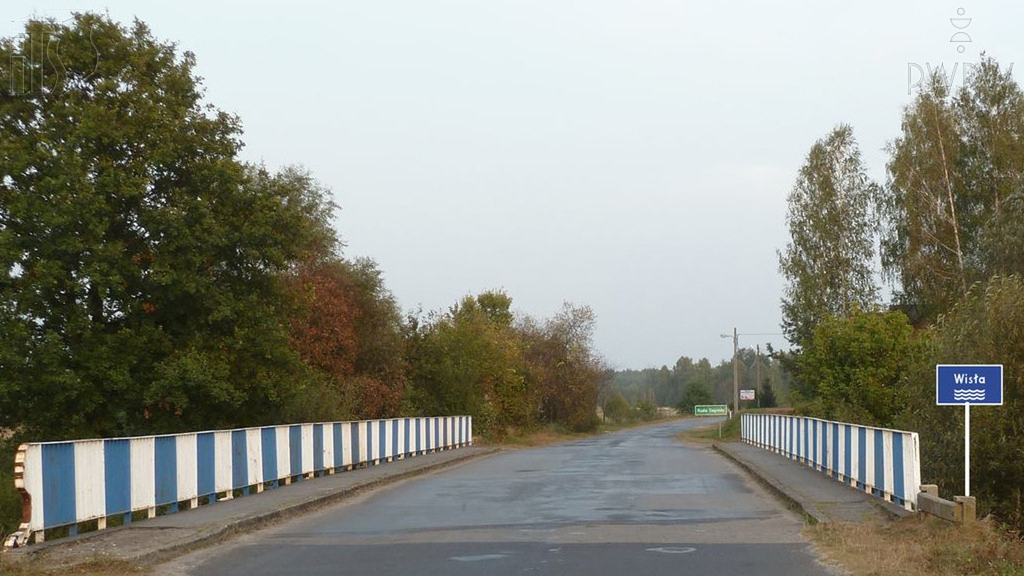 In this situation, can you stop the car immediately after this sign?КомментарийThe decisive point is the specific traffic rule described in the question and the conditions in which it applies. Consider the vehicle, road type and surrounding traffic before choosing the applicable rule.In this situation, can you stop the car immediately after this sign?
-
In this situation, can you start overtaking on the right?КомментарийBefore overtaking, check the road markings, signs, visibility, the vehicle behind and the space needed to return safely. The manoeuvre must be completed without forcing another road user to brake or change direction.In this situation, can you start overtaking on the right?
-
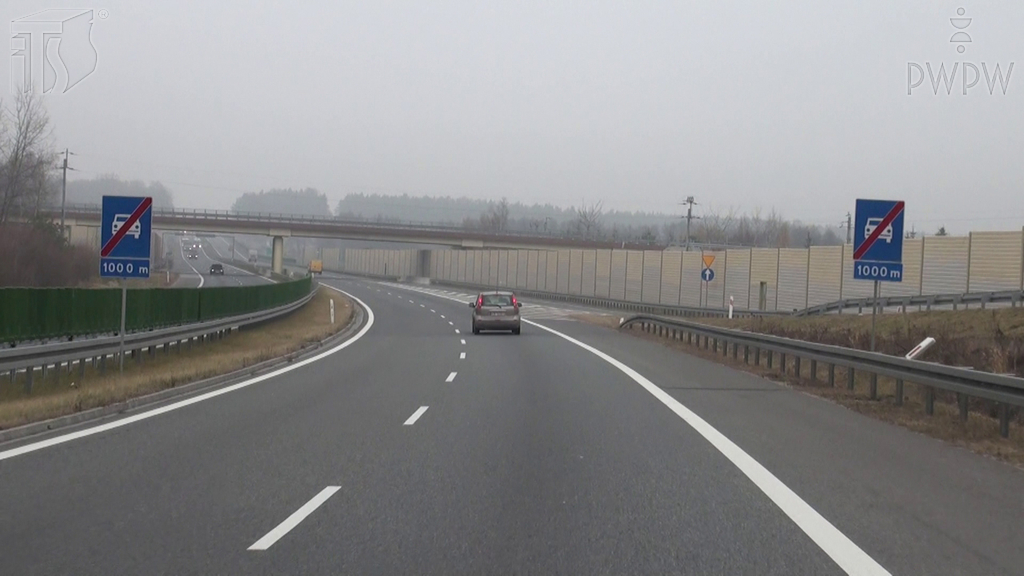 On this road, once you go past this sign, can you overtake the vehicle you see on the left?КомментарийBefore overtaking, check the road markings, signs, visibility, the vehicle behind and the space needed to return safely. The manoeuvre must be completed without forcing another road user to brake or change direction.On this road, once you go past this sign, can you overtake the vehicle you see on the left?
-
In this situation, can you overtake the car travelling in front of you?КомментарийBefore overtaking, check the road markings, signs, visibility, the vehicle behind and the space needed to return safely. The manoeuvre must be completed without forcing another road user to brake or change direction.In this situation, can you overtake the car travelling in front of you?
-
In this situation, have you just completed a passing manoeuvre?КомментарийThe decisive point is the specific traffic rule described in the question and the conditions in which it applies. Consider the vehicle, road type and surrounding traffic before choosing the applicable rule.In this situation, have you just completed a passing manoeuvre?
-
In this situation, while exercising special caution, can you bypass the tram?КомментарийThe decisive point is the specific traffic rule described in the question and the conditions in which it applies. Consider the vehicle, road type and surrounding traffic before choosing the applicable rule.In this situation, while exercising special caution, can you bypass the tram?
-
In this situation, should you slow down?КомментарийThe decisive point is the specific traffic rule described in the question and the conditions in which it applies. Consider the vehicle, road type and surrounding traffic before choosing the applicable rule.In this situation, should you slow down?
-
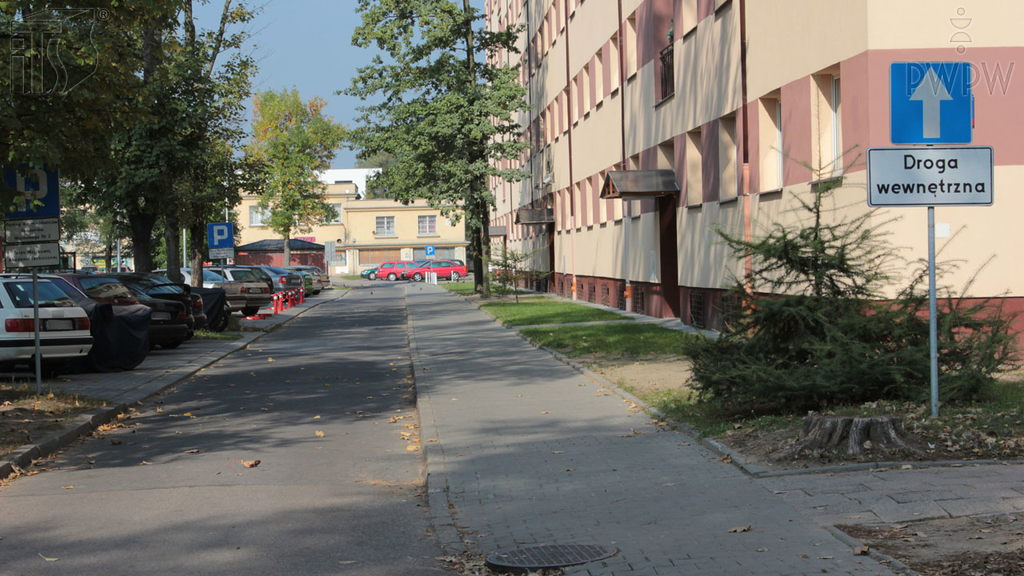 Is it forbidden to perform a reverse manoeuvre on a one-way road?КомментарийThe decisive point is the specific traffic rule described in the question and the conditions in which it applies. Consider the vehicle, road type and surrounding traffic before choosing the applicable rule.Is it forbidden to perform a reverse manoeuvre on a one-way road?
Test №35
1 / 32 тест


