-
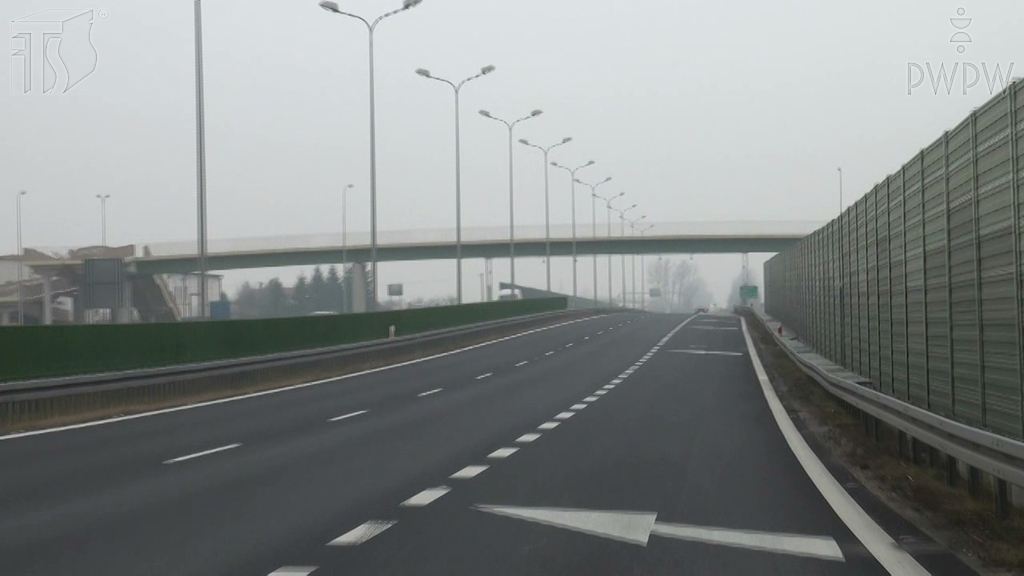 Do the visible road markings in the right lane indicate the start of an exit from the motorway?КомментарийBefore changing lane, check the road markings, the direction assigned to each lane and the position of other vehicles. The manoeuvre is only safe when the target lane is suitable and can be entered without forcing another road user to react.Do the visible road markings in the right lane indicate the start of an exit from the motorway?
-
Does this signal mean a collision-free left turn?КомментарийThe decisive point is the specific traffic rule described in the question and the conditions in which it applies. Consider the vehicle, road type and surrounding traffic before choosing the applicable rule.Does this signal mean a collision-free left turn?
-
Can you drive through the pedestrian crossing in this situation?КомментарийThe driver's duty depends on the pedestrian's position, the type of crossing and the movement shown. Approach slowly enough to stop and do not use the vehicle's movement to force a pedestrian to change speed or direction.Can you drive through the pedestrian crossing in this situation?
-
Does this signal mean that you can enter a pedestrian crossing and a crossing for cyclists?КомментарийThe driver's duty depends on the pedestrian's position, the type of crossing and the movement shown. Approach slowly enough to stop and do not use the vehicle's movement to force a pedestrian to change speed or direction.Does this signal mean that you can enter a pedestrian crossing and a crossing for cyclists?
-
In this situation, can you enter the railway crossing?КомментарийAt a level crossing, the driver must assess the crossing itself, the warning signals and the possibility of a rail vehicle approaching. Raised barriers do not by themselves guarantee that the crossing is safe to enter.In this situation, can you enter the railway crossing?
-
In this situation, do you have the right of way over a tram?КомментарийPriority is determined by the signs, signals, road markings and the paths of the vehicles shown. The important point is not simply who arrives first, but which movement is required to give way under the applicable rule.In this situation, do you have the right of way over a tram?
-
In this situation, after the light turns green and the pedestrians leave the crossing, can you enter the intersection?КомментарийThe driver's duty depends on the pedestrian's position, the type of crossing and the movement shown. Approach slowly enough to stop and do not use the vehicle's movement to force a pedestrian to change speed or direction.In this situation, after the light turns green and the pedestrians leave the crossing, can you enter the intersection?
-
In this situation, can you enter the intersection?КомментарийThe decisive point is the specific traffic rule described in the question and the conditions in which it applies. Consider the vehicle, road type and surrounding traffic before choosing the applicable rule.In this situation, can you enter the intersection?
-
In this situation, can you make a U-turn?КомментарийThe legality of the turn depends on the signs, road markings, lane position and the paths of other road users shown. Before turning, make sure the manoeuvre does not conflict with a protected or opposing movement.In this situation, can you make a U-turn?
-
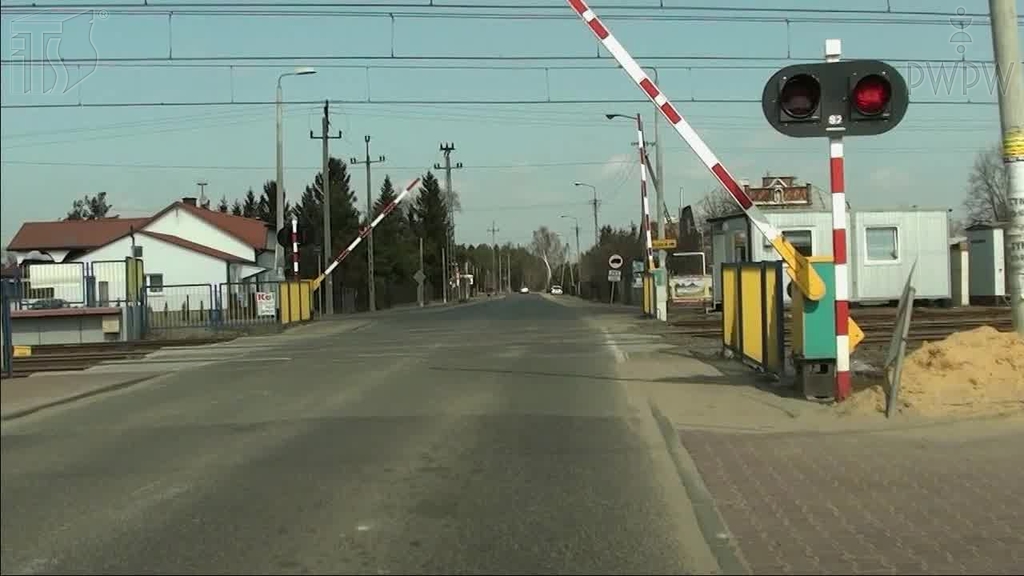 In the situation that you see here, can you enter the railway crossing?КомментарийAt a level crossing, the driver must assess the crossing itself, the warning signals and the possibility of a rail vehicle approaching. Raised barriers do not by themselves guarantee that the crossing is safe to enter.In the situation that you see here, can you enter the railway crossing?
-
In this situation, are the traffic lights more important than the road signs?КомментарийThe traffic signal shown applies to the lane or direction indicated in the situation. The driver must follow that signal and also account for any separate signs, markings and road users that affect the manoeuvre.In this situation, are the traffic lights more important than the road signs?
-
In this situation, are you obliged to stop before you enter the intersection?КомментарийThe decisive point is the specific traffic rule described in the question and the conditions in which it applies. Consider the vehicle, road type and surrounding traffic before choosing the applicable rule.In this situation, are you obliged to stop before you enter the intersection?
-
In this situation, can you enter the intersection?КомментарийThe decisive point is the specific traffic rule described in the question and the conditions in which it applies. Consider the vehicle, road type and surrounding traffic before choosing the applicable rule.In this situation, can you enter the intersection?
-
In this situation, can you make a U-turn at the intersection?КомментарийThe legality of the turn depends on the signs, road markings, lane position and the paths of other road users shown. Before turning, make sure the manoeuvre does not conflict with a protected or opposing movement.In this situation, can you make a U-turn at the intersection?
-
Do you merge with traffic when you leave the residential area?КомментарийThe road environment indicated by the sign changes which traffic rules and restrictions apply. Identify the zone first, then apply the rule to the vehicle and manoeuvre shown.Do you merge with traffic when you leave the residential area?
-
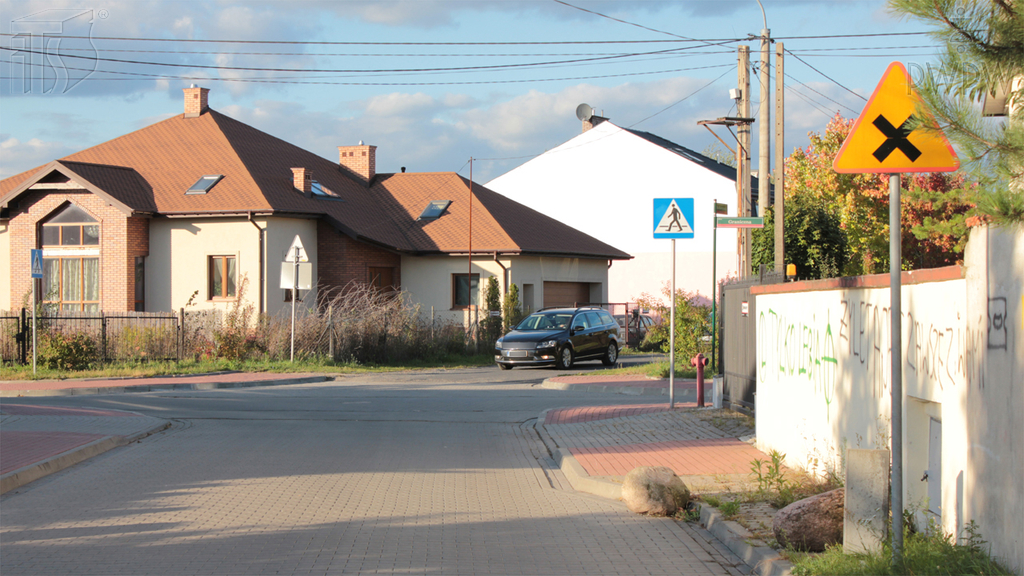 Do you have the right of way over all vehicles at an intersection marked in such a way?КомментарийPriority is determined by the signs, signals, road markings and the paths of the vehicles shown. The important point is not simply who arrives first, but which movement is required to give way under the applicable rule.Do you have the right of way over all vehicles at an intersection marked in such a way?
-
If you turn right at this intersection, do you have the right of way over the approaching vehicle?КомментарийThe legality of the turn depends on the signs, road markings, lane position and the paths of other road users shown. Before turning, make sure the manoeuvre does not conflict with a protected or opposing movement.If you turn right at this intersection, do you have the right of way over the approaching vehicle?
-
If you turn left at this intersection, do you have the right of way over the approaching vehicle?КомментарийThe legality of the turn depends on the signs, road markings, lane position and the paths of other road users shown. Before turning, make sure the manoeuvre does not conflict with a protected or opposing movement.If you turn left at this intersection, do you have the right of way over the approaching vehicle?
-
If you turn left at this intersection, do you have the right of way over the vehicle approaching from the opposite direction?КомментарийThe legality of the turn depends on the signs, road markings, lane position and the paths of other road users shown. Before turning, make sure the manoeuvre does not conflict with a protected or opposing movement.If you turn left at this intersection, do you have the right of way over the vehicle approaching from the opposite direction?
-
If you enter the road from a sidewalk, does this mean that you are merging with traffic?КомментарийA pavement or pedestrian path is primarily intended for pedestrians. When a vehicle is permitted to cross it, the driver must do so without forcing pedestrians to stop, slow down or change their path.If you enter the road from a sidewalk, does this mean that you are merging with traffic?
-
If you go straight ahead at this intersection, do you have the right of way over a cyclist?КомментарийWhen dealing with a cyclist, consider the cyclist's position, the marked lane and the direction of travel. The driver must leave the required space and avoid a manoeuvre that would cut across the cyclist's path.If you go straight ahead at this intersection, do you have the right of way over a cyclist?
-
If you merge with traffic, should you give the right of way to a pedestrian who is not on a pedestrian crossing?КомментарийThe driver's duty depends on the pedestrian's position, the type of crossing and the movement shown. Approach slowly enough to stop and do not use the vehicle's movement to force a pedestrian to change speed or direction.If you merge with traffic, should you give the right of way to a pedestrian who is not on a pedestrian crossing?
-
If you enter a road from a car park, should you give the right of way to vehicles travelling on the road?КомментарийPriority is determined by the signs, signals, road markings and the paths of the vehicles shown. The important point is not simply who arrives first, but which movement is required to give way under the applicable rule.If you enter a road from a car park, should you give the right of way to vehicles travelling on the road?
-
In this situation, are you obliged to give the right of way to a tractor?КомментарийPriority is determined by the signs, signals, road markings and the paths of the vehicles shown. The important point is not simply who arrives first, but which movement is required to give way under the applicable rule.In this situation, are you obliged to give the right of way to a tractor?
-
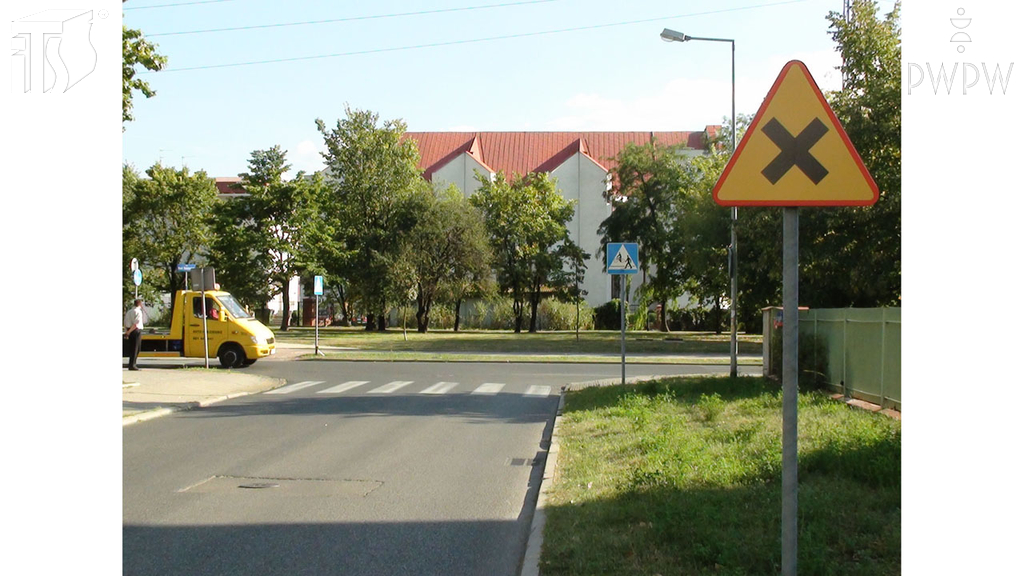 If you turn left at this intersection, do you have the right of way over the vehicle approaching from the left?КомментарийThe legality of the turn depends on the signs, road markings, lane position and the paths of other road users shown. Before turning, make sure the manoeuvre does not conflict with a protected or opposing movement.If you turn left at this intersection, do you have the right of way over the vehicle approaching from the left?
-
If you go straight, are you obliged to give the right of way to the cyclist?КомментарийWhen dealing with a cyclist, consider the cyclist's position, the marked lane and the direction of travel. The driver must leave the required space and avoid a manoeuvre that would cut across the cyclist's path.If you go straight, are you obliged to give the right of way to the cyclist?
-
If you turn left at this intersection, do you have the right of way over the vehicle approaching from the opposite direction?КомментарийThe legality of the turn depends on the signs, road markings, lane position and the paths of other road users shown. Before turning, make sure the manoeuvre does not conflict with a protected or opposing movement.If you turn left at this intersection, do you have the right of way over the vehicle approaching from the opposite direction?
-
In this situation, if you turn right, do you have the right of way over a vehicle approaching from the left?КомментарийThe legality of the turn depends on the signs, road markings, lane position and the paths of other road users shown. Before turning, make sure the manoeuvre does not conflict with a protected or opposing movement.In this situation, if you turn right, do you have the right of way over a vehicle approaching from the left?
-
If you go straight, should you give the right of way to a vehicle approaching from the left?КомментарийPriority is determined by the signs, signals, road markings and the paths of the vehicles shown. The important point is not simply who arrives first, but which movement is required to give way under the applicable rule.If you go straight, should you give the right of way to a vehicle approaching from the left?
-
You intend to turn left at this intersection. Are you obliged to give the right of way to a vehicle approaching from the left?КомментарийThe legality of the turn depends on the signs, road markings, lane position and the paths of other road users shown. Before turning, make sure the manoeuvre does not conflict with a protected or opposing movement.You intend to turn left at this intersection. Are you obliged to give the right of way to a vehicle approaching from the left?
-
Are you merging with traffic in this situation?КомментарийThe decisive point is the specific traffic rule described in the question and the conditions in which it applies. Consider the vehicle, road type and surrounding traffic before choosing the applicable rule.Are you merging with traffic in this situation?
Test №33
1 / 32 тест


