-
On a road marked in this way, can you drive a passenger car at a speed of 100 km/h?КомментарийThe applicable speed must be determined from the road type, the signs and the vehicle combination shown in the question. A trailer or another restriction can change the limit that applies to the driver.On a road marked in this way, can you drive a passenger car at a speed of 100 km/h?
-
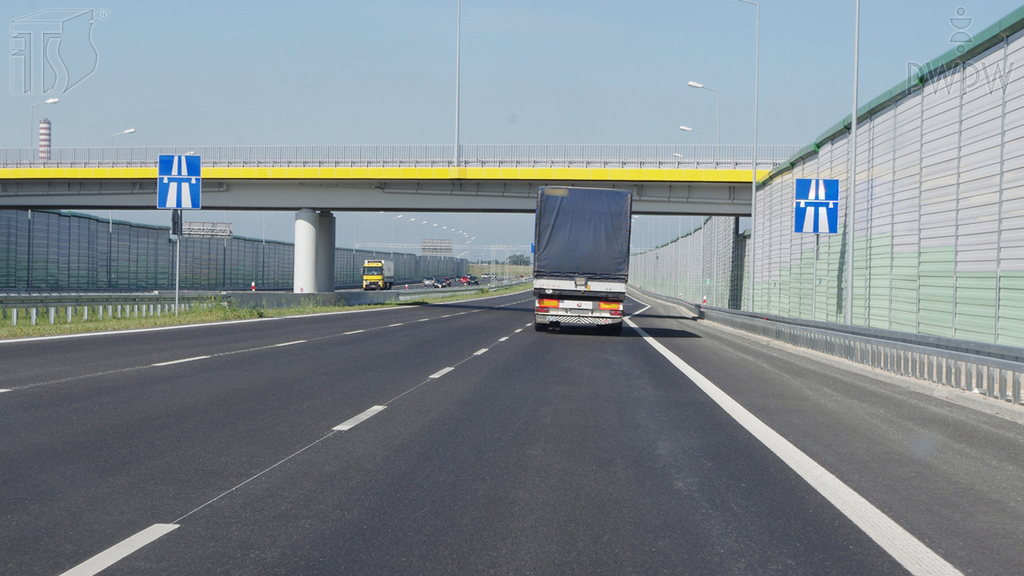 Beyond this sign, is 120 km/h the maximum speed at which you may drive a passenger car?КомментарийThe applicable speed must be determined from the road type, the signs and the vehicle combination shown in the question. A trailer or another restriction can change the limit that applies to the driver.Beyond this sign, is 120 km/h the maximum speed at which you may drive a passenger car?
-
On a road, once you go past this sign, can you drive at a speed of 30 km/h?КомментарийThe applicable speed must be determined from the road type, the signs and the vehicle combination shown in the question. A trailer or another restriction can change the limit that applies to the driver.On a road, once you go past this sign, can you drive at a speed of 30 km/h?
-
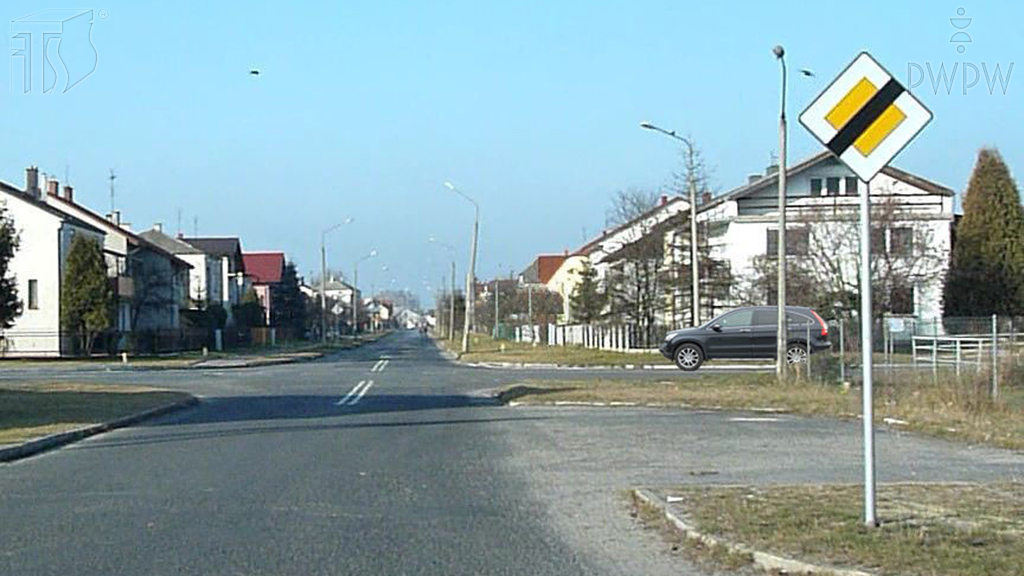 In this situation, are you obliged to give right of way to the vehicle approaching from the right side?КомментарийPriority is determined by the signs, signals, road markings and the paths of the vehicles shown. The important point is not simply who arrives first, but which movement is required to give way under the applicable rule.In this situation, are you obliged to give right of way to the vehicle approaching from the right side?
-
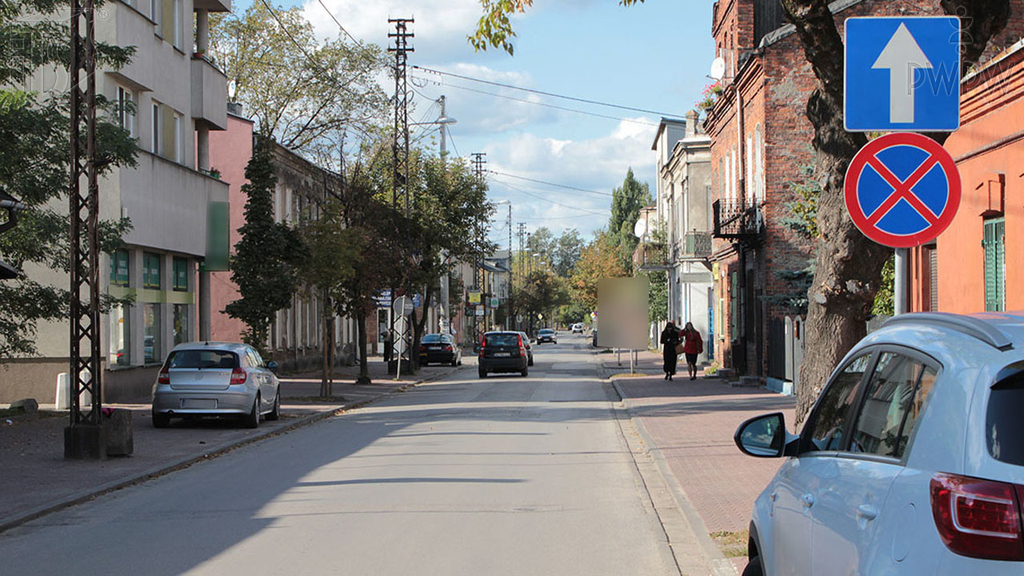 On a road, past this sign, can you make a U-turn?КомментарийThe legality of the turn depends on the signs, road markings, lane position and the paths of other road users shown. Before turning, make sure the manoeuvre does not conflict with a protected or opposing movement.On a road, past this sign, can you make a U-turn?
-
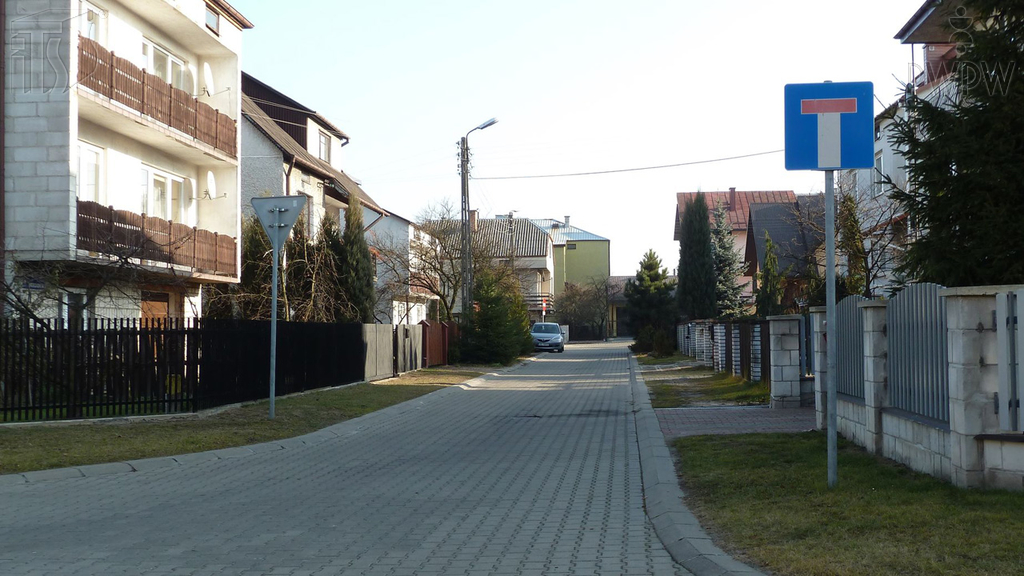 On a road, once you go past this sign, can you make a U-turn?КомментарийThe legality of the turn depends on the signs, road markings, lane position and the paths of other road users shown. Before turning, make sure the manoeuvre does not conflict with a protected or opposing movement.On a road, once you go past this sign, can you make a U-turn?
-
Does the first sign you see here tell you to drive with a speed of up to 50 km/h?КомментарийThe applicable speed must be determined from the road type, the signs and the vehicle combination shown in the question. A trailer or another restriction can change the limit that applies to the driver.Does the first sign you see here tell you to drive with a speed of up to 50 km/h?
-
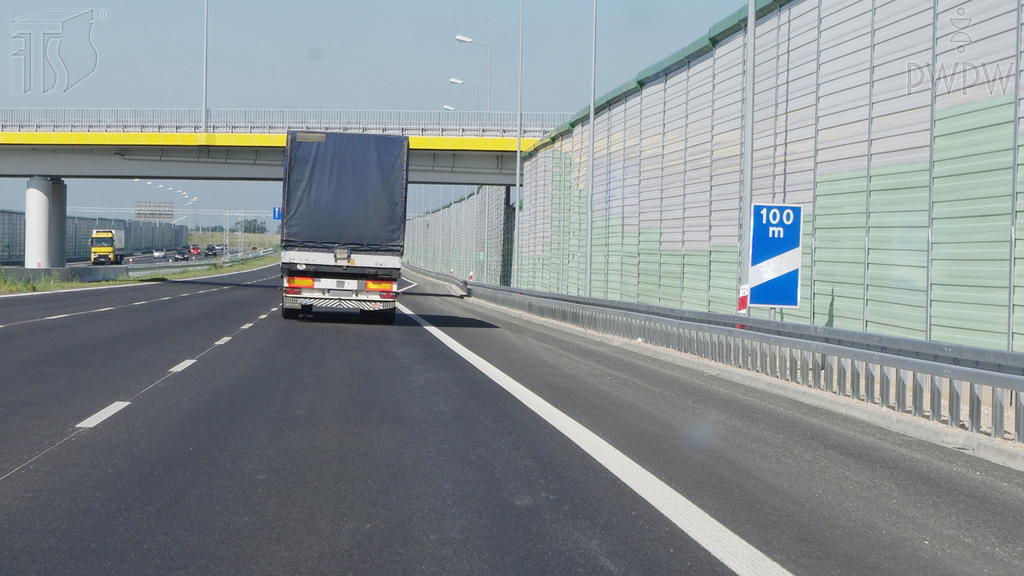 Does this sign inform you of approaching an exit from the motorway?КомментарийThe decisive point is the specific traffic rule described in the question and the conditions in which it applies. Consider the vehicle, road type and surrounding traffic before choosing the applicable rule.Does this sign inform you of approaching an exit from the motorway?
-
In this situation, when you're changing lanes, are you obliged to use your turn signal?КомментарийBefore changing lane, check the road markings, the direction assigned to each lane and the position of other vehicles. The manoeuvre is only safe when the target lane is suitable and can be entered without forcing another road user to react.In this situation, when you're changing lanes, are you obliged to use your turn signal?
-
On a road, once you go past this sign, can you drive at a speed of 20 km/h?КомментарийThe applicable speed must be determined from the road type, the signs and the vehicle combination shown in the question. A trailer or another restriction can change the limit that applies to the driver.On a road, once you go past this sign, can you drive at a speed of 20 km/h?
-
On a road, once you go past this sign, do you have the right of way over pedestrians?КомментарийThe driver's duty depends on the pedestrian's position, the type of crossing and the movement shown. Approach slowly enough to stop and do not use the vehicle's movement to force a pedestrian to change speed or direction.On a road, once you go past this sign, do you have the right of way over pedestrians?
-
On a road, once you go past this sign, are you obliged to give the right of way to pedestrians ?КомментарийThe driver's duty depends on the pedestrian's position, the type of crossing and the movement shown. Approach slowly enough to stop and do not use the vehicle's movement to force a pedestrian to change speed or direction.On a road, once you go past this sign, are you obliged to give the right of way to pedestrians ?
-
Do these road markings tell you to change lanes by going to the next lane indicated by an arrow?КомментарийBefore changing lane, check the road markings, the direction assigned to each lane and the position of other vehicles. The manoeuvre is only safe when the target lane is suitable and can be entered without forcing another road user to react.Do these road markings tell you to change lanes by going to the next lane indicated by an arrow?
-
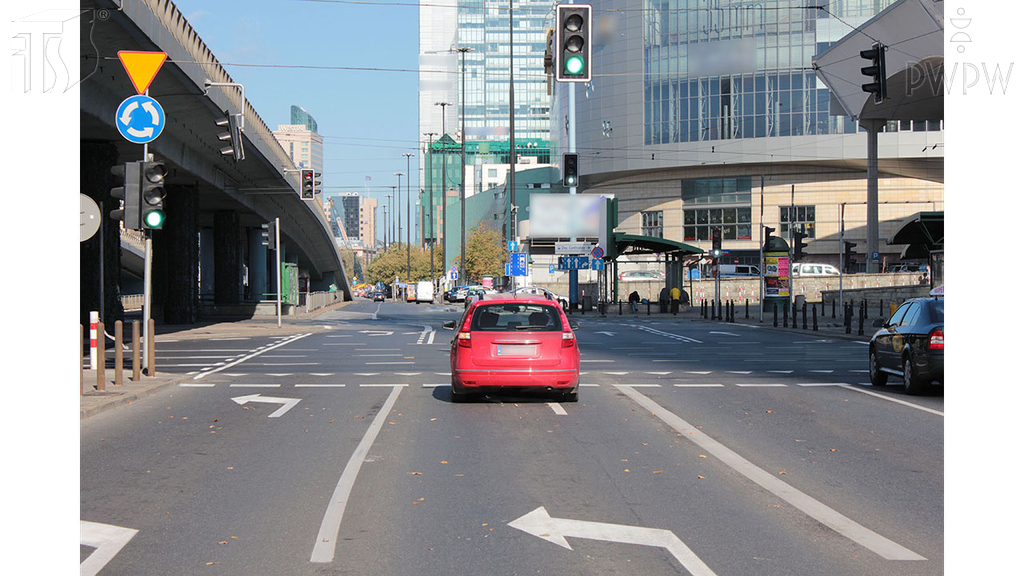 Does this road marking allow you to go straight through the intersection using this lane?КомментарийBefore changing lane, check the road markings, the direction assigned to each lane and the position of other vehicles. The manoeuvre is only safe when the target lane is suitable and can be entered without forcing another road user to react.Does this road marking allow you to go straight through the intersection using this lane?
-
Does this road marking allow you to make a U-turn?КомментарийThe legality of the turn depends on the signs, road markings, lane position and the paths of other road users shown. Before turning, make sure the manoeuvre does not conflict with a protected or opposing movement.Does this road marking allow you to make a U-turn?
-
Does this road marking allow you to go straight in this lane?КомментарийBefore changing lane, check the road markings, the direction assigned to each lane and the position of other vehicles. The manoeuvre is only safe when the target lane is suitable and can be entered without forcing another road user to react.Does this road marking allow you to go straight in this lane?
-
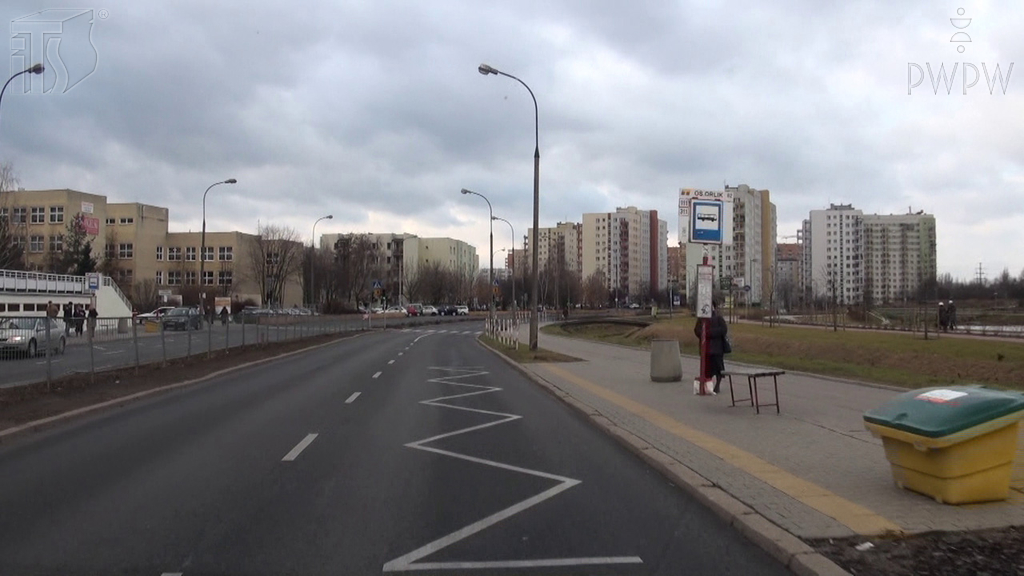 Can you stop a passenger car in a spot designated as a stop area (a zigzag line)?КомментарийThe decisive point is the specific traffic rule described in the question and the conditions in which it applies. Consider the vehicle, road type and surrounding traffic before choosing the applicable rule.Can you stop a passenger car in a spot designated as a stop area (a zigzag line)?
-
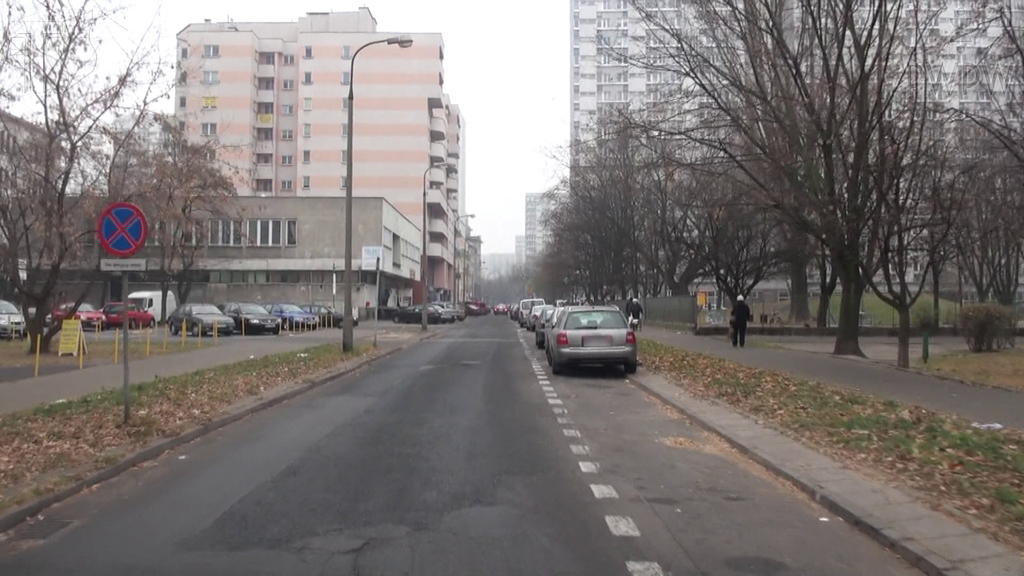 Does this road marking designate a parking lane?КомментарийBefore changing lane, check the road markings, the direction assigned to each lane and the position of other vehicles. The manoeuvre is only safe when the target lane is suitable and can be entered without forcing another road user to react.Does this road marking designate a parking lane?
-
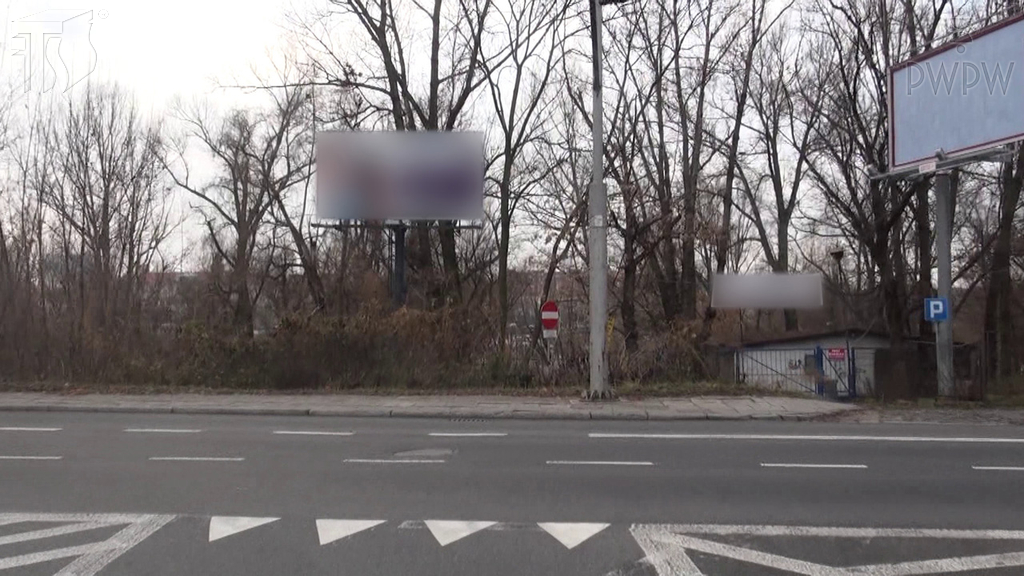 On a line marked by triangular road markings, are you unconditionally obliged to stop the vehicle?КомментарийThe need to brake depends on the hazard visible ahead, the road surface and the stopping distance available. Braking should begin early enough to keep the vehicle under control and avoid a conflict with other road users.On a line marked by triangular road markings, are you unconditionally obliged to stop the vehicle?
-
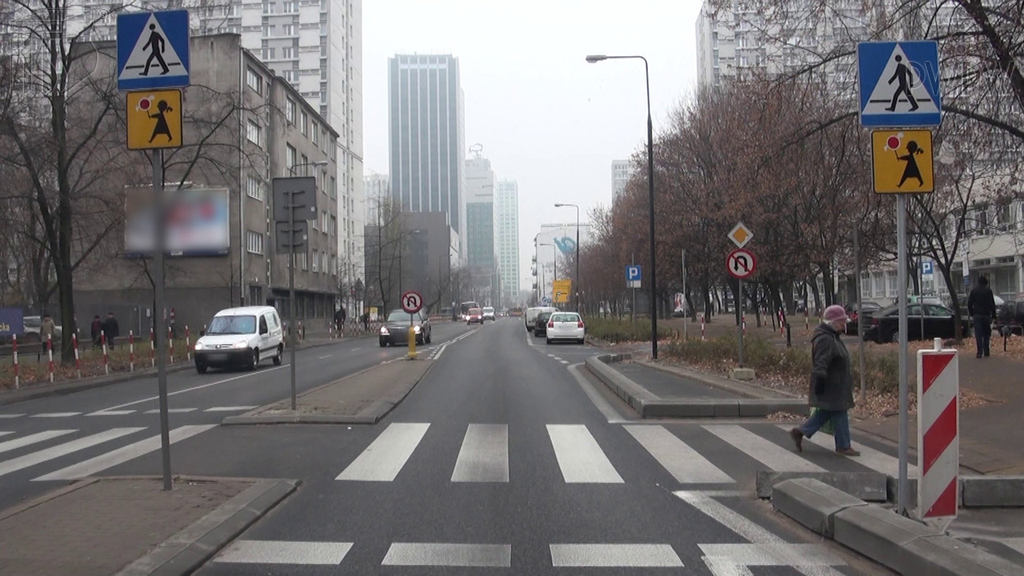 Does a broken line in front of a pedestrian crossing indicate a conditional stopping area?КомментарийThe driver's duty depends on the pedestrian's position, the type of crossing and the movement shown. Approach slowly enough to stop and do not use the vehicle's movement to force a pedestrian to change speed or direction.Does a broken line in front of a pedestrian crossing indicate a conditional stopping area?
-
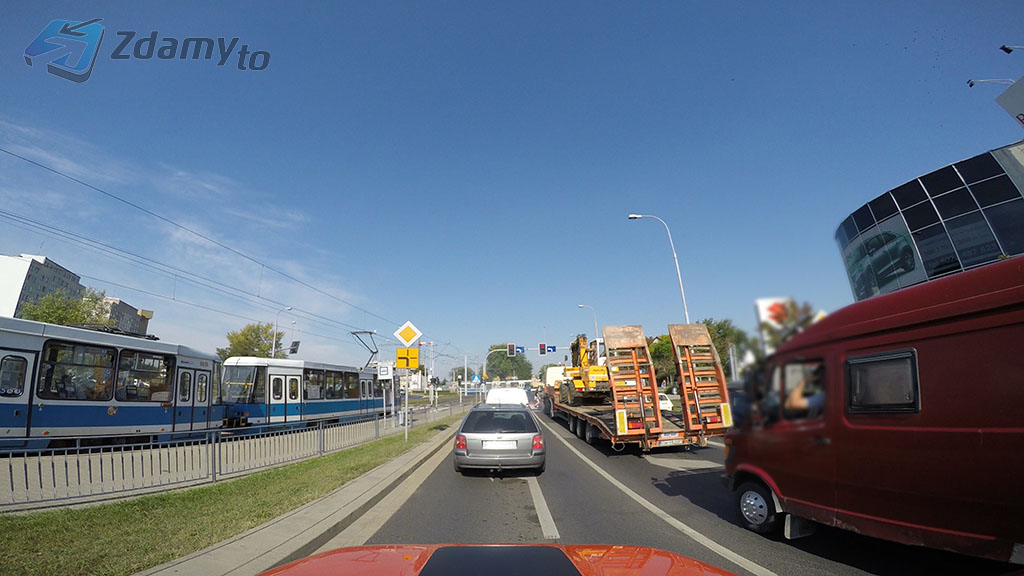 What distance should you maintain from the vehicle in front in the presented situation?КомментарийThe required lateral clearance depends on the road user being passed and the manoeuvre shown. The driver must leave enough space to avoid endangering the other road user and maintain control throughout the manoeuvre.What distance should you maintain from the vehicle in front in the presented situation?
-
Which of the following conditions besides a safety seat or other restraint system must be met for a child less than 150 cm tall to be transported in a passenger car?КомментарийWater on the road reduces tyre grip and can cause aquaplaning. Slow down smoothly, avoid abrupt steering or braking, and keep enough distance to react to changing road conditions.Which of the following conditions besides a safety seat or other restraint system must be met for a child less than 150 cm tall to be transported in a passenger car?
-
Upon seeing a person with a white cane crossing the road, you should:КомментарийThe driver's duty depends on the pedestrian's position, the type of crossing and the movement shown. Approach slowly enough to stop and do not use the vehicle's movement to force a pedestrian to change speed or direction.Upon seeing a person with a white cane crossing the road, you should:
-
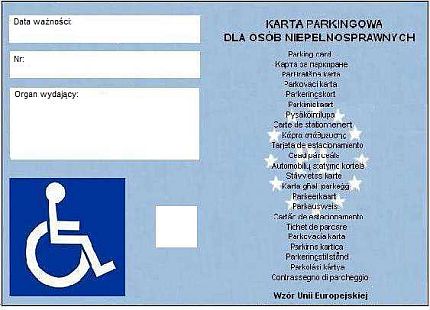 When driving a passenger vehicle and transporting a disabled person with a parking permit, you should:КомментарийWhen turning into a parking area, check the road markings and the direction of traffic before crossing the roadway. The manoeuvre must not conflict with a prohibited turn or with vehicles travelling in the opposite direction.When driving a passenger vehicle and transporting a disabled person with a parking permit, you should:
-
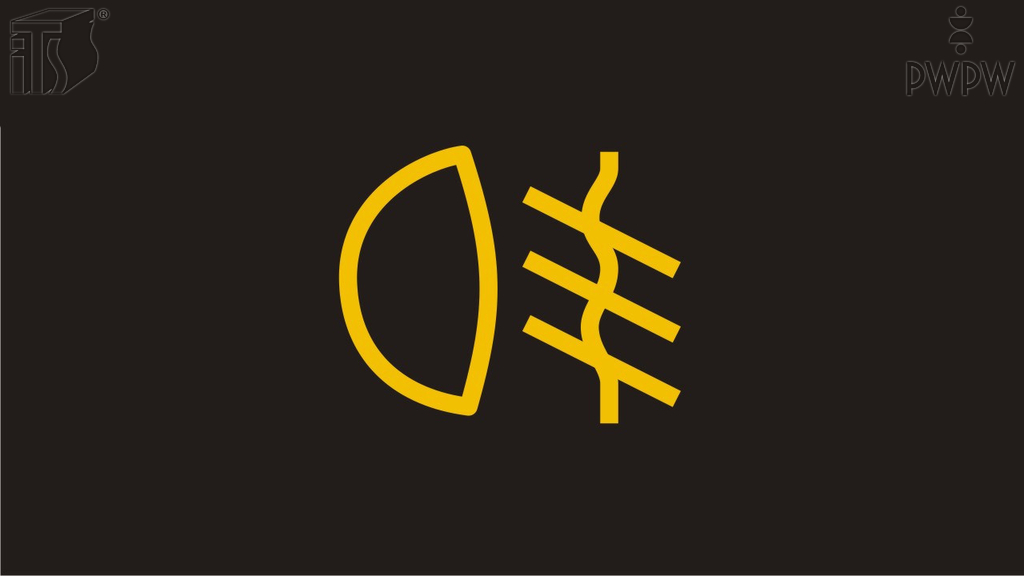 When can you use rear anti-fog lights while driving?КомментарийFog reduces visibility and makes it harder to judge the position and speed of other road users. Adapt speed to the visible distance and use lighting appropriate for the conditions.When can you use rear anti-fog lights while driving?
-
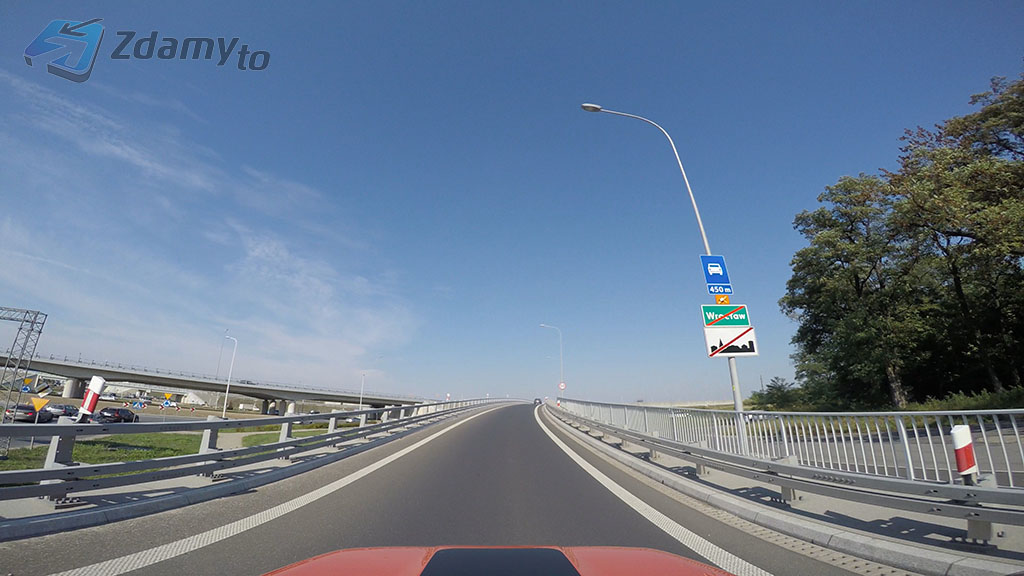 Is it allowed to increase speed to 90 km/h beyond the visible signs?КомментарийThe decisive point is the specific traffic rule described in the question and the conditions in which it applies. Consider the vehicle, road type and surrounding traffic before choosing the applicable rule.Is it allowed to increase speed to 90 km/h beyond the visible signs?
-
A safe driving speed is defined as one:КомментарийSafe driving means adapting speed and manoeuvres to the current road, weather, visibility and traffic conditions. A driver must always retain enough control and stopping distance to respond to an unexpected hazard.A safe driving speed is defined as one:
-
Should the vehicle's speed be adjusted based on road visibility?КомментарийThe decisive point is the specific traffic rule described in the question and the conditions in which it applies. Consider the vehicle, road type and surrounding traffic before choosing the applicable rule.Should the vehicle's speed be adjusted based on road visibility?
-
What effect does vehicle speed have on driver reaction time?КомментарийDriver attention and reaction are affected by fatigue, emotional arousal and the amount of information in the road environment. A delayed reaction increases the distance travelled before braking or taking evasive action.What effect does vehicle speed have on driver reaction time?
-
Does the speed at which the accident occurred have an impact on its consequences ?КомментарийThe decisive point is the specific traffic rule described in the question and the conditions in which it applies. Consider the vehicle, road type and surrounding traffic before choosing the applicable rule.Does the speed at which the accident occurred have an impact on its consequences ?
-
What decision will the starost make if you are stopped for inspection while driving a vehicle despite the extension of the driving licence suspension period to six months for exceeding the speed limit by more than 50 km/h in a built-up area?КомментарийOn a slippery surface, available grip is limited. Smooth steering, gentle acceleration and braking, a lower speed and a larger safety margin reduce the risk of losing control.What decision will the starost make if you are stopped for inspection while driving a vehicle despite the extension of the driving licence suspension period to six months for exceeding the speed limit by more than 50 km/h in a built-up area?
-
What decision will the starost make if you are stopped for inspection while driving a vehicle despite the extension of the driving licence suspension period to six months for carrying, in a passenger car, a number of persons exceeding by two the number of seats specified in the vehicle registration certificate?КомментарийOn a slippery surface, available grip is limited. Smooth steering, gentle acceleration and braking, a lower speed and a larger safety margin reduce the risk of losing control.What decision will the starost make if you are stopped for inspection while driving a vehicle despite the extension of the driving licence suspension period to six months for carrying, in a passenger car, a number of persons exceeding by two the number of seats specified in the vehicle registration certificate?
Test №32
1 / 32 тест


