
-
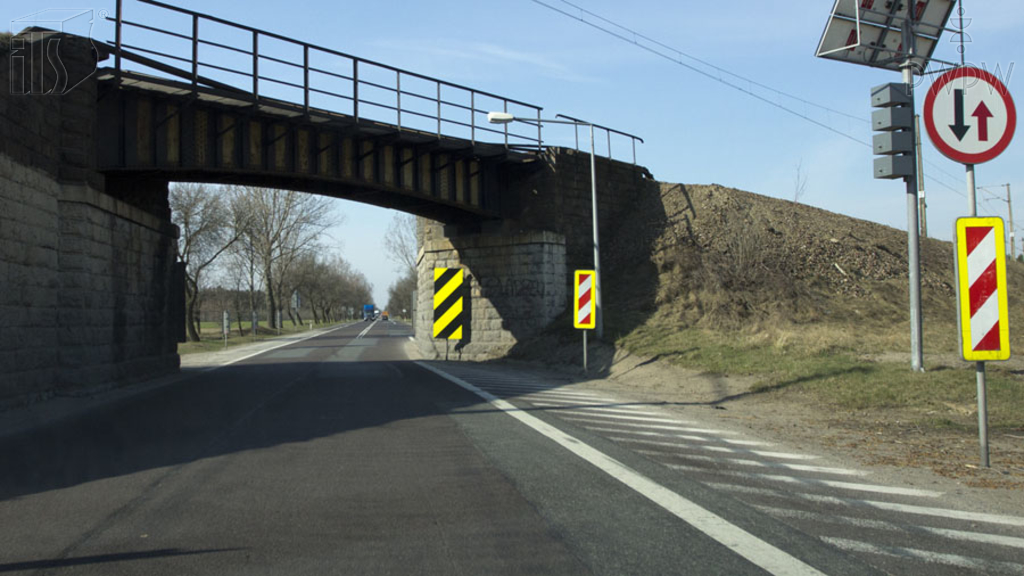 Are you allowed, in the presented situation, to enter the narrowed part of the road if it does not force the oncoming vehicle to stop?КомментарийThe decisive point is the specific traffic rule described in the question and the conditions in which it applies. Consider the vehicle, road type and surrounding traffic before choosing the applicable rule.Are you allowed, in the presented situation, to enter the narrowed part of the road if it does not force the oncoming vehicle to stop?
-
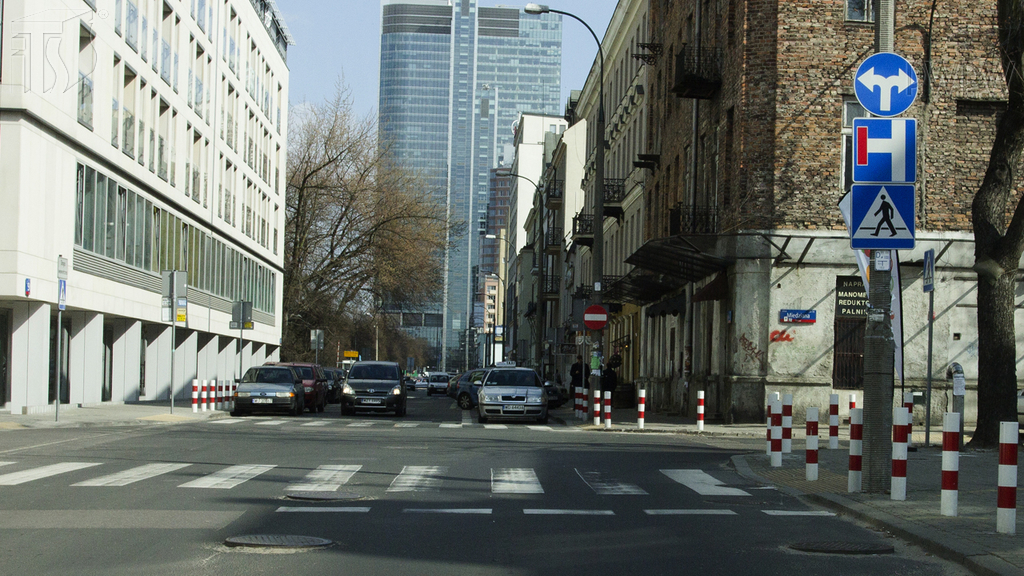 In the presented situation, are you obliged only to turn right?КомментарийThe legality of the turn depends on the signs, road markings, lane position and the paths of other road users shown. Before turning, make sure the manoeuvre does not conflict with a protected or opposing movement.In the presented situation, are you obliged only to turn right?
-
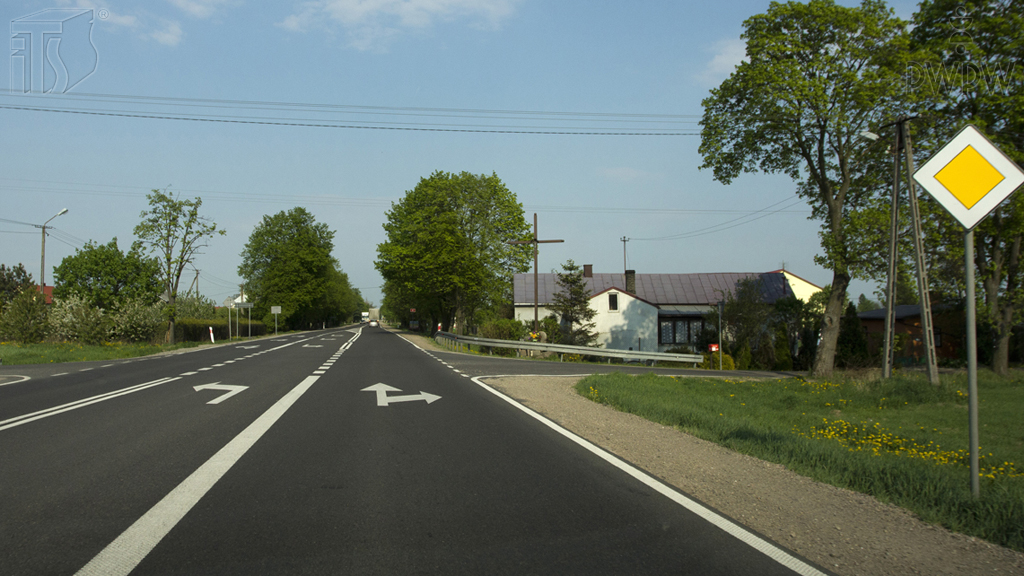 Does this sign indicate that the road you are taking is a minor road?КомментарийThe warning sign shown gives information about a hazard or road arrangement ahead. Its exact meaning must be read from the symbol and supplementary plate, rather than inferred only from the shape of the road.Does this sign indicate that the road you are taking is a minor road?
-
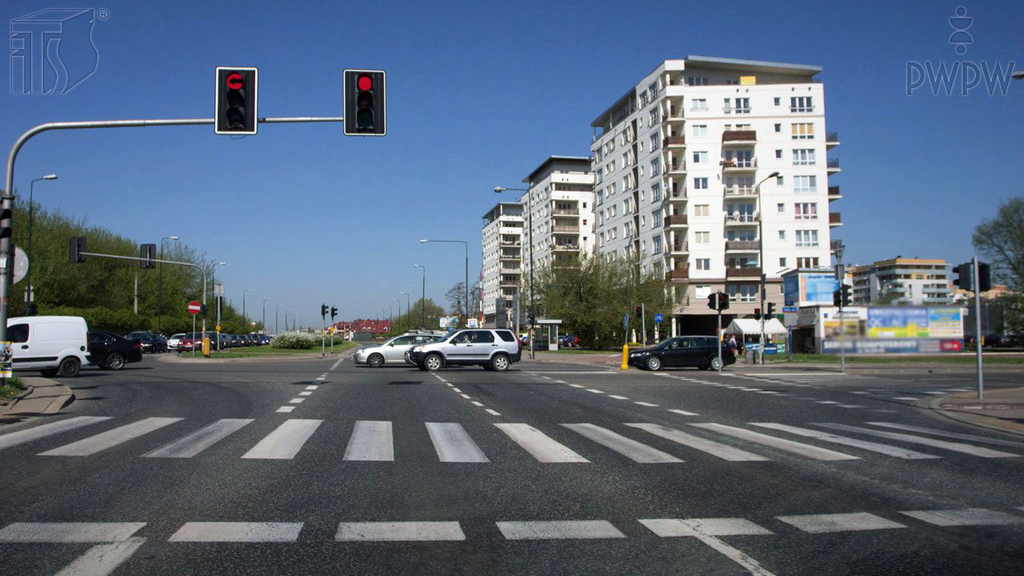 In the presented situation, does the illuminated light allow you to go beyond the traffic lights?КомментарийThe traffic signal shown applies to the lane or direction indicated in the situation. The driver must follow that signal and also account for any separate signs, markings and road users that affect the manoeuvre.In the presented situation, does the illuminated light allow you to go beyond the traffic lights?
-
Are you obliged in this situation, to yield the right of way to the oncoming vehicle before overtaking?КомментарийBefore overtaking, check the road markings, signs, visibility, the vehicle behind and the space needed to return safely. The manoeuvre must be completed without forcing another road user to brake or change direction.Are you obliged in this situation, to yield the right of way to the oncoming vehicle before overtaking?
-
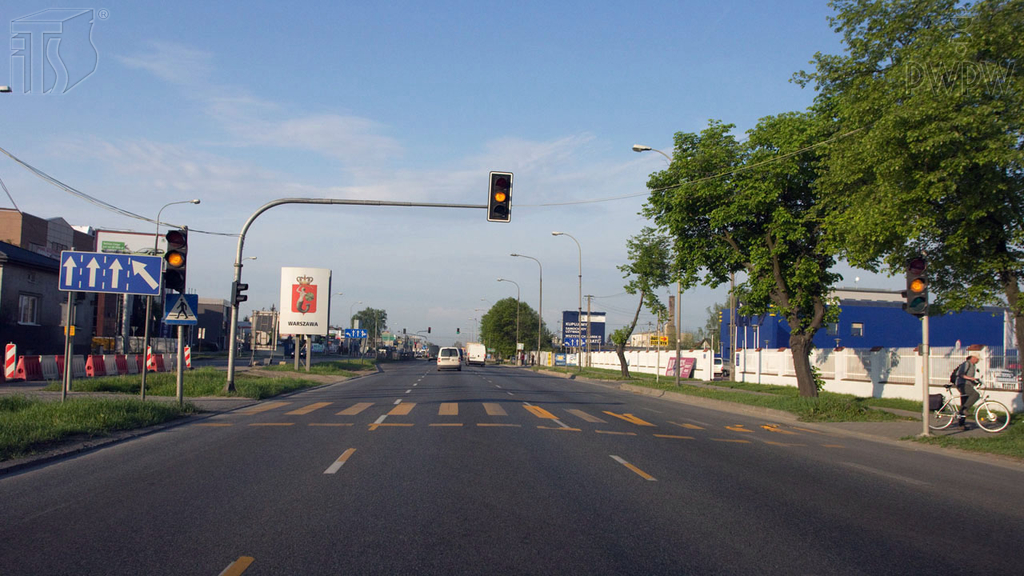 In the presented situation will the next light be red?КомментарийThe decisive point is the specific traffic rule described in the question and the conditions in which it applies. Consider the vehicle, road type and surrounding traffic before choosing the applicable rule.In the presented situation will the next light be red?
-
In the presented situation will the next light be green?КомментарийThe decisive point is the specific traffic rule described in the question and the conditions in which it applies. Consider the vehicle, road type and surrounding traffic before choosing the applicable rule.In the presented situation will the next light be green?
-
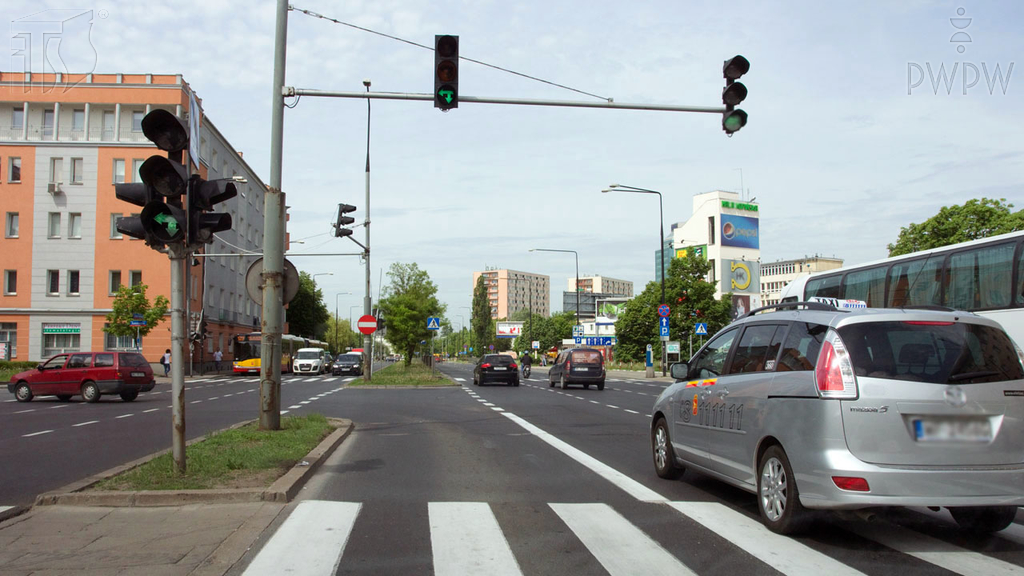 When U-turning in this situation, will there be conflict with other road users?КомментарийThe legality of the turn depends on the signs, road markings, lane position and the paths of other road users shown. Before turning, make sure the manoeuvre does not conflict with a protected or opposing movement.When U-turning in this situation, will there be conflict with other road users?
-
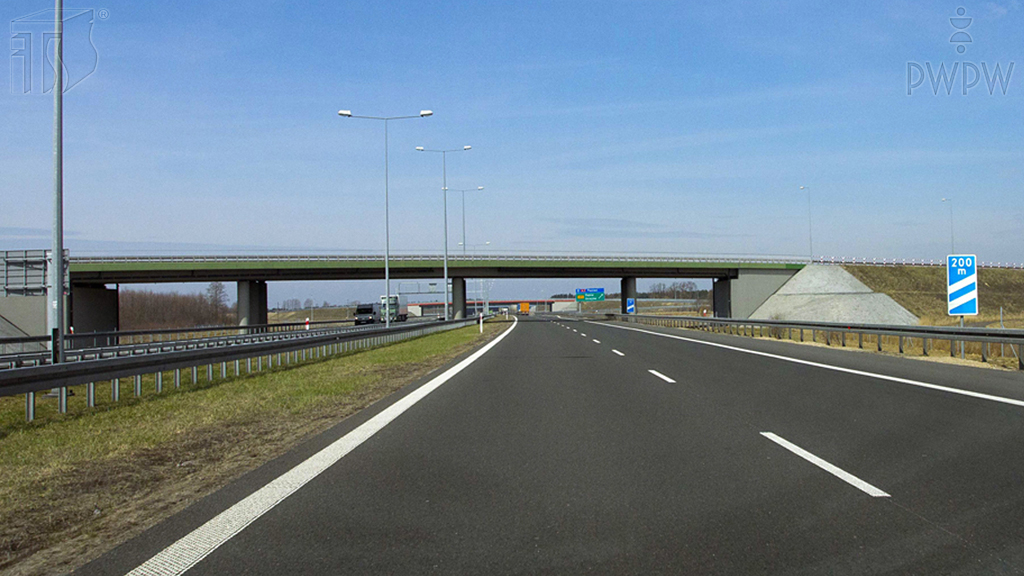 Should you start changing lanes in this situation, if you intend to leave the highway?КомментарийBefore changing lane, check the road markings, the direction assigned to each lane and the position of other vehicles. The manoeuvre is only safe when the target lane is suitable and can be entered without forcing another road user to react.Should you start changing lanes in this situation, if you intend to leave the highway?
-
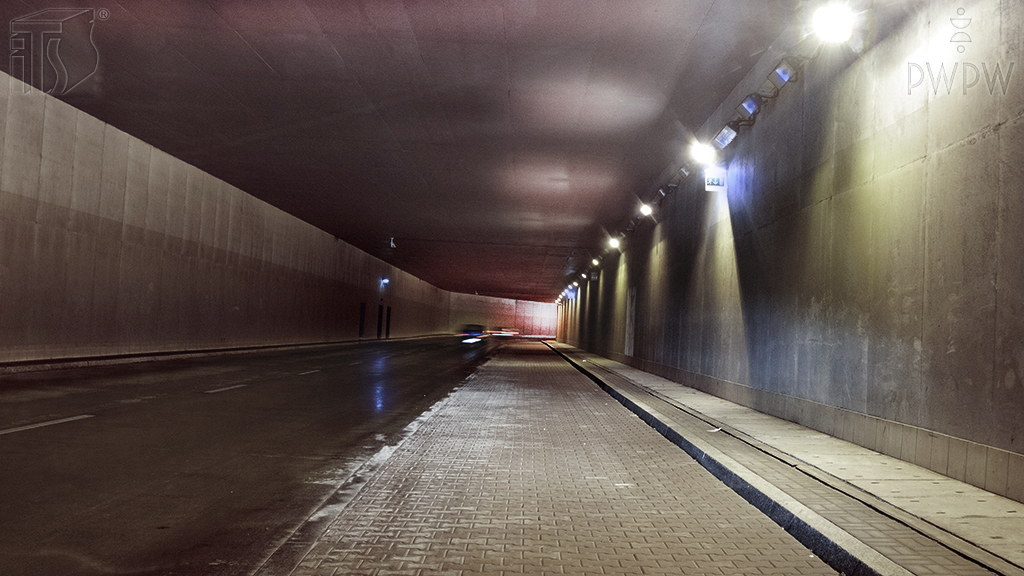 Is it forbidden to stop vehicles in this place?КомментарийThe decisive point is the specific traffic rule described in the question and the conditions in which it applies. Consider the vehicle, road type and surrounding traffic before choosing the applicable rule.Is it forbidden to stop vehicles in this place?
-
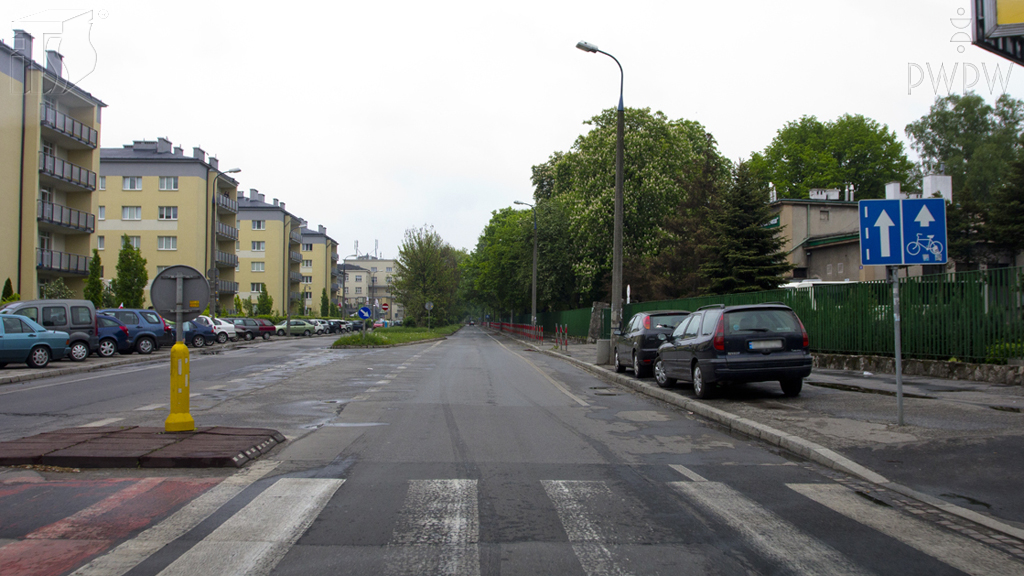 You intend to go straight ahead. Are you allowed to drive directly by the right edge of the roadway on the presented section of the road?КомментарийBefore changing lane, check the road markings, the direction assigned to each lane and the position of other vehicles. The manoeuvre is only safe when the target lane is suitable and can be entered without forcing another road user to react.You intend to go straight ahead. Are you allowed to drive directly by the right edge of the roadway on the presented section of the road?
-
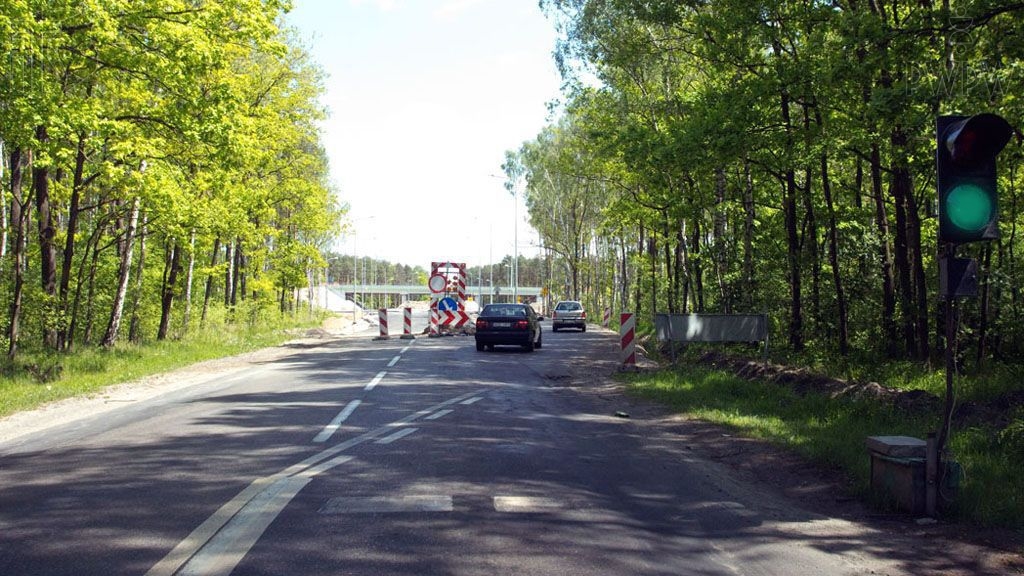 Are you allowed in this situation to drive into the narrowed part of the road without stopping before the traffic light post?КомментарийThe traffic signal shown applies to the lane or direction indicated in the situation. The driver must follow that signal and also account for any separate signs, markings and road users that affect the manoeuvre.Are you allowed in this situation to drive into the narrowed part of the road without stopping before the traffic light post?
-
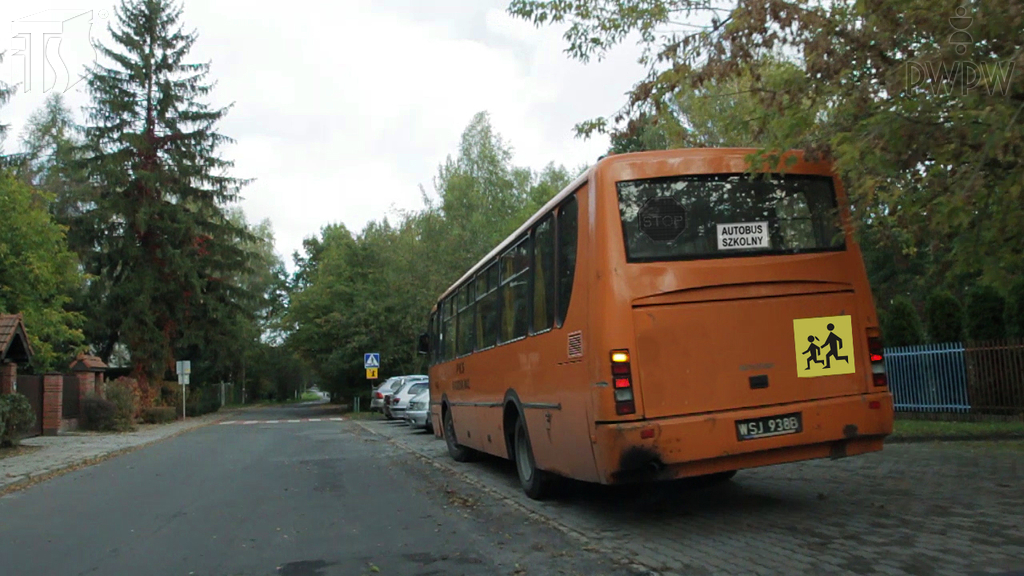 Are you obliged to slow down in this situation?КомментарийThe decisive point is the specific traffic rule described in the question and the conditions in which it applies. Consider the vehicle, road type and surrounding traffic before choosing the applicable rule.Are you obliged to slow down in this situation?
-
Can you continue driving not taking into account the behaviour of the pedestrian?КомментарийThe driver's duty depends on the pedestrian's position, the type of crossing and the movement shown. Approach slowly enough to stop and do not use the vehicle's movement to force a pedestrian to change speed or direction.Can you continue driving not taking into account the behaviour of the pedestrian?
-
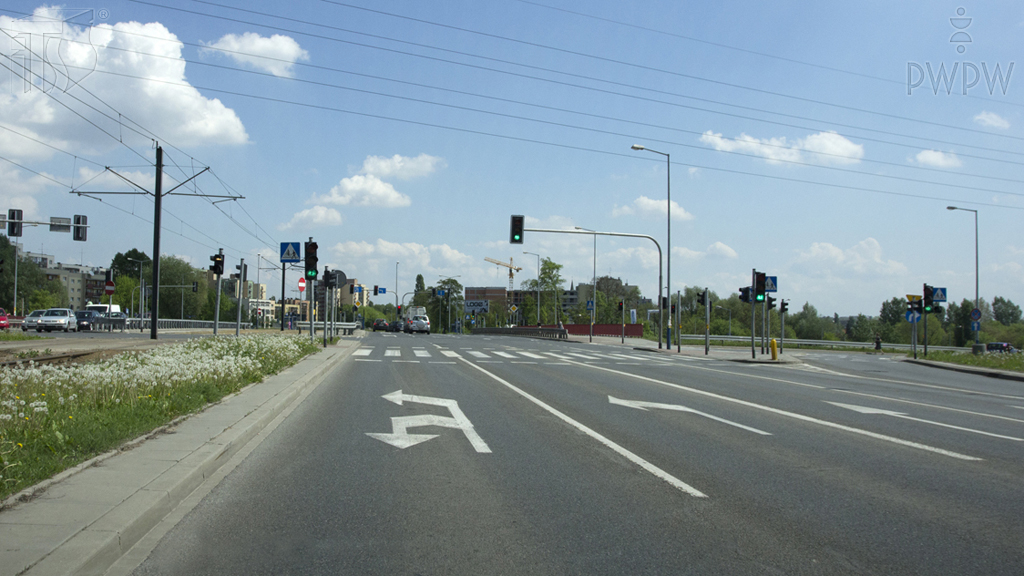 Can you make a U-turn from the lane marked in this way?КомментарийBefore changing lane, check the road markings, the direction assigned to each lane and the position of other vehicles. The manoeuvre is only safe when the target lane is suitable and can be entered without forcing another road user to react.Can you make a U-turn from the lane marked in this way?
-
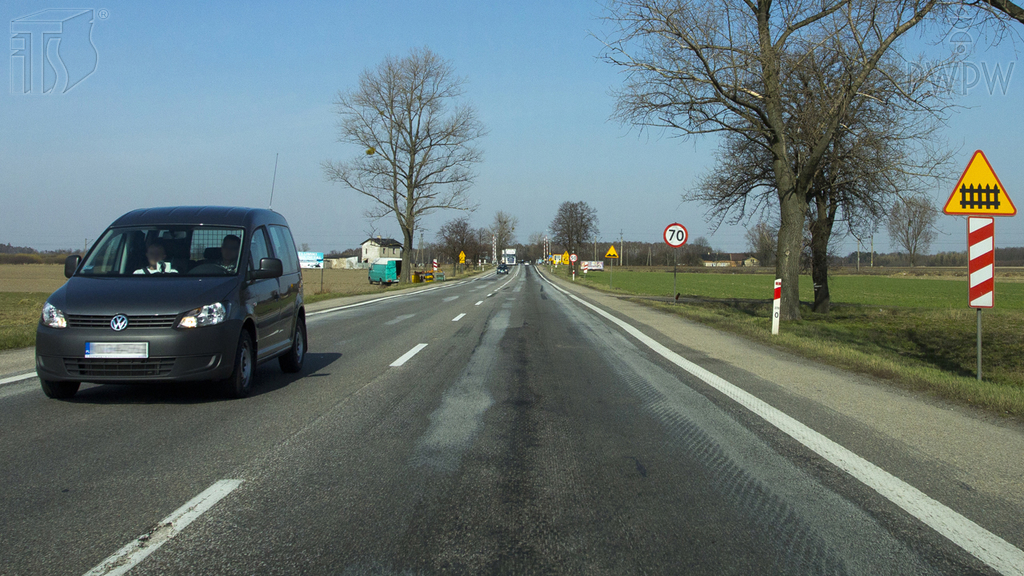 Are you warned in this situation of a level crossing fitted with full barriers or half-barriers?КомментарийAt a level crossing, the driver must assess the crossing itself, the warning signals and the possibility of a rail vehicle approaching. Raised barriers do not by themselves guarantee that the crossing is safe to enter.Are you warned in this situation of a level crossing fitted with full barriers or half-barriers?
-
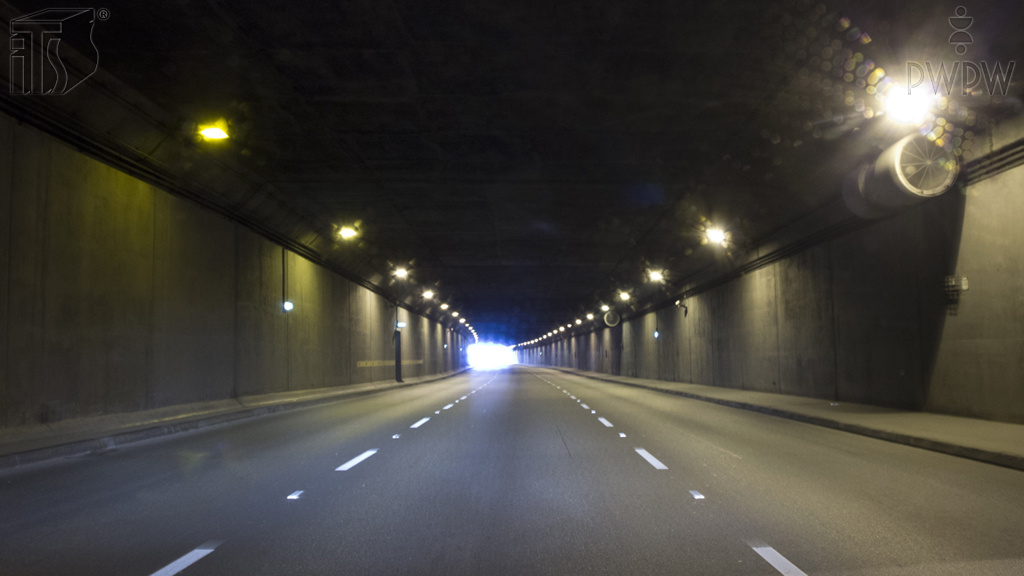 Are you allowed to make a U-turn in this place?КомментарийThe legality of the turn depends on the signs, road markings, lane position and the paths of other road users shown. Before turning, make sure the manoeuvre does not conflict with a protected or opposing movement.Are you allowed to make a U-turn in this place?
-
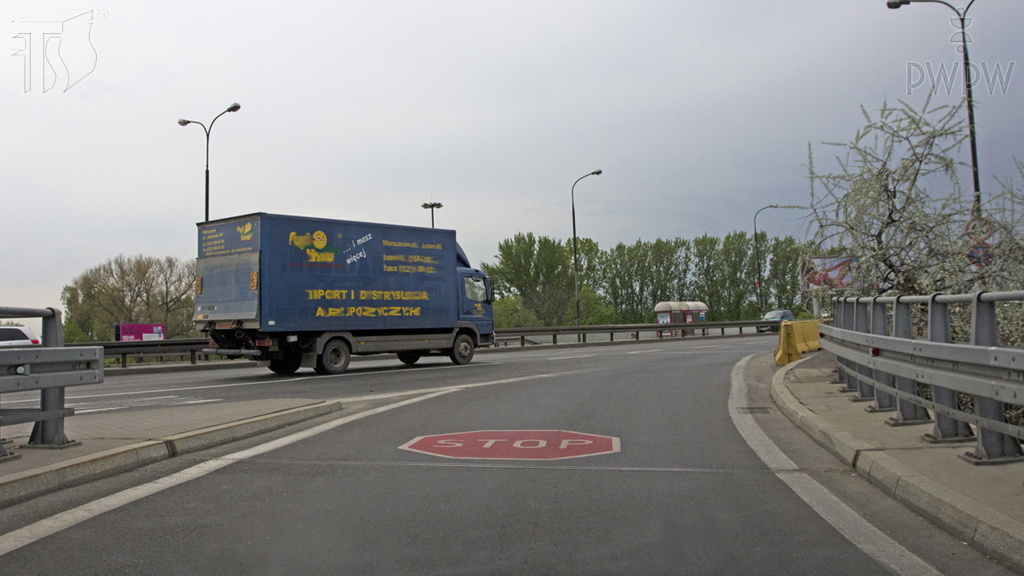 Does this "stop" sign on the roadway warn you of approaching a priority road?КомментарийPriority is determined by the signs, signals, road markings and the paths of the vehicles shown. The important point is not simply who arrives first, but which movement is required to give way under the applicable rule.Does this "stop" sign on the roadway warn you of approaching a priority road?
-
After passing the vehicle in this situation, are you allowed to change the low beam lights into high beam lights?КомментарийThe decisive point is the specific traffic rule described in the question and the conditions in which it applies. Consider the vehicle, road type and surrounding traffic before choosing the applicable rule.After passing the vehicle in this situation, are you allowed to change the low beam lights into high beam lights?
-
When driving a motor vehicle in these conditions, are you allowed to use position lights only?КомментарийThe decisive point is the specific traffic rule described in the question and the conditions in which it applies. Consider the vehicle, road type and surrounding traffic before choosing the applicable rule.When driving a motor vehicle in these conditions, are you allowed to use position lights only?
-
What documents are you obliged to carry with you and present at the request of the competent authorities during roadside inspections?КомментарийThe decisive point is the specific traffic rule described in the question and the conditions in which it applies. Consider the vehicle, road type and surrounding traffic before choosing the applicable rule.What documents are you obliged to carry with you and present at the request of the competent authorities during roadside inspections?
-
What documents must you carry with you and present at the request of a competent authority when driving a vehicle registered abroad in the territory of the Republic of Poland?КомментарийThe decisive point is the specific traffic rule described in the question and the conditions in which it applies. Consider the vehicle, road type and surrounding traffic before choosing the applicable rule.What documents must you carry with you and present at the request of a competent authority when driving a vehicle registered abroad in the territory of the Republic of Poland?
-
What documents are you obliged to carry with you and present at the request of a competent authority when driving a vehicle registered abroad in the territory of the Republic of Poland?КомментарийThe decisive point is the specific traffic rule described in the question and the conditions in which it applies. Consider the vehicle, road type and surrounding traffic before choosing the applicable rule.What documents are you obliged to carry with you and present at the request of a competent authority when driving a vehicle registered abroad in the territory of the Republic of Poland?
-
What documents do you have to carry with you and present at the request of the relevant authority during a roadside inspection?КомментарийThe decisive point is the specific traffic rule described in the question and the conditions in which it applies. Consider the vehicle, road type and surrounding traffic before choosing the applicable rule.What documents do you have to carry with you and present at the request of the relevant authority during a roadside inspection?
-
What documents are you obliged to carry with you and present at the request of the relevant authority during roadside inspections?КомментарийThe decisive point is the specific traffic rule described in the question and the conditions in which it applies. Consider the vehicle, road type and surrounding traffic before choosing the applicable rule.What documents are you obliged to carry with you and present at the request of the relevant authority during roadside inspections?
-
What document are you obliged to carry with you and present at the request of a competent authority?КомментарийThe decisive point is the specific traffic rule described in the question and the conditions in which it applies. Consider the vehicle, road type and surrounding traffic before choosing the applicable rule.What document are you obliged to carry with you and present at the request of a competent authority?
-
For which road traffic violation will a police officer withhold a driving licence?КомментарийOn a slippery surface, available grip is limited. Smooth steering, gentle acceleration and braking, a lower speed and a larger safety margin reduce the risk of losing control.For which road traffic violation will a police officer withhold a driving licence?
-
For which road traffic violation will a police officer retain a driving licence?КомментарийOn a slippery surface, available grip is limited. Smooth steering, gentle acceleration and braking, a lower speed and a larger safety margin reduce the risk of losing control.For which road traffic violation will a police officer retain a driving licence?
-
What is the validity of a Polish driving licence retention receipt issued to you by a police officer for exceeding the speed limit by more than 50 km/h in a built-up area?КомментарийOn a slippery surface, available grip is limited. Smooth steering, gentle acceleration and braking, a lower speed and a larger safety margin reduce the risk of losing control.What is the validity of a Polish driving licence retention receipt issued to you by a police officer for exceeding the speed limit by more than 50 km/h in a built-up area?
-
What is the validity period of a driving licence retention receipt issued by a police officer for transporting two passengers in excess of the number of seats specified in the passenger car registration document?КомментарийOn a slippery surface, available grip is limited. Smooth steering, gentle acceleration and braking, a lower speed and a larger safety margin reduce the risk of losing control.What is the validity period of a driving licence retention receipt issued by a police officer for transporting two passengers in excess of the number of seats specified in the passenger car registration document?
Test №28
1 / 32 тест


