-
You intend to turn left. Do you have to yield the right of way to the rail vehicle?КомментарийAt a level crossing, the driver must assess the crossing itself, the warning signals and the possibility of a rail vehicle approaching. Raised barriers do not by themselves guarantee that the crossing is safe to enter.You intend to turn left. Do you have to yield the right of way to the rail vehicle?
-
You intend to turn left at the junction. Should you speed up in this situation, in order to pass before the oncoming vehicles?КомментарийThe legality of the turn depends on the signs, road markings, lane position and the paths of other road users shown. Before turning, make sure the manoeuvre does not conflict with a protected or opposing movement.You intend to turn left at the junction. Should you speed up in this situation, in order to pass before the oncoming vehicles?
-
Does the vehicle driver have difficulties in simultaneous performance of two or more activities at the same time after alcohol consumption?КомментарийThe decisive point is the specific traffic rule described in the question and the conditions in which it applies. Consider the vehicle, road type and surrounding traffic before choosing the applicable rule.Does the vehicle driver have difficulties in simultaneous performance of two or more activities at the same time after alcohol consumption?
-
Do you have to abide by the vertical warning sign "give way" in this situation?КомментарийPriority is determined by the signs, signals, road markings and the paths of the vehicles shown. The important point is not simply who arrives first, but which movement is required to give way under the applicable rule.Do you have to abide by the vertical warning sign "give way" in this situation?
-
You intend to go straight ahead. Are you obliged to give way to the vehicle approaching from the right?КомментарийPriority is determined by the signs, signals, road markings and the paths of the vehicles shown. The important point is not simply who arrives first, but which movement is required to give way under the applicable rule.You intend to go straight ahead. Are you obliged to give way to the vehicle approaching from the right?
-
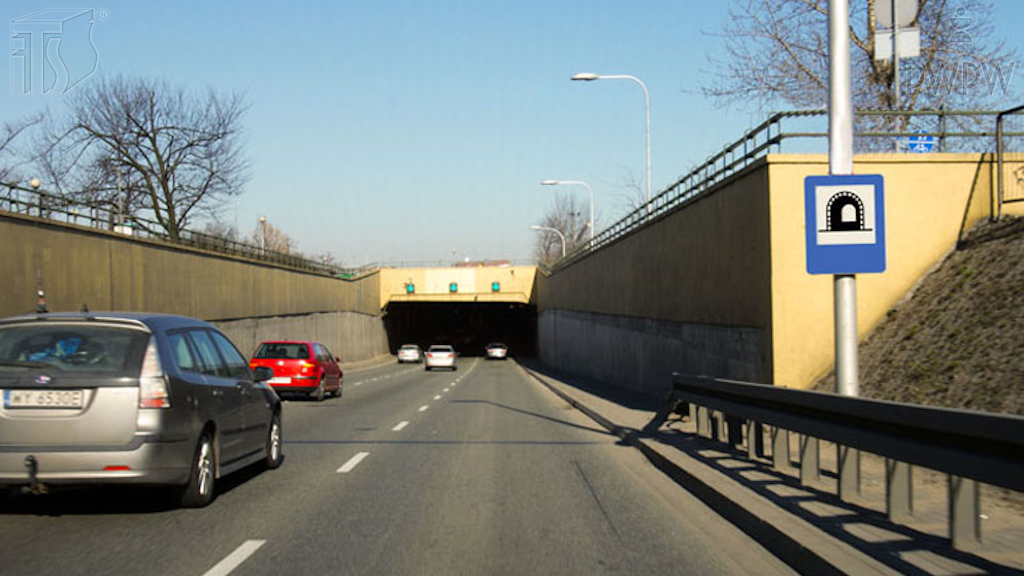 In case of the vehicle being stopped by traffic congestion, are you obliged beyond this sign to keep a distance of not less than 5 metres from the vehicle in front?КомментарийThe required lateral clearance depends on the road user being passed and the manoeuvre shown. The driver must leave enough space to avoid endangering the other road user and maintain control throughout the manoeuvre.In case of the vehicle being stopped by traffic congestion, are you obliged beyond this sign to keep a distance of not less than 5 metres from the vehicle in front?
-
Are you allowed in this situation to drop off a passenger in this lay-by?КомментарийThe decisive point is the specific traffic rule described in the question and the conditions in which it applies. Consider the vehicle, road type and surrounding traffic before choosing the applicable rule.Are you allowed in this situation to drop off a passenger in this lay-by?
-
Can you overtake the vehicle in front of you in this situation?КомментарийBefore overtaking, check the road markings, signs, visibility, the vehicle behind and the space needed to return safely. The manoeuvre must be completed without forcing another road user to brake or change direction.Can you overtake the vehicle in front of you in this situation?
-
Is it reasonable to use the horn repeatedly instead of stopping the vehicle?КомментарийAn audible warning signal should be used only in situations permitted by the traffic rules and when it is necessary for safety. It should not be used merely to express impatience or to force another road user to move.Is it reasonable to use the horn repeatedly instead of stopping the vehicle?
-
You intend to make a U-turn. Is there going to be a collision with the tram?КомментарийThe legality of the turn depends on the signs, road markings, lane position and the paths of other road users shown. Before turning, make sure the manoeuvre does not conflict with a protected or opposing movement.You intend to make a U-turn. Is there going to be a collision with the tram?
-
Is it allowed to use a sound signal in this situation?КомментарийThe decisive point is the specific traffic rule described in the question and the conditions in which it applies. Consider the vehicle, road type and surrounding traffic before choosing the applicable rule.Is it allowed to use a sound signal in this situation?
-
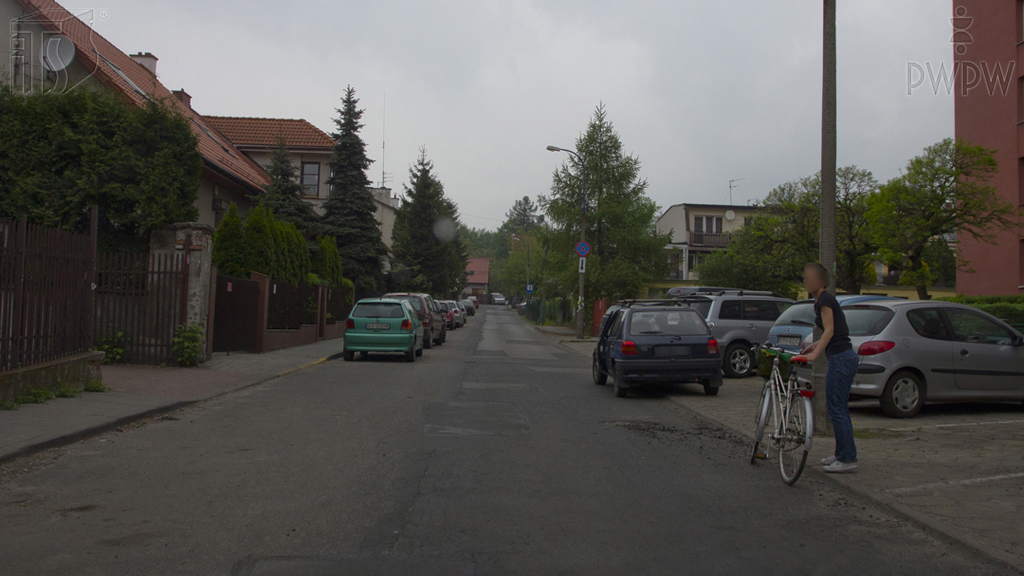 Should you increase the distance from the drunk cyclist when passing him?КомментарийThe required lateral clearance depends on the road user being passed and the manoeuvre shown. The driver must leave enough space to avoid endangering the other road user and maintain control throughout the manoeuvre.Should you increase the distance from the drunk cyclist when passing him?
-
Are you allowed in this situation to go before the rail vehicle on the left of the road?КомментарийAt a level crossing, the driver must assess the crossing itself, the warning signals and the possibility of a rail vehicle approaching. Raised barriers do not by themselves guarantee that the crossing is safe to enter.Are you allowed in this situation to go before the rail vehicle on the left of the road?
-
You intend to go straight ahead. Are you obliged to give way to the oncoming vehicle which is turning left?КомментарийThe legality of the turn depends on the signs, road markings, lane position and the paths of other road users shown. Before turning, make sure the manoeuvre does not conflict with a protected or opposing movement.You intend to go straight ahead. Are you obliged to give way to the oncoming vehicle which is turning left?
-
You intend to go straight ahead. Have you got priority over the vehicles at the intersection?КомментарийPriority is determined by the signs, signals, road markings and the paths of the vehicles shown. The important point is not simply who arrives first, but which movement is required to give way under the applicable rule.You intend to go straight ahead. Have you got priority over the vehicles at the intersection?
-
You intend to go straight ahead. Are you obliged to give way to the tram which is turning left?КомментарийThe legality of the turn depends on the signs, road markings, lane position and the paths of other road users shown. Before turning, make sure the manoeuvre does not conflict with a protected or opposing movement.You intend to go straight ahead. Are you obliged to give way to the tram which is turning left?
-
You intend to turn left. Have you got priority over the oncoming vehicle going straight?КомментарийThe legality of the turn depends on the signs, road markings, lane position and the paths of other road users shown. Before turning, make sure the manoeuvre does not conflict with a protected or opposing movement.You intend to turn left. Have you got priority over the oncoming vehicle going straight?
-
Are you obliged in this situation to give way to the tram?КомментарийPriority is determined by the signs, signals, road markings and the paths of the vehicles shown. The important point is not simply who arrives first, but which movement is required to give way under the applicable rule.Are you obliged in this situation to give way to the tram?
-
Have you got priority in this situation over the vehicle coming from the opposite direction, turning left?КомментарийThe legality of the turn depends on the signs, road markings, lane position and the paths of other road users shown. Before turning, make sure the manoeuvre does not conflict with a protected or opposing movement.Have you got priority in this situation over the vehicle coming from the opposite direction, turning left?
-
Are you allowed in this situation to go before the oncoming vehicle?КомментарийThe decisive point is the specific traffic rule described in the question and the conditions in which it applies. Consider the vehicle, road type and surrounding traffic before choosing the applicable rule.Are you allowed in this situation to go before the oncoming vehicle?
-
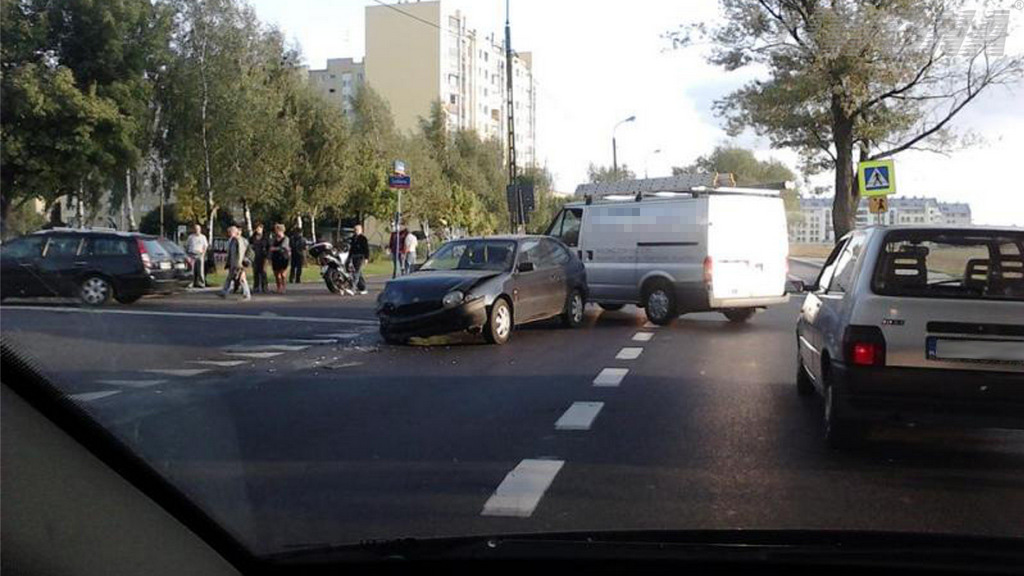 What can you not do when involved in an accident in which there are casualties?КомментарийThe decisive point is the specific traffic rule described in the question and the conditions in which it applies. Consider the vehicle, road type and surrounding traffic before choosing the applicable rule.What can you not do when involved in an accident in which there are casualties?
-
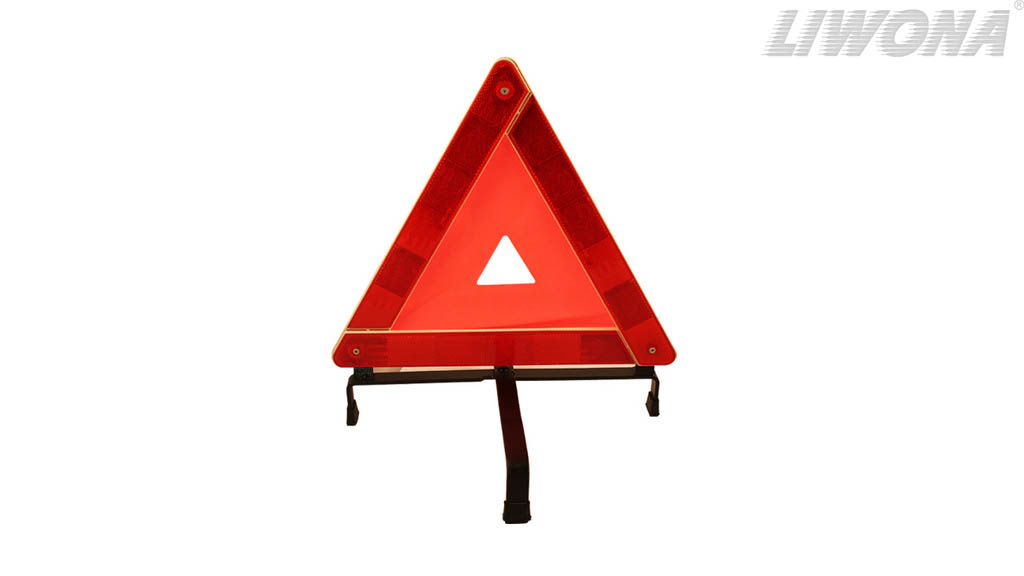 What is the purpose of the triangle, which is a mandatory equipment for passenger cars?КомментарийThe decisive point is the specific traffic rule described in the question and the conditions in which it applies. Consider the vehicle, road type and surrounding traffic before choosing the applicable rule.What is the purpose of the triangle, which is a mandatory equipment for passenger cars?
-
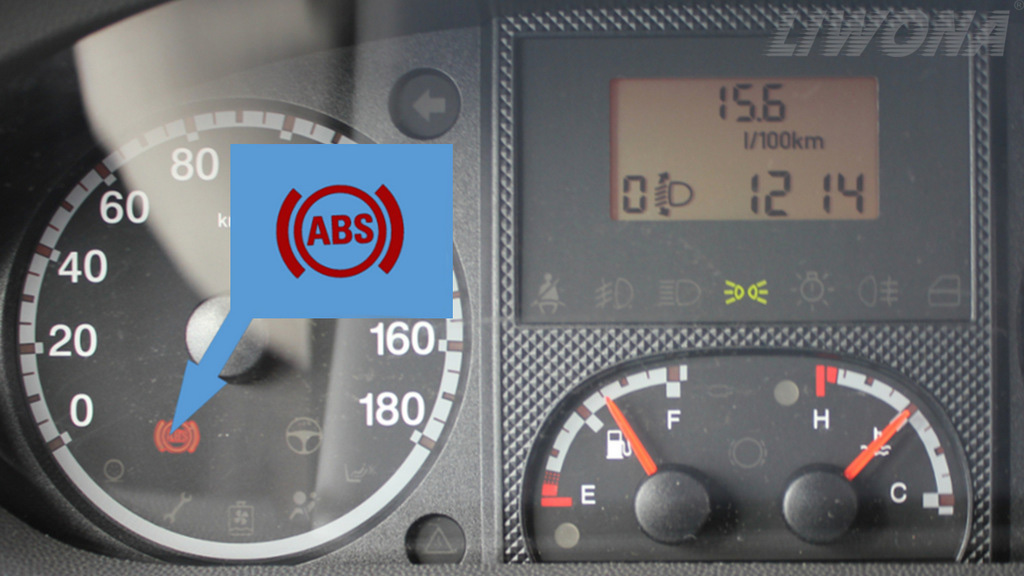 With which system in a passenger car does the anti-lock "ABS" operate?КомментарийThe decisive point is the specific traffic rule described in the question and the conditions in which it applies. Consider the vehicle, road type and surrounding traffic before choosing the applicable rule.With which system in a passenger car does the anti-lock "ABS" operate?
-
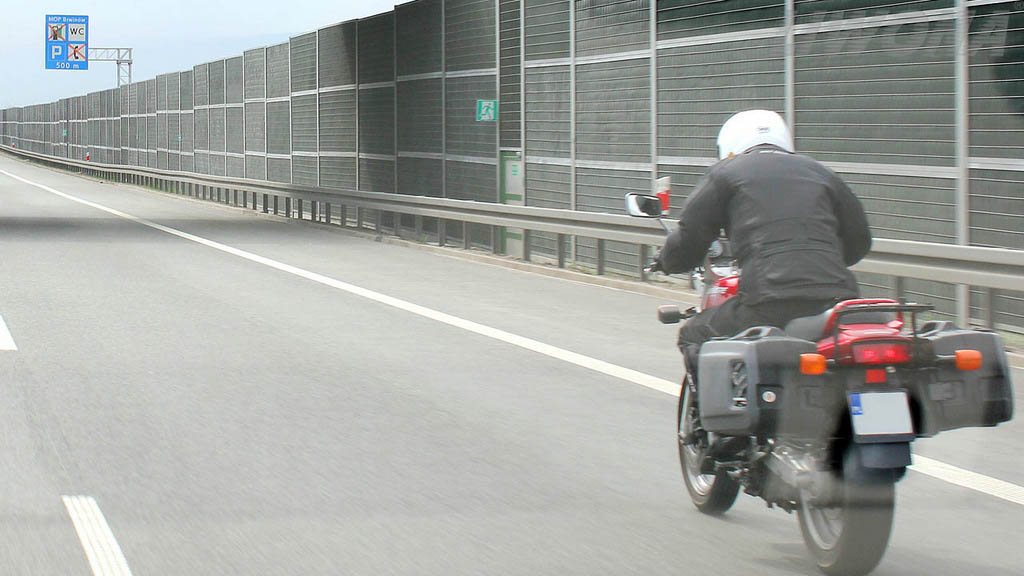 What distance should you maintain when overtaking a motorcyclist?КомментарийThe required lateral clearance depends on the road user being passed and the manoeuvre shown. The driver must leave enough space to avoid endangering the other road user and maintain control throughout the manoeuvre.What distance should you maintain when overtaking a motorcyclist?
-
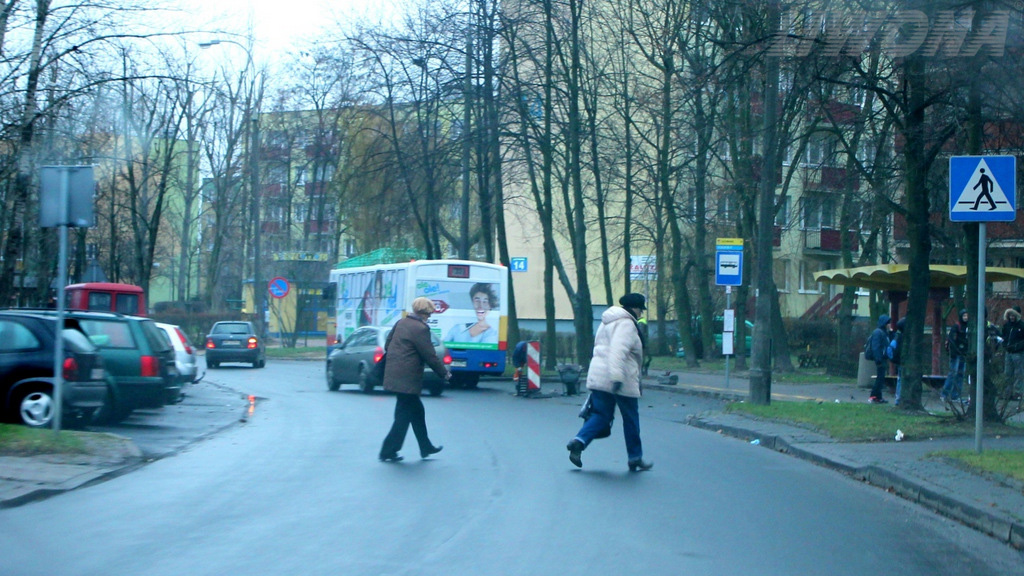 Which braking method do you apply in the event of an ABS failure on a slippery surface?КомментарийOn a slippery surface, available grip is limited. Smooth steering, gentle acceleration and braking, a lower speed and a larger safety margin reduce the risk of losing control.Which braking method do you apply in the event of an ABS failure on a slippery surface?
-
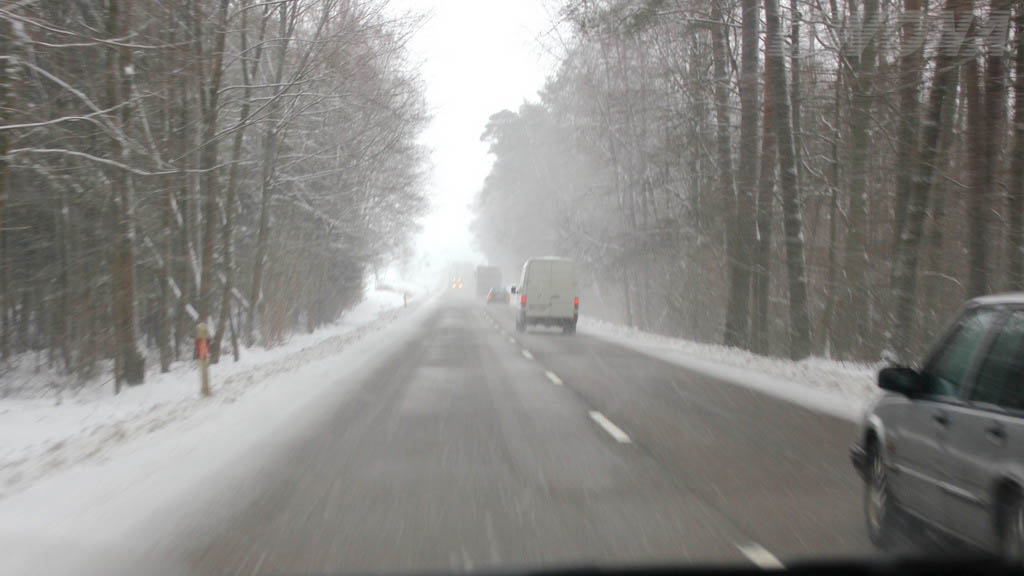 When are you obliged to change to the right lane after an overtaking monoeuvre?КомментарийBefore overtaking, check the road markings, signs, visibility, the vehicle behind and the space needed to return safely. The manoeuvre must be completed without forcing another road user to brake or change direction.When are you obliged to change to the right lane after an overtaking monoeuvre?
-
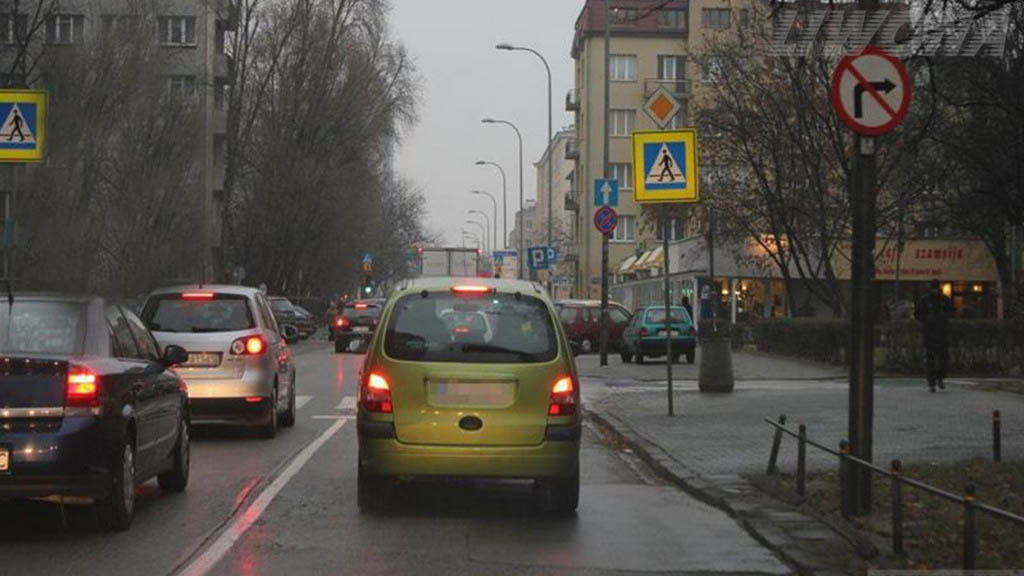 Whic of these factors has a direct impact on the total stopping distance of a passenger car?КомментарийThe required lateral clearance depends on the road user being passed and the manoeuvre shown. The driver must leave enough space to avoid endangering the other road user and maintain control throughout the manoeuvre.Whic of these factors has a direct impact on the total stopping distance of a passenger car?
-
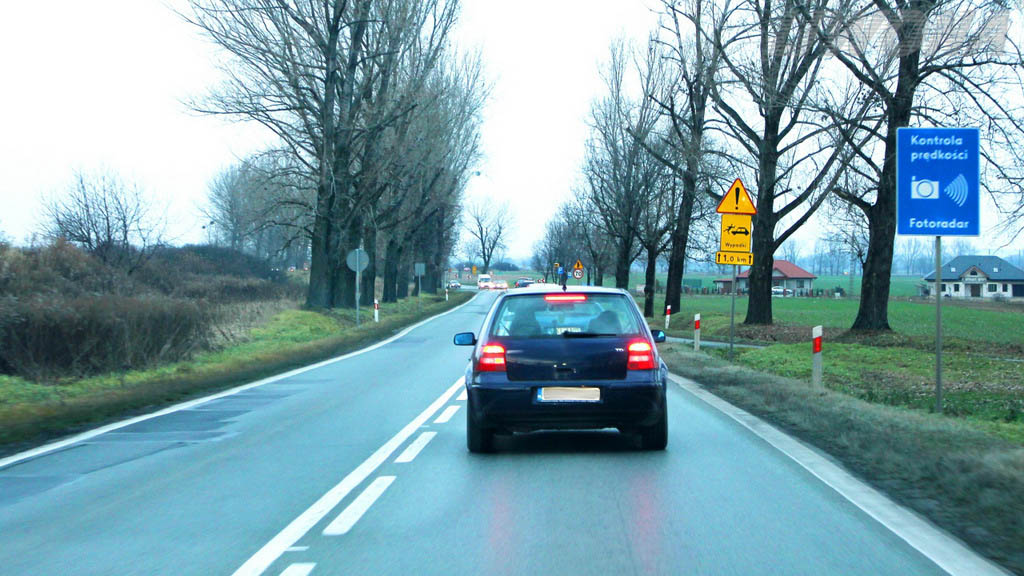 Which of these factors has a decisive influence on the determination of the distance from the vehicle in front of us?КомментарийThe required lateral clearance depends on the road user being passed and the manoeuvre shown. The driver must leave enough space to avoid endangering the other road user and maintain control throughout the manoeuvre.Which of these factors has a decisive influence on the determination of the distance from the vehicle in front of us?
-
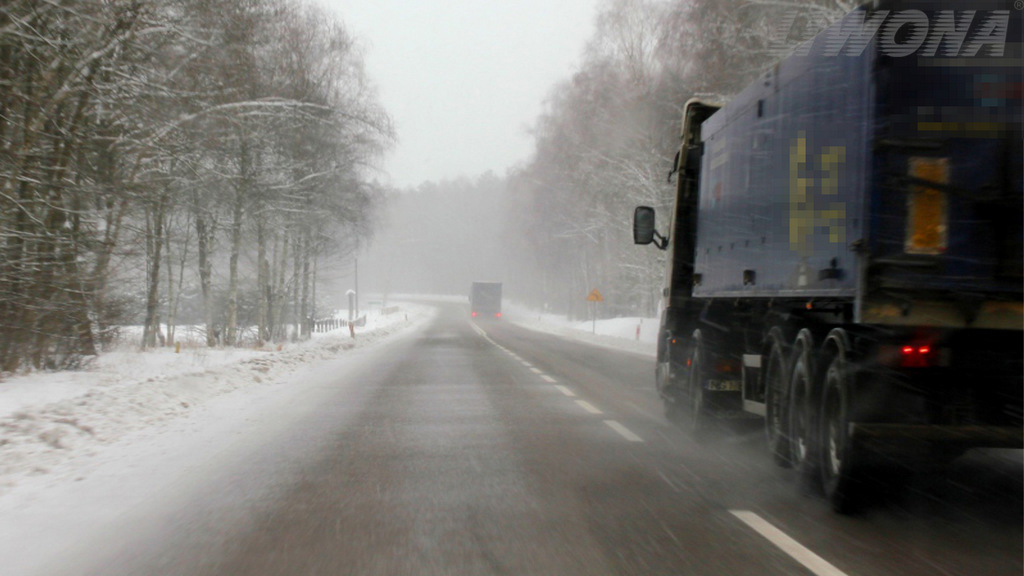 Which of these factors should you take into account when executing an overtaking manoeuvre?КомментарийBefore overtaking, check the road markings, signs, visibility, the vehicle behind and the space needed to return safely. The manoeuvre must be completed without forcing another road user to brake or change direction.Which of these factors should you take into account when executing an overtaking manoeuvre?
-
By how much does the braking distance increase, if you double the speed?КомментарийThe required lateral clearance depends on the road user being passed and the manoeuvre shown. The driver must leave enough space to avoid endangering the other road user and maintain control throughout the manoeuvre.By how much does the braking distance increase, if you double the speed?
-
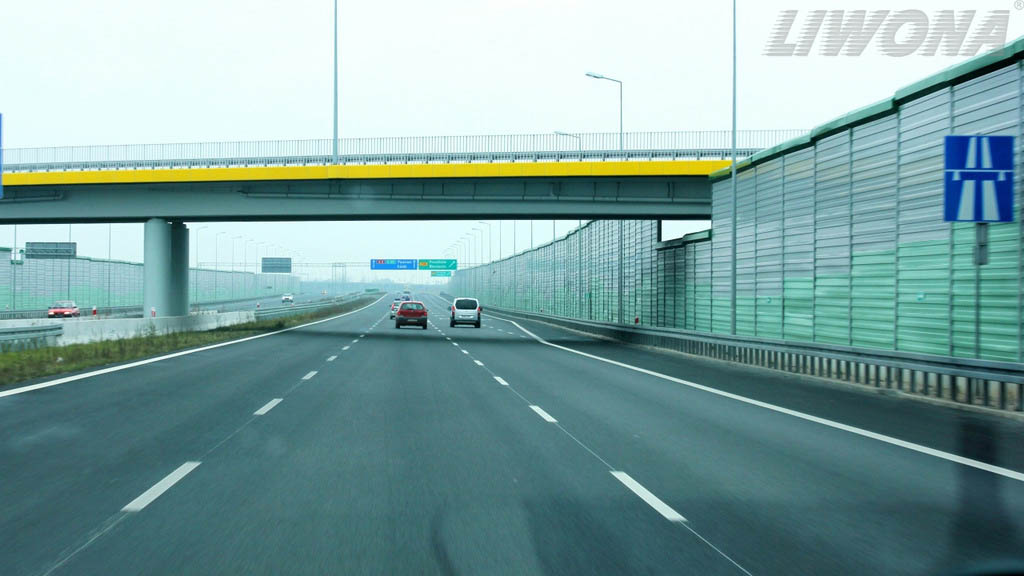 You are travelling on the highway and intend to exit it. At what point do you start braking before the exit from the highway?КомментарийThe need to brake depends on the hazard visible ahead, the road surface and the stopping distance available. Braking should begin early enough to keep the vehicle under control and avoid a conflict with other road users.You are travelling on the highway and intend to exit it. At what point do you start braking before the exit from the highway?
-
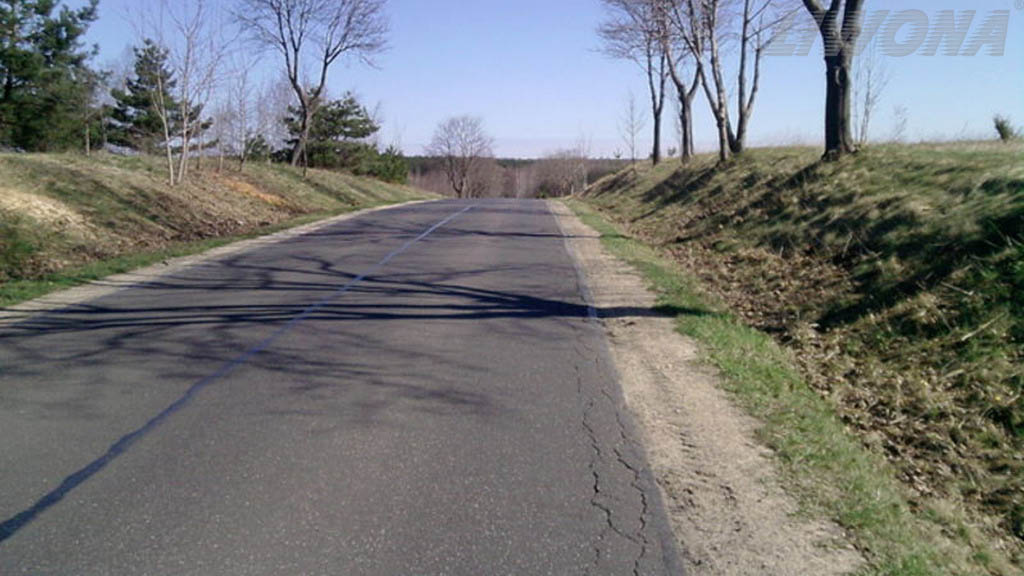 Is the lie of the land a factor that you should take into account when choosing your speed on a road?КомментарийThe decisive point is the specific traffic rule described in the question and the conditions in which it applies. Consider the vehicle, road type and surrounding traffic before choosing the applicable rule.Is the lie of the land a factor that you should take into account when choosing your speed on a road?
Test №22
1 / 32 тест


