-
When turning left, was the path you chose proper?КомментарийThe legality of the turn depends on the signs, road markings, lane position and the paths of other road users shown. Before turning, make sure the manoeuvre does not conflict with a protected or opposing movement.When turning left, was the path you chose proper?
-
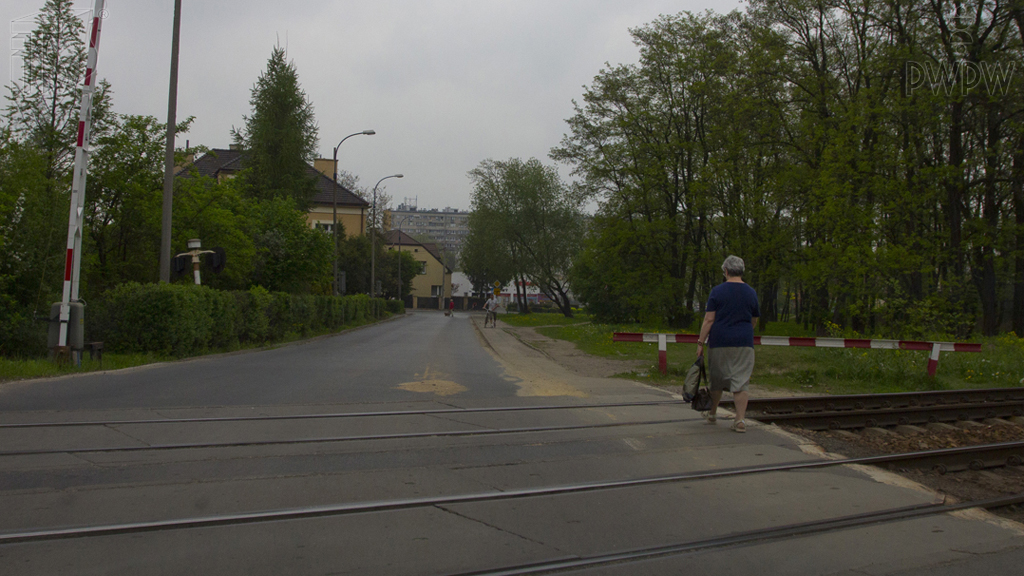 Are you allowed to stop directly beyond this level crossing to drop off a passenger?КомментарийAt a level crossing, the driver must assess the crossing itself, the warning signals and the possibility of a rail vehicle approaching. Raised barriers do not by themselves guarantee that the crossing is safe to enter.Are you allowed to stop directly beyond this level crossing to drop off a passenger?
-
Was the path of your car proper when you turned left at the intersection?КомментарийThe decisive point is the specific traffic rule described in the question and the conditions in which it applies. Consider the vehicle, road type and surrounding traffic before choosing the applicable rule.Was the path of your car proper when you turned left at the intersection?
-
Was leaving the intersection in the right lane forbidden in the presented situation?КомментарийBefore changing lane, check the road markings, the direction assigned to each lane and the position of other vehicles. The manoeuvre is only safe when the target lane is suitable and can be entered without forcing another road user to react.Was leaving the intersection in the right lane forbidden in the presented situation?
-
Was it necessary before changing lanes at the intersection to make sure that it was safe?КомментарийBefore changing lane, check the road markings, the direction assigned to each lane and the position of other vehicles. The manoeuvre is only safe when the target lane is suitable and can be entered without forcing another road user to react.Was it necessary before changing lanes at the intersection to make sure that it was safe?
-
Is using an indicator necessary before turning right at the intersection?КомментарийThe legality of the turn depends on the signs, road markings, lane position and the paths of other road users shown. Before turning, make sure the manoeuvre does not conflict with a protected or opposing movement.Is using an indicator necessary before turning right at the intersection?
-
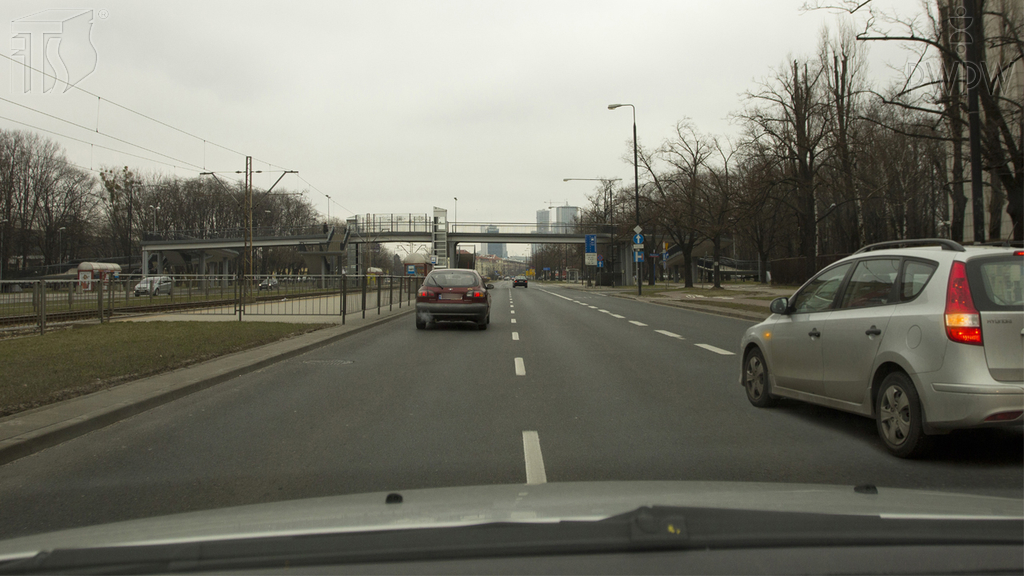 You are changing from the left lane to the middle lane. Did you have the right of way over the vehicle entering the lane from the right in this situation?КомментарийBefore changing lane, check the road markings, the direction assigned to each lane and the position of other vehicles. The manoeuvre is only safe when the target lane is suitable and can be entered without forcing another road user to react.You are changing from the left lane to the middle lane. Did you have the right of way over the vehicle entering the lane from the right in this situation?
-
Are you obliged in this situation in the built-up area to stop if the need be, in order to allow the bus to join the traffic?КомментарийThe road environment indicated by the sign changes which traffic rules and restrictions apply. Identify the zone first, then apply the rule to the vehicle and manoeuvre shown.Are you obliged in this situation in the built-up area to stop if the need be, in order to allow the bus to join the traffic?
-
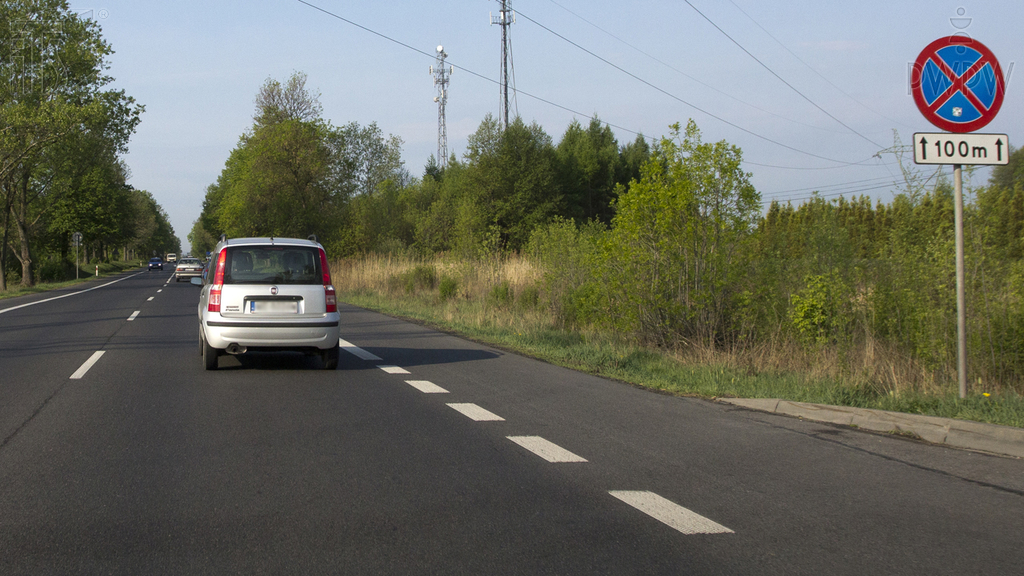 Does the board under the prohibitory sign indicate the length of the road on which the prohibition is binding?КомментарийThe warning sign shown gives information about a hazard or road arrangement ahead. Its exact meaning must be read from the symbol and supplementary plate, rather than inferred only from the shape of the road.Does the board under the prohibitory sign indicate the length of the road on which the prohibition is binding?
-
You intend to turn left. Do you have to yield the right of way to the vehicles coming from the opposite direction?КомментарийThe legality of the turn depends on the signs, road markings, lane position and the paths of other road users shown. Before turning, make sure the manoeuvre does not conflict with a protected or opposing movement.You intend to turn left. Do you have to yield the right of way to the vehicles coming from the opposite direction?
-
You are going straight through the junction. Do you have the right of way over the oncoming vehicle turning left?КомментарийThe legality of the turn depends on the signs, road markings, lane position and the paths of other road users shown. Before turning, make sure the manoeuvre does not conflict with a protected or opposing movement.You are going straight through the junction. Do you have the right of way over the oncoming vehicle turning left?
-
You intend to turn left at the intersection. Are you obliged in this situation to give way to the oncoming vehicle going straight ahead?КомментарийThe legality of the turn depends on the signs, road markings, lane position and the paths of other road users shown. Before turning, make sure the manoeuvre does not conflict with a protected or opposing movement.You intend to turn left at the intersection. Are you obliged in this situation to give way to the oncoming vehicle going straight ahead?
-
You intend to turn left at the junction. Do you have to yield the right of way to the oncoming bus going straight?КомментарийThe legality of the turn depends on the signs, road markings, lane position and the paths of other road users shown. Before turning, make sure the manoeuvre does not conflict with a protected or opposing movement.You intend to turn left at the junction. Do you have to yield the right of way to the oncoming bus going straight?
-
Are you allowed in this situation to use a warning sound signal?КомментарийThe decisive point is the specific traffic rule described in the question and the conditions in which it applies. Consider the vehicle, road type and surrounding traffic before choosing the applicable rule.Are you allowed in this situation to use a warning sound signal?
-
Should you begin braking in the presented situation?КомментарийThe need to brake depends on the hazard visible ahead, the road surface and the stopping distance available. Braking should begin early enough to keep the vehicle under control and avoid a conflict with other road users.Should you begin braking in the presented situation?
-
Are you allowed to continue driving without any reaction to the behaviour of the pedestrian?КомментарийThe driver's duty depends on the pedestrian's position, the type of crossing and the movement shown. Approach slowly enough to stop and do not use the vehicle's movement to force a pedestrian to change speed or direction.Are you allowed to continue driving without any reaction to the behaviour of the pedestrian?
-
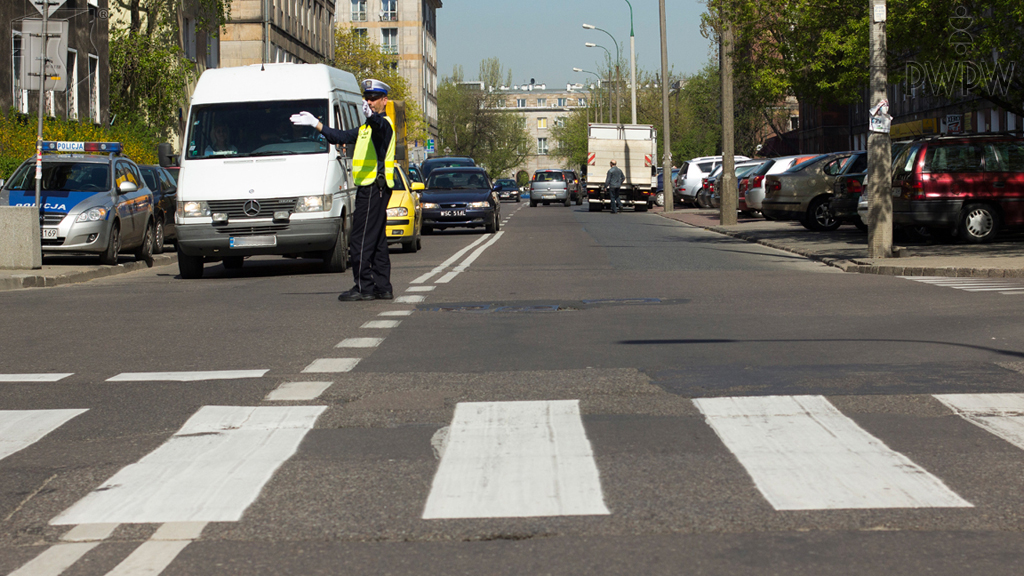 Are you allowed to turn left in this situation?КомментарийThe legality of the turn depends on the signs, road markings, lane position and the paths of other road users shown. Before turning, make sure the manoeuvre does not conflict with a protected or opposing movement.Are you allowed to turn left in this situation?
-
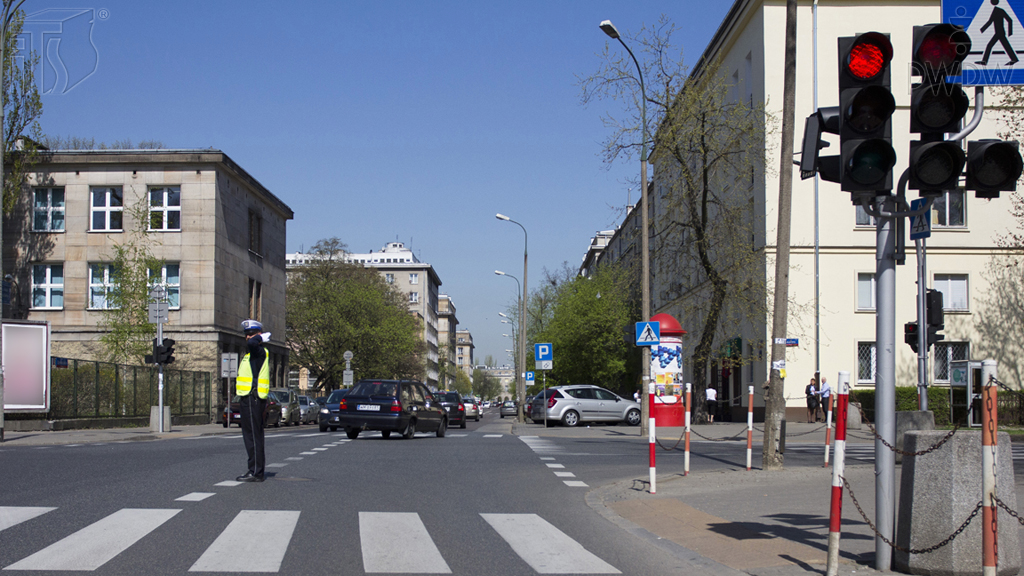 Are you allowed to turn right in this situation?КомментарийThe legality of the turn depends on the signs, road markings, lane position and the paths of other road users shown. Before turning, make sure the manoeuvre does not conflict with a protected or opposing movement.Are you allowed to turn right in this situation?
-
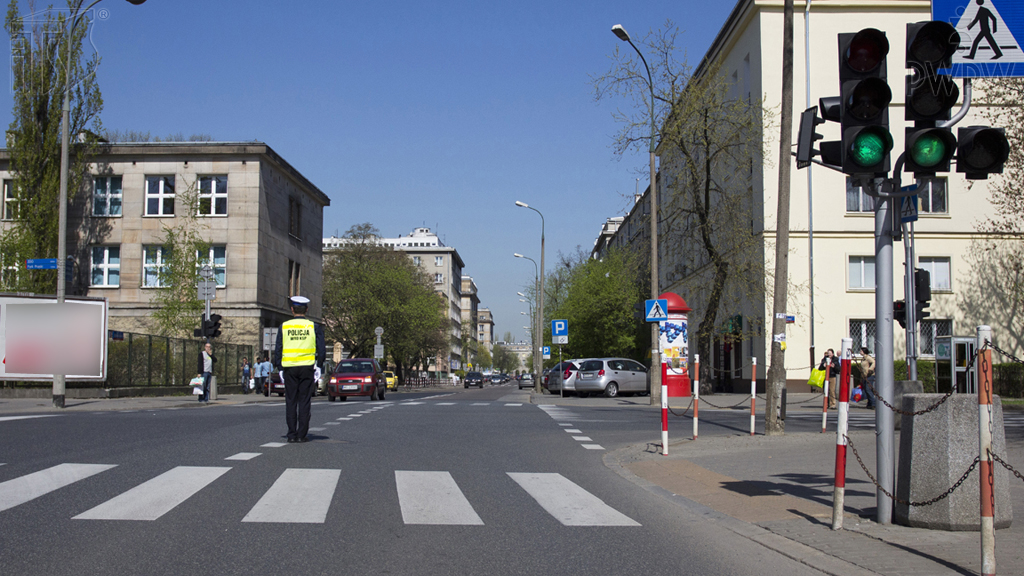 Are you allowed to turn right in this situation?КомментарийThe legality of the turn depends on the signs, road markings, lane position and the paths of other road users shown. Before turning, make sure the manoeuvre does not conflict with a protected or opposing movement.Are you allowed to turn right in this situation?
-
Can you pass the stationary obstacle by using the part of the road intended only for the oncoming vehicles?КомментарийThe decisive point is the specific traffic rule described in the question and the conditions in which it applies. Consider the vehicle, road type and surrounding traffic before choosing the applicable rule.Can you pass the stationary obstacle by using the part of the road intended only for the oncoming vehicles?
-
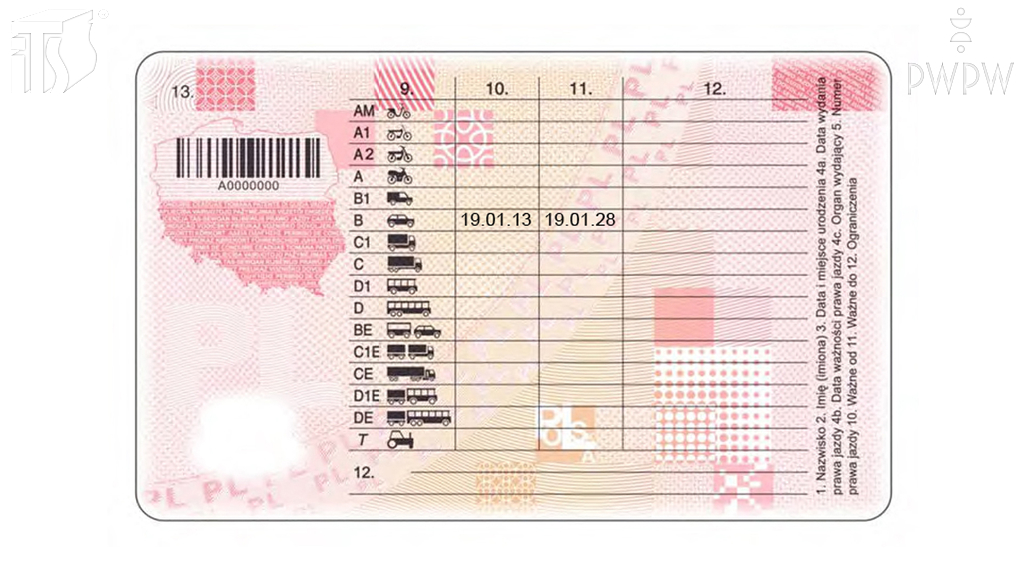 What is the maximum number of persons, including yourself, that you may transport if you have a B-category driving licence?КомментарийOn a slippery surface, available grip is limited. Smooth steering, gentle acceleration and braking, a lower speed and a larger safety margin reduce the risk of losing control.What is the maximum number of persons, including yourself, that you may transport if you have a B-category driving licence?
-
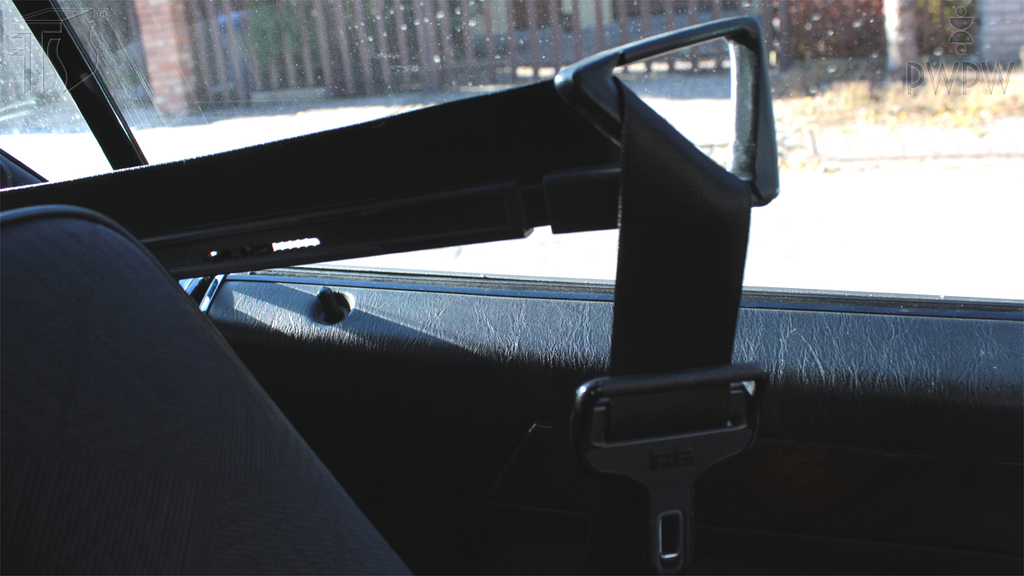 On what public roads is wearing seatbelts mandatory?КомментарийThe decisive point is the specific traffic rule described in the question and the conditions in which it applies. Consider the vehicle, road type and surrounding traffic before choosing the applicable rule.On what public roads is wearing seatbelts mandatory?
-
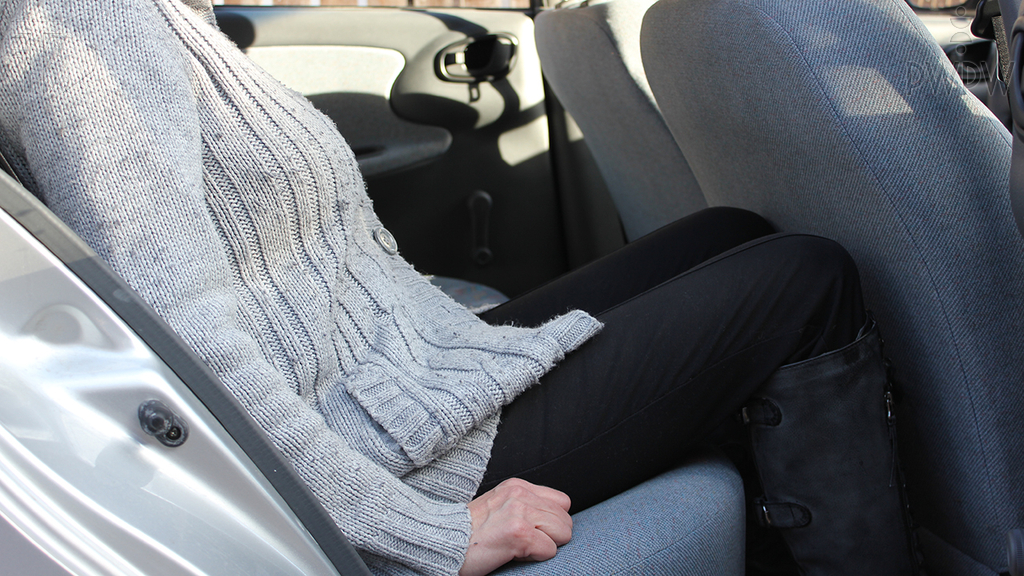 Can you transport a preschooler on the lap of an adult person?КомментарийThe decisive point is the specific traffic rule described in the question and the conditions in which it applies. Consider the vehicle, road type and surrounding traffic before choosing the applicable rule.Can you transport a preschooler on the lap of an adult person?
-
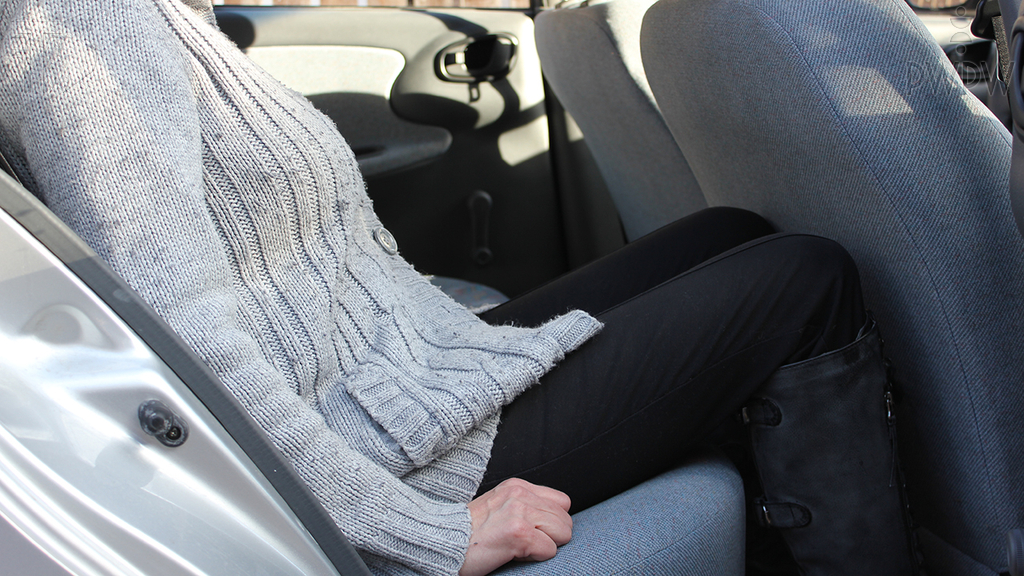 Can you transport an infant on the lap of an adult person?КомментарийThe decisive point is the specific traffic rule described in the question and the conditions in which it applies. Consider the vehicle, road type and surrounding traffic before choosing the applicable rule.Can you transport an infant on the lap of an adult person?
-
 How is it recommended to transport an infant in a passenger car?КомментарийThe decisive point is the specific traffic rule described in the question and the conditions in which it applies. Consider the vehicle, road type and surrounding traffic before choosing the applicable rule.How is it recommended to transport an infant in a passenger car?
-
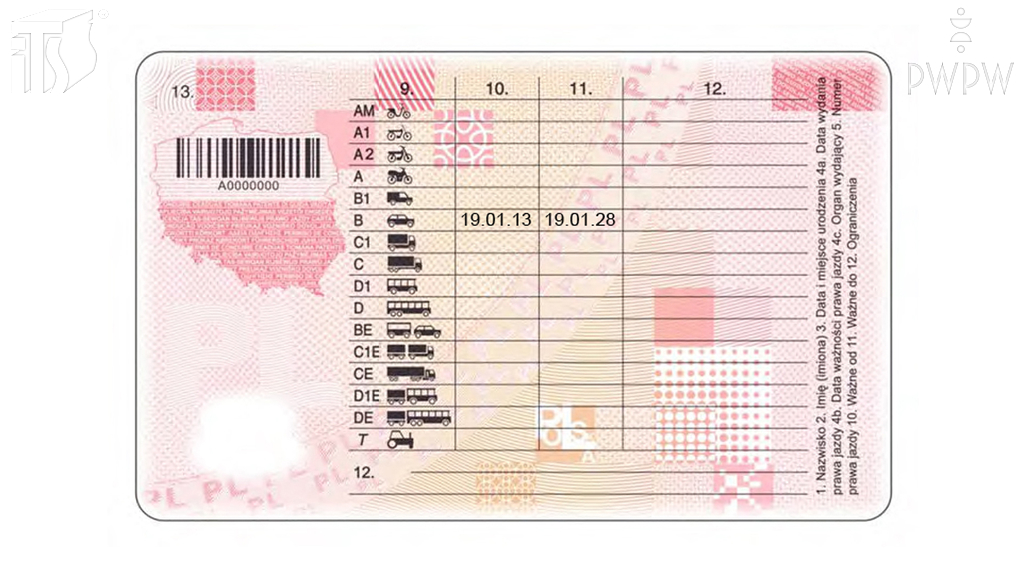 Which of the following combination vehicles can you drive if you have a B-category driving licence?КомментарийOn a slippery surface, available grip is limited. Smooth steering, gentle acceleration and braking, a lower speed and a larger safety margin reduce the risk of losing control.Which of the following combination vehicles can you drive if you have a B-category driving licence?
-
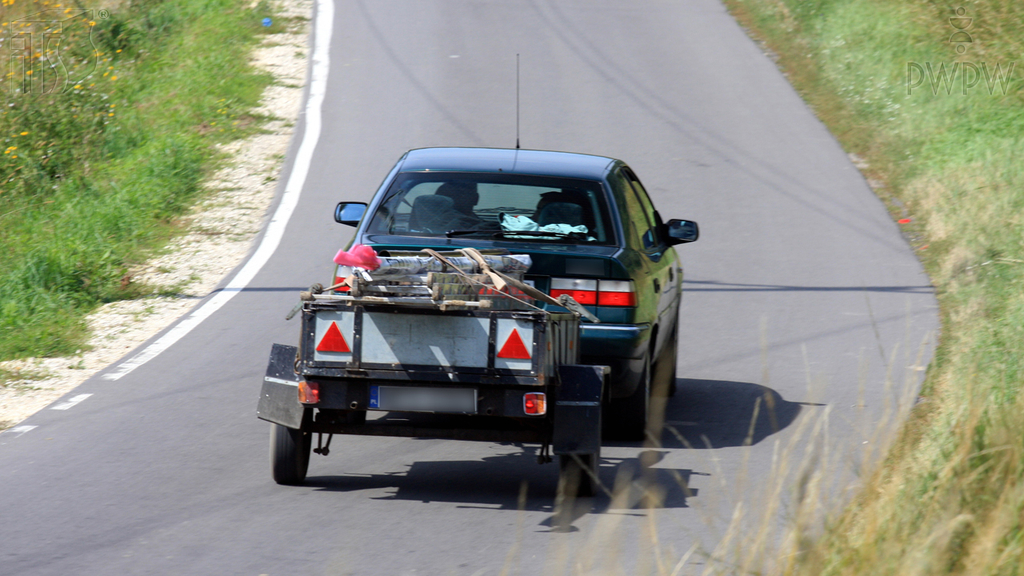 What is the maximum overhang of a load transported in a motor vehicle, counting from the rear outline of the car?КомментарийA trailer load must be distributed and secured so that it remains stable while driving. It must not shift, fall, obstruct lights or registration plates, or exceed the permitted loads.What is the maximum overhang of a load transported in a motor vehicle, counting from the rear outline of the car?
-
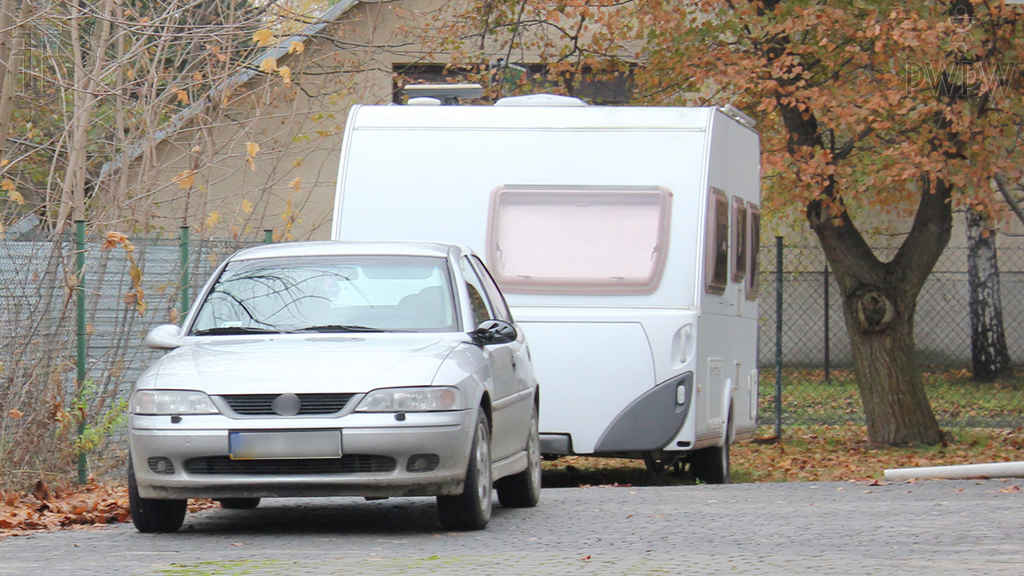 What is the maximum length of a combination vehicle consisting of a passenger car and a caravan?КомментарийThe decisive point is the specific traffic rule described in the question and the conditions in which it applies. Consider the vehicle, road type and surrounding traffic before choosing the applicable rule.What is the maximum length of a combination vehicle consisting of a passenger car and a caravan?
-
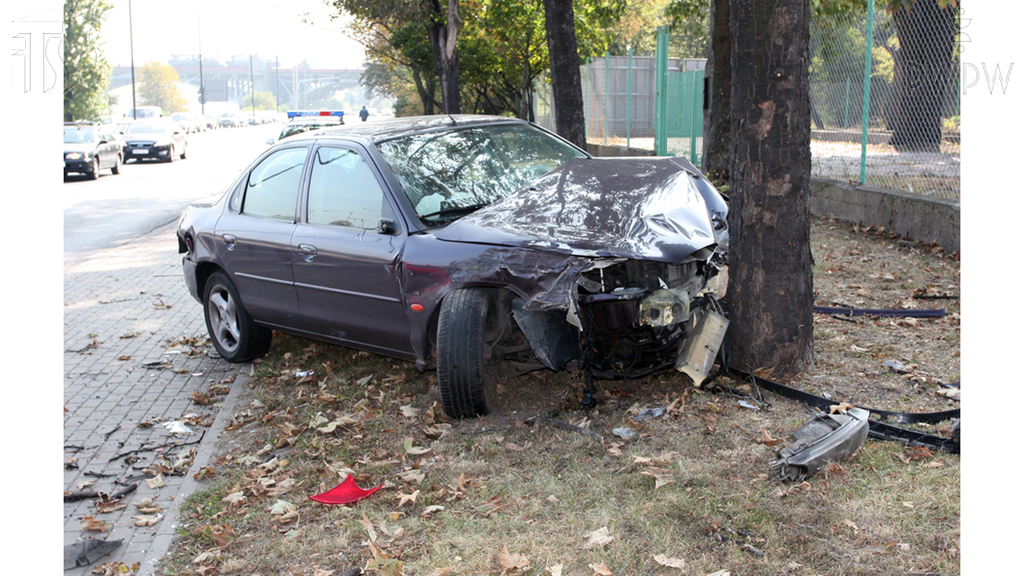 What are responsibilities of the person involved in the traffic accident in which there are victims?КомментарийThe decisive point is the specific traffic rule described in the question and the conditions in which it applies. Consider the vehicle, road type and surrounding traffic before choosing the applicable rule.What are responsibilities of the person involved in the traffic accident in which there are victims?
-
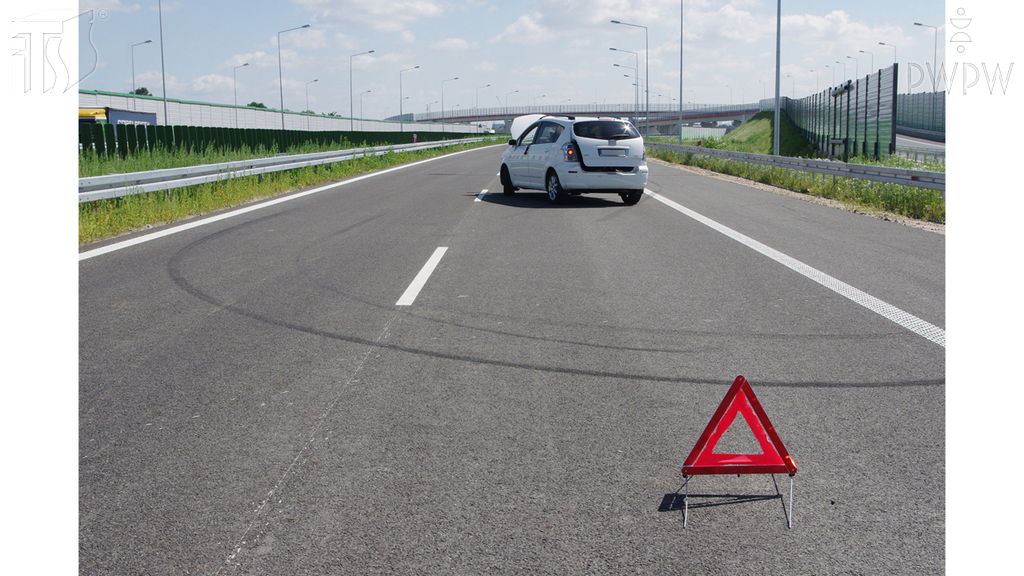 At what distance behind a broken-down passenger car, parked on a motorway, should you place a warning triangle?КомментарийThe required lateral clearance depends on the road user being passed and the manoeuvre shown. The driver must leave enough space to avoid endangering the other road user and maintain control throughout the manoeuvre.At what distance behind a broken-down passenger car, parked on a motorway, should you place a warning triangle?
-
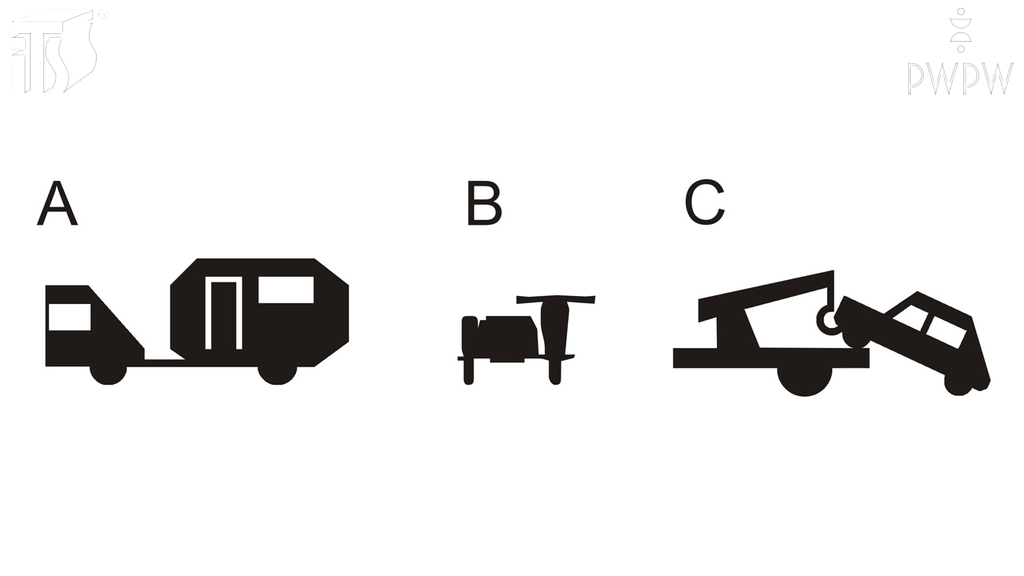 What do we call a combination vehicle?КомментарийThe decisive point is the specific traffic rule described in the question and the conditions in which it applies. Consider the vehicle, road type and surrounding traffic before choosing the applicable rule.What do we call a combination vehicle?
-
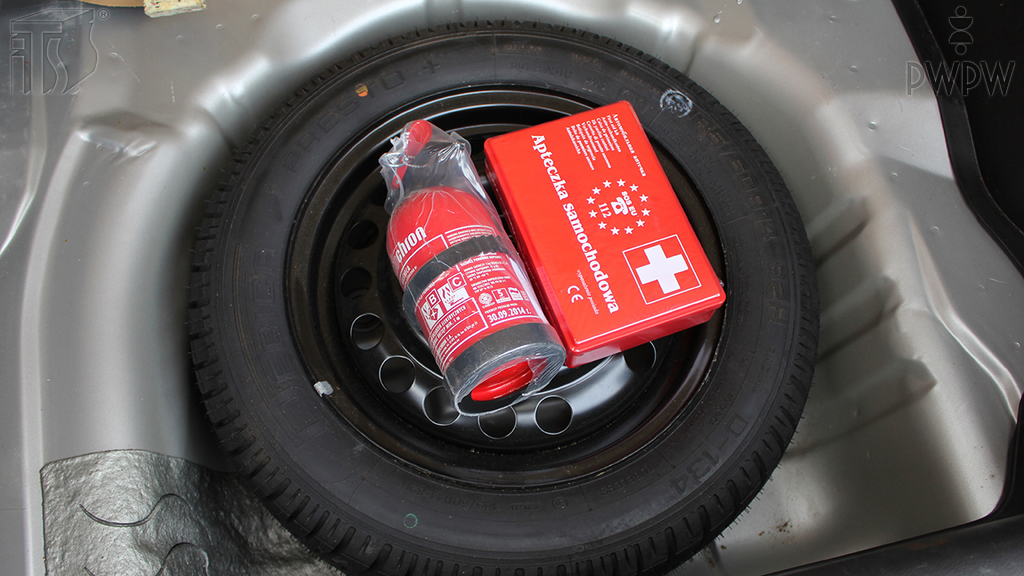 Which of the following are mandatory equipment in each passenger car?КомментарийThe decisive point is the specific traffic rule described in the question and the conditions in which it applies. Consider the vehicle, road type and surrounding traffic before choosing the applicable rule.Which of the following are mandatory equipment in each passenger car?
Test №12
1 / 32 тест


