
-
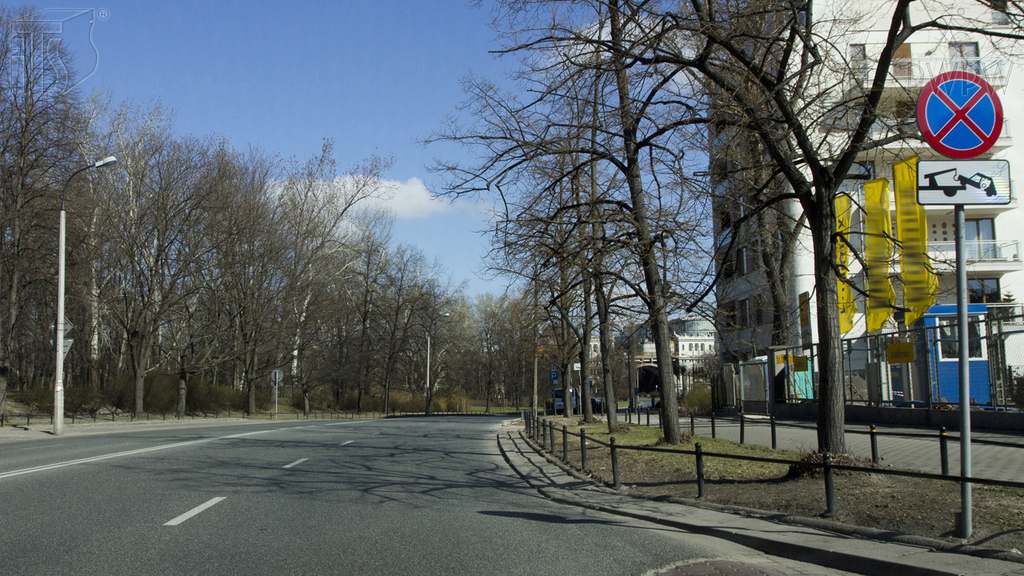 Are you allowed to stop the vehicle for 1 minute beyond this sign?КомментарийThe need to brake depends on the hazard visible ahead, the road surface and the stopping distance available. Braking should begin early enough to keep the vehicle under control and avoid a conflict with other road users.Are you allowed to stop the vehicle for 1 minute beyond this sign?
-
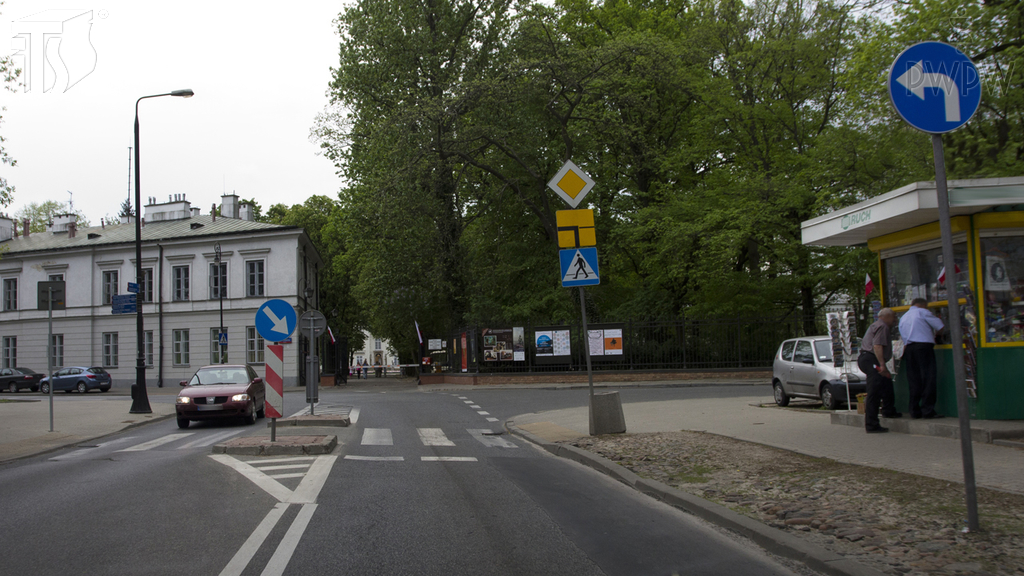 Are you only allowed to turn left at this intersection?КомментарийThe legality of the turn depends on the signs, road markings, lane position and the paths of other road users shown. Before turning, make sure the manoeuvre does not conflict with a protected or opposing movement.Are you only allowed to turn left at this intersection?
-
Can you drive your vehicle in such conditions with the fog lights switched on?КомментарийFog reduces visibility and makes it harder to judge the position and speed of other road users. Adapt speed to the visible distance and use lighting appropriate for the conditions.Can you drive your vehicle in such conditions with the fog lights switched on?
-
Are you allowed to continue driving in this situation, not paying attention to the behaviour of the pedestrian?КомментарийThe driver's duty depends on the pedestrian's position, the type of crossing and the movement shown. Approach slowly enough to stop and do not use the vehicle's movement to force a pedestrian to change speed or direction.Are you allowed to continue driving in this situation, not paying attention to the behaviour of the pedestrian?
-
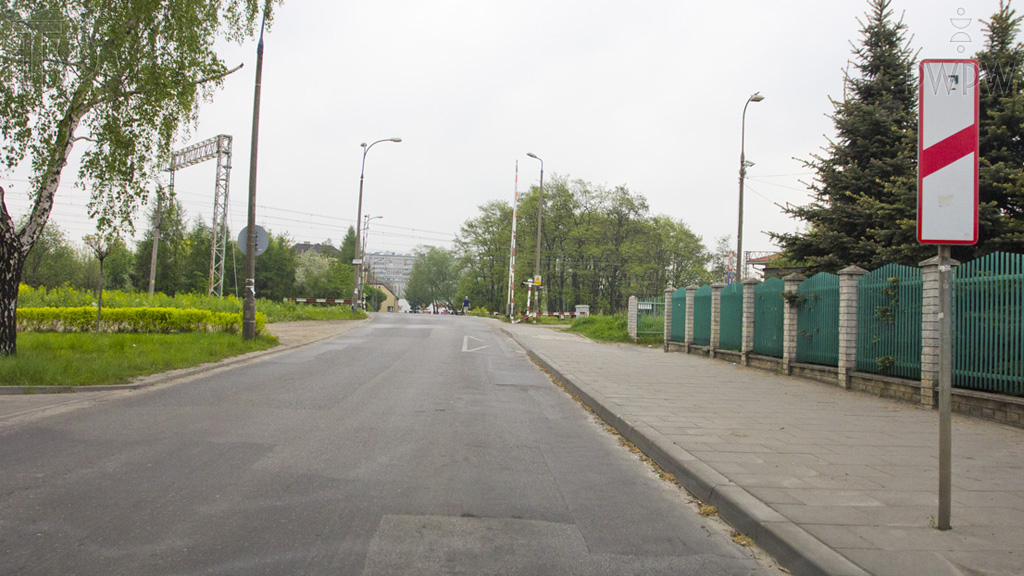 Are you allowed to park your vehicle for 5 minutes beyond this sign?КомментарийThe decisive point is the specific traffic rule described in the question and the conditions in which it applies. Consider the vehicle, road type and surrounding traffic before choosing the applicable rule.Are you allowed to park your vehicle for 5 minutes beyond this sign?
-
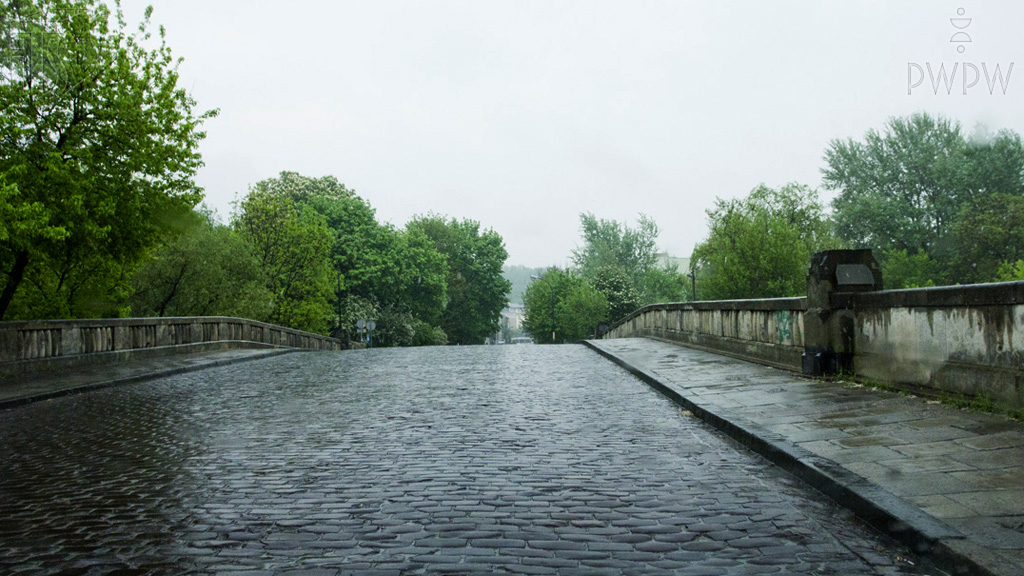 Are you allowed to stop your vehicle on this bridge, in order to drop off passengers?КомментарийThe decisive point is the specific traffic rule described in the question and the conditions in which it applies. Consider the vehicle, road type and surrounding traffic before choosing the applicable rule.Are you allowed to stop your vehicle on this bridge, in order to drop off passengers?
-
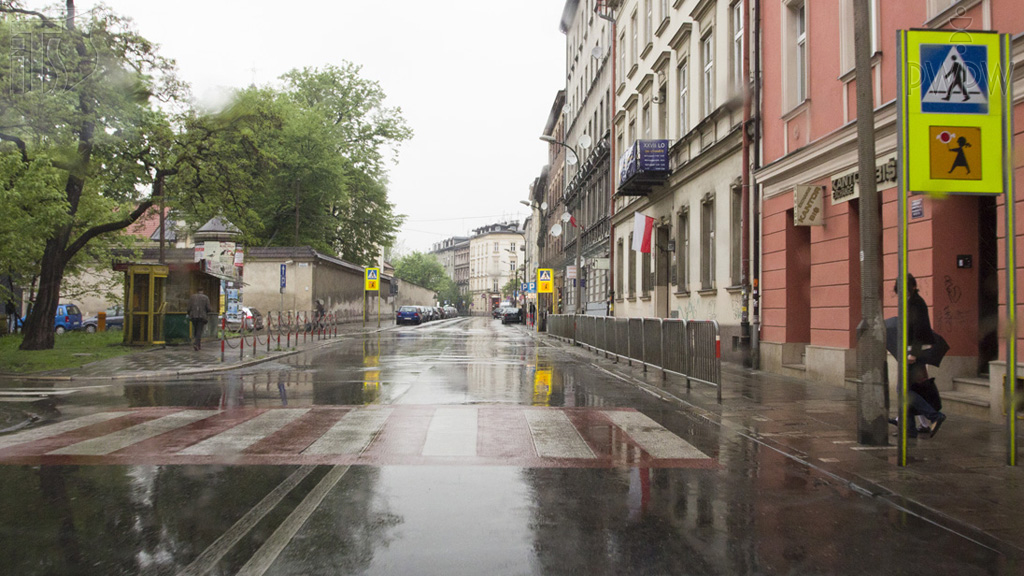 Are you allowed to stop the vehicle directly behind this pedestrian crossing?КомментарийThe driver's duty depends on the pedestrian's position, the type of crossing and the movement shown. Approach slowly enough to stop and do not use the vehicle's movement to force a pedestrian to change speed or direction.Are you allowed to stop the vehicle directly behind this pedestrian crossing?
-
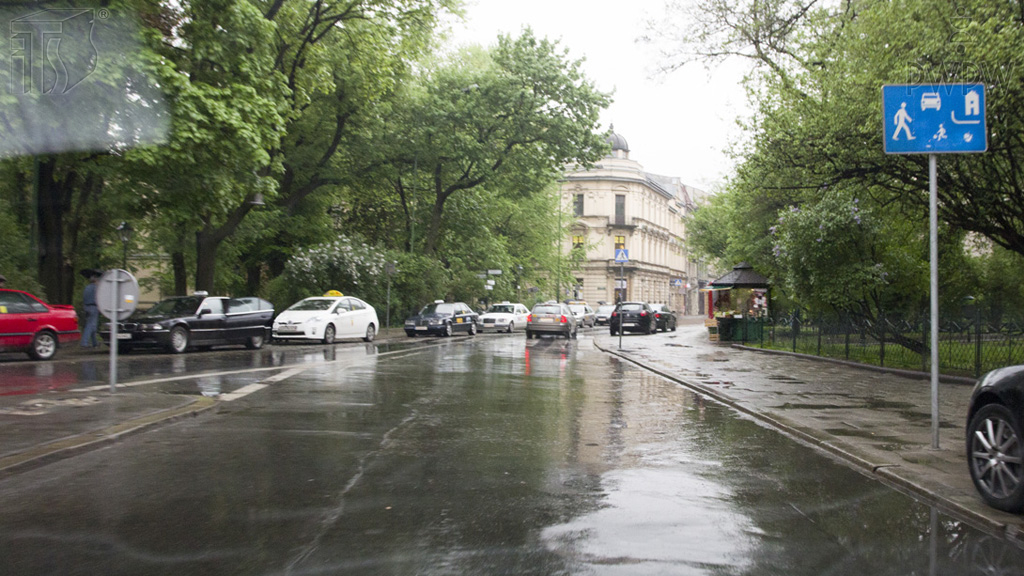 Are you allowed to park the vehicle beyond this sign if you leave enough space for pedestrians and vehicles?КомментарийThe driver's duty depends on the pedestrian's position, the type of crossing and the movement shown. Approach slowly enough to stop and do not use the vehicle's movement to force a pedestrian to change speed or direction.Are you allowed to park the vehicle beyond this sign if you leave enough space for pedestrians and vehicles?
-
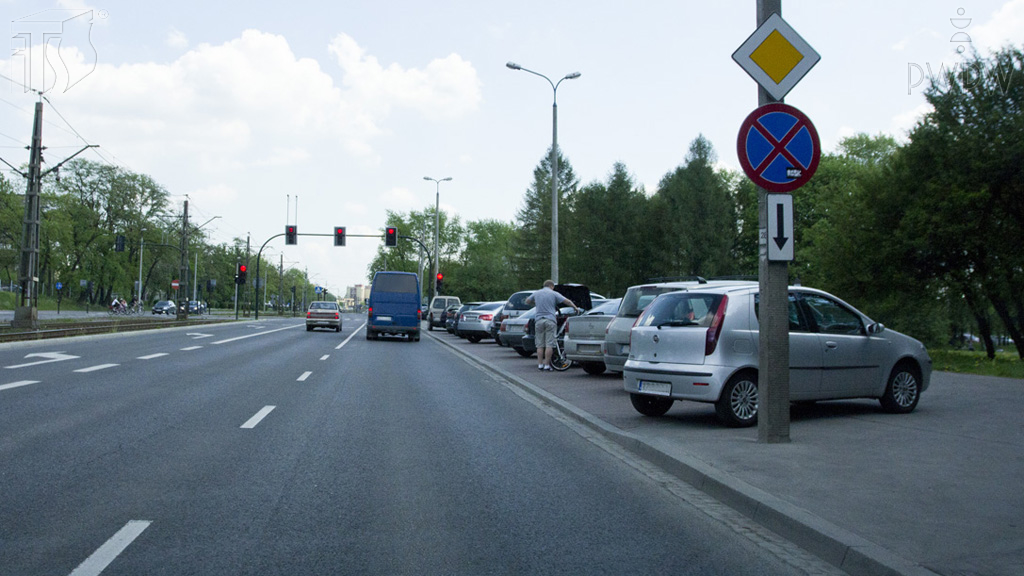 Are you allowed to park the vehicle on the pavement in front of these signs?КомментарийA pavement or pedestrian path is primarily intended for pedestrians. When a vehicle is permitted to cross it, the driver must do so without forcing pedestrians to stop, slow down or change their path.Are you allowed to park the vehicle on the pavement in front of these signs?
-
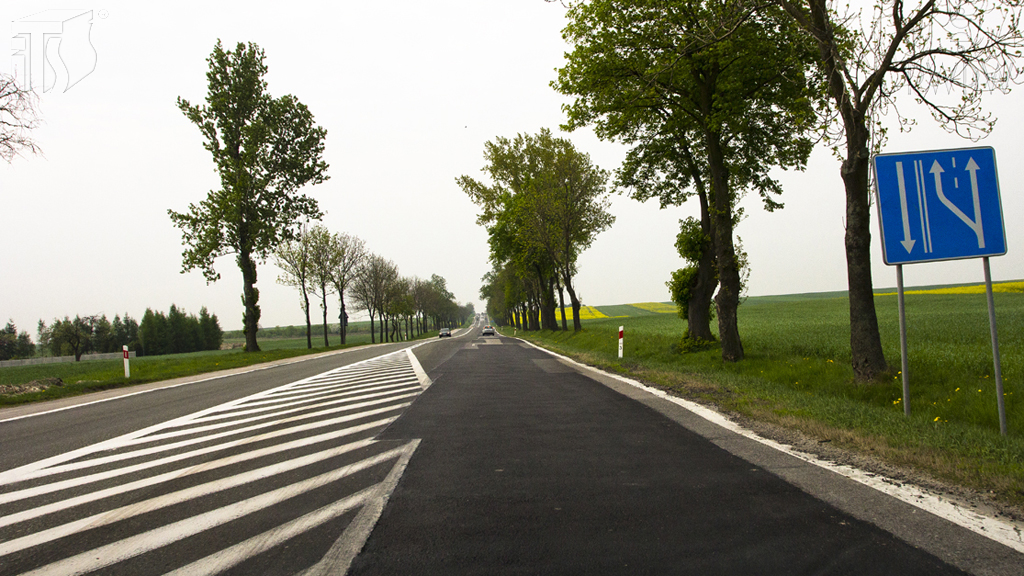 Are you obliged in this situation to take the left lane beyond this sign?КомментарийBefore changing lane, check the road markings, the direction assigned to each lane and the position of other vehicles. The manoeuvre is only safe when the target lane is suitable and can be entered without forcing another road user to react.Are you obliged in this situation to take the left lane beyond this sign?
-
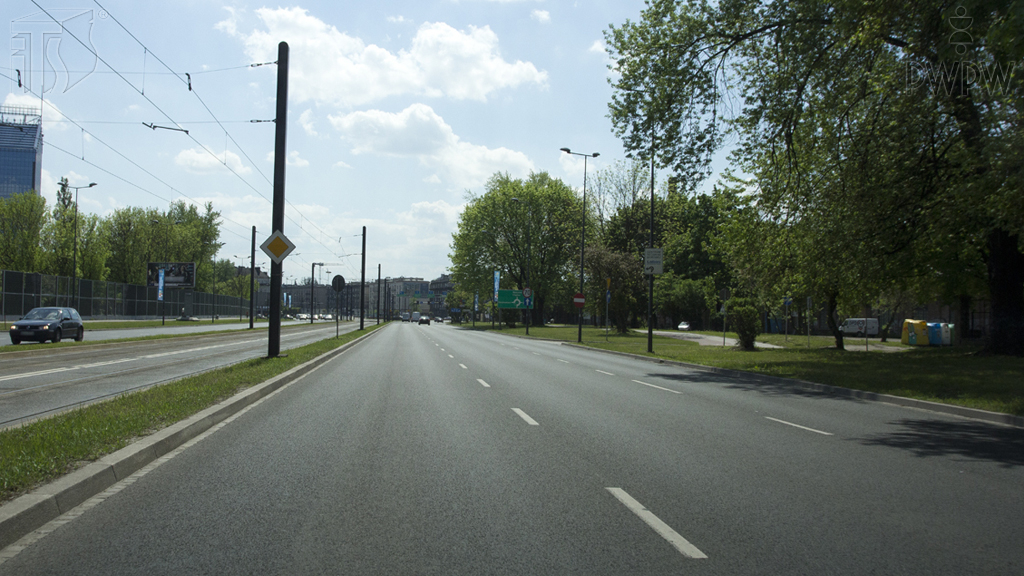 Where all the lanes for driving straight ahead are free, are you obliged to take the left lane?КомментарийBefore changing lane, check the road markings, the direction assigned to each lane and the position of other vehicles. The manoeuvre is only safe when the target lane is suitable and can be entered without forcing another road user to react.Where all the lanes for driving straight ahead are free, are you obliged to take the left lane?
-
Are you allowed in this situation to stay on the left lane, when there are no vehicles driving on the right lane?КомментарийBefore changing lane, check the road markings, the direction assigned to each lane and the position of other vehicles. The manoeuvre is only safe when the target lane is suitable and can be entered without forcing another road user to react.Are you allowed in this situation to stay on the left lane, when there are no vehicles driving on the right lane?
-
Are you allowed to park your vehicle directly behind this sign?КомментарийThe decisive point is the specific traffic rule described in the question and the conditions in which it applies. Consider the vehicle, road type and surrounding traffic before choosing the applicable rule.Are you allowed to park your vehicle directly behind this sign?
-
Are you allowed to park on the bridge in this place?КомментарийThe decisive point is the specific traffic rule described in the question and the conditions in which it applies. Consider the vehicle, road type and surrounding traffic before choosing the applicable rule.Are you allowed to park on the bridge in this place?
-
Should you change into the left lane in this situation, leaving the right lane for slower vehicles?КомментарийBefore changing lane, check the road markings, the direction assigned to each lane and the position of other vehicles. The manoeuvre is only safe when the target lane is suitable and can be entered without forcing another road user to react.Should you change into the left lane in this situation, leaving the right lane for slower vehicles?
-
Was it proper to change lanes in this situation?КомментарийBefore changing lane, check the road markings, the direction assigned to each lane and the position of other vehicles. The manoeuvre is only safe when the target lane is suitable and can be entered without forcing another road user to react.Was it proper to change lanes in this situation?
-
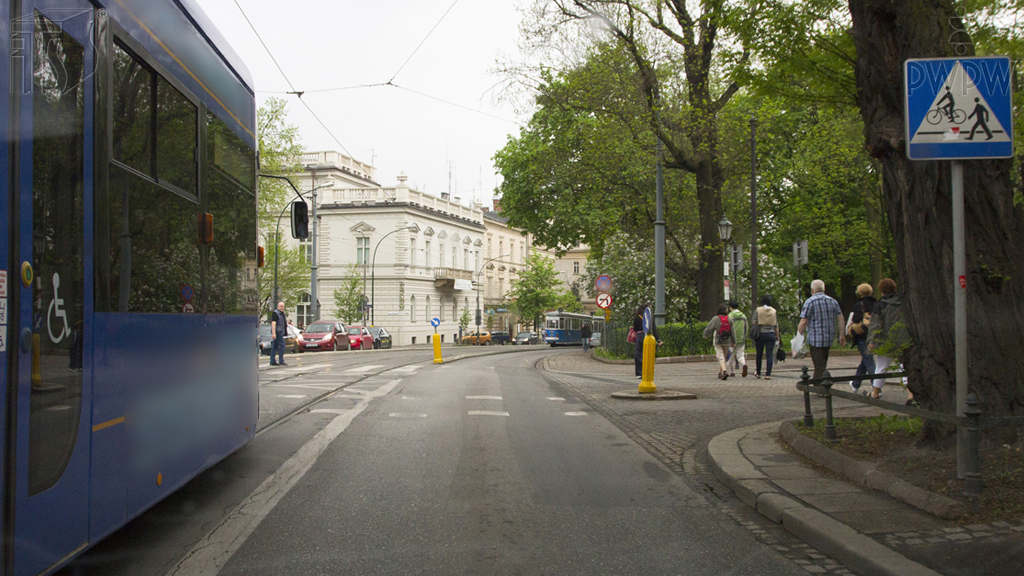 Should you take into account that the cyclist may emerge from behind the tram in this situation?КомментарийWhen dealing with a cyclist, consider the cyclist's position, the marked lane and the direction of travel. The driver must leave the required space and avoid a manoeuvre that would cut across the cyclist's path.Should you take into account that the cyclist may emerge from behind the tram in this situation?
-
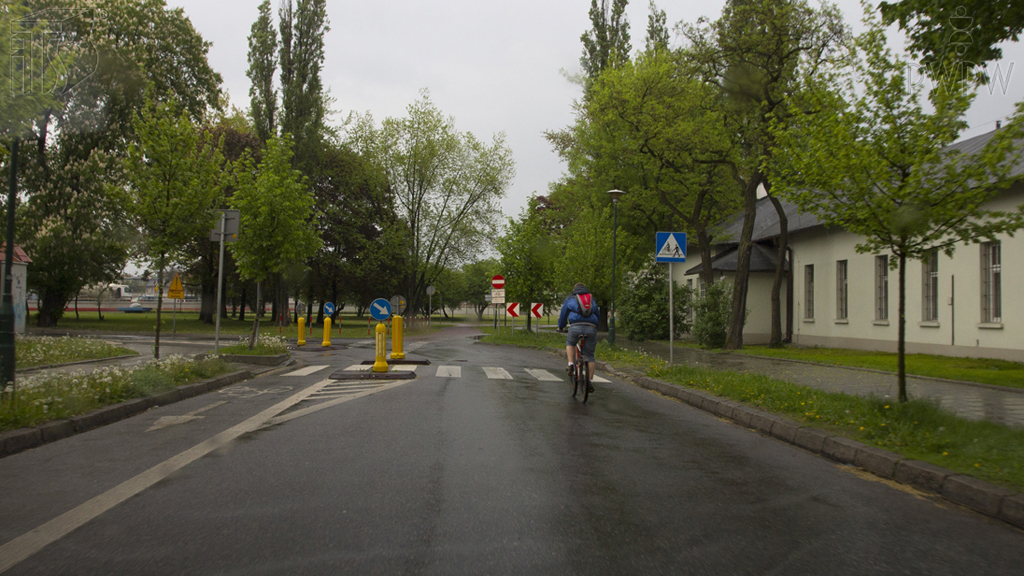 Can you attempt to overtake a cyclist in this situation?КомментарийBefore overtaking, check the road markings, signs, visibility, the vehicle behind and the space needed to return safely. The manoeuvre must be completed without forcing another road user to brake or change direction.Can you attempt to overtake a cyclist in this situation?
-
Was refraining from overtaking the cyclist proper in this situation?КомментарийWater on the road reduces tyre grip and can cause aquaplaning. Slow down smoothly, avoid abrupt steering or braking, and keep enough distance to react to changing road conditions.Was refraining from overtaking the cyclist proper in this situation?
-
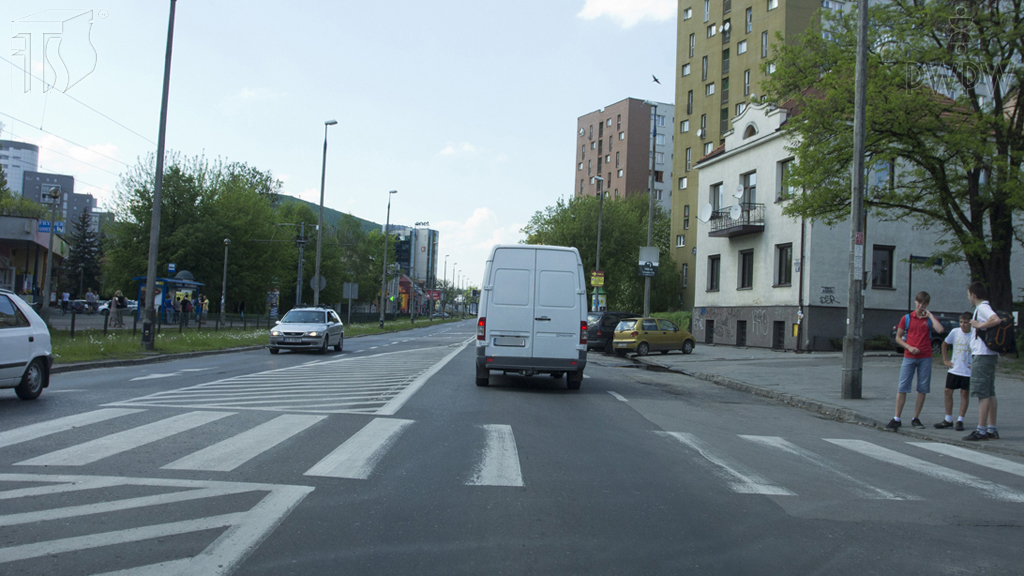 Should you slow down in this situation?КомментарийThe decisive point is the specific traffic rule described in the question and the conditions in which it applies. Consider the vehicle, road type and surrounding traffic before choosing the applicable rule.Should you slow down in this situation?
-
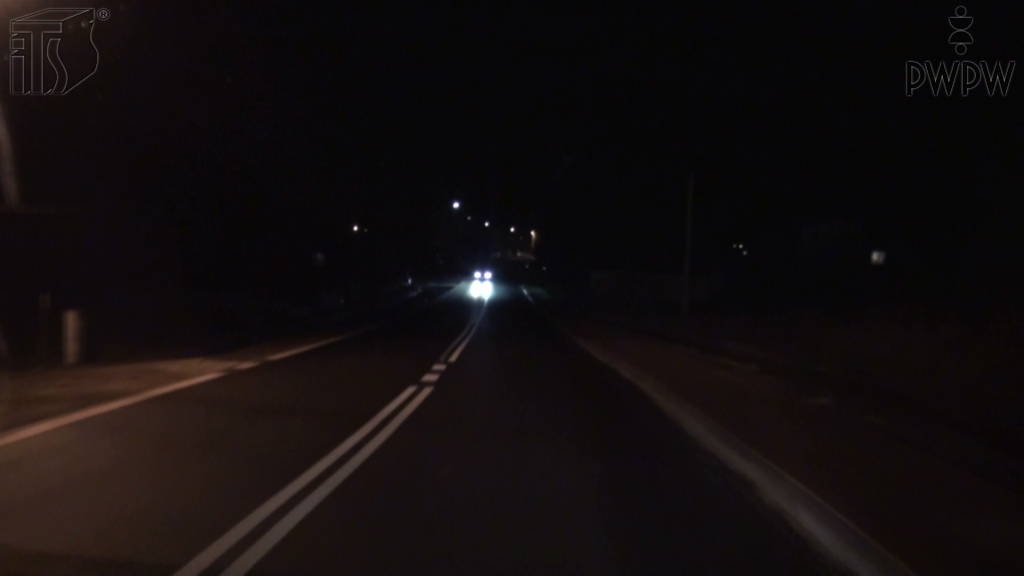 Should you be more alert when you're driving at night?КомментарийAt night, especially on an unlit road, the visible distance can be much shorter than the stopping distance at a high speed. Choose a speed that allows the road ahead to be observed and the vehicle to be stopped safely.Should you be more alert when you're driving at night?
-
When must you switch high-beam lights to low-beam lights?КомментарийThe decisive point is the specific traffic rule described in the question and the conditions in which it applies. Consider the vehicle, road type and surrounding traffic before choosing the applicable rule.When must you switch high-beam lights to low-beam lights?
-
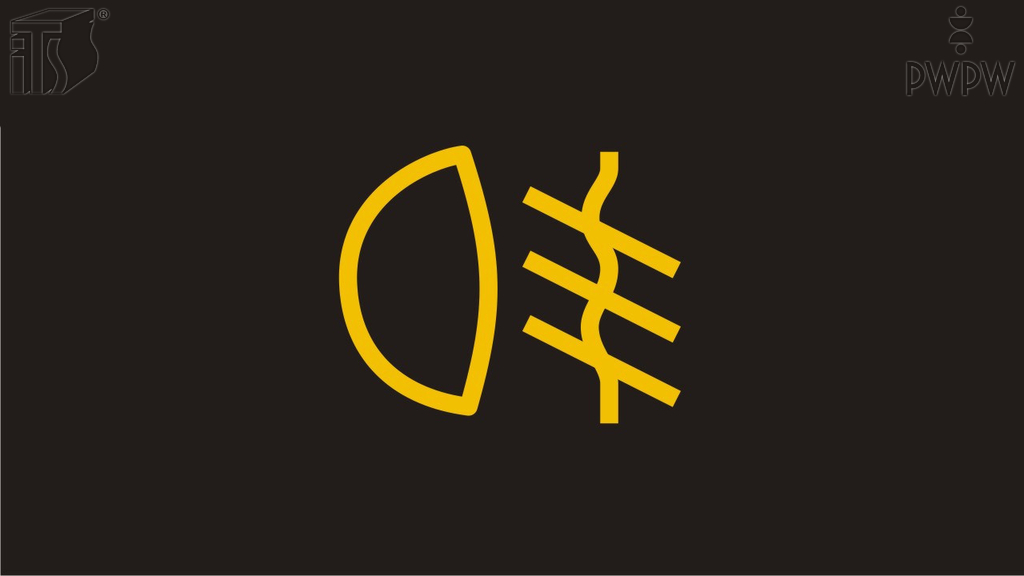 When must you turn off the rear anti-fog light?КомментарийFog reduces visibility and makes it harder to judge the position and speed of other road users. Adapt speed to the visible distance and use lighting appropriate for the conditions.When must you turn off the rear anti-fog light?
-
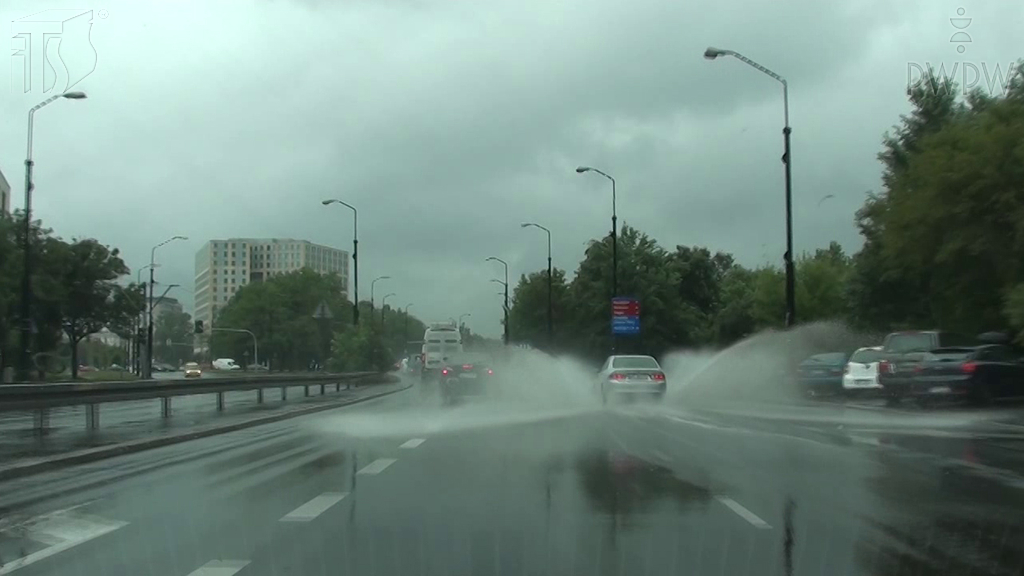 What sort of driving should you avoid in these road conditions?КомментарийThe decisive point is the specific traffic rule described in the question and the conditions in which it applies. Consider the vehicle, road type and surrounding traffic before choosing the applicable rule.What sort of driving should you avoid in these road conditions?
-
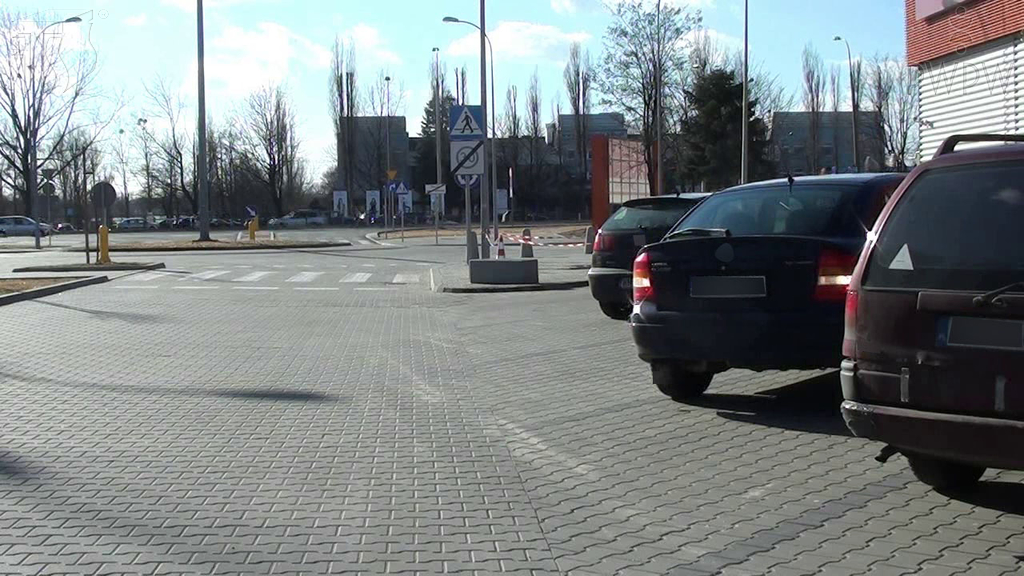 What should you pay special attention to while reversing the car?КомментарийDriver attention and reaction are affected by fatigue, emotional arousal and the amount of information in the road environment. A delayed reaction increases the distance travelled before braking or taking evasive action.What should you pay special attention to while reversing the car?
-
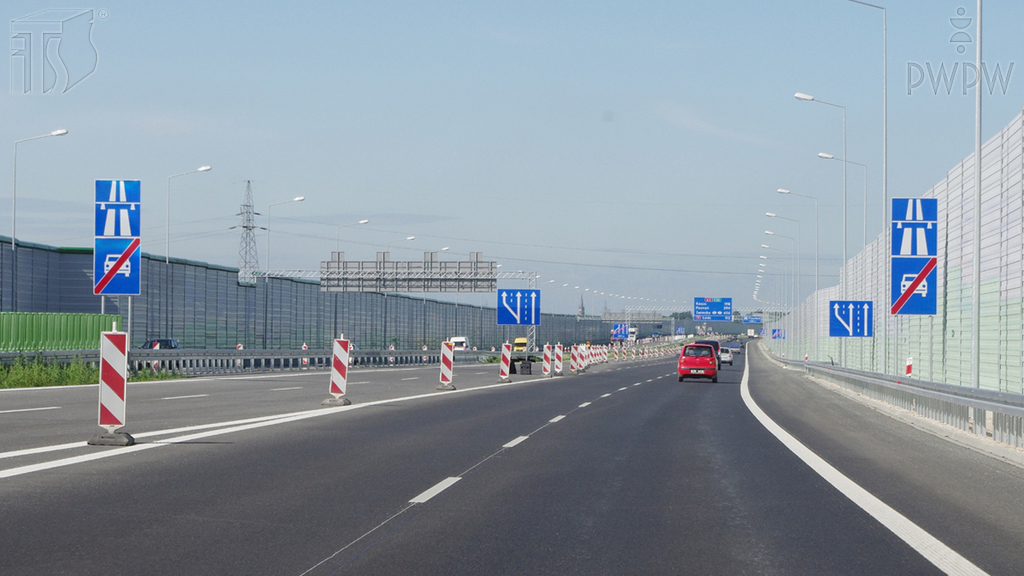 In what way should you observe your surroundings while driving on a motorway?КомментарийThe decisive point is the specific traffic rule described in the question and the conditions in which it applies. Consider the vehicle, road type and surrounding traffic before choosing the applicable rule.In what way should you observe your surroundings while driving on a motorway?
-
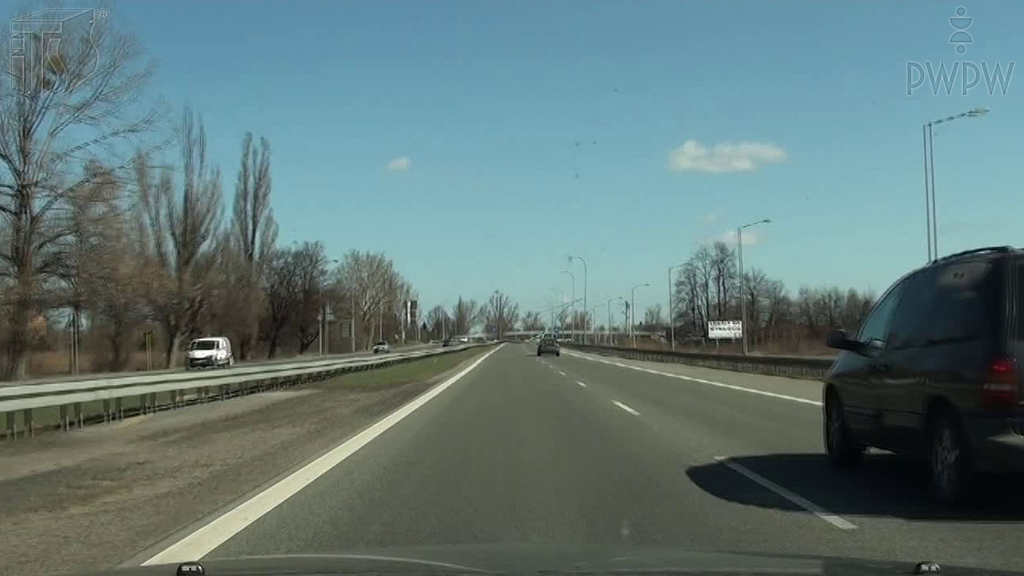 When can you return to the right lane after you complete the overtaking manoeuvre on a one-way road with two lanes?КомментарийBefore overtaking, check the road markings, signs, visibility, the vehicle behind and the space needed to return safely. The manoeuvre must be completed without forcing another road user to brake or change direction.When can you return to the right lane after you complete the overtaking manoeuvre on a one-way road with two lanes?
-
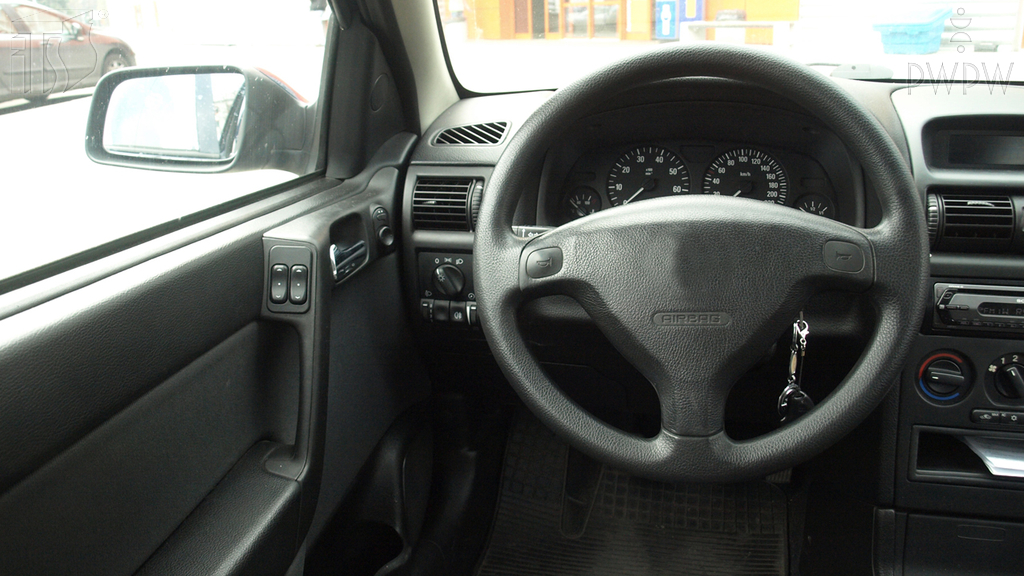 What position behind the wheel will help to reduce the effect of the so-called blind spot in the mirrors which occurs when you watch the road?КомментарийThe driver's duty depends on the pedestrian's position, the type of crossing and the movement shown. Approach slowly enough to stop and do not use the vehicle's movement to force a pedestrian to change speed or direction.What position behind the wheel will help to reduce the effect of the so-called blind spot in the mirrors which occurs when you watch the road?
-
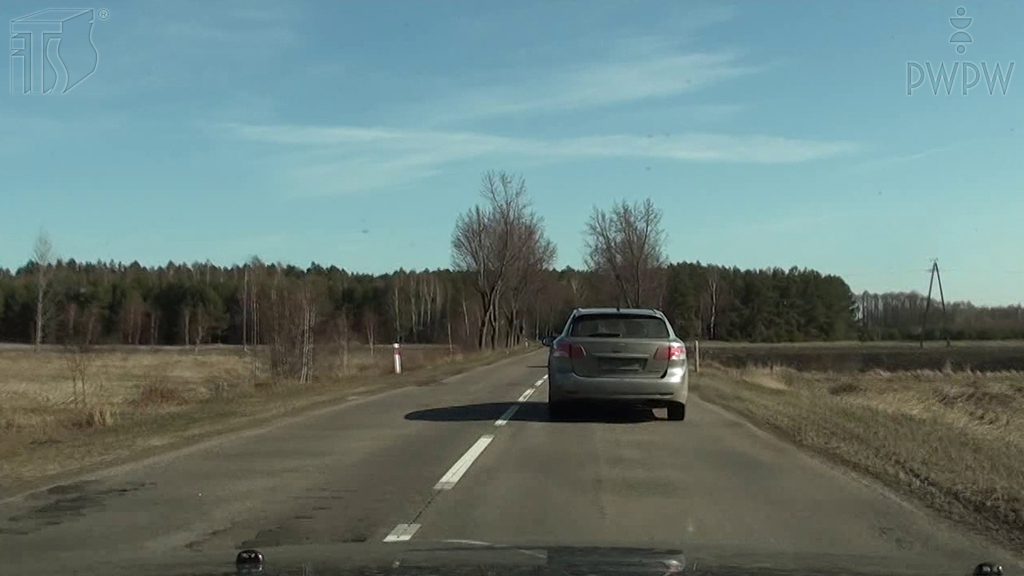 How should you behave before you start overtaking in good visibility in order to ensure that you have sufficient visibility of the road?КомментарийBefore overtaking, check the road markings, signs, visibility, the vehicle behind and the space needed to return safely. The manoeuvre must be completed without forcing another road user to brake or change direction.How should you behave before you start overtaking in good visibility in order to ensure that you have sufficient visibility of the road?
-
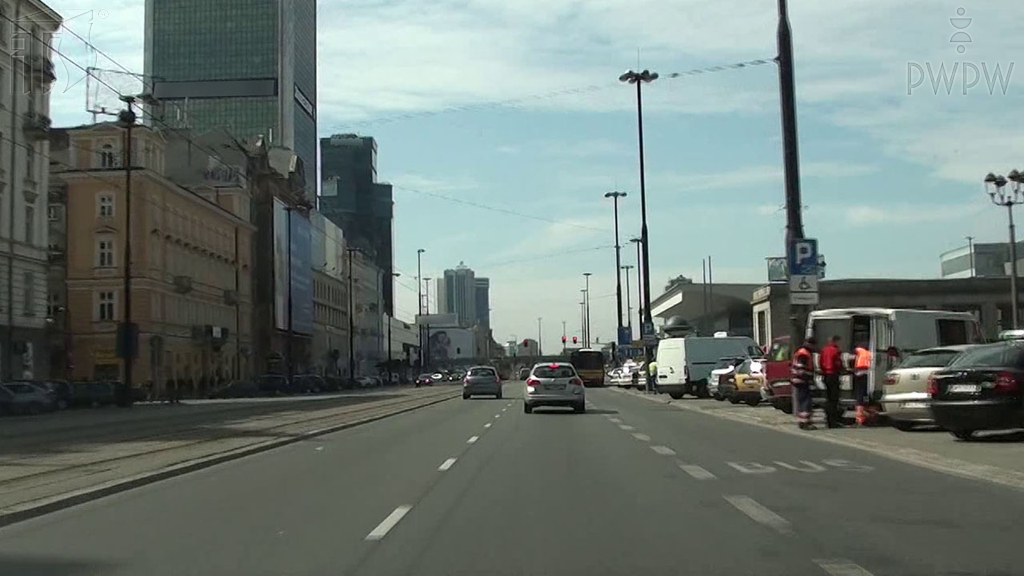 How should you observe the road when you drive the car in the road traffic?КомментарийThe decisive point is the specific traffic rule described in the question and the conditions in which it applies. Consider the vehicle, road type and surrounding traffic before choosing the applicable rule.How should you observe the road when you drive the car in the road traffic?
-
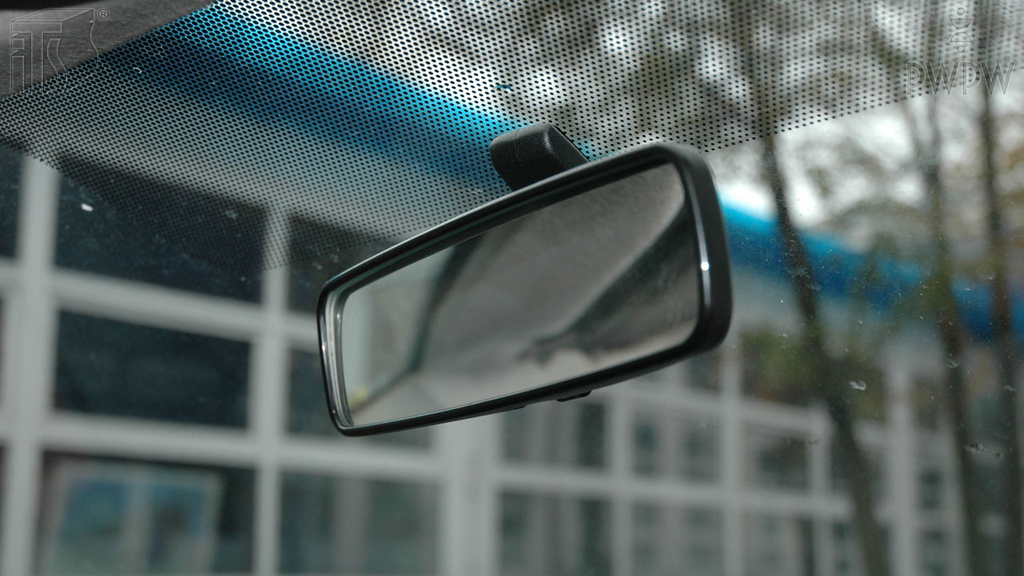 What should you see in a properly-positioned rear-view mirror?КомментарийThe decisive point is the specific traffic rule described in the question and the conditions in which it applies. Consider the vehicle, road type and surrounding traffic before choosing the applicable rule.What should you see in a properly-positioned rear-view mirror?
Test №10
1 / 32 тест


