
-
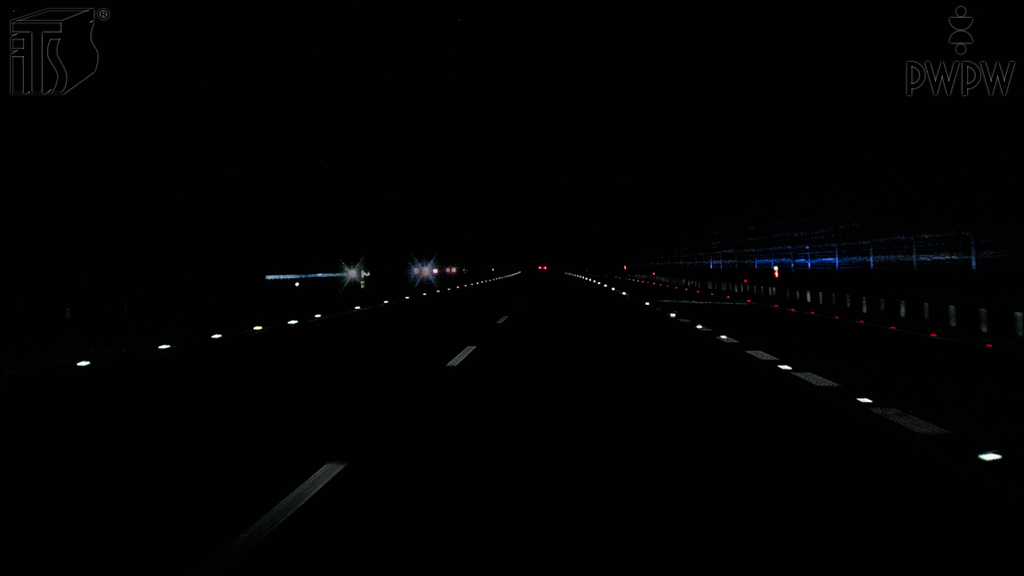 In the presented situation, is there a hard shoulder directly behind the line on the right, composed of white reflective road studs?КомментарийThe decisive point is the specific traffic rule described in the question and the conditions in which it applies. Consider the vehicle, road type and surrounding traffic before choosing the applicable rule.In the presented situation, is there a hard shoulder directly behind the line on the right, composed of white reflective road studs?
-
In the presented situation, do the white reflective road studs placed on the right side of the road inform you of the edge of the roadway?КомментарийThe decisive point is the specific traffic rule described in the question and the conditions in which it applies. Consider the vehicle, road type and surrounding traffic before choosing the applicable rule.In the presented situation, do the white reflective road studs placed on the right side of the road inform you of the edge of the roadway?
-
Are you obliged to maintain a distance of at least 1 metre from the overtaken cyclist in this situation?КомментарийThe required lateral clearance depends on the road user being passed and the manoeuvre shown. The driver must leave enough space to avoid endangering the other road user and maintain control throughout the manoeuvre.Are you obliged to maintain a distance of at least 1 metre from the overtaken cyclist in this situation?
-
Are you allowed to overtake vehicles on other lanes at a junction marked in such a way?КомментарийBefore overtaking, check the road markings, signs, visibility, the vehicle behind and the space needed to return safely. The manoeuvre must be completed without forcing another road user to brake or change direction.Are you allowed to overtake vehicles on other lanes at a junction marked in such a way?
-
Can you overtake in this situation?КомментарийBefore overtaking, check the road markings, signs, visibility, the vehicle behind and the space needed to return safely. The manoeuvre must be completed without forcing another road user to brake or change direction.Can you overtake in this situation?
-
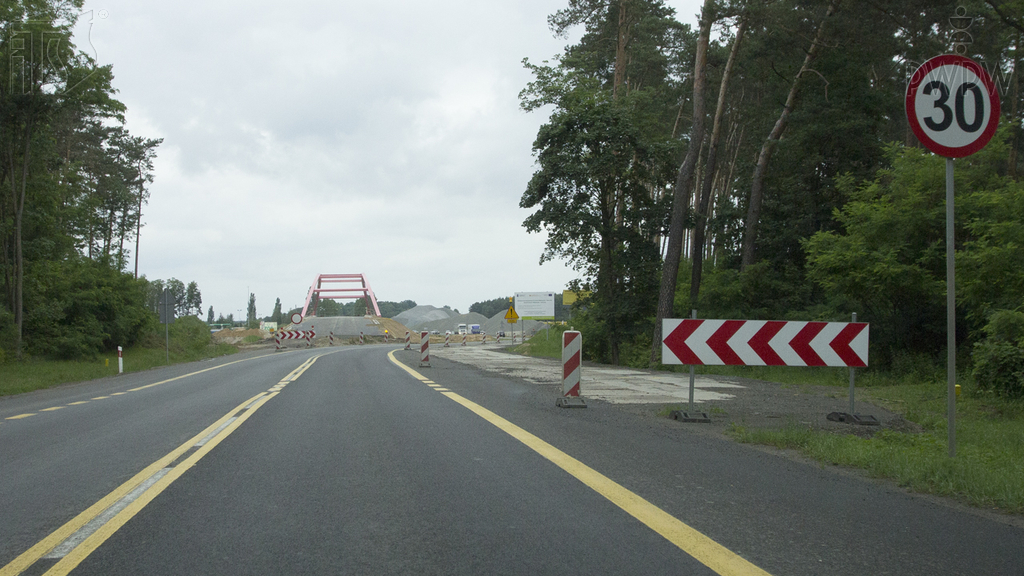 In the presented situation, is the prohibition expressed by this sign binding from the place of its erection?КомментарийThe decisive point is the specific traffic rule described in the question and the conditions in which it applies. Consider the vehicle, road type and surrounding traffic before choosing the applicable rule.In the presented situation, is the prohibition expressed by this sign binding from the place of its erection?
-
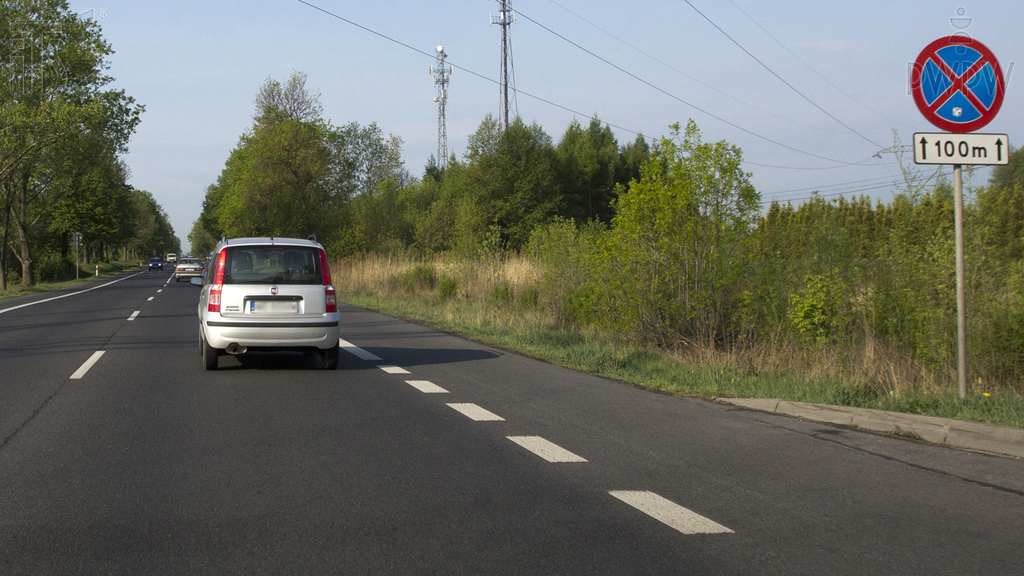 Does the plate under this prohibition sign indicate the length of the road section where the prohibition is binding?КомментарийThe warning sign shown gives information about a hazard or road arrangement ahead. Its exact meaning must be read from the symbol and supplementary plate, rather than inferred only from the shape of the road.Does the plate under this prohibition sign indicate the length of the road section where the prohibition is binding?
-
Are you obliged in this situation to yield the right of way to the vehicle approaching from the left?КомментарийPriority is determined by the signs, signals, road markings and the paths of the vehicles shown. The important point is not simply who arrives first, but which movement is required to give way under the applicable rule.Are you obliged in this situation to yield the right of way to the vehicle approaching from the left?
-
You intend to continue going straight on. Do you have the right of way over the vehicle approaching from the right?КомментарийPriority is determined by the signs, signals, road markings and the paths of the vehicles shown. The important point is not simply who arrives first, but which movement is required to give way under the applicable rule.You intend to continue going straight on. Do you have the right of way over the vehicle approaching from the right?
-
In this situation, do you have to yield the right of way to the vehicle approaching from the left?КомментарийPriority is determined by the signs, signals, road markings and the paths of the vehicles shown. The important point is not simply who arrives first, but which movement is required to give way under the applicable rule.In this situation, do you have to yield the right of way to the vehicle approaching from the left?
-
In this situation, do you have priority over the vehicle driving from the left into the traffic lane?КомментарийBefore changing lane, check the road markings, the direction assigned to each lane and the position of other vehicles. The manoeuvre is only safe when the target lane is suitable and can be entered without forcing another road user to react.In this situation, do you have priority over the vehicle driving from the left into the traffic lane?
-
You intend to turn right. Do you have to yield the right of way to the vehicle approaching from the left?КомментарийThe legality of the turn depends on the signs, road markings, lane position and the paths of other road users shown. Before turning, make sure the manoeuvre does not conflict with a protected or opposing movement.You intend to turn right. Do you have to yield the right of way to the vehicle approaching from the left?
-
You intend to turn left. Do you have to yield the right of way to the cyclist?КомментарийWhen dealing with a cyclist, consider the cyclist's position, the marked lane and the direction of travel. The driver must leave the required space and avoid a manoeuvre that would cut across the cyclist's path.You intend to turn left. Do you have to yield the right of way to the cyclist?
-
You intend to continue driving straight on. In this situation do you have the right of way over the vehicle approaching from the right?КомментарийPriority is determined by the signs, signals, road markings and the paths of the vehicles shown. The important point is not simply who arrives first, but which movement is required to give way under the applicable rule.You intend to continue driving straight on. In this situation do you have the right of way over the vehicle approaching from the right?
-
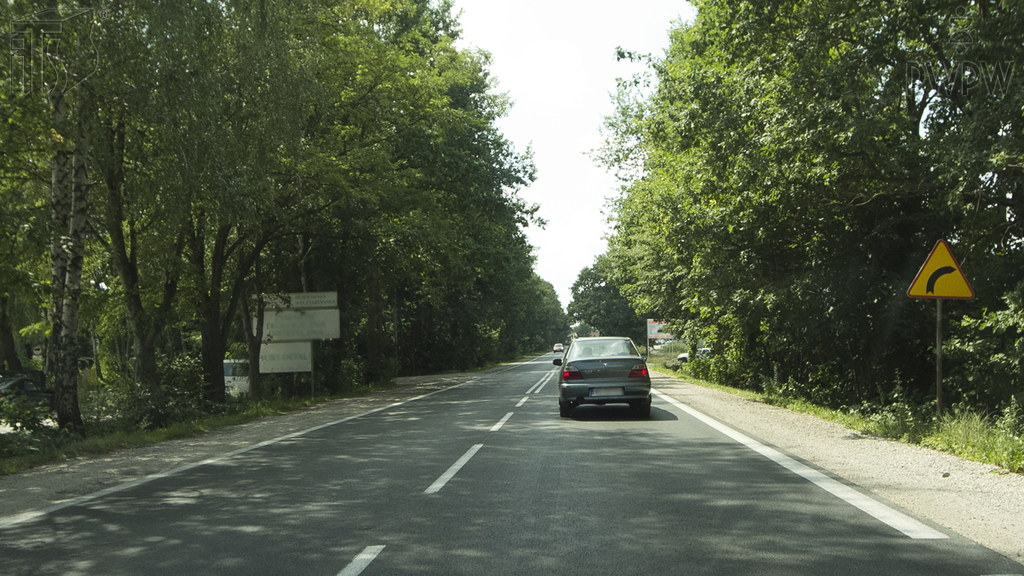 Should you resign from overtaking in this situation?КомментарийBefore overtaking, check the road markings, signs, visibility, the vehicle behind and the space needed to return safely. The manoeuvre must be completed without forcing another road user to brake or change direction.Should you resign from overtaking in this situation?
-
Are you obliged in this situation to slow down in the built-up area to allow the bus driver to join the traffic?КомментарийThe road environment indicated by the sign changes which traffic rules and restrictions apply. Identify the zone first, then apply the rule to the vehicle and manoeuvre shown.Are you obliged in this situation to slow down in the built-up area to allow the bus driver to join the traffic?
-
You are turning left at the nearest junction. Do you have the right of way over the approaching vehicle?КомментарийThe legality of the turn depends on the signs, road markings, lane position and the paths of other road users shown. Before turning, make sure the manoeuvre does not conflict with a protected or opposing movement.You are turning left at the nearest junction. Do you have the right of way over the approaching vehicle?
-
You intend to go straight ahead. Are you joining the traffic in this situation?КомментарийThe decisive point is the specific traffic rule described in the question and the conditions in which it applies. Consider the vehicle, road type and surrounding traffic before choosing the applicable rule.You intend to go straight ahead. Are you joining the traffic in this situation?
-
Have you got priority over the vehicle approaching from the left?КомментарийPriority is determined by the signs, signals, road markings and the paths of the vehicles shown. The important point is not simply who arrives first, but which movement is required to give way under the applicable rule.Have you got priority over the vehicle approaching from the left?
-
Does the behaviour of the pedestrian require you to use the horn?КомментарийThe driver's duty depends on the pedestrian's position, the type of crossing and the movement shown. Approach slowly enough to stop and do not use the vehicle's movement to force a pedestrian to change speed or direction.Does the behaviour of the pedestrian require you to use the horn?
-
Which of the following faults precludes the car from being safely used on the road?КомментарийThe decisive point is the specific traffic rule described in the question and the conditions in which it applies. Consider the vehicle, road type and surrounding traffic before choosing the applicable rule.Which of the following faults precludes the car from being safely used on the road?
-
What might be the result of too weak pressure on the brake pedal of a passenger car?КомментарийThe need to brake depends on the hazard visible ahead, the road surface and the stopping distance available. Braking should begin early enough to keep the vehicle under control and avoid a conflict with other road users.What might be the result of too weak pressure on the brake pedal of a passenger car?
-
What might be the result of too strong braking of a passenger car not fitted with the ABS?КомментарийThe need to brake depends on the hazard visible ahead, the road surface and the stopping distance available. Braking should begin early enough to keep the vehicle under control and avoid a conflict with other road users.What might be the result of too strong braking of a passenger car not fitted with the ABS?
-
Which of the following ways of braking in a passenger car fitted with the ABS is the most effective?КомментарийThe need to brake depends on the hazard visible ahead, the road surface and the stopping distance available. Braking should begin early enough to keep the vehicle under control and avoid a conflict with other road users.Which of the following ways of braking in a passenger car fitted with the ABS is the most effective?
-
Which of the following action should be taken when the operating ABS pushes out the brake pedal while braking?КомментарийThe need to brake depends on the hazard visible ahead, the road surface and the stopping distance available. Braking should begin early enough to keep the vehicle under control and avoid a conflict with other road users.Which of the following action should be taken when the operating ABS pushes out the brake pedal while braking?
-
In which of the following situations can the ABS help a driver in sustaining steerability?КомментарийThe decisive point is the specific traffic rule described in the question and the conditions in which it applies. Consider the vehicle, road type and surrounding traffic before choosing the applicable rule.In which of the following situations can the ABS help a driver in sustaining steerability?
-
Which of the following results may you cause when moving off uphill you release the emergency brake lever too early in relation to releasing the clutch pedal?КомментарийThe need to brake depends on the hazard visible ahead, the road surface and the stopping distance available. Braking should begin early enough to keep the vehicle under control and avoid a conflict with other road users.Which of the following results may you cause when moving off uphill you release the emergency brake lever too early in relation to releasing the clutch pedal?
-
Which of the following actions must be taken when the warning light of the brake system turns red during driving?КомментарийThe need to brake depends on the hazard visible ahead, the road surface and the stopping distance available. Braking should begin early enough to keep the vehicle under control and avoid a conflict with other road users.Which of the following actions must be taken when the warning light of the brake system turns red during driving?
-
What does the cooling system warning light flashing red on the move in a passenger car warn of?КомментарийThe decisive point is the specific traffic rule described in the question and the conditions in which it applies. Consider the vehicle, road type and surrounding traffic before choosing the applicable rule.What does the cooling system warning light flashing red on the move in a passenger car warn of?
-
Which of the following circumstances may indicate bad technical condition of a passenger car?КомментарийThe decisive point is the specific traffic rule described in the question and the conditions in which it applies. Consider the vehicle, road type and surrounding traffic before choosing the applicable rule.Which of the following circumstances may indicate bad technical condition of a passenger car?
-
In which of the following cases using a passenger car does not threaten the road safety?КомментарийThe decisive point is the specific traffic rule described in the question and the conditions in which it applies. Consider the vehicle, road type and surrounding traffic before choosing the applicable rule.In which of the following cases using a passenger car does not threaten the road safety?
Test №5
1 / 32 тест


