-
Are you allowed in this situation to drive onto the lane by the right edge of the road?КомментарийBefore changing lane, check the road markings, the direction assigned to each lane and the position of other vehicles. The manoeuvre is only safe when the target lane is suitable and can be entered without forcing another road user to react.Are you allowed in this situation to drive onto the lane by the right edge of the road?
-
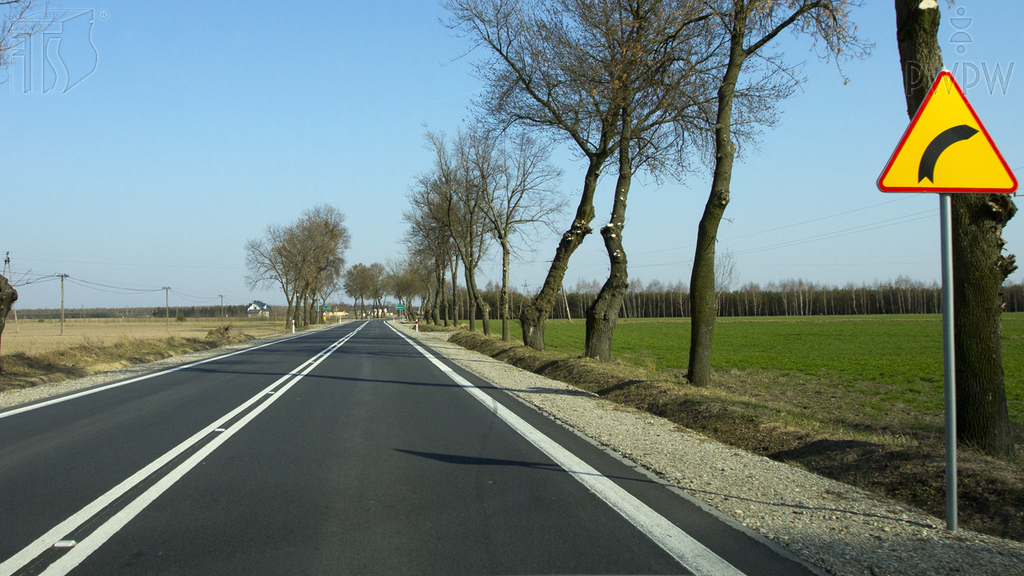 Are you warned in this situation of a single dangerous bend to the right?КомментарийThe warning sign shown gives information about a hazard or road arrangement ahead. Its exact meaning must be read from the symbol and supplementary plate, rather than inferred only from the shape of the road.Are you warned in this situation of a single dangerous bend to the right?
-
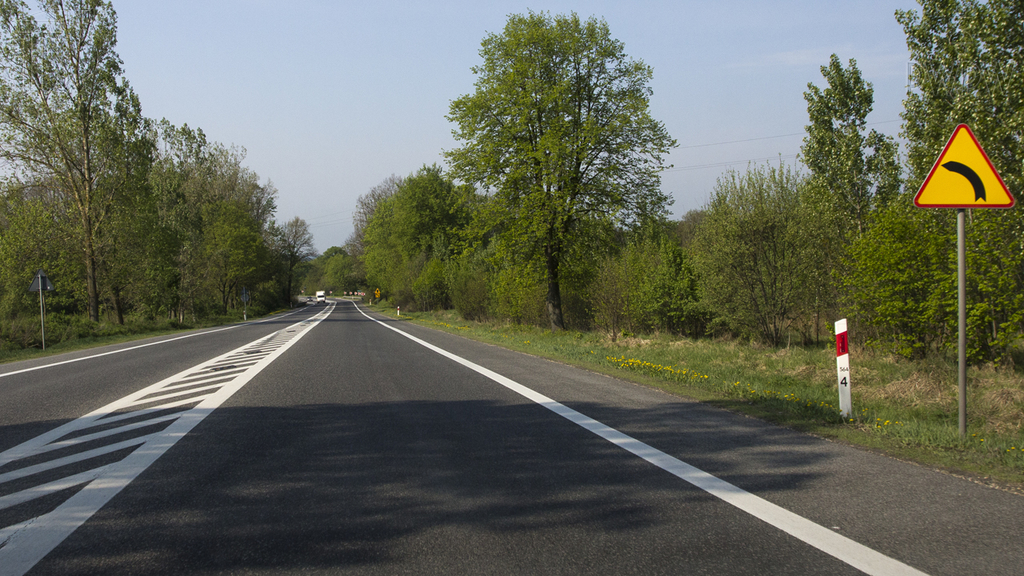 Are you warned in this situation of a few dangerous bends to the left?КомментарийThe warning sign shown gives information about a hazard or road arrangement ahead. Its exact meaning must be read from the symbol and supplementary plate, rather than inferred only from the shape of the road.Are you warned in this situation of a few dangerous bends to the left?
-
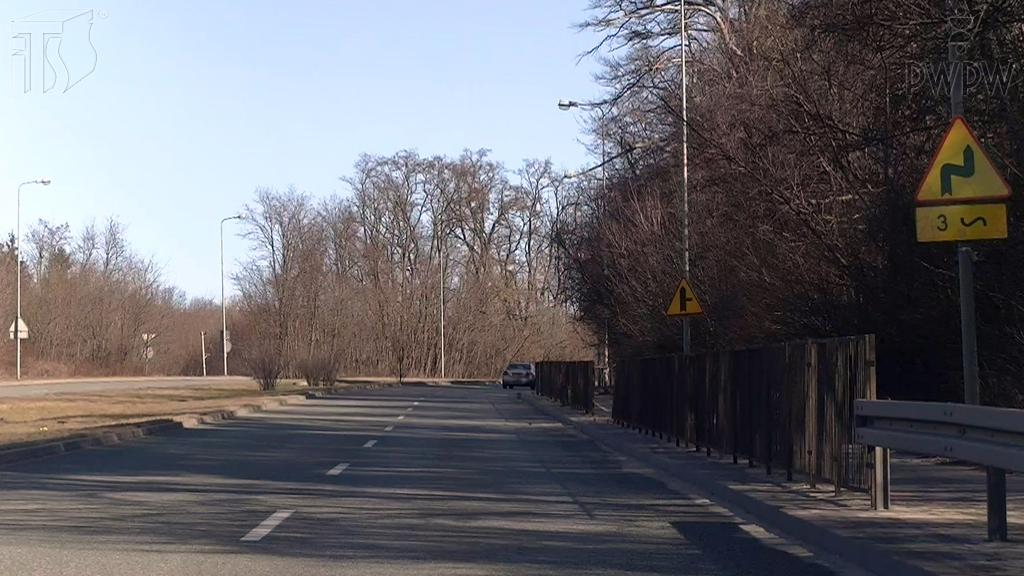 Are you warned in this situation of two dangerous bends?КомментарийThe warning sign shown gives information about a hazard or road arrangement ahead. Its exact meaning must be read from the symbol and supplementary plate, rather than inferred only from the shape of the road.Are you warned in this situation of two dangerous bends?
-
org.jpg) Are you warned in this situation of two dangerous bends, the first to the left?КомментарийThe warning sign shown gives information about a hazard or road arrangement ahead. Its exact meaning must be read from the symbol and supplementary plate, rather than inferred only from the shape of the road.Are you warned in this situation of two dangerous bends, the first to the left?
-
org.jpg) Are you warned in this situation of an intersection where there are no right of way signs?КомментарийPriority is determined by the signs, signals, road markings and the paths of the vehicles shown. The important point is not simply who arrives first, but which movement is required to give way under the applicable rule.Are you warned in this situation of an intersection where there are no right of way signs?
-
Should you begin braking your vehicle in this situation?КомментарийThe need to brake depends on the hazard visible ahead, the road surface and the stopping distance available. Braking should begin early enough to keep the vehicle under control and avoid a conflict with other road users.Should you begin braking your vehicle in this situation?
-
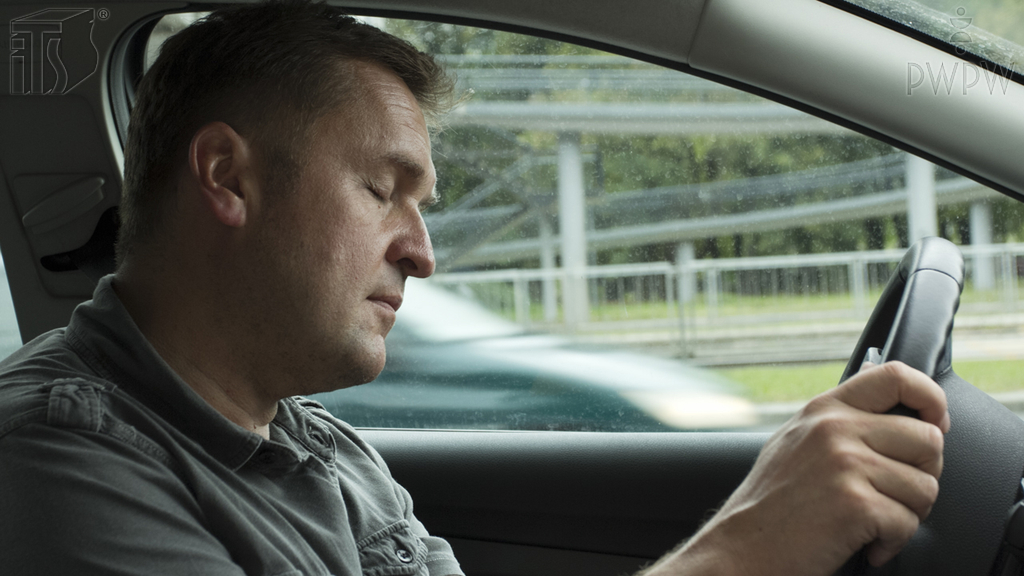 When driving a vehicle, does your ability to perceive road signs and signals improve with time?КомментарийDriver attention and reaction are affected by fatigue, emotional arousal and the amount of information in the road environment. A delayed reaction increases the distance travelled before braking or taking evasive action.When driving a vehicle, does your ability to perceive road signs and signals improve with time?
-
You are driving a vehicle at the speed of 30 km/h. Should you stop the vehicle before the traffic lights in this situation?КомментарийThe applicable speed must be determined from the road type, the signs and the vehicle combination shown in the question. A trailer or another restriction can change the limit that applies to the driver.You are driving a vehicle at the speed of 30 km/h. Should you stop the vehicle before the traffic lights in this situation?
-
When driving in a state of emotional arousal, does your ability to concentrate decrease?КомментарийDriver attention and reaction are affected by fatigue, emotional arousal and the amount of information in the road environment. A delayed reaction increases the distance travelled before braking or taking evasive action.When driving in a state of emotional arousal, does your ability to concentrate decrease?
-
You intend to turn left. Do you have to yield the right of way to the vehicle approaching from the right?КомментарийThe legality of the turn depends on the signs, road markings, lane position and the paths of other road users shown. Before turning, make sure the manoeuvre does not conflict with a protected or opposing movement.You intend to turn left. Do you have to yield the right of way to the vehicle approaching from the right?
-
You intend to go straight on. Do you have to yield the right of way to the vehicle approaching from the right?КомментарийPriority is determined by the signs, signals, road markings and the paths of the vehicles shown. The important point is not simply who arrives first, but which movement is required to give way under the applicable rule.You intend to go straight on. Do you have to yield the right of way to the vehicle approaching from the right?
-
You intend to go straight on. Do you have the right of way over the motorcyclist?КомментарийWhen dealing with a cyclist, consider the cyclist's position, the marked lane and the direction of travel. The driver must leave the required space and avoid a manoeuvre that would cut across the cyclist's path.You intend to go straight on. Do you have the right of way over the motorcyclist?
-
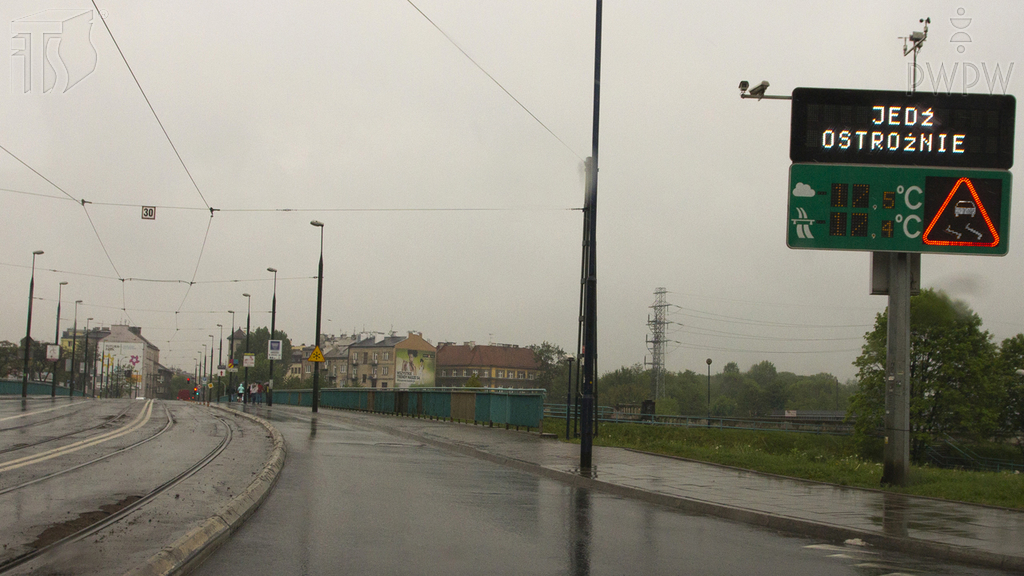 Does the sign on this board inform you of a place on the road where there is, or there might be a danger?КомментарийThe warning sign shown gives information about a hazard or road arrangement ahead. Its exact meaning must be read from the symbol and supplementary plate, rather than inferred only from the shape of the road.Does the sign on this board inform you of a place on the road where there is, or there might be a danger?
-
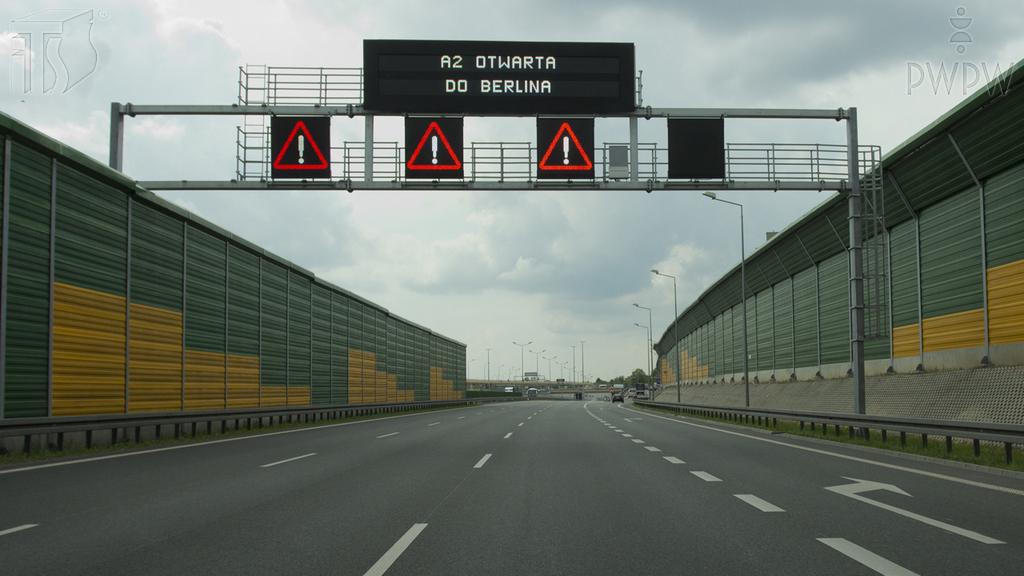 Do you have to exercise particular caution in the presented situation?КомментарийThe decisive point is the specific traffic rule described in the question and the conditions in which it applies. Consider the vehicle, road type and surrounding traffic before choosing the applicable rule.Do you have to exercise particular caution in the presented situation?
-
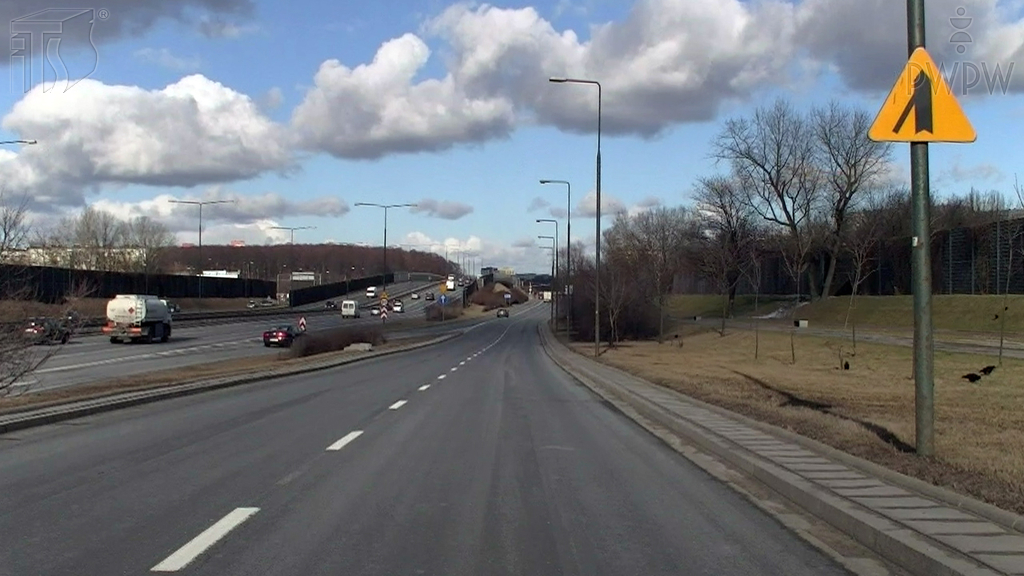 In the presented situation, are you warned of an intersection with a one-way minor road?КомментарийThe warning sign shown gives information about a hazard or road arrangement ahead. Its exact meaning must be read from the symbol and supplementary plate, rather than inferred only from the shape of the road.In the presented situation, are you warned of an intersection with a one-way minor road?
-
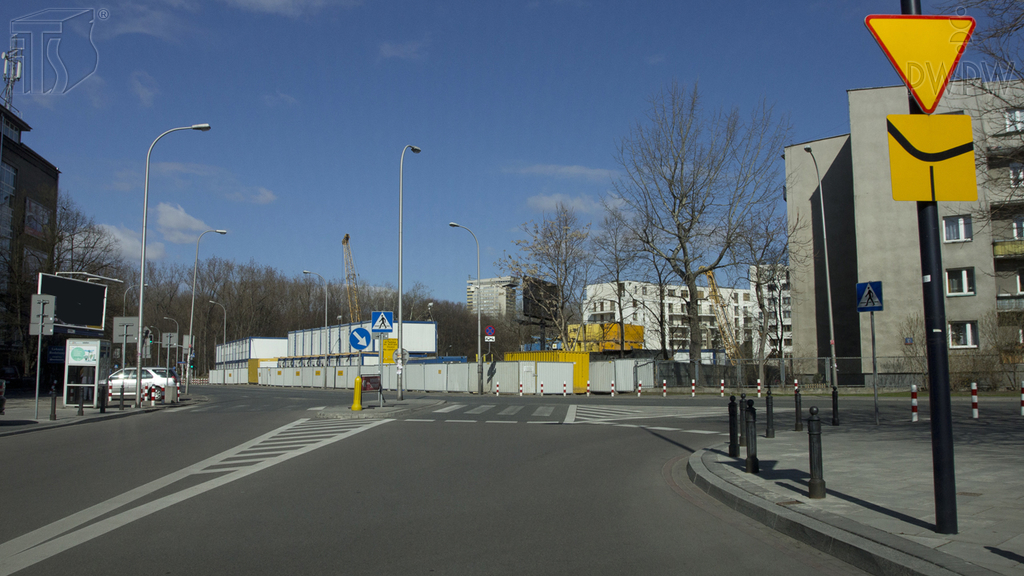 In the presented situation, you are warned of an intersection with a major road. Does the plate under the sign indicate its actual route?КомментарийThe warning sign shown gives information about a hazard or road arrangement ahead. Its exact meaning must be read from the symbol and supplementary plate, rather than inferred only from the shape of the road.In the presented situation, you are warned of an intersection with a major road. Does the plate under the sign indicate its actual route?
-
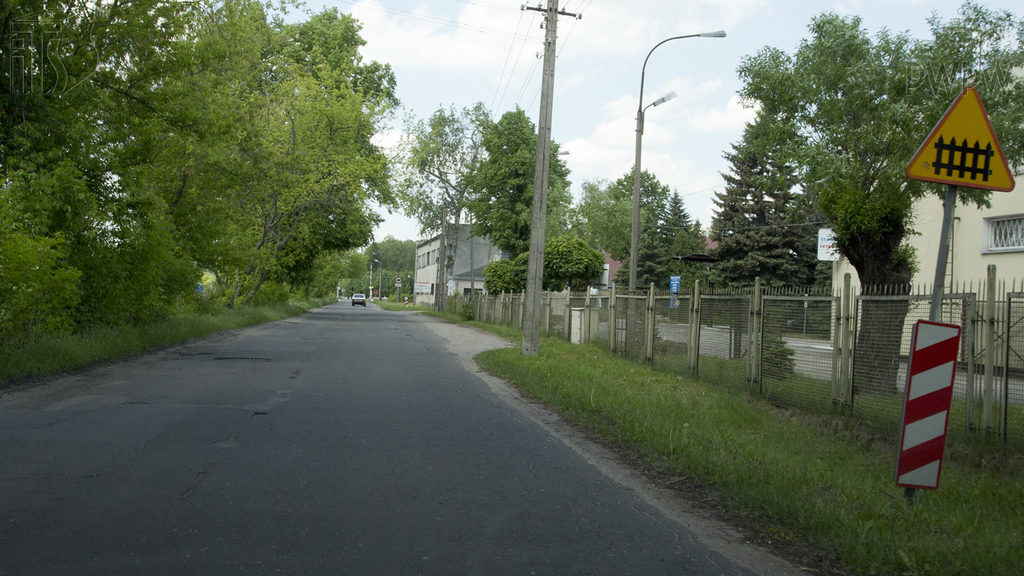 Are you warned in this situation of a level crossing with full barriers or half-barriers?КомментарийAt a level crossing, the driver must assess the crossing itself, the warning signals and the possibility of a rail vehicle approaching. Raised barriers do not by themselves guarantee that the crossing is safe to enter.Are you warned in this situation of a level crossing with full barriers or half-barriers?
-
org.jpg) Are you warned in this situation of a level crossing with full barriers or half-barriers?КомментарийAt a level crossing, the driver must assess the crossing itself, the warning signals and the possibility of a rail vehicle approaching. Raised barriers do not by themselves guarantee that the crossing is safe to enter.Are you warned in this situation of a level crossing with full barriers or half-barriers?
-
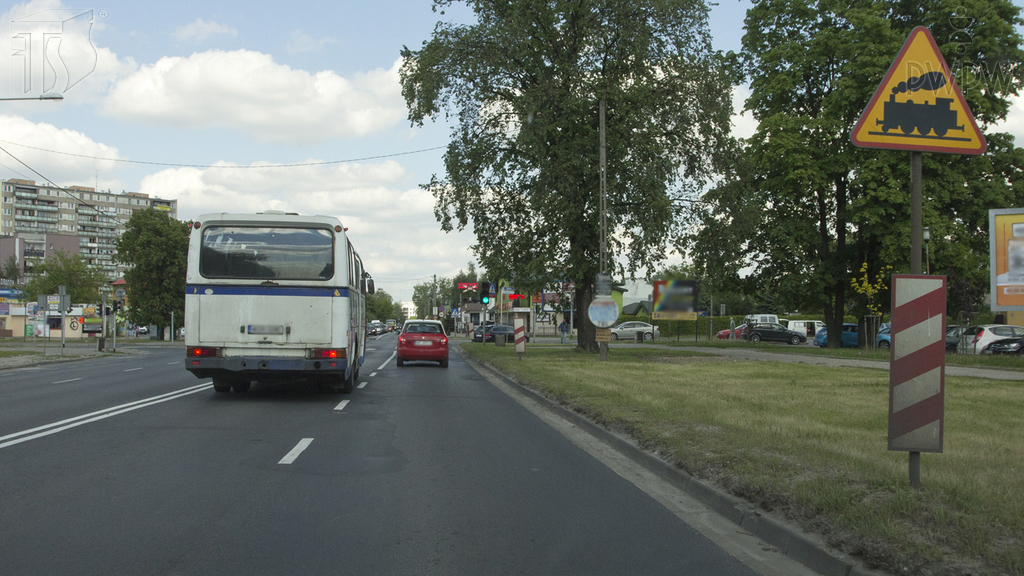 Are you warned in this situation of a level crossing with half-barriers?КомментарийAt a level crossing, the driver must assess the crossing itself, the warning signals and the possibility of a rail vehicle approaching. Raised barriers do not by themselves guarantee that the crossing is safe to enter.Are you warned in this situation of a level crossing with half-barriers?
-
You are driving a passenger car. How should you behave while driving through a wide puddle?КомментарийWater on the road reduces tyre grip and can cause aquaplaning. Slow down smoothly, avoid abrupt steering or braking, and keep enough distance to react to changing road conditions.You are driving a passenger car. How should you behave while driving through a wide puddle?
-
You witness a pedestrian being run down. How should you behave?КомментарийThe driver's duty depends on the pedestrian's position, the type of crossing and the movement shown. Approach slowly enough to stop and do not use the vehicle's movement to force a pedestrian to change speed or direction.You witness a pedestrian being run down. How should you behave?
-
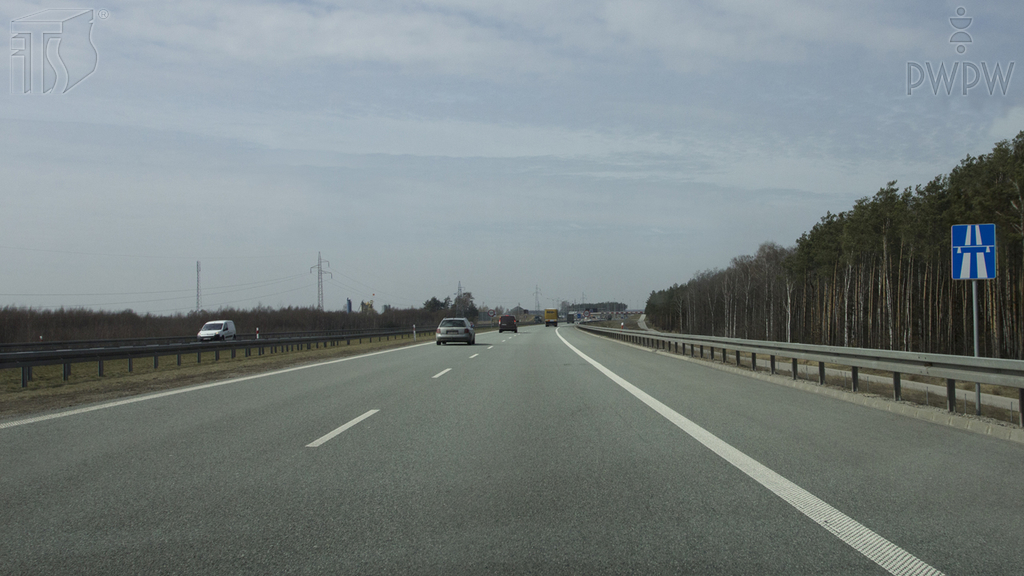 At what speed are you allowed to drive a passenger car with a trailer on the road beyond this sign?КомментарийA trailer load must be distributed and secured so that it remains stable while driving. It must not shift, fall, obstruct lights or registration plates, or exceed the permitted loads.At what speed are you allowed to drive a passenger car with a trailer on the road beyond this sign?
-
At what maximum speed are you allowed to drive a passenger car on the road beyond this sign?КомментарийThe applicable speed must be determined from the road type, the signs and the vehicle combination shown in the question. A trailer or another restriction can change the limit that applies to the driver.At what maximum speed are you allowed to drive a passenger car on the road beyond this sign?
-
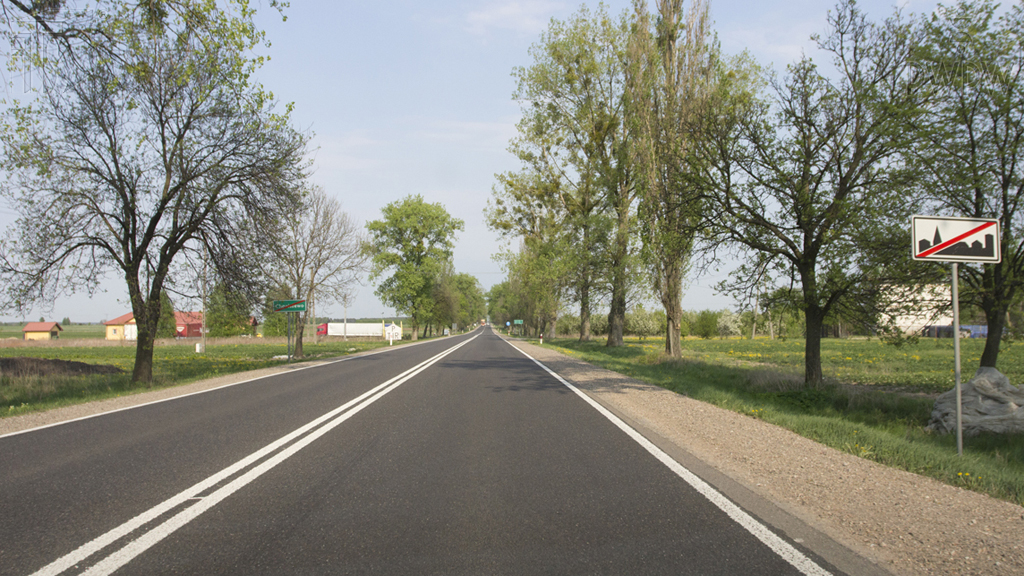 At what speed are you allowed to drive a passenger car on the road beyond this sign?КомментарийThe applicable speed must be determined from the road type, the signs and the vehicle combination shown in the question. A trailer or another restriction can change the limit that applies to the driver.At what speed are you allowed to drive a passenger car on the road beyond this sign?
-
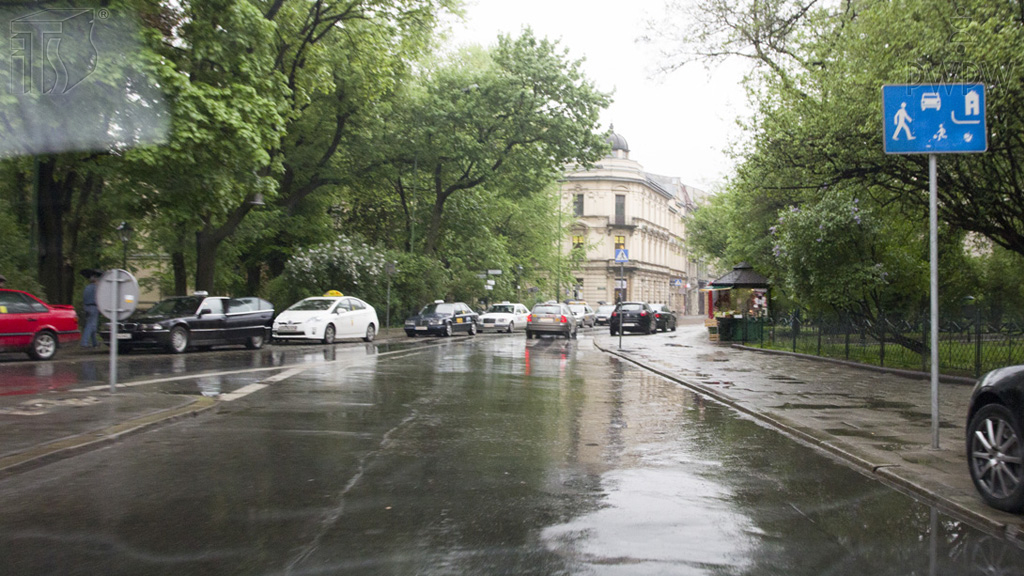 At what speed are you allowed to drive a passenger car on the road beyond this sign?КомментарийThe applicable speed must be determined from the road type, the signs and the vehicle combination shown in the question. A trailer or another restriction can change the limit that applies to the driver.At what speed are you allowed to drive a passenger car on the road beyond this sign?
-
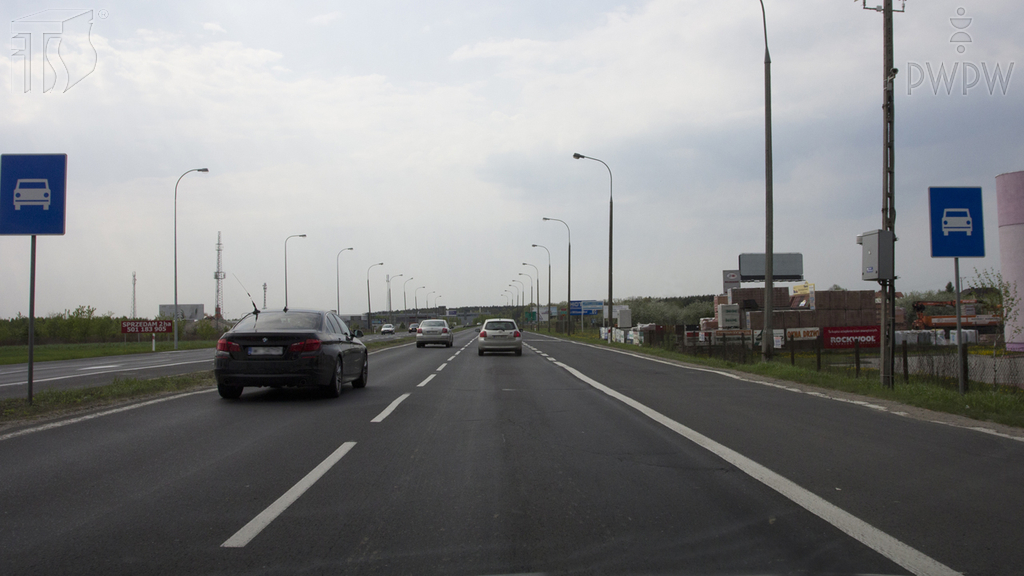 At what speed are you allowed to drive a passenger car on the road beyond this sign?КомментарийThe applicable speed must be determined from the road type, the signs and the vehicle combination shown in the question. A trailer or another restriction can change the limit that applies to the driver.At what speed are you allowed to drive a passenger car on the road beyond this sign?
-
What distance should you keep while passing another vehicle in a passenger car?КомментарийThe required lateral clearance depends on the road user being passed and the manoeuvre shown. The driver must leave enough space to avoid endangering the other road user and maintain control throughout the manoeuvre.What distance should you keep while passing another vehicle in a passenger car?
-
During which of the following manoeuvres are you obliged to keep a distance not less than 1 metres from the vehicle?КомментарийThe required lateral clearance depends on the road user being passed and the manoeuvre shown. The driver must leave enough space to avoid endangering the other road user and maintain control throughout the manoeuvre.During which of the following manoeuvres are you obliged to keep a distance not less than 1 metres from the vehicle?
-
What distance should you keep when passing a stationary obstacle on the road in a passenger car?КомментарийThe required lateral clearance depends on the road user being passed and the manoeuvre shown. The driver must leave enough space to avoid endangering the other road user and maintain control throughout the manoeuvre.What distance should you keep when passing a stationary obstacle on the road in a passenger car?
-
What distance should you keep when overtaking a passenger car?КомментарийThe required lateral clearance depends on the road user being passed and the manoeuvre shown. The driver must leave enough space to avoid endangering the other road user and maintain control throughout the manoeuvre.What distance should you keep when overtaking a passenger car?
-
What distance should you keep when overtaking a motorcycle?КомментарийThe required lateral clearance depends on the road user being passed and the manoeuvre shown. The driver must leave enough space to avoid endangering the other road user and maintain control throughout the manoeuvre.What distance should you keep when overtaking a motorcycle?
Test №3
1 / 32 тест


